

Deforestation: The Causes, Consequences, and Choices Ahead
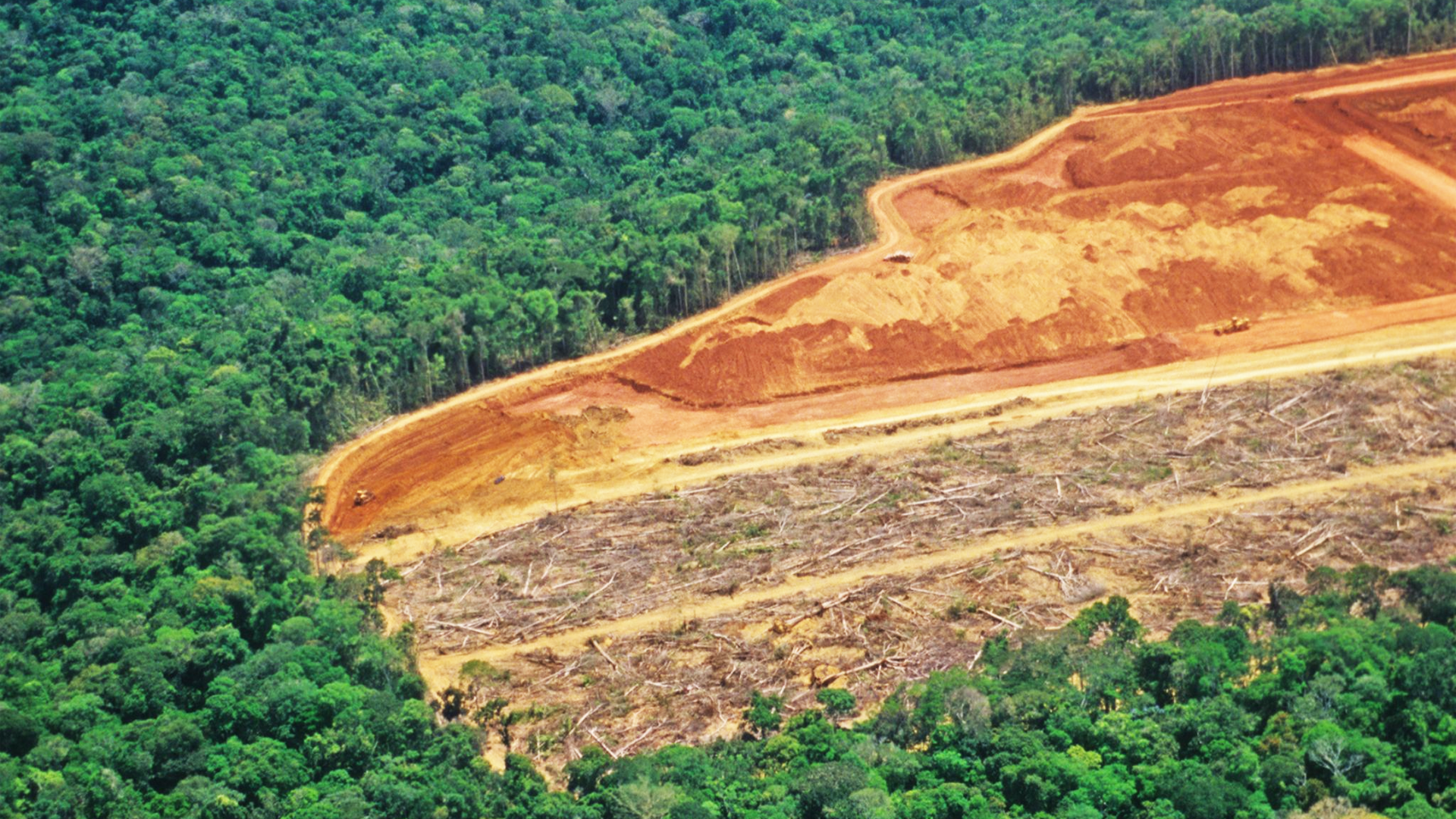
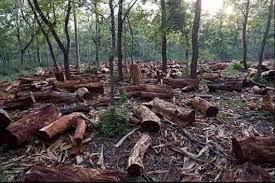
Cleared forest land showing the effects of deforestation
What's Happening?
Forests are among the most important ecosystems on Earth, covering roughly one-third of the planet’s land surface and supporting nearly 80 percent of all terrestrial species. They're not simply collections of trees but complex, interconnected systems that regulate climate, store carbon, protect soil, and sustain biodiversity. When forests are removed or degraded, the effects ripple far beyond the immediate landscape, impacting global environmental stability.
Deforestation refers to the large-scale removal of trees, often to convert land for agriculture, industry, or development. A related concept, forest degradation, involves the weakening of forest ecosystems through practices like selective logging or repeated disturbances. While deforestation eliminates forests entirely, degradation reduces their ability to function effectively, particularly in storing carbon and supporting biodiversity.
The primary driver of deforestation is human activity, especially the expansion of agriculture. Forests are cleared to raise cattle or grow crops such as soy and palm oil, which are heavily demanded in global markets. Logging for timber and paper products, mining operations, road construction, and urban expansion also contribute significantly. Once roads open access to remote areas, deforestation often accelerates as industries and settlers move in.
Climate change both contributes to and is intensified by deforestation. Rising temperatures and prolonged droughts weaken forests, making them more vulnerable to wildfires, pests, and disease. At the same time, when trees are cut down or burned, they release stored carbon dioxide into the atmosphere. This makes deforestation one of the largest sources of global carbon emissions, second only to fossil fuels, creating a feedback loop that worsens climate change.
The loss of forests has devastating consequences for biodiversity. Forest ecosystems contain intricate webs of life, including plants, animals, fungi, and microorganisms that depend on each other for survival. When forests are fragmented or destroyed, species lose their habitats and are forced into smaller, isolated areas. This increases competition for resources and can lead to extinction, contributing to what scientists describe as a global biodiversity crisis.
Deforestation also disrupts the water cycle. Trees release water vapor into the atmosphere through a process called transpiration, which helps regulate rainfall patterns. When forests are removed, regions often become hotter and drier, leading to reduced rainfall and more extreme weather conditions. Additionally, without tree roots to hold soil in place, erosion increases, causing landslides, flooding, and the loss of fertile land needed for agriculture.
The human impact of deforestation is just as significant as the environmental impact. Forests provide livelihoods, food, medicine, and shelter for hundreds of millions of people, including many Indigenous communities whose cultures and identities are deeply connected to the land. When forests are destroyed, these communities often lose not only their resources but also their way of life, leading to displacement and long-term social and economic challenges.
Economically, deforestation may provide short-term profits through logging, agriculture, or resource extraction, but it often leads to long-term losses. Forest ecosystems provide valuable services—such as carbon storage, water filtration, and climate regulation—that are difficult or impossible to replace. Studies have shown that the long-term value of intact forests can far exceed the immediate gains from clearing them.
Solutions to deforestation require coordinated efforts at multiple levels. Governments can enforce environmental protections, regulate industries, and support conservation initiatives. Businesses can adopt sustainable sourcing practices and reduce reliance on products linked to deforestation. At the same time, global agreements aim to halt and reverse forest loss, recognizing that forests are essential to meeting climate goals.
Individuals also play a role in addressing deforestation. Choices such as reducing consumption, supporting sustainable products, and advocating for environmental policies can collectively drive change. Ultimately, deforestation is not an inevitable outcome. It's the result of human decisions. Protecting forests means rethinking those decisions and recognizing that the health of these ecosystems is directly tied to the future of life on Earth.
Why It Matters
Deforestation isn't just about losing trees, it's about losing one of the planet’s most important life-support systems. Forests regulate climate, protect biodiversity, and sustain human communities. Understanding deforestation helps us see how interconnected our world is and why protecting natural systems is essential for our future. The choices we make today will determine whether forests continue to support life or disappear at a cost we cannot afford.
?
What is the difference between deforestation and forest degradation?
Why is agriculture a leading cause of deforestation?
How does deforestation contribute to climate change?
What happens to animals when forests are destroyed?
How do forests affect the water cycle?
Why are forests important to Indigenous communities?
What are some long-term consequences of deforestation?
What actions can individuals take to help reduce deforestation?
Dig deeper
An introduction to the causes and effects of deforestation.
A deeper look at one of the world’s most threatened forest ecosystems.
Related
Climate Change and Its Impact on the Future
Climate change is reshaping our planet. From rising temperatures to more extreme weather events, what can we do to mitigate its effects and create a sustainable future?

How Microplastics Are Shaping Our Health and Environment
Microplastics are everywhere—from the food we eat to the air we breathe. But what are the hidden costs of these tiny pollutants, and how can we stop them?
Climate Science: How Our Planet Keeps Its Cool… and Why It’s Getting Hotter
Climate science helps us understand how the planet stays warm, why it's getting warmer, and what we can do about it.
Further Reading
Stay curious!