

Ocean Pollution: The Crisis Beneath the Surface
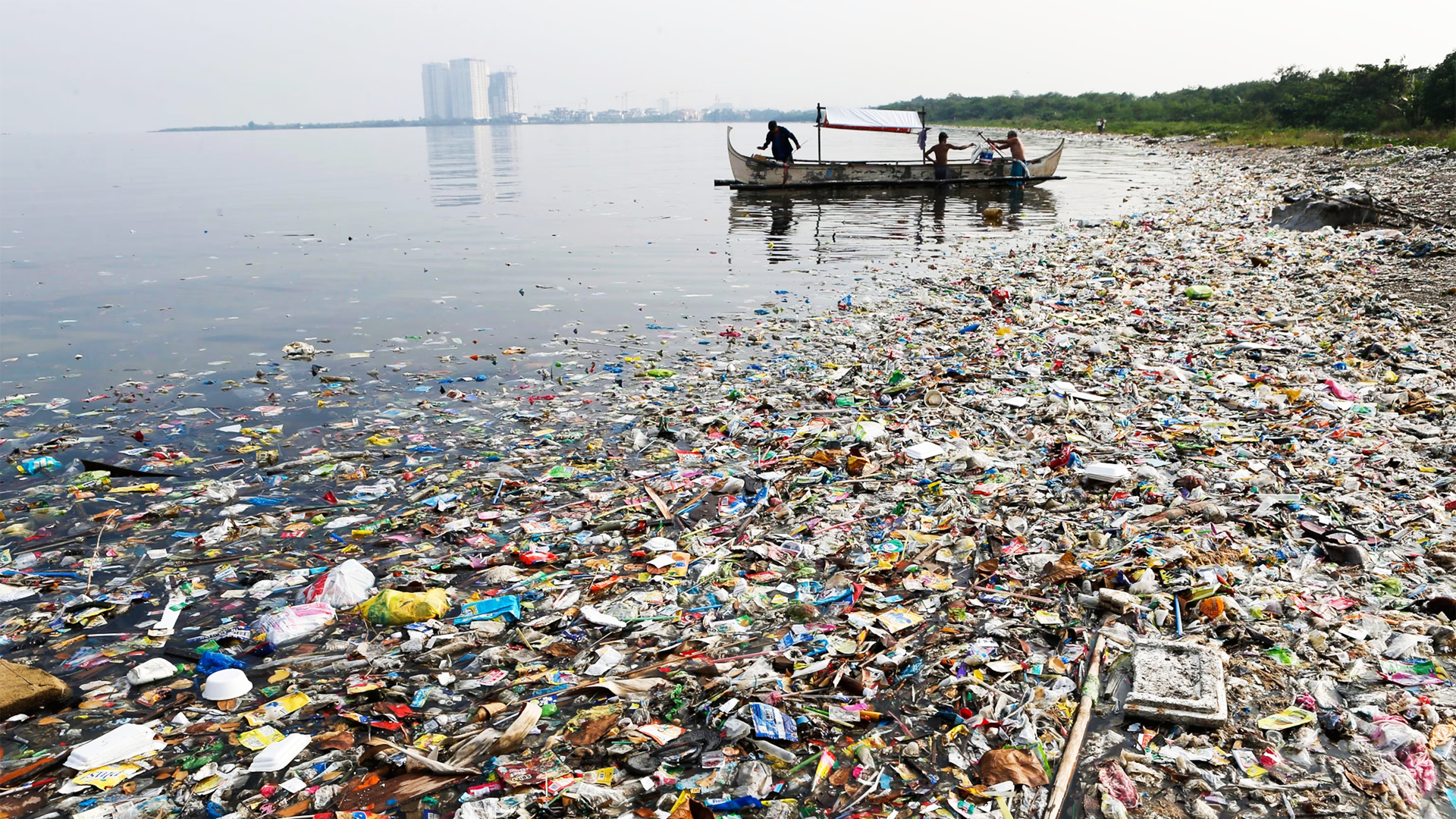
Ocean pollution is one of the most urgent environmental challenges of our time.
What's Happening?
The ocean is one of the most important systems on Earth, providing oxygen, regulating climate, and supporting billions of people through food and livelihoods. Yet beneath its surface lies a growing crisis: pollution. Each year, billions of pounds of waste enter the ocean, disrupting ecosystems and threatening the balance of life in ways that are often invisible yet deeply impactful.
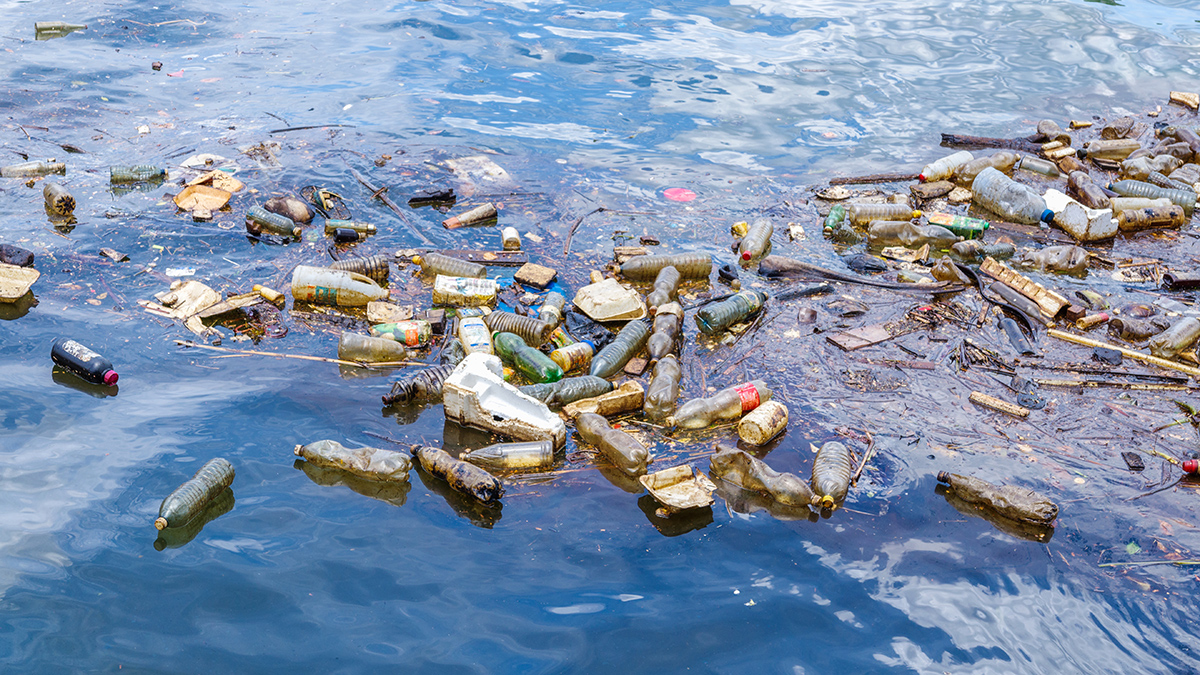
Ocean pollution comes from a wide range of sources, but most of it begins on land. This is known as nonpoint source pollution—pollution that originates from many small, everyday activities rather than a single identifiable source. Rainwater washes chemicals from farms, oil from roads, and waste from cities into rivers and streams, eventually carrying them into the ocean. Even litter dropped far inland can travel through waterways and end up in marine environments. Plastic pollution is one of the most visible and persistent forms of marine debris.
Plastic is widely used because it is durable and inexpensive, but these same qualities make it extremely difficult to break down. Instead of decomposing, plastic fragments into smaller pieces known as microplastics. These particles are now found throughout the ocean—from the surface to the deepest seabeds—and have become embedded in marine ecosystems.
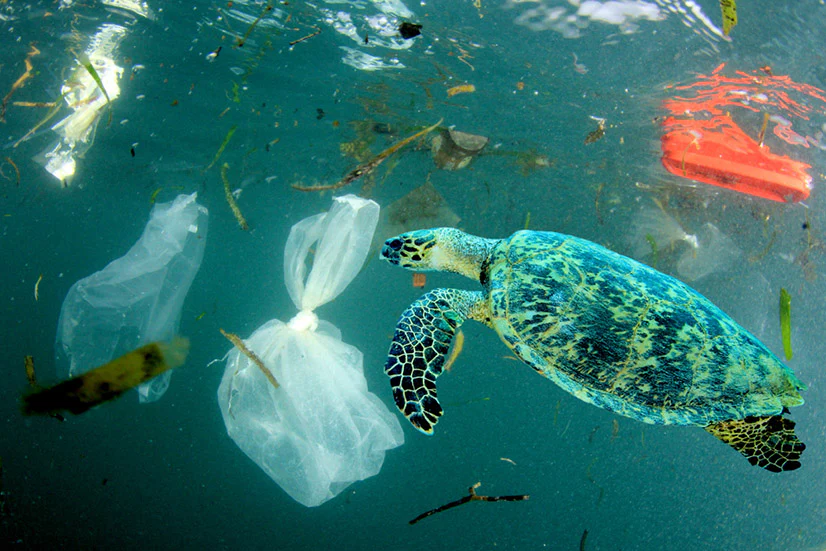
Marine debris has devastating effects on wildlife. Animals often mistake plastic for food or become entangled in discarded fishing gear, plastic rings, and nets. Hundreds of species—including sea turtles, seabirds, and fish—have been documented as being harmed or killed by ocean debris. This not only threatens individual species but disrupts entire food webs and ecosystem stability.
Chemical pollution adds another layer of complexity to the crisis. Nutrient runoff from fertilizers introduces high levels of nitrogen and phosphorus into ocean waters. While these nutrients are essential in small amounts, excess concentrations can trigger harmful algal blooms. These blooms can produce toxins and deplete oxygen levels in the water, creating hypoxic 'dead zones' where marine life cannot survive.
Ocean currents also play a role in concentrating pollution. Large rotating systems called gyres gather floating debris into areas commonly referred to as garbage patches. These are not solid islands of trash but vast regions filled with suspended plastic particles and debris of varying sizes. The Great Pacific Garbage Patch is one of the most well-known examples, containing trillions of pieces of plastic.
Ocean pollution does not remain confined to marine ecosystems—it directly impacts human health and economies. Contaminants such as heavy metals and microplastics accumulate in seafood, posing risks to those who consume it. Additionally, polluted coastlines can harm tourism, fisheries, and local economies that depend on clean water and healthy ecosystems.
The scale of ocean pollution highlights a deeper issue: patterns of consumption and waste. A significant portion of plastic products are designed for single use and discarded quickly, creating a continuous stream of debris. Poor waste management systems and lack of global coordination further exacerbate the problem, allowing pollution to persist and spread across international waters.
Addressing ocean pollution requires solutions at multiple levels. Governments can implement regulations to limit waste and reduce harmful runoff, while international agreements can coordinate efforts across borders. Businesses can redesign products to be reusable, recyclable, or biodegradable, reducing the long-term environmental impact of consumer goods.
Individuals also play a crucial role in shaping outcomes. Reducing single-use plastics, properly disposing of waste, and supporting sustainable practices can collectively make a meaningful difference. Ocean pollution is not an isolated environmental issue—it is a reflection of human choices. By changing those choices, society has the power to protect the ocean and preserve the systems that sustain life on Earth.
Why It Matters
The ocean isn't separate from human life, it is essential to it. It produces oxygen, regulates climate, and provides food for billions of people. When pollution enters the ocean, it disrupts these systems and threatens both environmental and human health. Understanding ocean pollution helps us recognize the consequences of everyday actions and the importance of sustainable choices. Protecting the ocean means protecting the future of life on Earth.
?
What is nonpoint source pollution, and why is it difficult to control?
How do microplastics form, and why are they harmful?
What are dead zones, and how do they affect marine life?
How do ocean currents contribute to garbage patches?
In what ways does ocean pollution impact human health?
Why is plastic such a persistent environmental problem?
What role do governments and businesses play in reducing ocean pollution?
What actions can individuals take to help protect the ocean?
Dig deeper
An exploration of the global plastic pollution crisis and how we can respond.
A look at where ocean plastic goes and why it is difficult to track.
Related
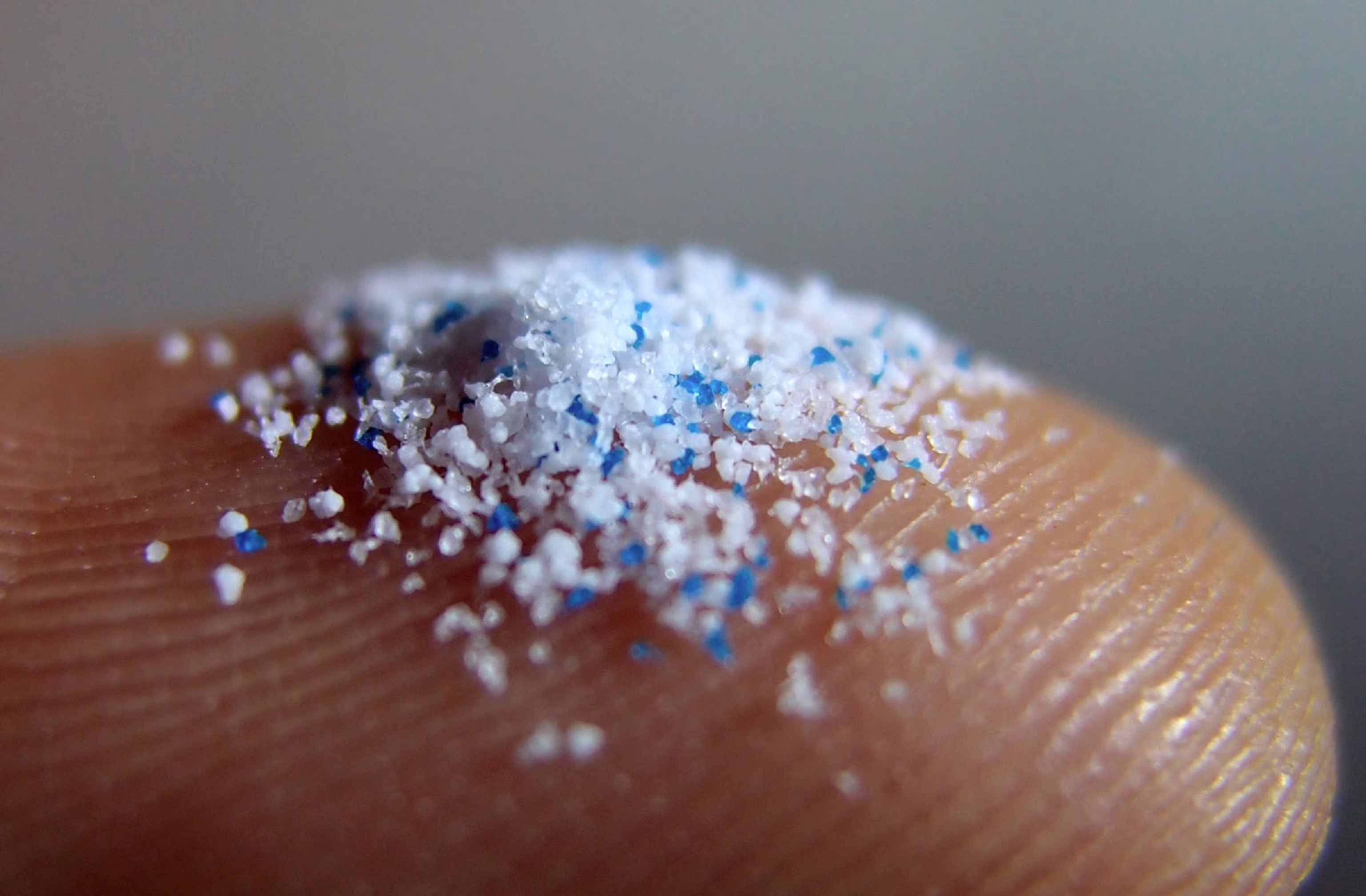
How Microplastics Are Shaping Our Health and Environment
Microplastics are everywhere—from the food we eat to the air we breathe. But what are the hidden costs of these tiny pollutants, and how can we stop them?
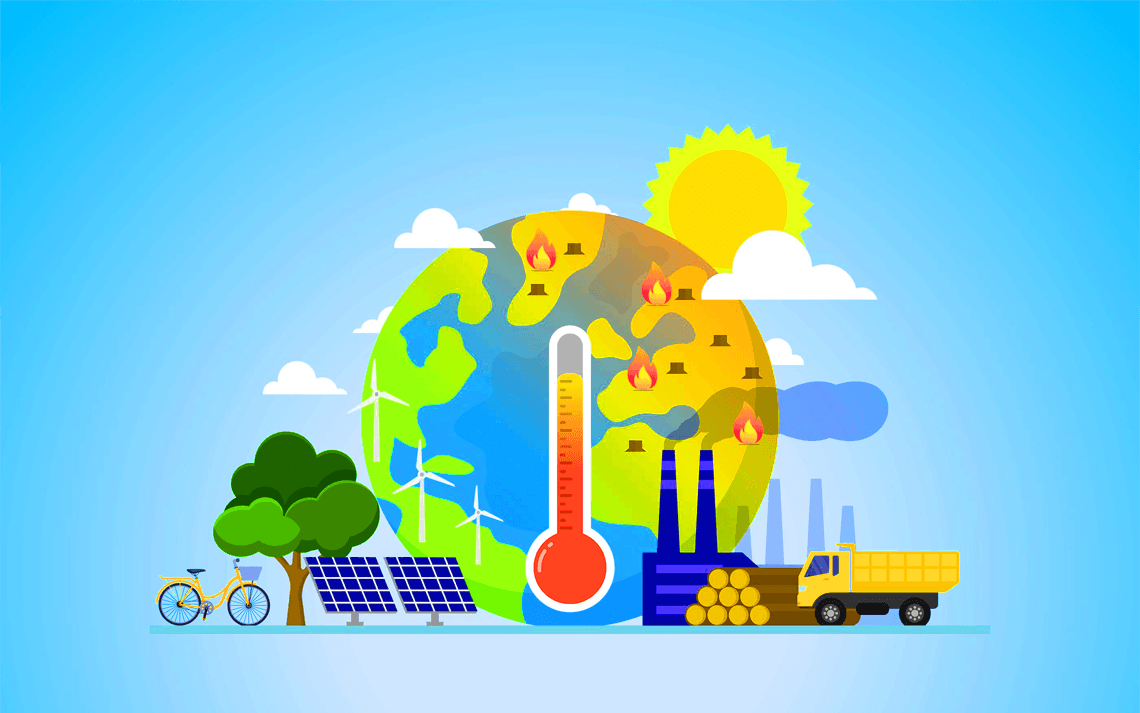
Climate Science: How Our Planet Keeps Its Cool… and Why It’s Getting Hotter
Climate science helps us understand how the planet stays warm, why it's getting warmer, and what we can do about it.
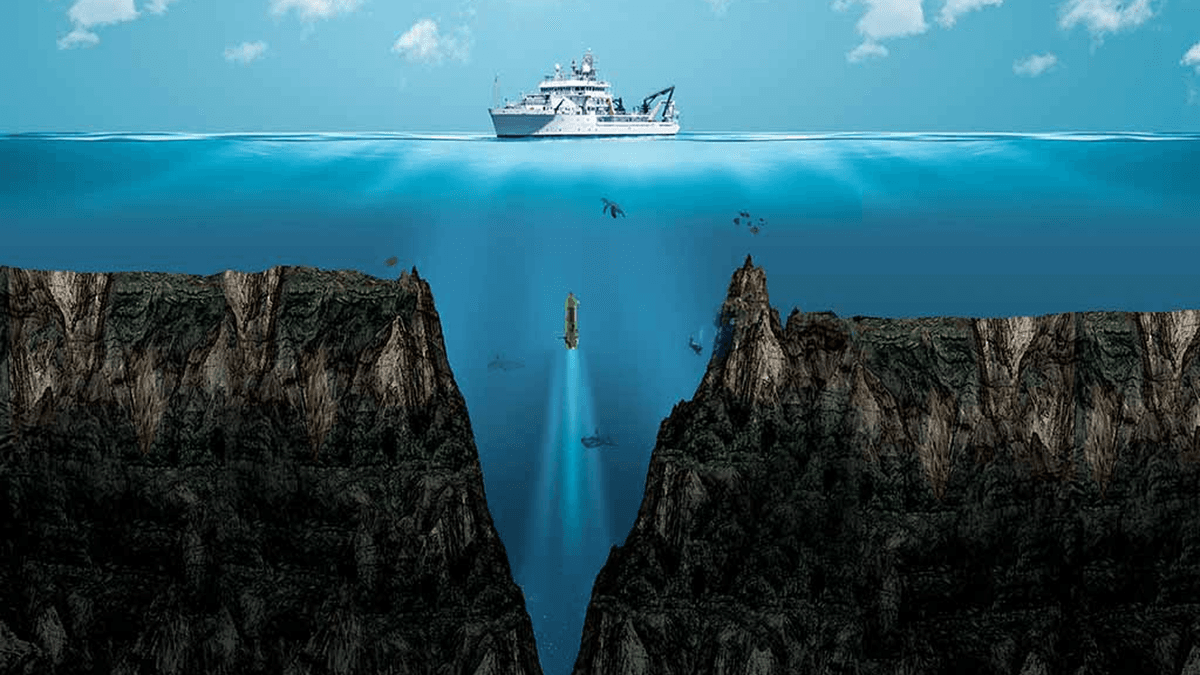
Mariana Trench: Into Earth’s Deepest Classroom
Seven miles down, where sunlight never reaches and pressure can crush steel, life still finds a way. Meet the Mariana Trench—the deepest place on Earth—and the creatures, science, and protections that make it extraordinary.
Further Reading
Stay curious!