

Ancient Rome: From Republic to Empire
The Dive
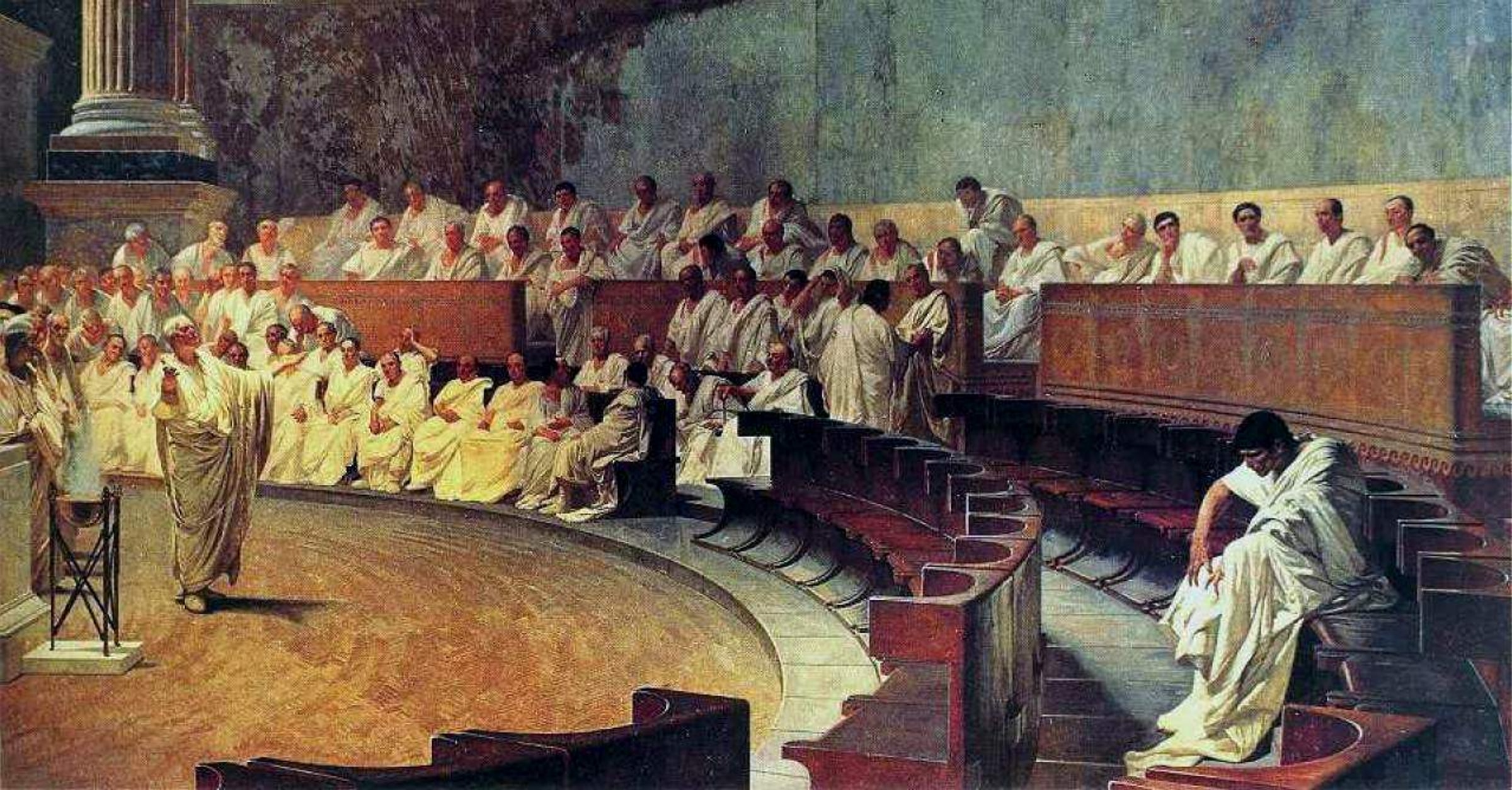
The Roman Republic rested on an important principle: public authority should not belong permanently to one king. According to Roman tradition, the republic began in 509 BCE after the overthrow of Rome’s monarchy. Over the following centuries, Romans developed a government that distributed responsibilities among magistrates, the Senate, and citizen assemblies. This system changed repeatedly and relied heavily on customs and precedents rather than one written constitution. Its institutions could restrain ambitious leaders, but they depended on people respecting those restraints. Rome’s transformation into an empire helps us examine what happens when political power becomes harder to limit.
The historian Polybius described Rome as having a mixed constitution. Its consuls resembled the leadership element of monarchy, its Senate represented elite influence, and its assemblies provided a role for citizens. Rome was therefore neither an Athenian-style direct democracy nor a modern representative democracy. Citizens voted directly in assemblies and elected officials, while an unelected Senate exercised great authority. These elements did not possess equal power or resemble three modern branches of government exactly. The useful question is how they worked together, where their powers overlapped, and who could prevent another official from acting.
Two consuls normally led the republic, and each served a one-year term. They commanded armies, conducted public business, and presided over important meetings. Their command authority was called imperium. Having two consuls made it harder for one person to govern alone, and one consul could block the other’s actions. Short terms also limited how long an individual held an ordinary office. These safeguards were meant to prevent a return to kingship. They worked best when leaders accepted that public authority was temporary and that another officeholder could legitimately challenge them.
The Senate was a council of experienced, usually wealthy men, many of whom had held public office. Senators were not directly elected to Senate seats by the population. In much of the republic, censors revised its membership, and service could last for life unless a senator was removed. The Senate’s decrees were formally advice, but its prestige and influence made them difficult to ignore. It played major roles in finances, foreign affairs, and provincial administration. This meant that influence came from long-standing status and relationships as well as from formal legal powers.
Citizen assemblies elected magistrates, voted on proposed laws, and performed other public functions. The Centuriate Assembly elected senior officials such as consuls and praetors. The Tribal Assembly elected other officials, while the Plebeian Council represented plebeian citizens and elected their tribunes. Voting took place in organized groups rather than through a simple count of every individual vote across the whole population. Some arrangements gave wealthier citizens greater influence. Magistrates controlled which proposals reached a vote. Citizens had a meaningful role, but wealthy leaders and procedural rules shaped how that role could be exercised.
Early Roman political power was concentrated among patrician families, whose inherited status distinguished them from plebeians. Plebeians were a broad group of citizens, not simply the poor; some became wealthy and influential. Through a long struggle over political rights, plebeians gained access to offices and institutions of their own. Tribunes of the plebs could intervene and use veto powers to protect plebeian interests. In 287 BCE, plebeian resolutions became binding on the whole citizen community. These changes widened participation without eliminating the advantages enjoyed by elite families.
Other magistrates performed specialized work. Praetors handled judicial responsibilities and could hold military commands. Quaestors worked on public finances, while aediles supervised matters such as markets, public facilities, and games. Censors conducted the census and reviewed civic status and Senate membership. Not every office had the same term or powers, and rules changed over time. Together, these positions spread administrative tasks among several officeholders. Yet competition for office could be expensive, and family connections mattered. Sharing offices among a political elite did not guarantee equal access to government for all citizens.
Citizenship gave Romans important legal protections and opportunities, but rights depended on status, sex, and historical period. Adult male citizens participated in political assemblies. Roman women could be citizens and possess certain legal rights, but they could not vote or hold the republic’s political offices. Enslaved people lacked freedom and citizenship, while many free people in conquered territories initially remained noncitizens. As citizenship expanded, more people gained access to Roman legal status. In 212 CE, long after the republic ended, Emperor Caracalla extended citizenship to most free inhabitants of the empire. Political membership and equal treatment nevertheless remained different things.
The republic also had an emergency office: the dictator. Traditionally, a consul appointed a dictator for a specific crisis, generally for no more than six months or until the task was completed. The dictator received unusually broad authority, but other republican institutions did not simply disappear. Temporary emergency power was supposed to help the state respond quickly and then return to ordinary government. Its danger lay in the possibility that leaders would stretch the emergency, weaken oversight, or refuse to surrender authority. Later uses of dictatorship broke sharply with the traditional limits.
Conquest brought Rome territory, military prestige, revenue, and enslaved labor. It also created new challenges: governing distant provinces, paying armies, and deciding who benefited from expansion. Some elite families gained enormous wealth, while many poorer citizens faced insecurity and struggles over land. Reform proposals could threaten powerful interests. The deaths of the reformers Tiberius and Gaius Gracchus in political violence showed how disagreement could move beyond debate and lawful competition. Rome’s growing territory did not make civil war inevitable, but it increased pressures that its institutions struggled to manage.
Successful generals gained influence through victories, wealth, and relationships with their soldiers. Soldiers could look to a commander for rewards and help securing land after service. Such ties created opportunities for military loyalty to become political power. Sulla’s march on Rome and later dictatorship demonstrated how armed force could override normal political restraints. A republic depended on commanders accepting civilian limits, yet leading rivals increasingly used exceptional commands, intimidation, and violence. Once one faction broke a rule, another could claim that it needed extraordinary powers to defend itself.
Julius Caesar’s campaigns in Gaul made him wealthy, famous, and the leader of an experienced army. His conflict with Pompey and opponents in the Senate raised the question of whether he would surrender command and face political risks as a private citizen. In 49 BCE, Caesar crossed the Rubicon with his forces, beginning another civil war. He defeated his rivals and accumulated exceptional authority. In 44 BCE, he became dictator for life. This removed the traditional expectation that emergency power would end after a short, defined period and made the republic’s ordinary checks much less effective.
A group of senators assassinated Caesar on March 15, 44 BCE. Some presented the killing as a defense of republican liberty, but removing one leader did not resolve military rivalries, distrust, or disputes over power. Further civil wars followed. Caesar’s adopted heir Octavian first cooperated with Mark Antony and Lepidus, then fought former allies. Octavian defeated Antony and Cleopatra’s forces at Actium in 31 BCE; their deaths followed in 30 BCE. These events show that political violence could destroy a ruler without rebuilding a stable system of shared government.
In 27 BCE, Octavian received the title Augustus, the date conventionally used to mark the beginning of the Roman Empire under an emperor. He presented himself as restoring the republic and used the title princeps, or first citizen. The Senate, consuls, and other offices continued, but Augustus held a combination of powers that gave him decisive authority, including control over most of the army. This early imperial system is called the Principate. Rome already controlled an empire of territories during the republic; the change was that governing power now centered on one ruler.
After years of civil war, peace and predictability made Augustus’s rule appealing to many people. Imperial government could provide continuity, public works, and more dependable administration, while reducing opportunities to challenge the person at the top. The Pax Romana, conventionally dated from 27 BCE to 180 CE, describes a period of relative stability across much of the empire. It was not universal peace: conquest, rebellion, slavery, and violence continued. Evaluating stability requires asking who benefited, who bore its costs, and whether safety depended too heavily on the character and succession of individual rulers.
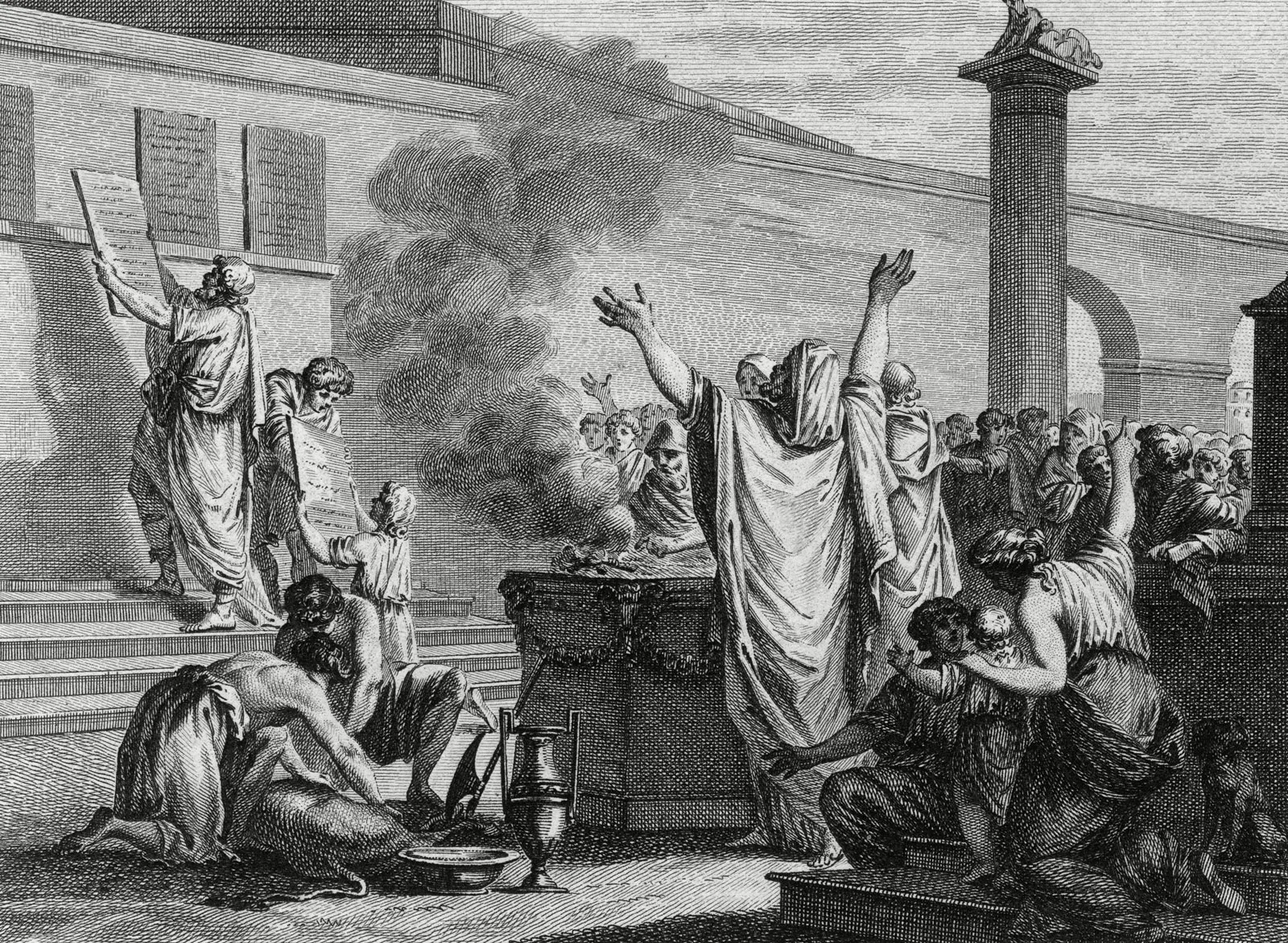
Roman law regulated property, contracts, family relationships, civic status, and public authority. Publicly recorded rules could make legal expectations easier to know, while courts and officials helped administer a large territory. Yet Roman justice was shaped by inequality: citizens and noncitizens, free and enslaved people, and different social ranks did not enjoy identical protection. Centuries later, Emperor Justinian’s government compiled Roman legal materials in the sixth century CE. Known collectively as the Corpus Juris Civilis, this work influenced later legal traditions. Rome’s legal legacy is substantial without being evidence that every person was treated equally.
Roads, bridges, sea routes, and ports connected Rome with its provinces. These networks moved soldiers, officials, messages, supplies, and trade goods. Aqueducts brought water to cities, while concrete, arches, and domes supported major construction projects. Infrastructure could improve daily life and strengthen the authority of the government that built it. The same road that carried merchants could also carry an army sent to suppress resistance. Distance remained a challenge because travel and communication took time, and maintaining routes, water systems, and frontier defenses required money, labor, and cooperation.
Rome’s provinces included many languages, religions, and local traditions. Latin was especially important in administration and the western provinces, while Greek remained widely used in the east. Officials relied on local elites and adapted arrangements to different places rather than making every community identical. Eventually, civil conflict, military pressures, financial problems, and changes in administration strained imperial government. The removal of Romulus Augustulus in 476 CE is a conventional marker for the end of the western empire; the eastern empire continued until 1453. Neither Rome’s rise nor its decline can be explained by a single person or cause.
Rome’s transition asks us to connect pressures with choices. Expansion, inequality, and civil conflict created difficult problems, but leaders still chose whether to respect limits, use violence, or concentrate authority. Citizens and elites could welcome stability while accepting the loss of meaningful checks on a ruler. Institutions might keep their old names even after their real power changed. A strong explanation of the republic’s transformation therefore examines both the rules on paper and the ability to enforce them. What mattered was not simply whether Rome had a Senate, but whether any institution could effectively restrain the most powerful leader.
Why It Matters
Rome shows how a government can preserve familiar offices while changing who truly controls decisions. Shared authority, short terms, and vetoes offered safeguards, but military pressure, inequality, and political violence made those limits harder to enforce. Augustus’s rise also raises a difficult question: why might people accept concentrated power in exchange for stability? Roman law and infrastructure reveal how governments organize daily life and connect distant communities. Studying these developments helps students distinguish formal rules from actual power and build evidence-based explanations of political change.
?
Why did Romans divide authority among several institutions after rejecting kingship?
What did Polybius mean by a mixed constitution?
How did two consuls, one-year terms, and vetoes limit individual power?
How could the Senate exercise great influence even when its decrees were formally advice?
What did citizen assemblies do, and how could voting rules favor wealthy citizens?
How did plebeian tribunes give plebeians protection and a political voice?
How did citizenship differ from having an equal role in government?
Why might a republic create an emergency dictatorship, and what limits made it temporary?
How did territorial expansion create both wealth and new political pressures?
Why could soldiers’ dependence on a commander weaken the republic’s authority?
How did Caesar’s crossing of the Rubicon challenge the limits on military power?
Why did Caesar’s assassination fail to restore stable republican government?
How did Augustus keep republican institutions while concentrating power?
Why might people exhausted by civil war support imperial rule?
Why does relative peace not mean that everyone experienced freedom or safety?
How could Roman law organize society while still treating people unequally?
Choose a province far from Rome. How would roads and sea routes help officials govern it, and what difficulty would distance still create?
How could the same building project improve daily life and strengthen imperial control?
Construct a claim explaining how Rome changed from shared government to imperial rule. Support it with two historical details and explain why stability could make concentrated power appealing.
Dig Deeper
Examine the distinction between Rome’s republican institutions and its imperial power, including the rise of Caesar and Augustus.
Review the major developments of Roman history and the civilization’s political and cultural influence.
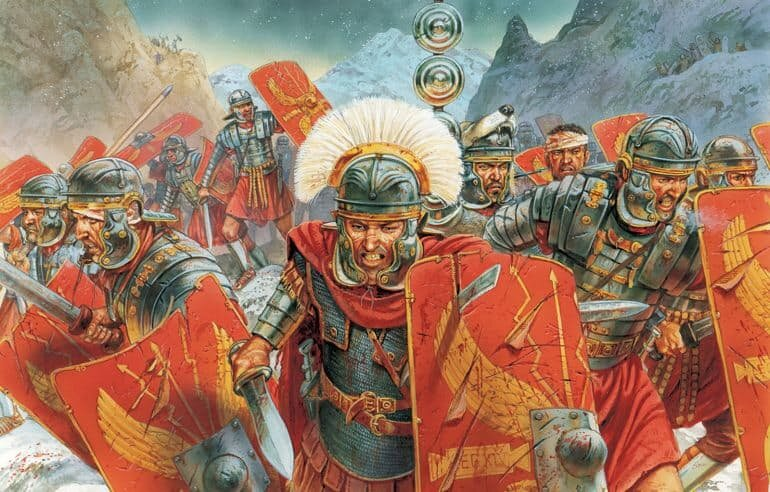
Connect the daily experience of a Roman soldier with military organization, service, and imperial power.
Explore a young person’s life in Rome and connect daily routines with social expectations and civic life.
Related

How a Bill Becomes a Law
From idea to law, every bill takes a long journey through Congress—full of debate, revision, and compromise—before landing on the president’s desk.

Ancient Greece: The Experiment of Democracy
Explore how Athenian democracy worked, who could participate, and how public debate and Greek philosophy challenged ideas about power.

What Is Civics?
Civics is the study of how citizens participate in democracy—and why their participation matters.
Further Reading
Stay curious!