

Civics vs. Ethics
The Dive
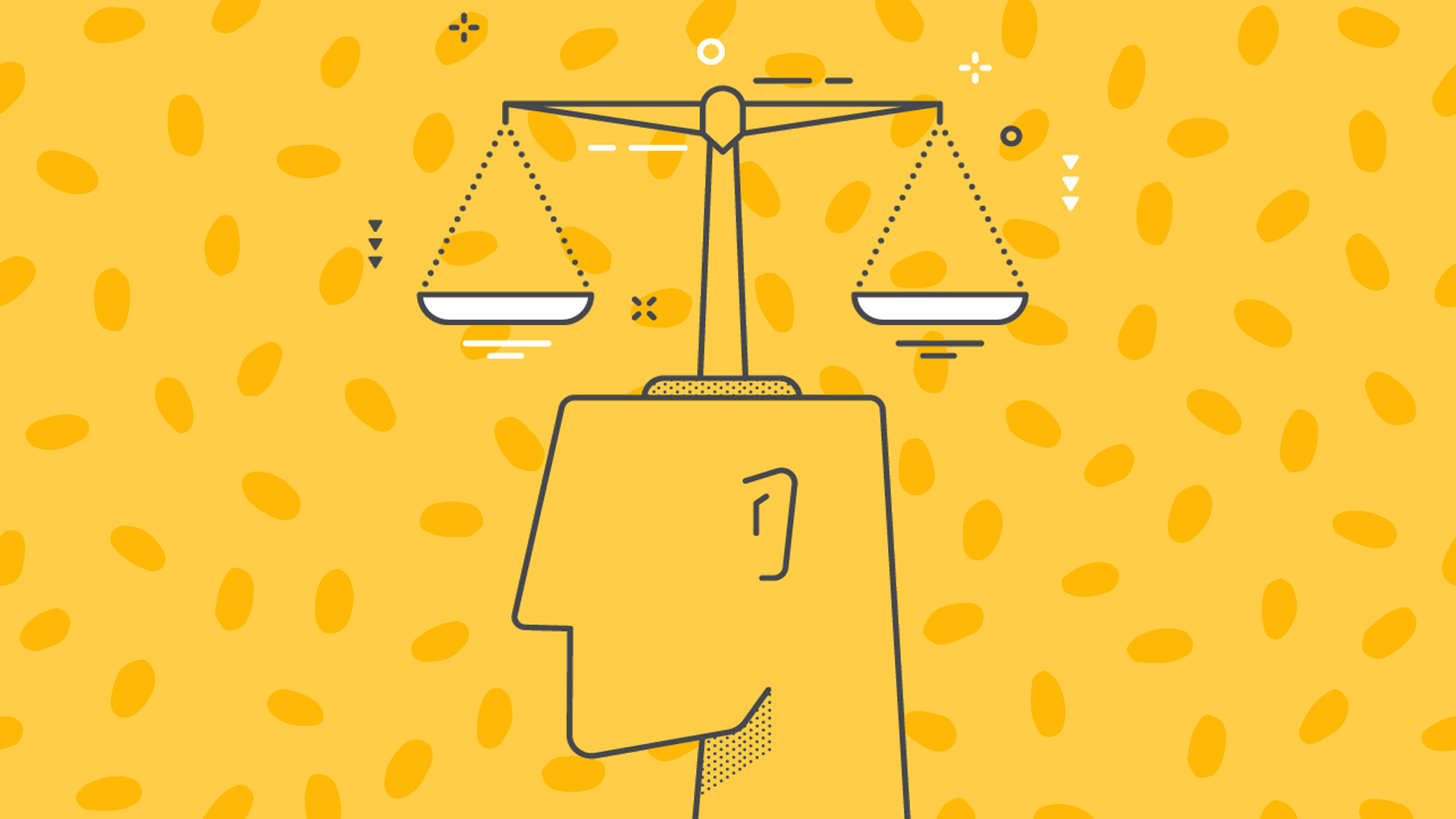
Civics and ethics are often taught together, but they answer different questions. Civics explains how society functions: how governments are structured, how laws are made, and what rights and responsibilities citizens hold. Ethics asks a deeper question about human behavior: how people ought to act, even when the law is silent or unclear. A healthy democracy depends on both systems working together rather than in isolation.
The word civics comes from the idea of civitas, meaning a political community bound by shared rules and collective decision-making. Civic education teaches citizens how democracy works and how they can participate through voting, obeying laws, paying taxes, and engaging in public life. Civics provides structure and order, but it does not explain whether laws are just or whether obedience is always the right choice.
Ethics belongs to philosophy rather than government, but its influence shapes every society. Ethics examines values such as honesty, fairness, justice, responsibility, and dignity. It asks people to justify their actions using reason rather than habit, authority, or fear. While civics can require compliance, ethics evaluates whether compliance is morally acceptable. History shows that legal systems have sometimes protected injustice, making ethical reasoning essential for moral progress.
Morality and ethics are related but not identical. Morality refers to the customs and rules people actually follow, shaped by culture, religion, and tradition. Ethics studies those moral systems and questions whether they are fair or harmful. Civics may enforce moral behavior through law, but ethics challenges people to think critically about the values behind those laws. Without ethics, morality risks becoming conformity without reflection.
The tension between civics and ethics appears clearly in history. Civic education has sometimes empowered citizens to participate in democracy, but it has also been used to promote obedience or political ideology. Ethical education without civic engagement, on the other hand, can become disconnected from real-world decision-making. This balance shows why societies must teach both how systems work and how citizens should evaluate them.
The goal of civic and ethical education is not blind obedience but the development of good citizens. A good citizen is informed, responsible, tolerant, and morally grounded. Laws can demand compliance, but character cannot be legislated. Democracy survives when citizens think critically, respect differences, challenge injustice, and act with integrity even when rules allow harmful behavior.
Civics and ethics intersect most clearly during moments of conflict. Civics provides the tools to participate in democratic processes, while ethics guides how those tools are used. Civics teaches rights; ethics teaches restraint. Civics outlines duties; ethics asks whether those duties serve justice. When laws are unjust or power is abused, ethics reminds citizens that legality does not automatically equal morality.
A society ruled only by law risks becoming rigid and indifferent to human suffering. A society guided only by moral belief risks fragmentation and conflict. Together, civics and ethics create balance. Civics organizes public life, while ethics humanizes it. Democracy depends not just on rules, but on citizens who can evaluate, challenge, and improve those rules.
Understanding the difference between civics and ethics prepares citizens for the responsibilities of democratic life. The future of democracy depends on people who know the rules and also understand when those rules must change. Civics teaches participation. Ethics teaches conscience. Together, they form the foundation of a society that is both lawful and just.
Why It Matters
Understanding the difference between civics and ethics helps citizens navigate a complex democracy. Laws alone cannot guarantee justice, and values alone cannot organize society. When citizens understand both systems, they are better equipped to participate thoughtfully, challenge injustice, and help democracy evolve toward fairness and dignity for all.
?
Can a law be legal but unethical? Can you think of an example?
Why is ethical reasoning important when laws fail to protect people?
How should citizens respond when civics and ethics come into conflict?
What responsibilities come with having rights in a democracy?
How can schools teach civics and ethics together effectively?
Dig Deeper
An introduction to ethical reasoning and how philosophers think about right and wrong.
A clear explanation of how ethical reasoning differs from legal rules and moral customs.
Related
What Is Civics?
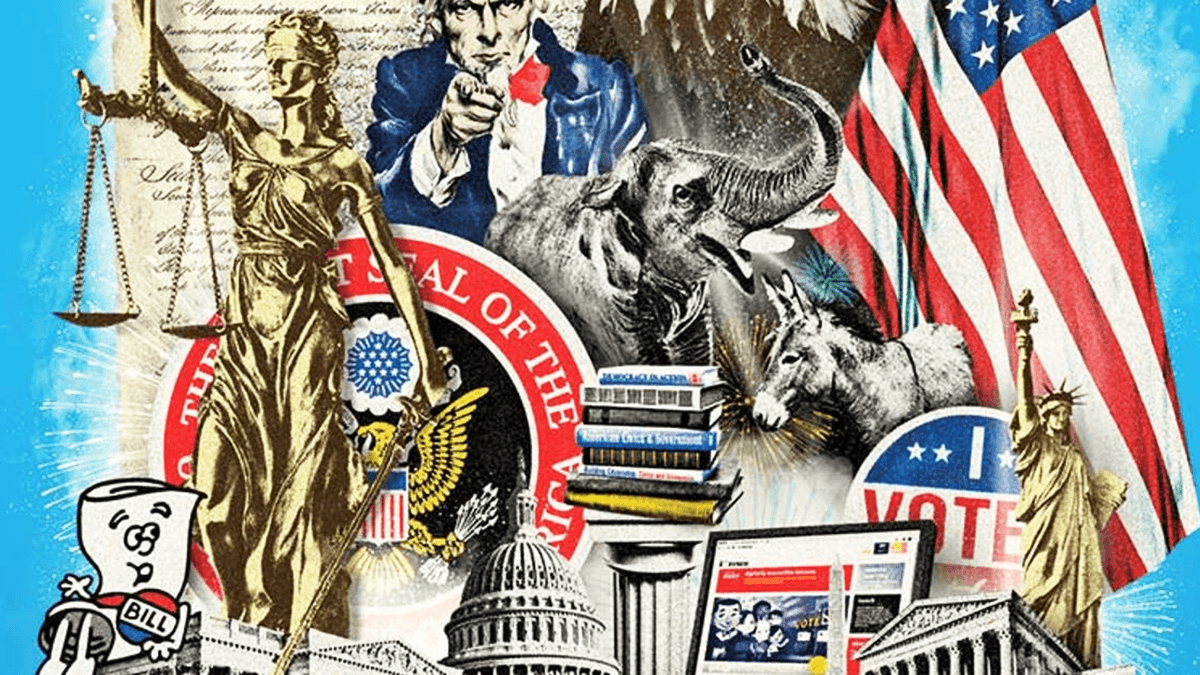
Civics is the study of how citizens participate in democracy—and why their participation matters.
Ethics: Right and Wrong
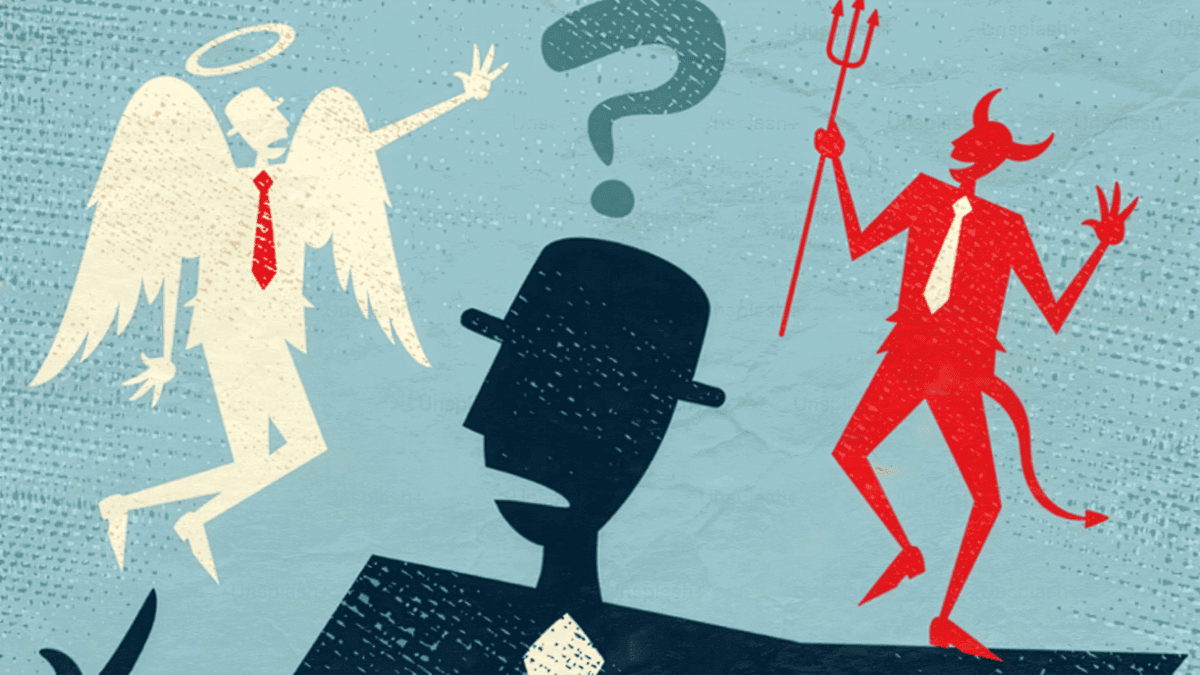
Ethics asks how we ought to live, even when the law is silent or wrong.
Basic Rights and Personal Responsibilities
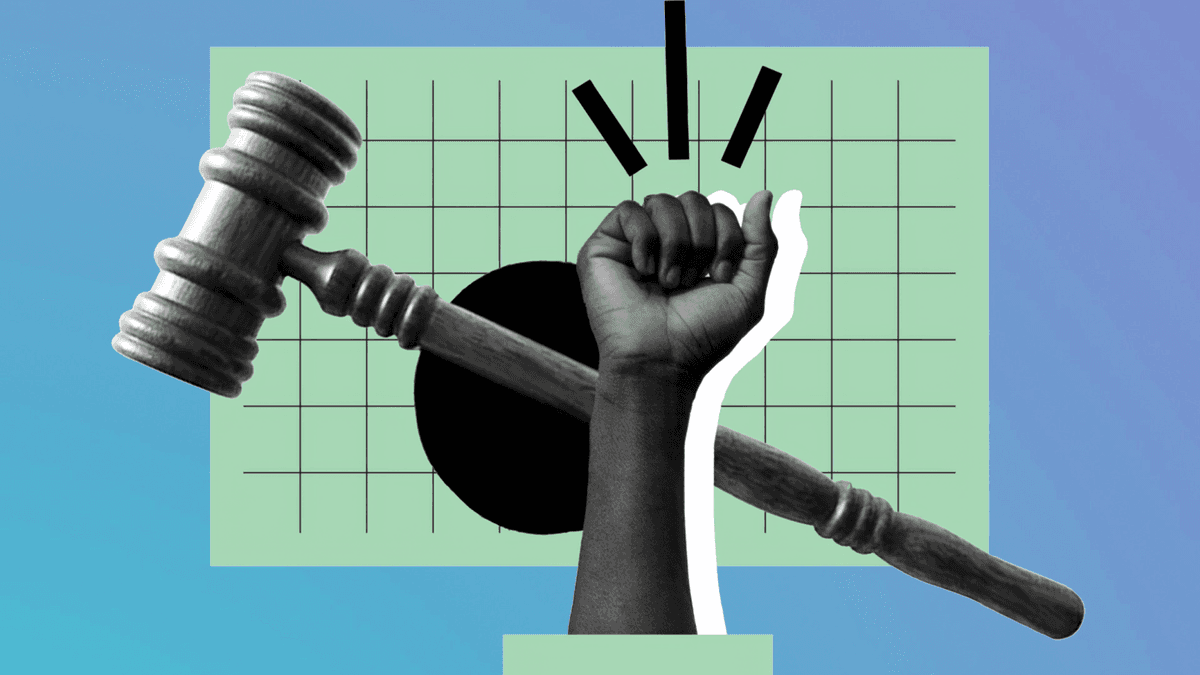
Rights give us freedom. Responsibilities protect those freedoms—for ourselves and for each other.
Further Reading
Stay curious!