

Developments in East Asia, 1200–1450
The Dive
To understand East Asia from 1200 to 1450, you have to start with China, whose political systems and cultural traditions shaped the entire region. The Song Dynasty relied on Confucian principles and a sophisticated imperial bureaucracy staffed by scholar-officials who earned positions through rigorous civil service examinations. This bureaucracy gave China remarkable political continuity: even when territory shrank or emperors changed, the system of educated officials governing through Confucian ideals held the state together. It was a government built on order, hierarchy, and the belief that moral leadership created a stable society.
Confucian traditions extended far beyond government—they shaped everyday life. Filial piety, or the belief that children owe deep respect and obedience to parents and ancestors, reinforced social hierarchies within families and communities. These ideas spread across East Asia through texts, trade, and diplomacy, influencing Korea’s bureaucratic systems, Vietnam’s elite education, and Japanese court culture. Meanwhile, Buddhism—already a major force—continued evolving into multiple schools like Chan (Zen), Pure Land, and Tiantai. These traditions shaped art, philosophy, and ritual life from China to Japan, illustrating how spiritual ideas move across borders and adapt to local cultures.
Song China also experienced one of the most dynamic economic expansions in world history. Innovations such as champa rice, a fast-growing and drought-resistant crop imported from Vietnam, dramatically increased agricultural productivity. With more food came population growth—from roughly 50 million in the eighth century to around 100 million by the twelfth. The expansion of the Grand Canal connected northern and southern markets, allowing grain, tools, books, and luxury goods to move efficiently across the country. As trade networks expanded, Song China became increasingly commercialized while still relying on free peasant and artisanal labor.
Technological and industrial innovations further transformed the economy. Chinese iron production expanded six-fold, fueling military power and everyday tools. Gunpowder, invented centuries earlier, was now used in bombs, mines, and early forms of cannons. Paper money—first issued by merchants and later standardized by the Song government—revolutionized trade and became the world’s first state-backed currency. Developments in printing, including movable type, increased access to books and allowed more people to study for civil service exams. These innovations made Song China one of the world’s wealthiest and most technologically sophisticated societies.
China’s political landscape shifted again when the Mongols conquered the Song and established the Yuan Dynasty in 1279. The Mongols ruled as outsiders, maintaining separate social categories for Mongols and Chinese, but they kept much of China’s bureaucracy intact. Their empire created massive Eurasian trade networks that brought new ideas, goods, and diseases into China. By the mid-1300s, drought, epidemics, and rebellions weakened the Yuan, allowing a Chinese rebel leader, Zhu Yuanzhang (the Hongwu Emperor), to found the Ming Dynasty in 1368. The Ming restored Chinese rule and continued many administrative and economic traditions that had defined earlier dynasties.
China’s influence radiated outward to its neighbors, shaping political structures, religions, and cultural practices throughout East Asia. Korea’s Koryŏ Dynasty adopted Chinese-style bureaucracy, civil service examinations, and Buddhism, though a powerful aristocracy controlled most wealth. Vietnam experienced direct Chinese rule for centuries and incorporated Confucian administration, rice agriculture techniques, and Chinese writing while fiercely protecting its own identity. Japan selectively borrowed from China’s writing systems, Buddhism, and court rituals but maintained political independence, eventually developing a military government system led by shoguns and supported by samurai warriors.
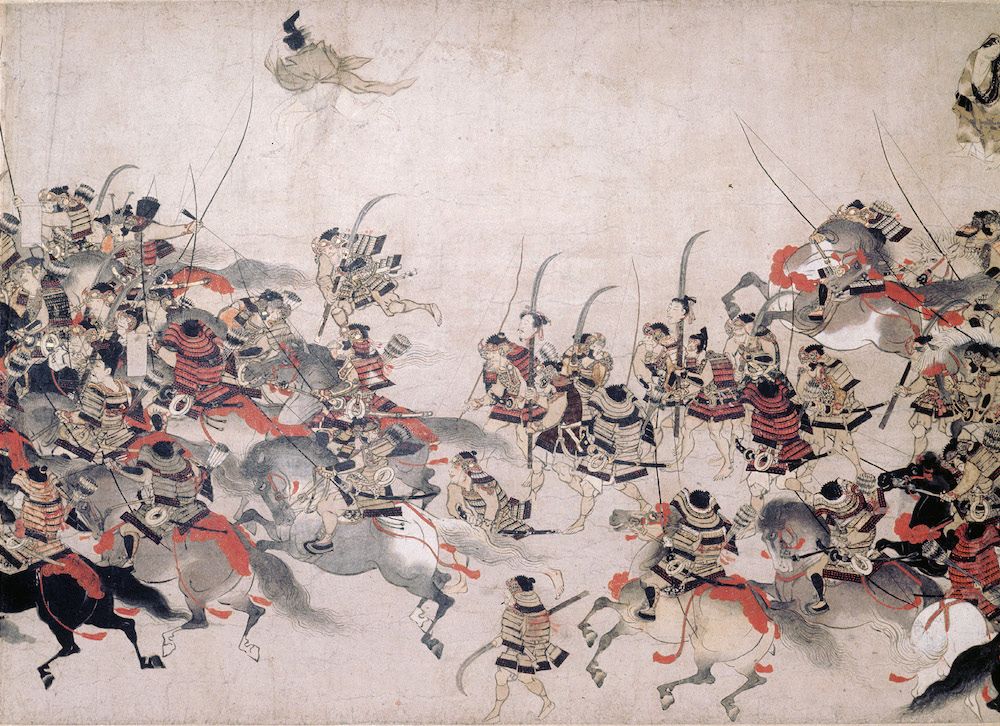
Japan’s political evolution after the Heian period marked a shift from aristocratic court culture to decentralized military rule. While shoguns technically governed in the emperor’s name, real power often rested with regional lords and their samurai. Despite political fragmentation, Japan’s cultural life thrived: Zen Buddhism influenced arts and warrior ethics, while Pure Land Buddhism appealed to ordinary people seeking spiritual comfort. Japan’s successful defense against two Mongol invasions in 1274 and 1281 reinforced the authority of its military leaders and helped solidify a uniquely Japanese political and social system that blended adaptation and independence.
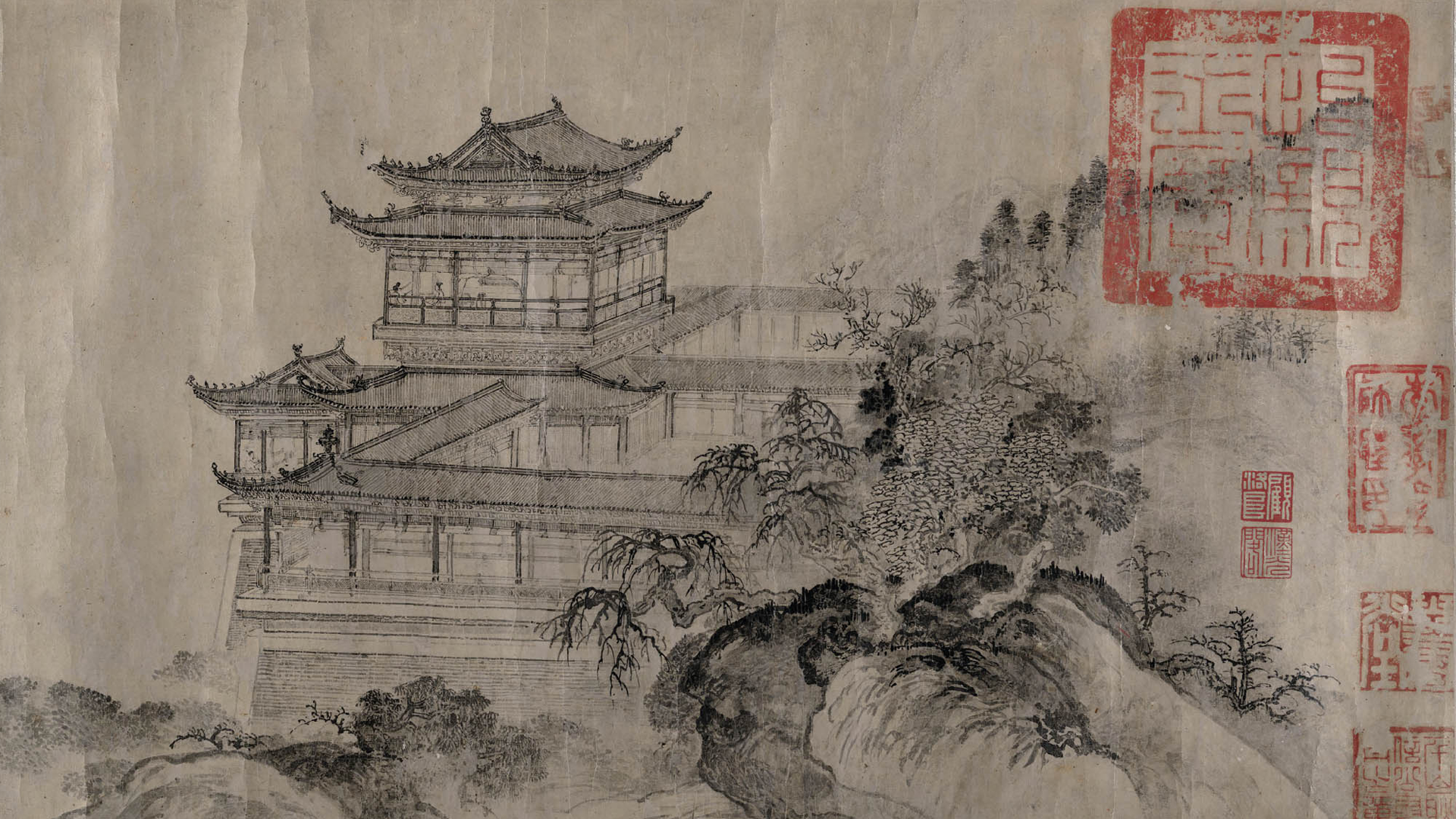
Cities across East Asia flourished during this era, especially in China. Hangzhou, capital of the Southern Song, grew into one of the world’s largest and most cosmopolitan cities, home to markets, theaters, bathhouses, and vibrant religious communities. Its population may have reached a million—an extraordinary number for the time. Urbanization reflected the strength of China’s economy and helped spread Chinese goods, technologies, and cultural ideals throughout East Asia. The rise of these cities shows how economic power drives cultural influence: as China prospered, its neighbors looked to it as a model, even as they preserved their own traditions.
Why It Matters
The developments of East Asia between 1200 and 1450 shaped global history—from government systems and spiritual traditions to technological breakthroughs and international trade. Understanding how China’s political structures, cultural ideas, and innovations influenced its neighbors helps us see how power spreads not only through armies, but through ideas, agriculture, writing, and belief systems. This period shows that societies rise when they invest in education, creativity, and strong institutions—and that cultural exchange can spark new traditions while strengthening old ones.
?
Why was Confucian bureaucracy so durable and influential across dynasties?
How did innovations like champa rice and paper money change daily life for ordinary people?
Why were Korea, Vietnam, and Japan influenced by China but not completely transformed by it?
How did Buddhism adapt differently in China, Korea, and Japan?
What can modern societies learn from the economic and cultural growth of Song China?
Dig Deeper
A clear overview of developments in East Asia from 1200–1450, focusing on Chinese innovation, Confucian governance, and regional influence.
Crash Course (PBS) introduces you to quite a lot of Chinese history by discussing the complicated relationship between the Confucian scholars who wrote Chinese history and the emperors (and empress) who made it.
Related
Magna Carta
On May 12, 1215, a gang of angry English barons forced King John into a corner—and launched a document that would echo across centuries. It wasn’t democracy, but it was a dent in the divine right of kings.
Fascism: Power, Propaganda, and the Fall of Democracy
Fascism emerged from the ruins of World War I and found its foothold in fear, nationalism, and economic despair. It promised unity, but delivered control, conformity, and catastrophe.
The Columbian Exchange: When Worlds Collided
When two previously isolated worlds collided in 1492, the resulting biological, cultural, and economic transformation reshaped every corner of the globe. The Columbian Exchange was not just a swap—it was a world-changing, world-breaking chain reaction.
Further Reading
Stay curious!