

Ethics: Right and Wrong
The Dive
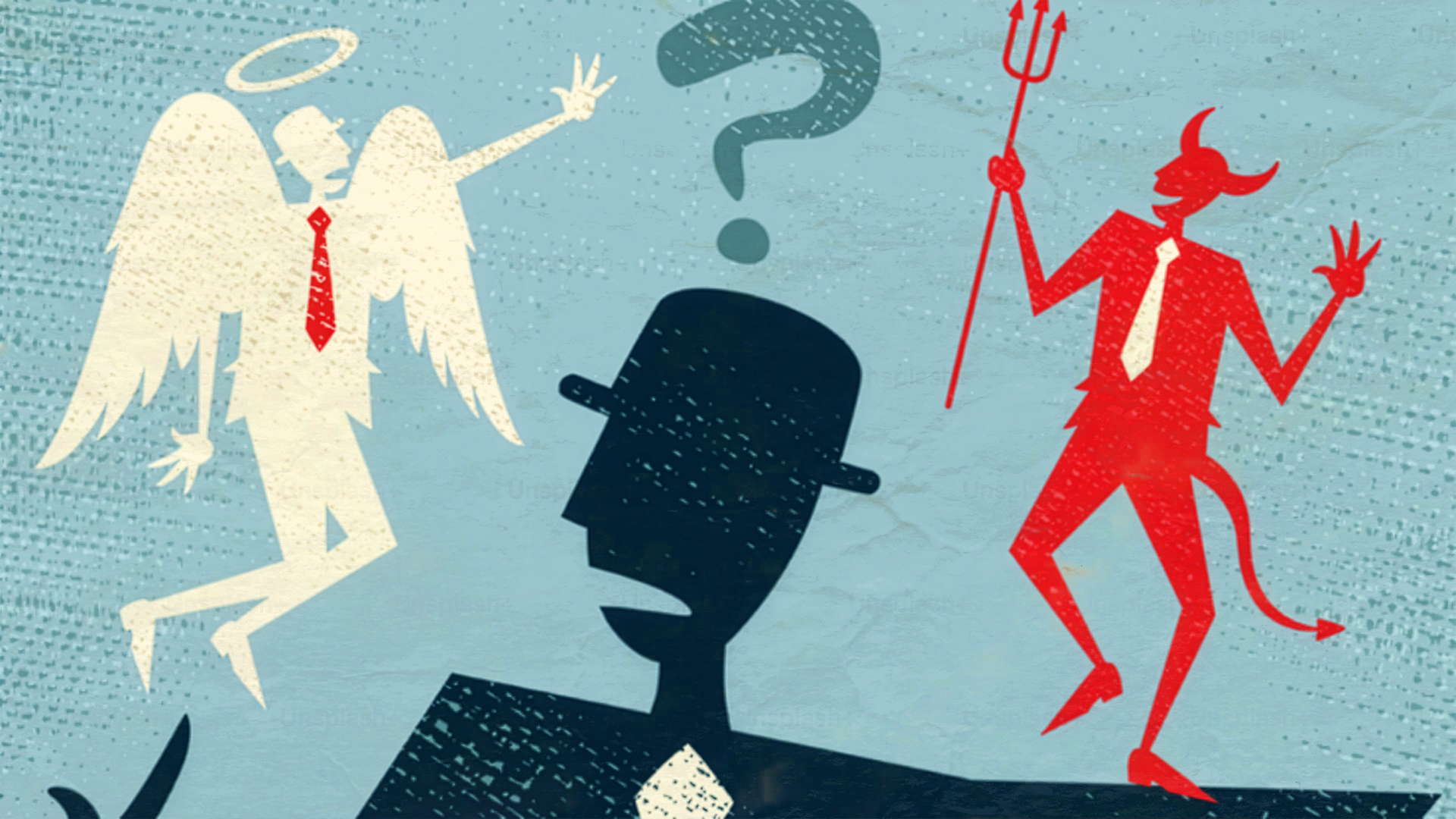
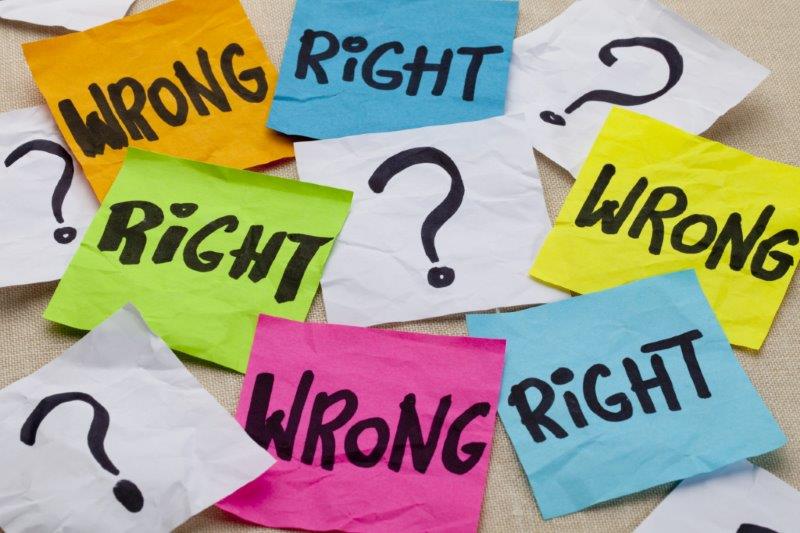
Ethics begins with a question older than any government or legal system: how should human beings live together? Moral principles guide behavior at the personal level, shaping ideas of right and wrong, fairness and harm. Ethics takes these moral instincts and examines them more carefully, offering a structured way to reason through difficult choices. While law tells people what they must do, ethics asks what they ought to do, even when no rule requires it.
Morality and ethics are closely related but not identical. Morality refers to the beliefs and practices people actually hold, shaped by culture, religion, tradition, and personal experience. Ethics is the systematic reflection on those moral beliefs. It evaluates whether moral norms are justified, fair, or harmful. Because moral views vary across individuals and societies, ethics provides a shared framework for reasoning about right and wrong beyond personal opinion.
Law and ethics often overlap, but they serve different purposes. Law is a formal system of rules enforced by political authority to maintain order. Ethics is grounded in values and reasoning rather than punishment. A law can be legal but unethical, and ethical behavior can exist even when laws are absent or unjust. History repeatedly shows moments when moral progress depended on ethical reasoning challenging existing laws, rather than obeying them.
Ancient civilizations laid the foundations of ethical thought long before modern legal systems. Early texts such as the Epic of Gilgamesh, the Iliad, and ancient Egyptian and Sumerian writings emphasized values like justice, honor, compassion, and care for the vulnerable. These traditions introduced early versions of moral reciprocity, later expressed as the Golden Rule: treating others as one wishes to be treated.
In ancient Greece, philosophers began developing ethics through reason rather than mythology. Socrates argued that moral truth could be discovered through questioning and critical thinking. Plato and Aristotle expanded this work, with Aristotle emphasizing virtue ethics, the idea that ethical living requires developing habits such as courage, justice, temperance, and wisdom. For Aristotle, ethics aimed at eudaimonia, or human flourishing, achieved through virtuous action rather than pleasure alone.
Ethical traditions also developed independently across South Asia. In Indian philosophy, concepts such as dharma, karma, and nonviolence provided structured moral guidance. Hindu epics like the Ramayana and Mahabharata emphasized duty and moral responsibility. Jainism, through Mahavira, taught radical nonviolence toward all living beings. Buddhism, through the Eightfold Path, offered ethical guidance rooted in compassion, mindfulness, and right action. These systems treated ethics as essential to both personal character and social harmony.
Modern ethical philosophy introduced new ways of judging moral behavior. Immanuel Kant argued that ethical actions must be guided by duty and universal principles, not consequences or personal gain. In contrast, utilitarian thinkers like Jeremy Bentham and John Stuart Mill argued that actions should be judged by their outcomes, specifically whether they promote the greatest happiness for the greatest number. These debates continue to shape ethical decision-making today.
Ethics is commonly divided into several branches that help organize moral reasoning. Descriptive ethics studies how people actually behave and what moral beliefs they hold. Normative ethics asks how people should behave and what principles define right action. Meta-ethics examines the meaning and foundations of moral concepts themselves. Applied ethics addresses moral questions in specific fields such as medicine, business, technology, and environmental policy. Together, these branches make ethics both theoretical and practical.
Ethics remains essential because modern societies face complex moral challenges that laws alone cannot resolve. Advances in technology, medicine, and global communication create situations where moral consequences are unclear or contested. Ethical frameworks help individuals, professionals, and institutions navigate these dilemmas responsibly. A society grounded in ethical reasoning promotes dignity, fairness, accountability, and respect, strengthening both personal character and collective trust.
Why It Matters
Ethics helps societies decide not just what is legal, but what is just. Laws can maintain order, but ethics gives people the tools to question injustice, act responsibly, and protect human dignity. Understanding ethics prepares citizens to make thoughtful choices in personal life, professional settings, and democratic participation, especially when rules fall short of moral responsibility.
?
Dig Deeper
An introduction to how philosophers analyze the meaning and foundations of moral claims.
A discussion of moral ambiguity and how ethical judgments change over time.
An exploration of how technological change reshapes ethical norms.
Related
Civics vs. Ethics
Civics explains the rules of society. Ethics asks whether those rules are right.
Everyday Ethics: How We Decide What’s Right
Ethics isn’t just for philosophers—it shows up in everyday choices. Learn how to think through right and wrong using real-world frameworks.
Fair Decisions and Resolving Conflict
Fairness is not just about rules. It is about trust, dignity, and how societies resolve disagreement without losing one another.
Further Reading
Stay curious!