

Everyday Ethics: How We Decide What’s Right
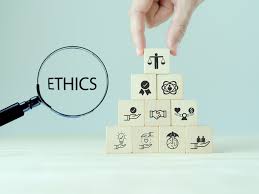
Person thinking through a difficult decision representing ethics and moral reasoning
The Dive
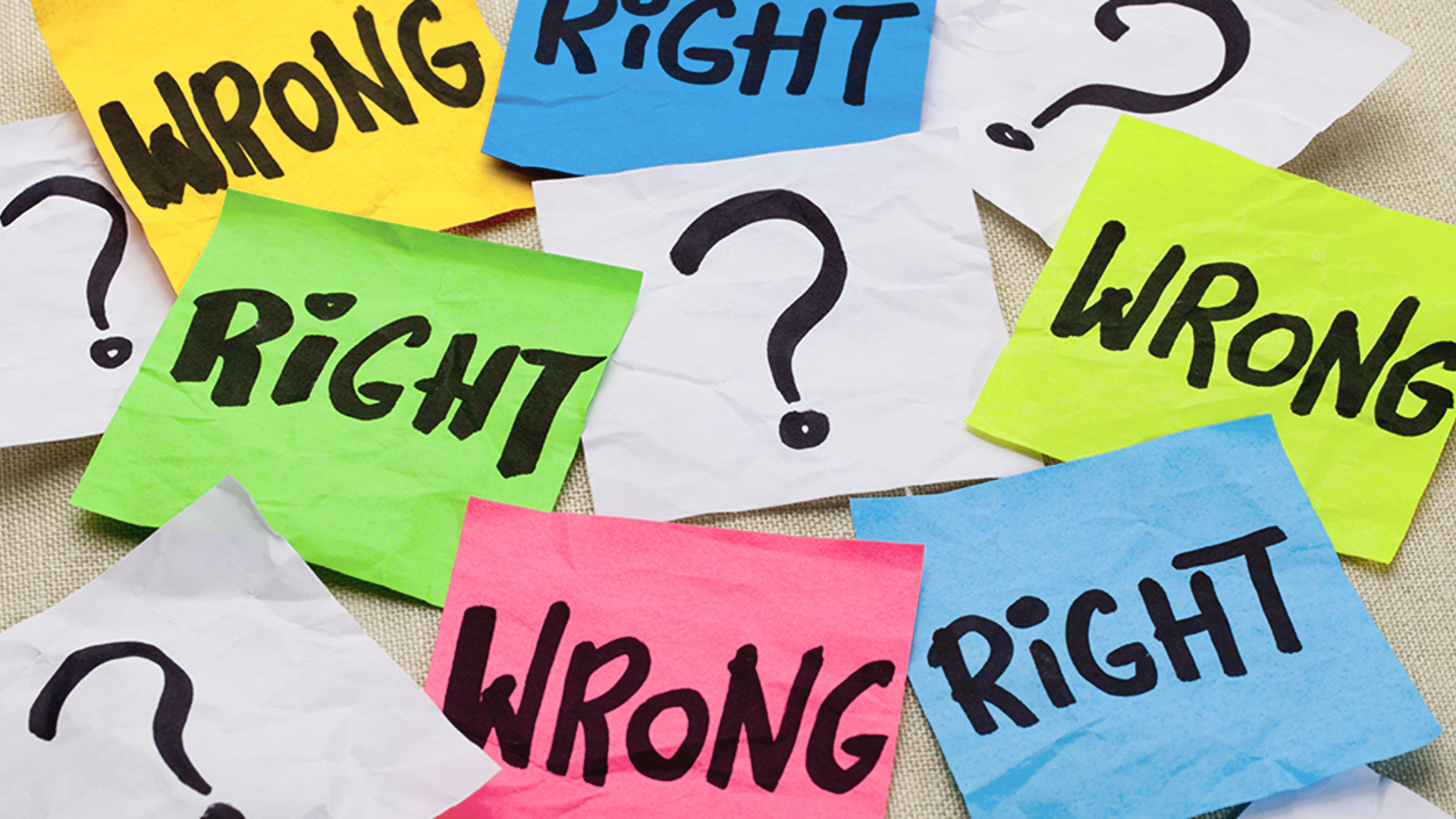
Ethics is not something reserved for major world events or philosophical debates—it is part of everyday life. Every choice we make, from how we treat others to how we respond to difficult situations, involves questions of right and wrong. Ethics helps guide these decisions, shaping both individual character and the overall health of society.
At its core, ethics is about determining what is just, fair, and responsible. However, it is often misunderstood. Ethics is not simply based on feelings, because emotions can be inconsistent. It is not identical to laws, because history shows that legal systems can still permit injustice. Instead, ethics requires careful reasoning, reflection, and awareness of how actions impact others.
One of the most important ideas in ethical thinking is that human relationships matter. Ethical behavior asks us to consider how we treat others—with dignity, fairness, and respect. This focus on relationships means that ethics is not just about rules, but about responsibility, empathy, and the kind of person we choose to be in our daily lives.
To better understand complex decisions, ethicists use different perspectives called ethical lenses. The rights lens focuses on protecting individual freedoms and dignity, asking whether a decision respects people’s basic rights. The justice lens emphasizes fairness, ensuring that benefits and burdens are distributed equally and that past harms are addressed. The virtue lens looks inward, asking whether a decision reflects strong character traits like honesty, courage, and integrity.
These lenses are powerful because they show that ethical decisions are rarely simple. A single situation may involve competing values, such as fairness versus compassion or honesty versus safety. By examining a problem through multiple lenses, individuals can better understand the complexity of the situation and make more thoughtful choices.
Ethical decision-making also benefits from a structured process. A common framework includes identifying the issue, gathering relevant facts, evaluating options using ethical lenses, choosing an action, and then reflecting on the outcome. This approach helps separate emotional reactions from thoughtful reasoning, allowing individuals to consider consequences, biases, and alternative solutions.
In many situations, communication plays a critical role in solving ethical problems. Effective conversations require clarity, conciseness, curiosity, and compassion. Listening carefully to others and understanding different perspectives can lead to solutions that respect everyone involved. Ethical decision-making is often not about winning an argument, but about finding a responsible and fair path forward.
Another important concept is situational ethics—the idea that context matters. While general principles like honesty are important, there may be situations where competing values require careful judgment. For example, telling the truth is usually ethical, but in certain circumstances, such as protecting someone from harm, the situation may call for a different response.
Ethical behavior is closely tied to values and virtues such as honesty, accountability, compassion, and fairness. These values act as a moral compass, guiding decisions even when rules are unclear. Developing these traits requires practice over time, just like learning any other skill. Ethical thinking grows stronger through reflection, experience, and a willingness to learn from mistakes.
Ultimately, everyday ethics is about awareness and responsibility. It asks individuals to think critically, act thoughtfully, and consider the impact of their choices on others. A strong society depends on people who are willing to do what is right—even when it is difficult—because ethical decisions, made consistently over time, shape the kind of world we all live in.
Why It Matters
Understanding ethics helps individuals make better decisions, build stronger relationships, and contribute to a more just and fair society. In a complex world, ethical thinking allows people to navigate challenges responsibly, consider the impact of their actions, and act with integrity even when faced with difficult choices.
?
Dig Deeper
Explore the classic trolley problem and how people make difficult ethical choices.
A thought experiment about decision-making under pressure.
Examine how we assign value in difficult moral situations.
Explore when honesty conflicts with other ethical values.
A real-world scenario highlighting ethical decision-making in business.
Related
Civics vs. Ethics
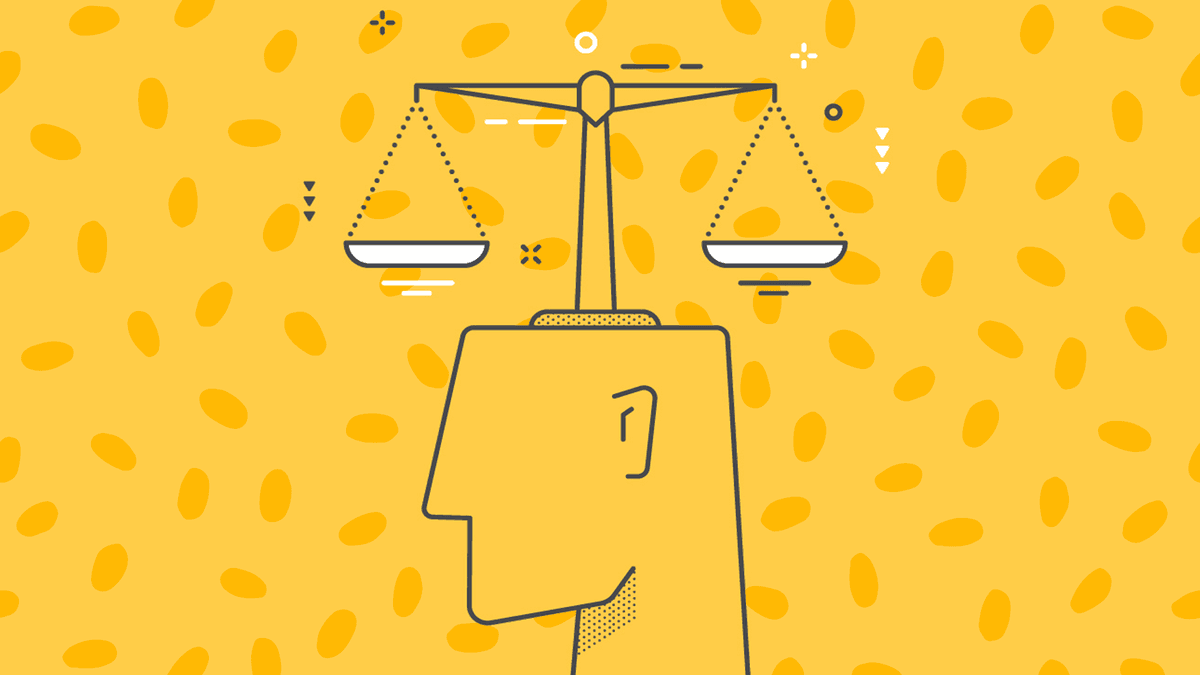
Civics explains the rules of society. Ethics asks whether those rules are right.
Ethics: Right and Wrong
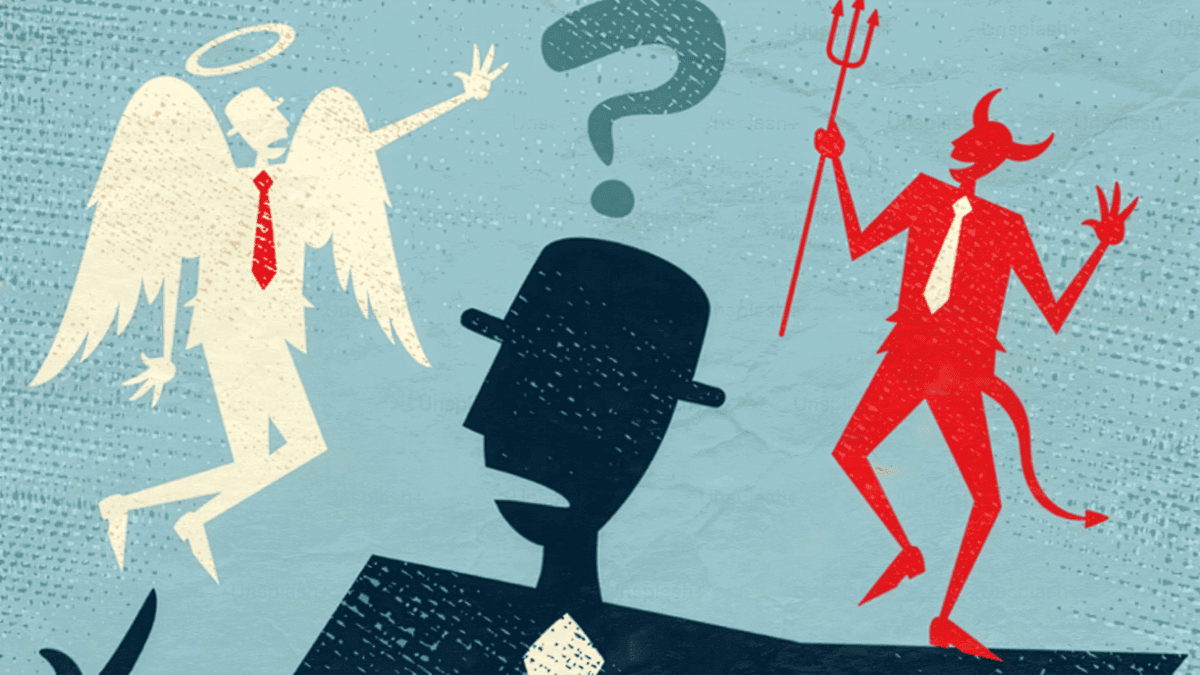
Ethics asks how we ought to live, even when the law is silent or wrong.
Rules vs. Laws: What’s the Difference?
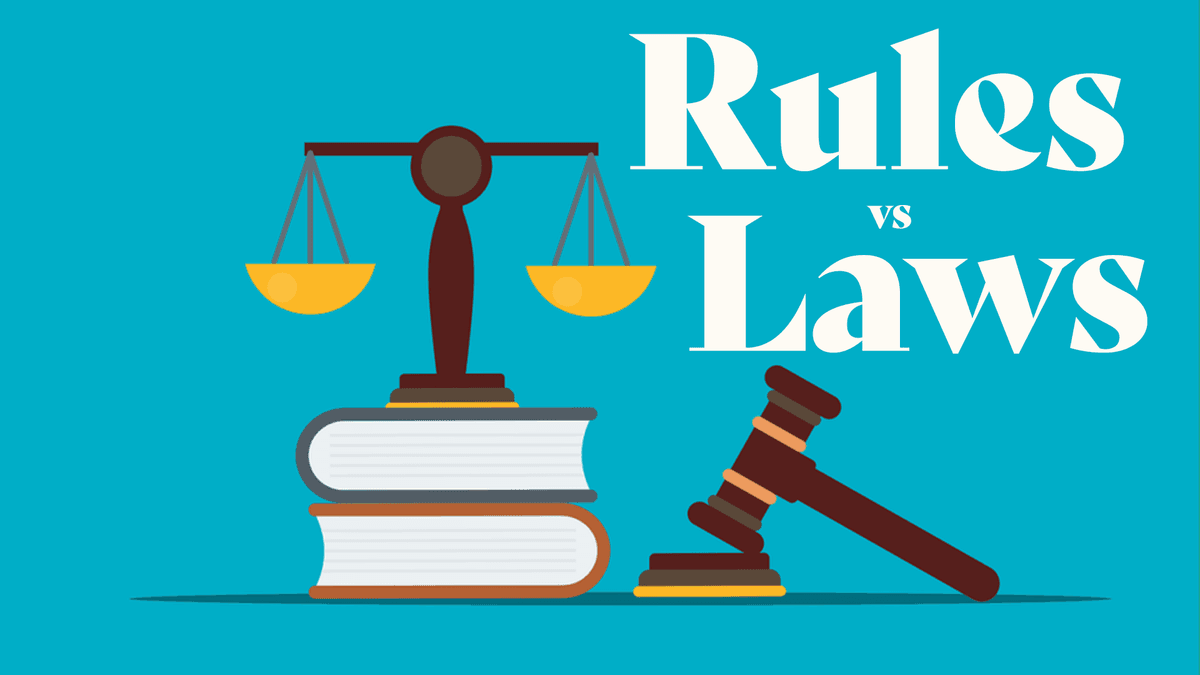
Rules guide small groups like families or schools, while laws apply to entire societies—both help keep communities safe and fair.
Further Reading
Stay curious!