

How a Bill Becomes a Law
Explore the legislative process of the United States.
The Dive
Every law in America begins with an idea. That idea might come from a citizen, a group of students, a community organization, or even a member of Congress. When a senator or representative agrees to sponsor it, the idea becomes a bill (a written proposal for a new law or a change to an old one). From there, it enters the arena of the U.S. Congress.
Congress is divided into two chambers: the House of Representatives and the Senate. Every bill must pass through both before it can become law. In the House, bills are introduced with the prefix H.R., and in the Senate, with the prefix S. Once introduced, a bill is sent to a committee that specializes in its topic, such as education, health, defense, or the environment, where the real work begins.
Committees act like expert classrooms for legislation. Members research, hold hearings, listen to witnesses, and debate what the bill might do. If the committee likes what it sees, it sends the bill forward for more debate and amendment. If not, the bill is ‘tabled’, meaning it quietly disappears, sometimes forever. It’s one reason why so few bills ever become laws: most never make it past this step.
If a bill does survive committee, it goes to the full chamber for a vote. Members can argue for or against it, suggest changes, and finally decide whether to approve it. If a majority says yes, the bill moves to the other chamber where the entire process starts over again. The Senate and House may pass slightly different versions, so a special group called a conference committee works out the differences until both sides agree.
Once both chambers approve the same version, the bill heads to the president. The president can sign it into law, veto it (which sends it back to Congress), or ignore it. If ignored for ten days while Congress is in session, the bill automatically becomes law. But if Congress adjourns before those ten days are up, the bill dies through a special kind of veto called a pocket veto.
Congress does have one last check on presidential power. If the president vetoes a bill, Congress can override that decision with a two-thirds majority vote in both the House and the Senate, a rare but powerful reminder that no single branch controls the process.
The journey from idea to law shows how democracy is built on conversation and compromise. Laws aren’t just written; they’re shaped, tested, and often rewritten by hundreds of voices—citizens, lawmakers, experts, and advocates—each trying to balance fairness, freedom, and the common good.
Understanding how laws are made helps citizens see that government isn’t a distant machine, it’s a living process that depends on participation. Voting, contacting representatives, proposing ideas, and following bills on Congress.gov are all ways that ordinary people influence change.
Why It Matters
Every law begins as an idea, but behind every idea is a person, a community, and a belief about how life should be better. Understanding how a bill becomes a law isn’t just about memorizing steps in Congress; it’s about understanding how power, responsibility, and cooperation shape the country we live in. Laws decide how we learn, what we eat, where we can go, and how we protect one another. They can expand freedom or limit it. They can create fairness or expose inequality. When you know how laws are made, you understand how to change them, and that’s the heart of democracy. It reminds us that the government isn’t something that happens to us; it’s something that happens through us. Every citizen, no matter their age, has a voice that can help build a more just and thoughtful society.
?
Why do you think so many bills never make it past committee?
What’s the purpose of having two chambers—House and Senate—in the lawmaking process?
Why might the president choose to veto a bill instead of signing it?
How does the process of making laws protect against unfair or rushed decisions?
Can you think of an issue you care about that could inspire a new bill?
Dig Deeper
A classic animated song explaining the journey of a bill through Congress.
A fast-paced breakdown of the legislative process and why compromise is essential to democracy.
Related
What Is Civics?
Civics is the study of how citizens participate in democracy—and why their participation matters.
Fair Decisions and Resolving Conflict
Fairness is not just about rules. It is about trust, dignity, and how societies resolve disagreement without losing one another.
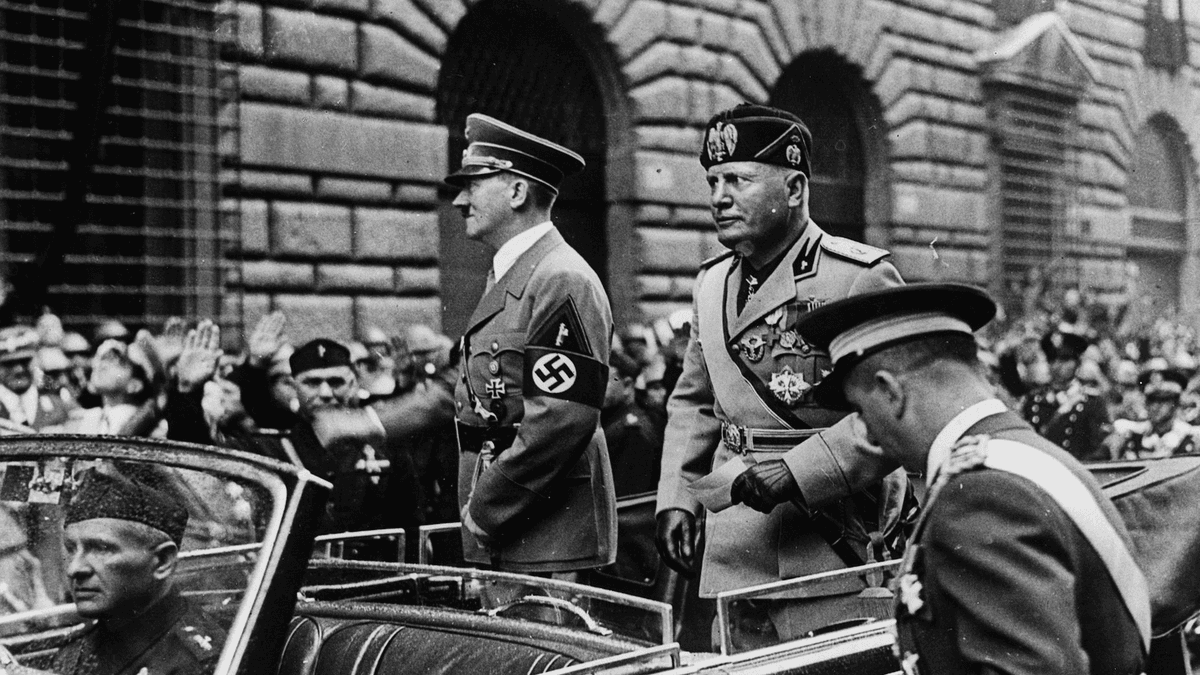
Fascism: Power, Propaganda, and the Fall of Democracy
Fascism emerged from the ruins of World War I and found its foothold in fear, nationalism, and economic despair. It promised unity, but delivered control, conformity, and catastrophe.
Further Reading

Stay curious!