

How to Spot Misinformation
The Dive
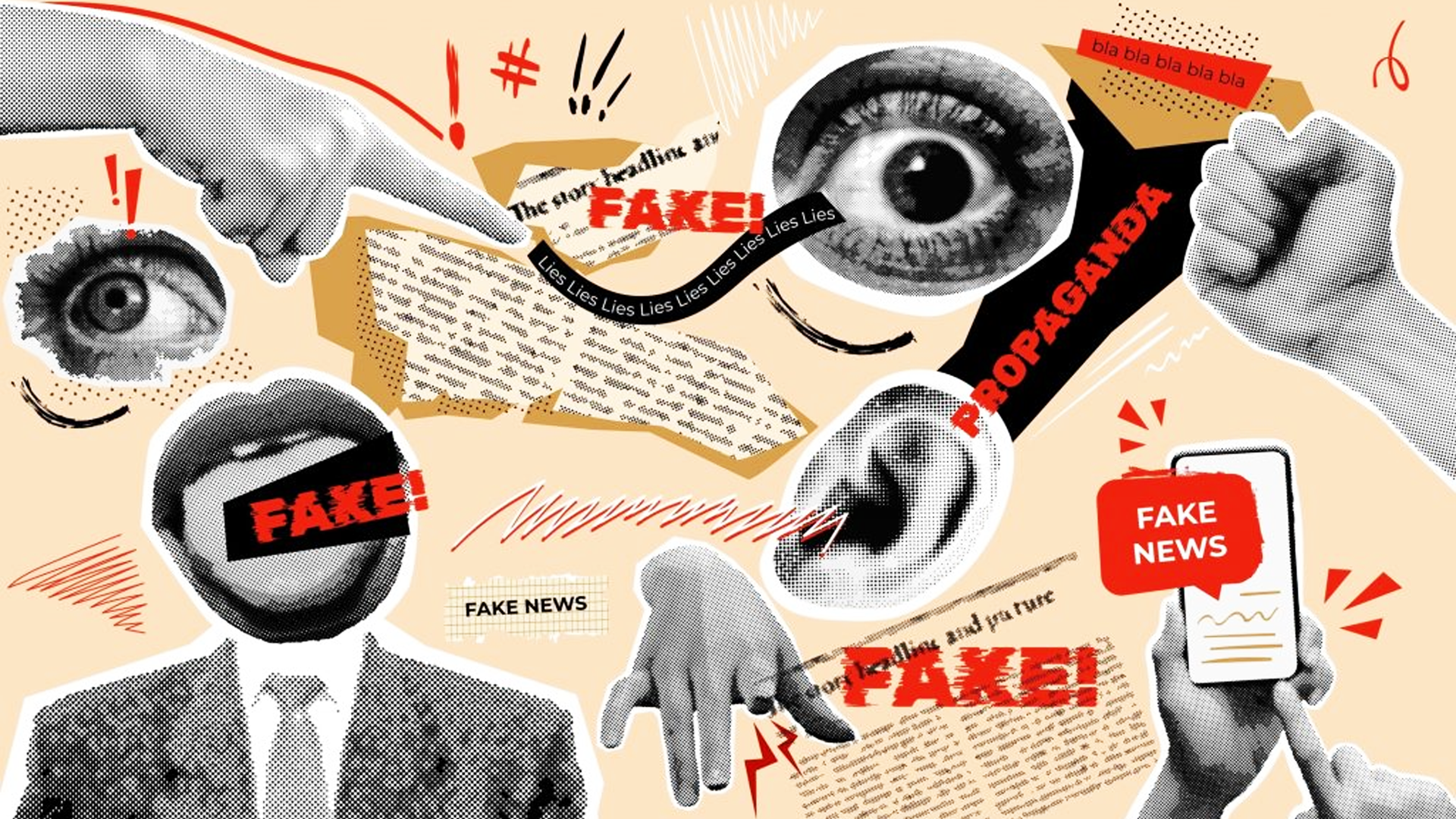
Misinformation is one of the biggest challenges of living in a digital world. Every day, people scroll past headlines, videos, and posts that look like facts but are actually misleading, incomplete, or completely false. Because social media moves fast and rewards emotional reactions, misinformation often spreads before anyone stops to ask basic questions like who created it, why it exists, or whether it can be trusted. Learning how to recognize misinformation has become an essential life skill.
It helps to start by understanding what misinformation actually is. Misinformation is false or inaccurate information that may be shared without harmful intent. Someone might repost a claim because they believe it is true. Disinformation is more dangerous because it is created on purpose to deceive, manipulate, or profit from people’s fears and beliefs. Stories that are completely made up, misleading propaganda, or content designed to sell a product through lies all fall into this category. While many people use the phrase “fake news,” the term has become confusing and emotionally charged, making it less useful than clearly identifying what kind of false information is being shared.
Modern technology has made this problem even harder to manage. Artificial intelligence can now generate realistic photos, videos, voices, and articles that appear trustworthy at first glance. Bots can repeat the same false claim thousands of times, creating the illusion that “everyone believes it.” When something feels shocking, outrageous, or perfectly designed to make you angry or afraid, that emotional reaction is often the first warning sign that misinformation may be at work.
People do not usually fall for misinformation because they lack intelligence. Research shows that false information often spreads because it feels emotionally useful. During times of uncertainty or fear, stories that offer simple explanations or someone to blame can feel comforting, even if they are untrue. Confirmation bias also plays a role, as people tend to believe information that supports what they already think. Add the human need to belong, the pressure of seeing others share the same story, and the appeal of conspiracy theories during crises, and misinformation can spread quickly through entire communities.
Spotting misinformation does not mean assuming everything is false. Instead, it means learning how to evaluate information carefully. One important strategy is to get news from multiple reliable sources. When a claim is true and important, it is usually reported by more than one credible outlet. If a quick search shows only one questionable source repeating the same story, that is a reason to be skeptical. Tracing information back to its original source can also reveal whether it comes from an expert, a trusted organization, or someone with an agenda.
Another key skill is understanding the difference between facts and opinions. Facts can be supported with evidence, while opinions reflect personal beliefs or interpretations. Some misinformation mixes real facts with misleading framing, false context, or manipulated images to create a false impression. Learning to recognize these tactics makes it easier to avoid being misled. Professional fact-checkers use a method called lateral reading, which means leaving the original site to see what other trusted sources say about the claim, the author, and the organization behind it.
Talking to someone who believes misinformation requires patience and empathy. Arguing aggressively or mocking their beliefs often pushes people deeper into false ideas. A more effective approach is to stay calm, listen carefully, and ask thoughtful questions about sources and evidence. Helping someone see the gray areas in complex issues and showing them how to verify information can encourage critical thinking without turning the conversation into a fight. The goal is not to win an argument, but to help rebuild trust in evidence and reasoning.
Misinformation can shape what people believe, fear, and accept as normal. When false information spreads, it can influence public decisions, harm communities, and weaken our democracy. Learning to pause, question, and verify information is a form of responsibility. In a world where lies can travel faster than truth, choosing to think critically and share carefully is one of the most powerful ways to protect both yourself and others.
Why It Matters
Truth is not just a personal preference; it is a civic necessity. When misinformation spreads unchecked, it reshapes what communities fear, trust, and accept as normal. Misinformation weakens trust, fuels division, and distorts democratic decision-making. Learning how to evaluate information helps us protect ourselves and our communities from manipulation. Truth allows people to solve problems together, and in a digital age, the ability to verify claims is one of the most important civic skills someone can develop.
?
What emotional reactions should signal that you need to verify a claim before sharing it?
How does confirmation bias affect what information people believe?
Why is confidence not the same as expertise?
How can misinformation harm democratic decision-making?
What steps can you take to slow the spread of false information in your own life?
Dig Deeper
An explanation of the psychology behind why false information spreads and sticks.
A look at circular reporting and how misinformation gains credibility.
An exploration of misinformation, skepticism, and scientific literacy.
Related
The Role of Social Media in Shaping Public Opinion
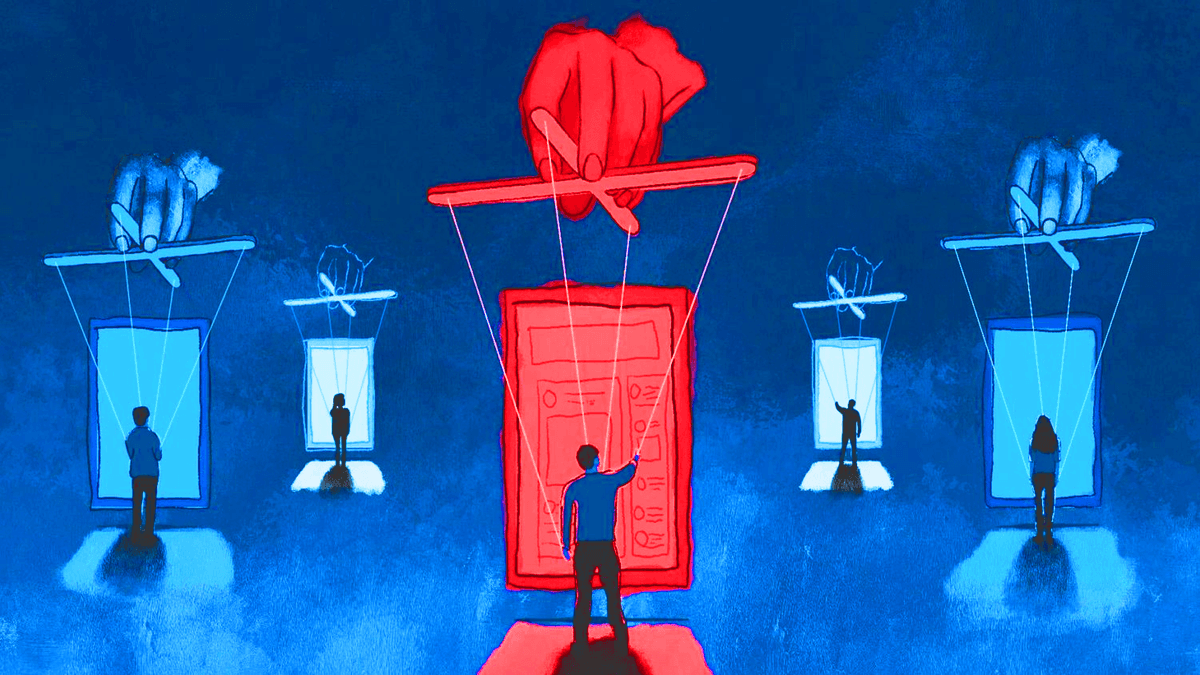
Social media is a powerful tool that influences public opinion on a global scale, but its impact isn't always positive. What does it mean for democracy, and how can we address the challenges of misinformation and echo chambers?

Media, Public Opinion & the Battle for Truth
From newspapers and television to TikTok and algorithms, media shapes how people understand the world, form opinions, and participate in democracy.
Divisive Rhetoric
History shows us that words are never just words—they can build bridges or burn them, unite communities or divide them. How we use language shapes the future of our society.
Further Reading
Stay curious!