

Local Government
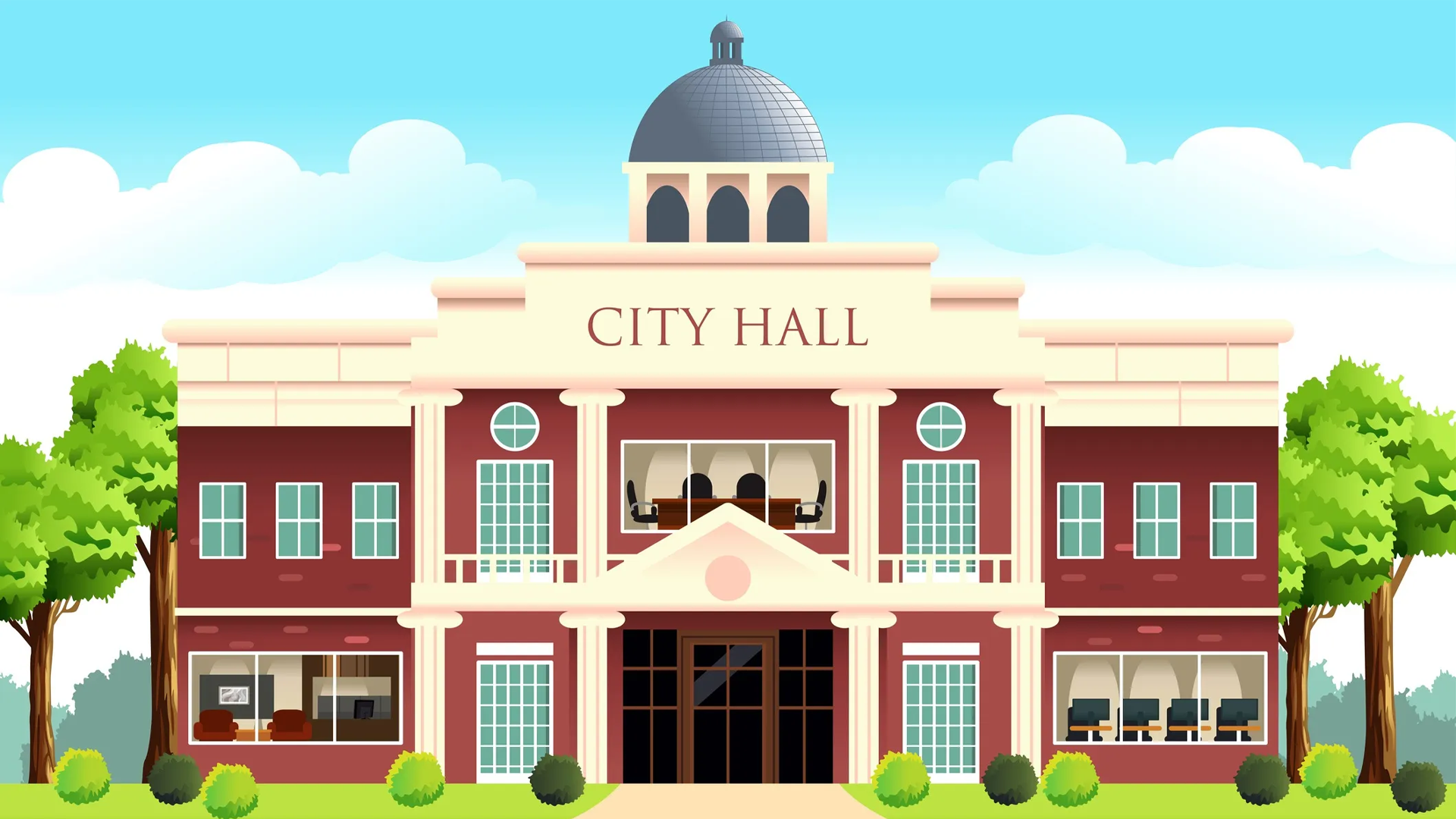
Local government is the level of government closest to the people, responsible for providing essential services and addressing community needs.
The Dive
Local government is the foundation of everyday democracy. It's responsible for essential services such as public safety, education, infrastructure, housing, and environmental management. These decisions are not abstract; they shape whether neighborhoods are safe, schools are supported, and communities have access to clean water, transportation, and public spaces. Local government is where public policy stops being theory and becomes lived experience.
In the American system of federalism, local governments operate under authority granted by state governments, yet they exercise meaningful autonomy in responding to local conditions. Counties, municipalities, and special districts exist because no single national solution can meet the diverse needs of every community. This structure allows local governments to tailor decisions to geography, culture, population size, and economic realities, reinforcing the democratic principle that governance should reflect the people it serves.
Local government plays a crucial role in democratic representation because it brings decision-making closer to the public. Officials such as mayors, council members, and school board representatives govern smaller populations, making them more accessible and more directly accountable. Citizens can attend meetings, speak during public hearings, serve on advisory boards, and communicate with leaders in ways that are often impossible at higher levels of government. This proximity makes transparency and accountability achievable rather than abstract ideals.
Participation in local government is essential because local decisions often have the most immediate and long-lasting impact on people’s lives. Choices about zoning determine who can afford to live in a community, school budgets influence educational opportunity, and policing policies affect public trust and safety. When residents engage, they help ensure that power is distributed fairly and that policies reflect shared community values instead of narrow interests or political convenience.
Local government is also where citizens learn how democracy works in practice. Voting in local elections, participating in town halls, serving on committees, and organizing around local issues build civic skills such as compromise, negotiation, and informed decision-making. These experiences strengthen democratic habits and prepare individuals to engage thoughtfully at state and national levels. Democracy survives not through occasional participation, but through consistent civic practice.
Managing conflict is a core responsibility of local government. Communities regularly face disagreements over land use, public resources, taxation, and development. Local governments provide structured, peaceful processes for resolving these conflicts through zoning boards, public hearings, mediation, and courts. By offering lawful pathways to address grievances, local government reduces the risk of social division and reinforces fairness and equal treatment.
Local government also shapes the future of a community through long-term planning and investment. Decisions about infrastructure, environmental protection, housing development, and economic growth determine whether communities become more inclusive or more unequal over time. Meaningful public participation ensures that these decisions balance growth with sustainability, opportunity with responsibility, and efficiency with human dignity.
A strong democracy depends on active and informed participation at the local level. When citizens understand how local government functions and recognize their role within it, governance becomes more responsive and legitimate. Local government works best when people see themselves not as passive recipients of services, but as co-creators of the communities they inhabit. Participation transforms local government from a distant authority into a shared democratic project.
Why It Matters
Local government is where democracy is most tangible. It affects daily life, shapes communities, and offers citizens direct access to decision-making. Understanding how local government works empowers people to participate, hold leaders accountable, and help build fair, functional, and responsive communities.
?
Why is local government often more visible than state or federal government?
How does state authority limit or shape local government power?
What local services impact your daily life the most?
How can citizens participate in local government decisions?
Why is local government essential to a functioning democracy?
Dig Deeper
An overview of how state and local governments are organized and how they affect everyday life.
Related

What Is Civics?
Civics is the study of how citizens participate in democracy—and why their participation matters.

Civics vs. Ethics
Civics explains the rules of society. Ethics asks whether those rules are right.
Fair Decisions and Resolving Conflict
Fairness is not just about rules. It is about trust, dignity, and how societies resolve disagreement without losing one another.
Further Reading

Stay curious!