

Persuasive Speaking: The Art of Moving Minds

The Dive
Persuasive speaking is the ability to influence others through words, voice, and presence. It is not simply about expressing an opinion; it is about shaping an argument in a way that connects logically and emotionally with an audience. Throughout history, persuasive speech has shaped movements, inspired change, and influenced public decisions. At its core, persuasion depends on clarity, credibility, and connection.
One of the most powerful tools in persuasive speaking is tone. Tone communicates attitude and emotion. A serious tone signals importance. A hopeful tone builds optimism. A confident tone builds trust. Even if the words remain the same, tone can completely change how a message is received. Skilled speakers adjust their tone intentionally to match their purpose and audience.
Pace—the speed at which someone speaks—also plays a critical role. Speaking too quickly can make an argument difficult to follow, while speaking too slowly may cause listeners to lose interest. Effective speakers vary their pace, slowing down to emphasize key points and speeding up slightly during transitions. Strategic pauses allow important ideas to settle in the audience’s mind and can often be more powerful than additional words.
Volume adds another layer of meaning. Raising one’s voice at the right moment can signal urgency or passion, while lowering it can draw listeners in and create intimacy. Changes in volume prevent monotony and keep audiences engaged. Persuasive speakers understand that vocal variety is essential to holding attention and reinforcing key messages.
Beyond vocal delivery, persuasive speaking relies on rhetorical devices—intentional techniques that strengthen arguments. An anecdote, or short personal story, helps humanize a topic and make abstract ideas relatable. A rhetorical question invites the audience to think deeply without expecting a spoken answer. Repetition reinforces a key phrase so it becomes memorable and impactful. These techniques have been used effectively in speeches across cultures and generations.
Effective persuasive speeches also follow a clear structure. Strong openings capture attention immediately—perhaps through a surprising fact, a vivid image, or a compelling question. The body of the speech presents clear reasons supported by examples or evidence. The closing reinforces the central idea and leaves the audience with something meaningful to remember. Without structure, even strong ideas can lose their power.
Modeling and analyzing speeches is an essential part of learning persuasion. By watching or listening to a speech and asking focused questions—How did the speaker grab attention? Did they change pace or volume? Was there a strong closing?—students learn to recognize effective techniques. Analysis builds awareness, and awareness builds skill.
Practice transforms theory into ability. Delivering a short, focused mini-speech allows speakers to experiment with tone, pace, rhetorical questions, or repetition in a low-pressure setting. Even a simple topic, such as whether summer is better than winter, becomes an opportunity to practice clarity and confidence. The goal is not perfection, but intentional growth.
Constructive feedback is essential in developing persuasive skills. When listeners highlight specific strengths—such as effective pauses or strong repetition—speakers learn what works. This builds confidence while encouraging refinement. Persuasive speaking is not about dominating others; it is about learning to communicate thoughtfully, respectfully, and effectively.
Ultimately, persuasive speaking is a leadership skill. It requires preparation, empathy, and self-awareness. When individuals learn to use their voice intentionally, they gain the ability to advocate for ideas, inspire collaboration, and contribute meaningfully to their communities. Mastering persuasive techniques is not simply about winning arguments—it is about learning how to move minds with integrity and purpose.
Why It Matters
Persuasive speaking empowers individuals to share ideas clearly and confidently. In academic settings, careers, and civic life, the ability to communicate effectively shapes opportunities and outcomes. Learning how to use tone, structure, and rhetorical tools responsibly strengthens not only individual confidence but also the quality of public conversation.
?
Dig Deeper
A student-delivered persuasive speech demonstrating structure, tone, and rhetorical techniques.
Related
The Art of Persuasion
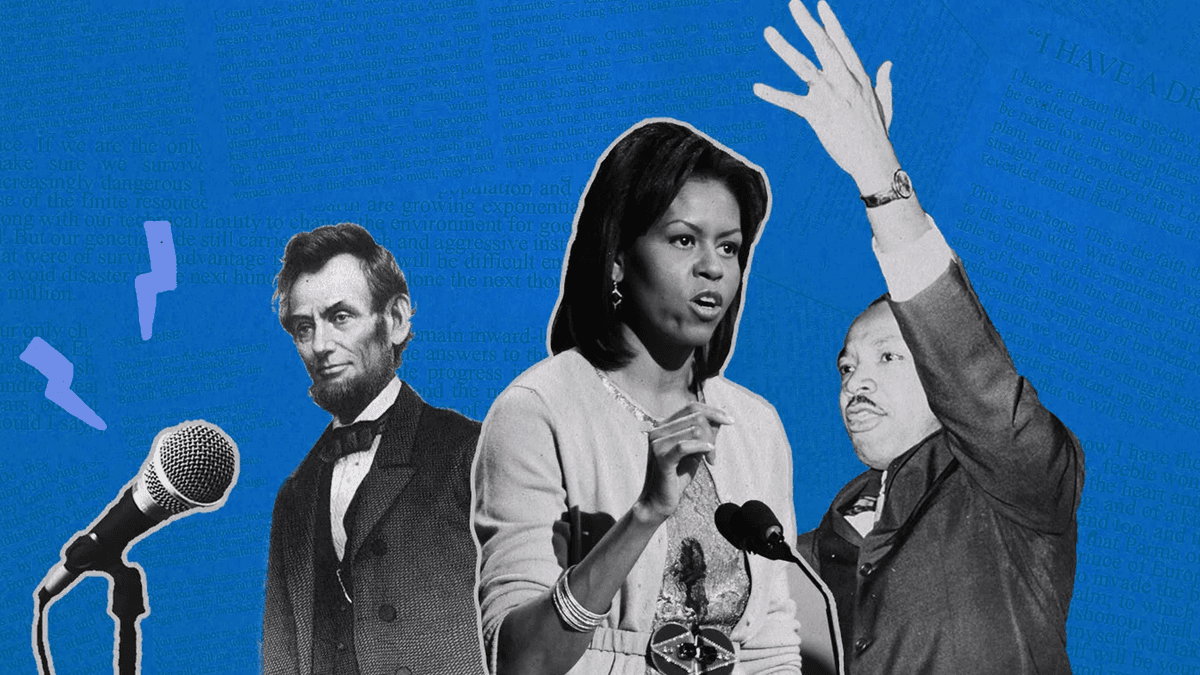
Persuasion is the art of convincing others through words, ideas, and emotions. From Aristotle to modern speeches, explore how tone, logic, and storytelling shape powerful messages.

The Building Blocks of a Strong Argument
A solid argument isn’t just an opinion—it’s a claim backed by reasons, evidence, and a clear explanation that ties it all together.
Foundations of Debate
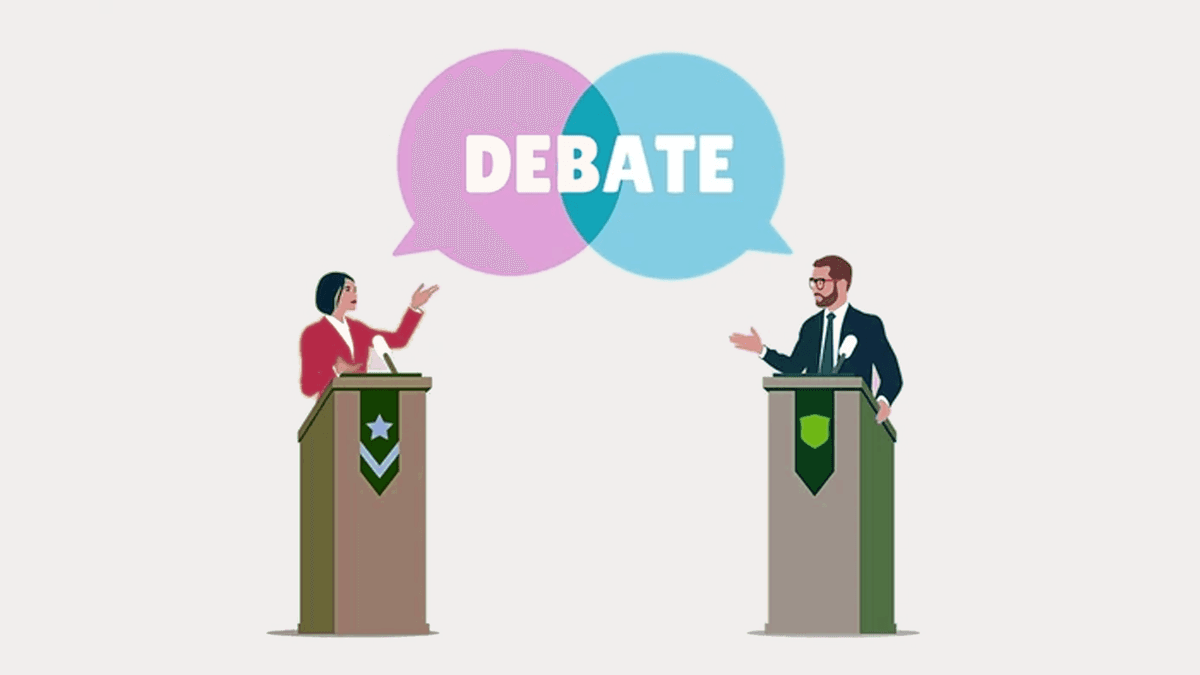
Debate isn’t just for politicians or lawyers—it’s something you’ve probably done with friends when deciding what game to play. At its heart, debate is about listening, making strong arguments, and learning how to disagree respectfully.
Further Reading

Stay curious!