

Wealth Inequality: Power, Opportunity, and the Dividing Line
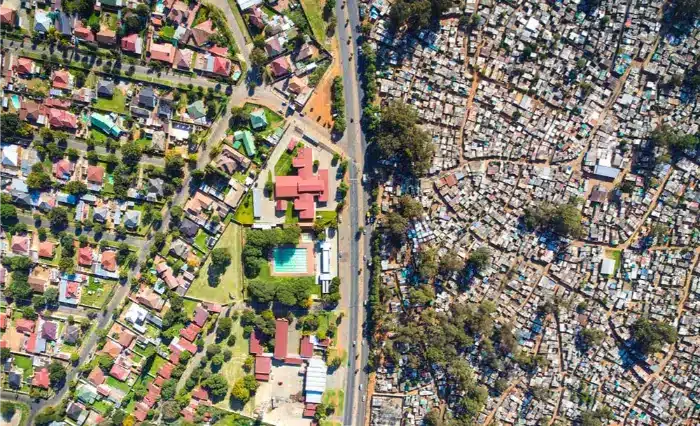
Contrast between wealthy city skyline and low-income housing
The Dive
Imagine playing a game where a few players start with almost everything—money, tools, even extra turns—while everyone else begins with very little. No matter how hard the others try, catching up feels nearly impossible. That’s what wealth inequality can look like in real life. It isn’t just about who has more money. It’s about who has access to opportunity, stability, and power. And when the gap grows too wide, it doesn’t just affect individuals, it shapes the future of an entire society.
Wealth inequality refers to how unevenly money and assets—like homes, savings, and investments—are distributed across a population. It’s important to understand that wealth is different from income. Income is the money someone earns from a job or business, while wealth is everything they own minus what they owe. Wealth builds over time, and it can be passed down through generations. That means people who start with wealth often have a major advantage, while others must build from scratch—if they can at all.
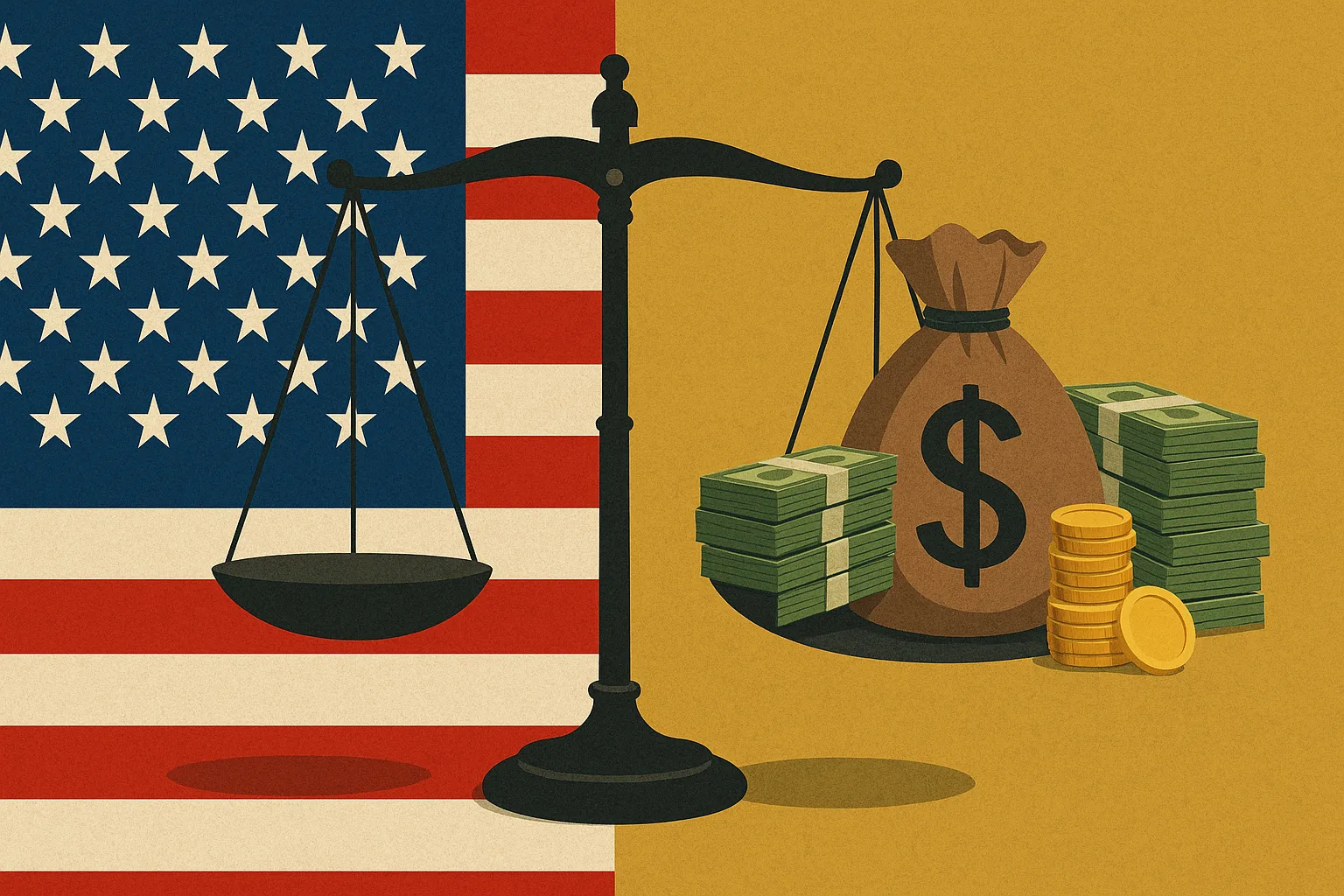
In the United States, wealth is heavily concentrated at the top. The richest 1% hold a massive share of the nation’s wealth—tens of trillions of dollars—while the bottom half of the population owns only a small fraction. In fact, recent data shows that the top 1% owns about as much wealth as the bottom 90% combined. This isn’t just a statistic—it’s a signal. It tells us that the economic system is producing very different outcomes depending on where you start.
And those differences matter in real life. Wealth affects where you live, what kind of education you can access, the quality of your healthcare, and even how long you live. Studies have shown that people in the top income brackets live significantly longer than those in the lowest. That means inequality isn’t just about money—it’s about health, security, and survival.
So why does this gap exist? Part of the answer lies in how wealth grows. Wealth tends to build on itself. People with money can invest in stocks, property, or businesses—assets that increase in value over time. Meanwhile, those without wealth may rely only on wages, which often grow more slowly. In recent years, rising stock markets—especially in areas like artificial intelligence—have boosted the wealth of those already invested, while many middle- and lower-income families have struggled with debt and rising costs.
Policies also play a role. Tax systems, labor laws, access to education, and housing policies all shape how wealth is distributed. At times in history—like during the New Deal era—government programs helped reduce inequality by supporting workers and expanding access to opportunity. But in recent decades, changes in policy, including tax cuts for the wealthy and reduced investment in social programs, have contributed to a growing divide.
Some experts argue that this inequality is not accidental. Writers like Matthew Desmond suggest that systems are often designed in ways that benefit those at the top while leaving others behind. Others, like economist Joseph Stiglitz, have pointed out how much economic growth flows to the richest Americans instead of being shared more widely. These perspectives challenge the idea that wealth inequality is simply the result of individual effort. Instead, they suggest it’s shaped by systems, structures, and decisions.
Another powerful idea is that inequality can become self-reinforcing. When wealth is concentrated, it can lead to political influence—allowing those with money to shape laws and policies in their favor. Over time, this can weaken democracy, making it harder for everyday people to have their voices heard. As economist Yanis Varoufakis warns, extreme inequality can shift power away from the public and into the hands of a small elite.
But this isn’t just a problem for those at the bottom—it affects everyone. When wealth is too concentrated, the economy can slow down. Why? Because most people don’t have enough money to spend, and spending is what keeps businesses running and jobs growing. Some experts describe this as a “black hole” effect—wealth gets pulled to the top and stops circulating through the rest of the economy.
So what can be done? There’s no single answer, and people disagree on the best solutions. Some argue for higher taxes on the wealthy, stronger labor protections, and better access to education and healthcare. Others emphasize economic growth and innovation. What’s clear, though, is that ignoring the problem isn’t an option. When inequality grows unchecked, it can lead to lower living standards, weaker communities, and even social unrest.
At its core, wealth inequality is a question of fairness. It asks us to consider what kind of society we want to build. Should opportunity depend on where you start, or should everyone have a real chance to succeed? Should a few people hold most of the power, or should it be shared more widely?
The truth is, economies aren't natural forces—they are created by people, shaped by choices, and guided by values. That means they can also be changed. Understanding wealth inequality is the first step. Asking questions, challenging assumptions, and staying informed—that’s how change begins.
Because in the end, a strong society isn’t just measured by how much wealth it creates—but by how fairly that wealth is shared.
Why It Matters
Wealth inequality isn't just a financial issue—it's a systemic problem that limits opportunities for many while consolidating power in the hands of the few. This growing divide impacts access to essential services like education, healthcare, and housing, and creates deep social tensions. When the wealthiest can shape policies to their benefit, democracy itself is undermined. Addressing wealth inequality is crucial for building a society where everyone has a fair shot at success. Progressive tax policies, accessible education, and fair wages can level the playing field and provide opportunities for all, regardless of background. A more equitable society isn’t just desirable—it’s necessary for democracy to function as it should. It’s time to act.
?
What is the difference between wealth and income?
Why does wealth tend to accumulate over time?
How do government policies affect wealth distribution?
What historical factors have contributed to wealth inequality?
How does wealth inequality impact daily life for individuals?
What are some arguments for and against reducing inequality?
How does inequality affect democracy and political power?
What solutions have been proposed to address wealth inequality?
Dig Deeper
The markets have climbed higher despite continuing concerns around the shutdown, tariffs and inflation. The S&P 500 and Nasdaq have set records more than 30 times this year and other data suggest the economy is chugging at a steady clip. But for the majority of Americans, this economy is landing very differently right now, and it's hardly good times. Economics correspondent Paul Solman reports.
The top 1% holds 15x more wealth than the bottom 50% combined. If you’ve never watched a video of mine, please watch this one.
Infographics on the distribution of wealth in America, highlighting both the inequality and the difference between our perception of inequality and the actual numbers. The reality is often not what we think it is.
Explore how economic inequality can be measured and how it is impacted by different governmental policy choices.
Related
Wealth Inequality
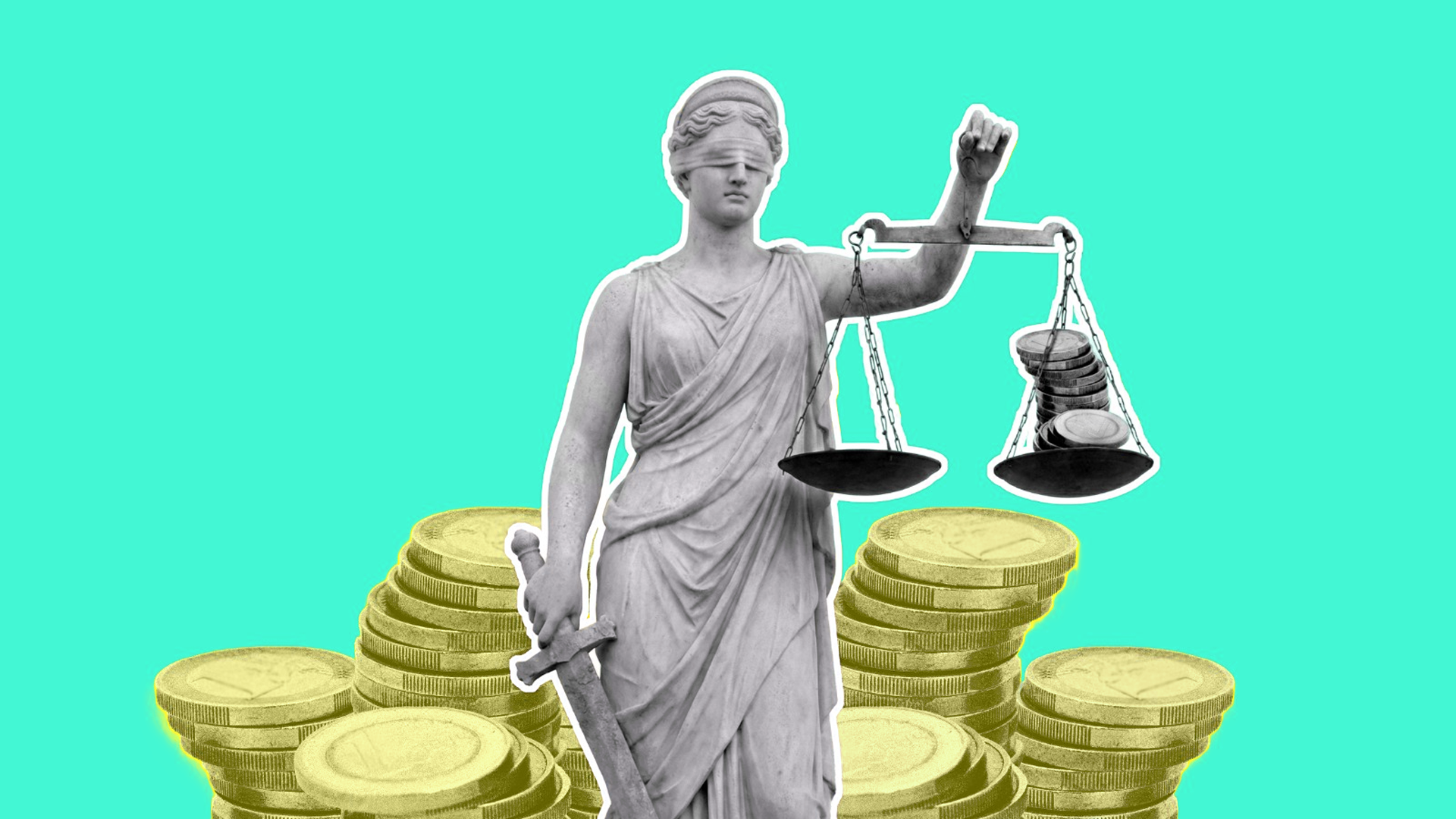
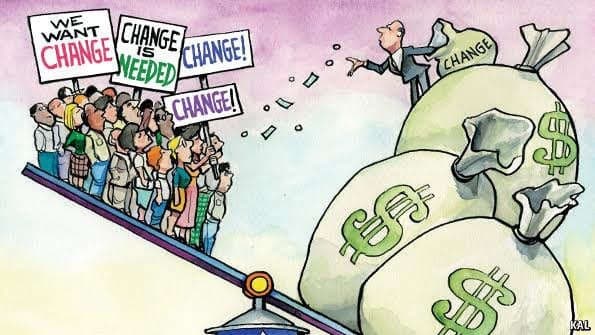
Wealth inequality in the United States has grown to levels that threaten the stability of the social and economic systems. How does this imbalance affect society as a whole, and what can be done to address it?
Oligarchy
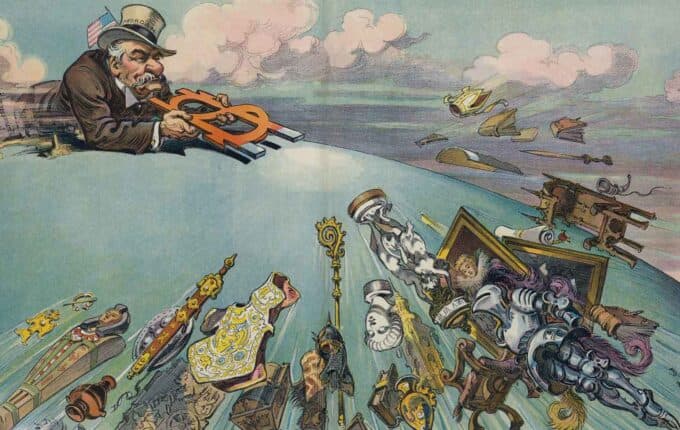
As the wealth and influence of a few ultra-wealthy individuals continue to shape American politics, we must ask ourselves: What is the cost of an oligarchy, and can democracy truly survive under the control of the few?
Citizens United: Democracy for Sale?
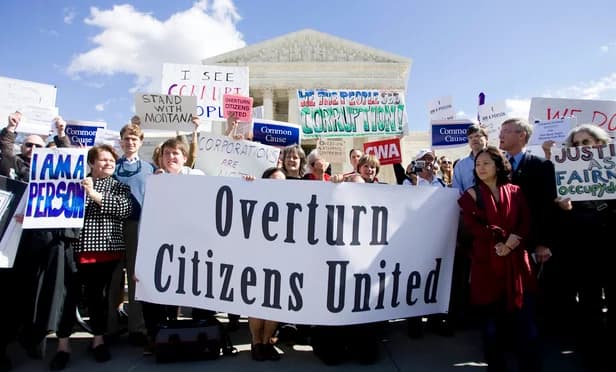
The Citizens United ruling changed the game of American democracy, granting corporations and unions unprecedented power in elections. But what does this mean for the future of fair representation?
Further Reading
Stay curious!