

What Is Civics?
The Dive
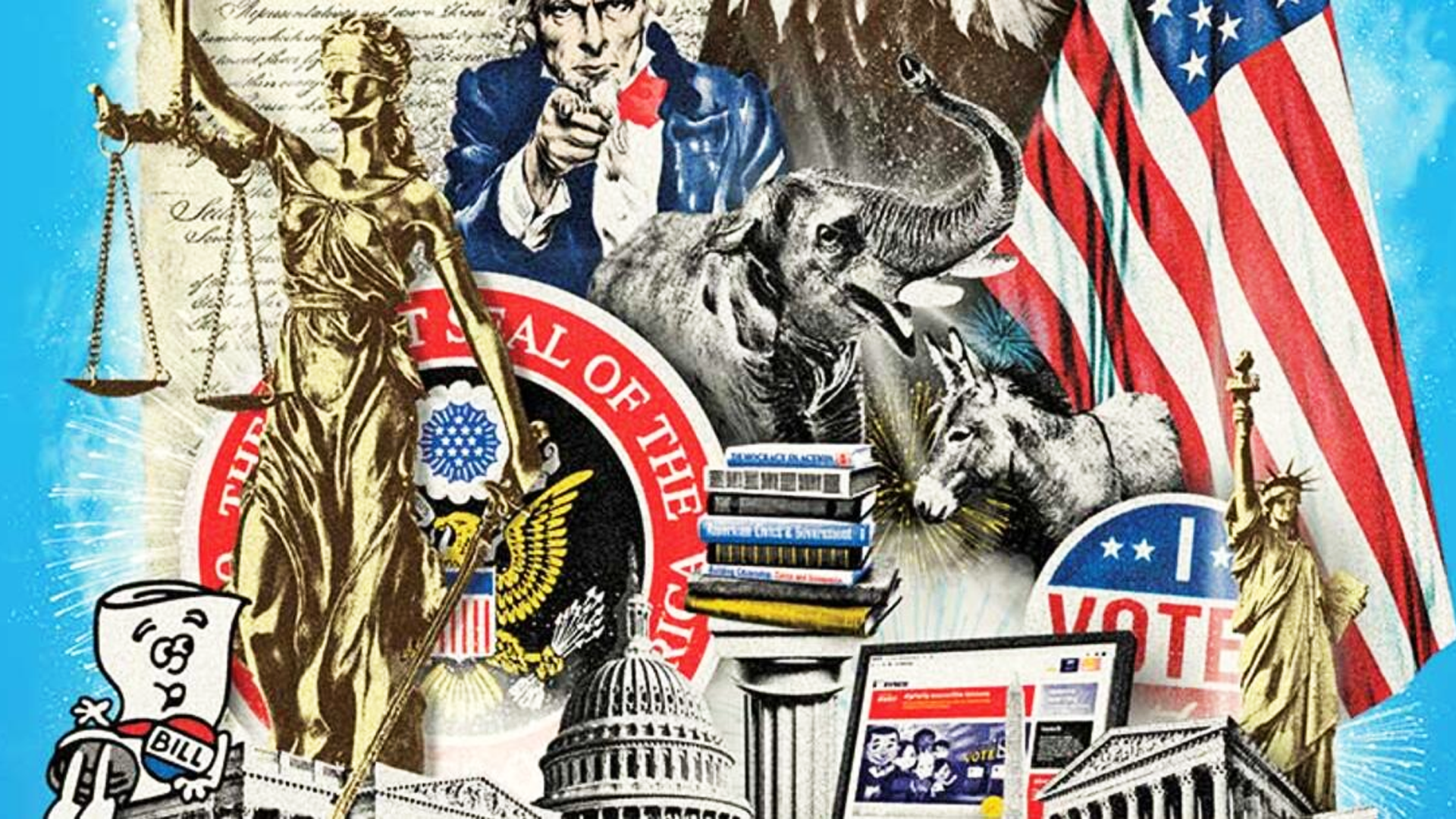
Civics is often called the “operator’s manual for democracy,” but it's more than a guidebook to government. Civics is the study of citizenship itself—its rights, its responsibilities, and the systems people use to govern themselves peacefully. At its heart, civics asks a simple yet significant question: How do we live together, make decisions, and protect freedom as a shared community?
Democracy doesn't exist only in capitals or courtrooms. It lives in everyday community life. Judges interpret laws and defend due process. Lawyers protect rights. Mayors lead cities. Police officers enforce laws to keep communities safe. Organizers bring people together to solve common problems. These community helpers aren't separate from democracy, rather they're how democracy functions in daily life. Civics helps us understand how these roles work, why they matter, and how citizens interact with them.
Formally, civics is the study of the privileges and obligations of citizens. It draws from history, political science, law, and the social sciences, but it is not just about institutions. Civics focuses on people—how citizens participate in government, hold leaders accountable, and work together across differences to sustain a free society.
For much of American history, this human side of citizenship was overlooked. Before World War I, democratic principles were taught mainly through history and government courses that emphasized structure: branches of government, offices, and procedures. Students learned how government was organized, but not how to practice citizenship.
In the early 1900s, educators pushed for change. Civics courses were introduced to emphasize practical citizenship—the lived experience of democracy. Students joined student councils, school newspapers, and debate teams not as extras, but as training grounds for civic life. Through these experiences, students learned how voting works, how leaders are chosen, how free speech carries responsibility, and why listening to opposing viewpoints matters.
Modern civic education builds on this foundation. It asks real-world questions—why the Electoral College exists, how Congress investigates wrongdoing, and how power is checked. More importantly, it teaches civic skills: critical thinking, collaboration, ethical reasoning, and informed participation. Civics is not just knowledge; it is practice.
In recent decades, civic education has been neglected, leaving many young Americans unprepared for self-government. This has contributed to widespread disengagement, misinformation, and distrust. Civic knowledge is not inherited—it must be taught, intentionally, in every generation.
Strong civic education strengthens democracy. It increases voting and community involvement, builds news literacy, bridges cultural divides, and helps people engage respectfully with different perspectives. It also closes civic opportunity gaps by ensuring all students—not just a privileged few—learn how to participate fully in public life.
A democracy can't run on autopilot. It depends on informed, engaged citizens who understand both their rights and their responsibilities. Civics is how we prepare people for that role—and how we protect the promise of self-government for the future.
Why It Matters
Civics prepares people for self-government. Democracy cannot function if citizens do not understand their rights, responsibilities, or how institutions work. Strong civic education empowers individuals to participate thoughtfully, hold leaders accountable, bridge differences, and protect democratic values for future generations.
?
Dig Deeper
A look at how high-quality civic education prepares students for active citizenship.
An exploration of America’s civic knowledge gap and why it matters.
Related
Civics vs. Ethics
Civics explains the rules of society. Ethics asks whether those rules are right.
Local Government
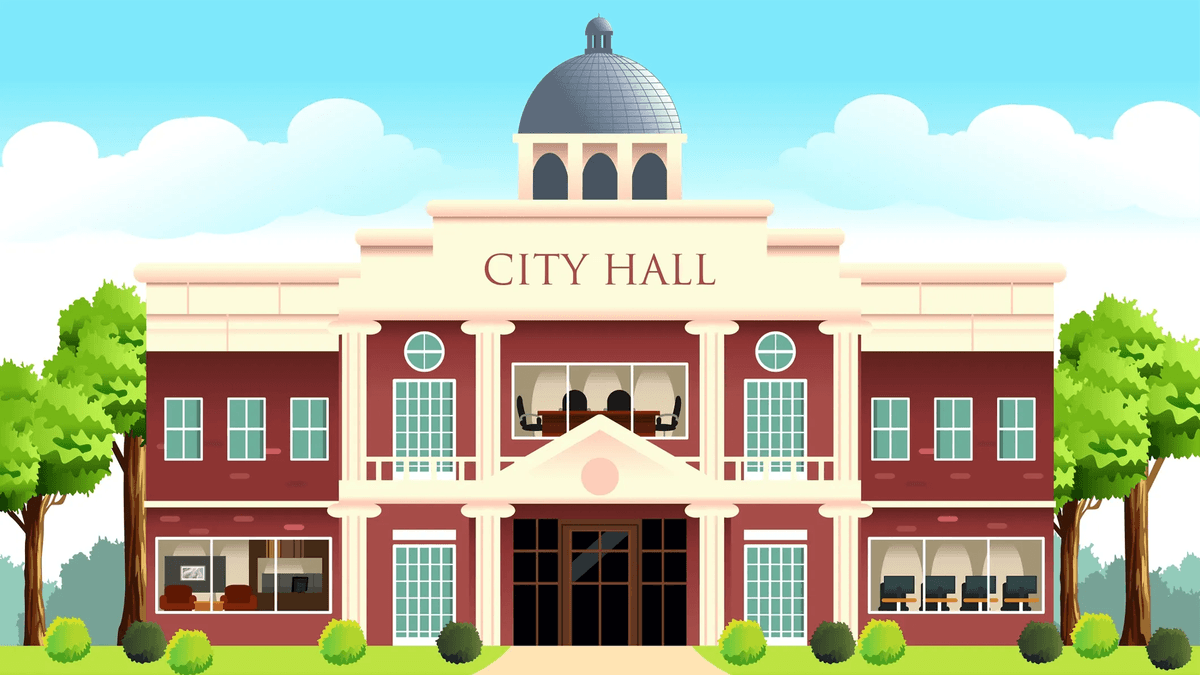
Local government is where democracy meets daily life. From schools and roads to public safety and elections, local governments turn laws and policies into everyday reality.
Basic Rights and Personal Responsibilities
Rights give us freedom. Responsibilities protect those freedoms—for ourselves and for each other.
Further Reading
Stay curious!