

World War II: Causes, Conflict, and Consequences
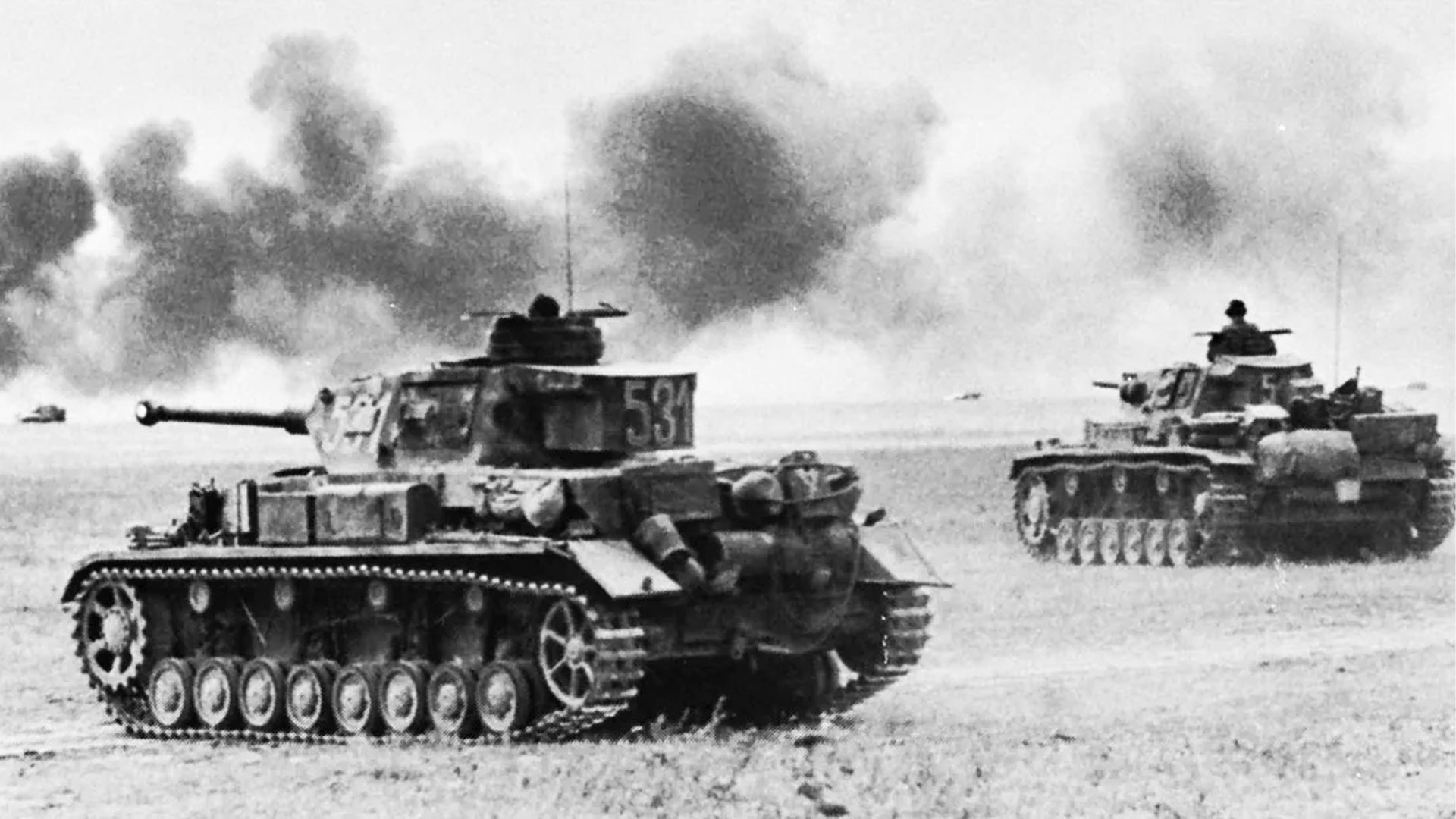
World War II soldiers and tanks advancing across Europe
The Dive
World War II was not just a war—it was a turning point in human history, a moment when the world was forced to confront the consequences of fear, power, and unchecked ambition. Fought between 1939 and 1945, it involved more than 50 nations and reached nearly every corner of the globe. At its core, the war was shaped by unresolved tensions from World War I, economic hardship during the Great Depression, and the rise of aggressive, authoritarian leaders who promised strength but delivered destruction. By the time it ended, tens of millions of people had died, entire cities had been destroyed, and the world would never be the same.
To understand how World War II began, we have to look at the fragile peace that came before it. After World War I, the Treaty of Versailles punished Germany harshly, forcing it to give up land, reduce its military, and pay large reparations. Many Germans felt humiliated and angry. During the economic struggles of the 1920s and 1930s, this resentment created an opening for leaders like Adolf Hitler, who promised to restore Germany’s power and pride. Once in power, Hitler established a totalitarian government, eliminated opposition, and began rebuilding Germany’s military in violation of international agreements. He also promoted dangerous ideas about racial superiority, which would lead to some of the worst crimes in history.
Hitler’s aggressive expansion across Europe pushed the world closer to war. In 1939, Germany invaded Poland, prompting Britain and France to declare war. This marked the official beginning of World War II. Germany quickly used a new military strategy called blitzkrieg, or “lightning war,” to conquer much of Europe. Countries like France fell rapidly, while Britain managed to resist through the strength of its people and air force during the Battle of Britain. Meanwhile, other Axis powers, including Italy under Benito Mussolini and Japan in Asia, expanded their control, turning the conflict into a truly global war.
The war grew even larger in 1941 when Germany invaded the Soviet Union and Japan attacked the United States at Pearl Harbor. This attack brought the United States fully into the war, joining the Allies alongside Britain and the Soviet Union. From that point on, the war became a massive struggle across multiple fronts—Europe, Africa, and the Pacific Ocean. Key turning points, like the Battle of Stalingrad and the Battle of Midway, began to shift momentum away from the Axis powers and toward the Allies.
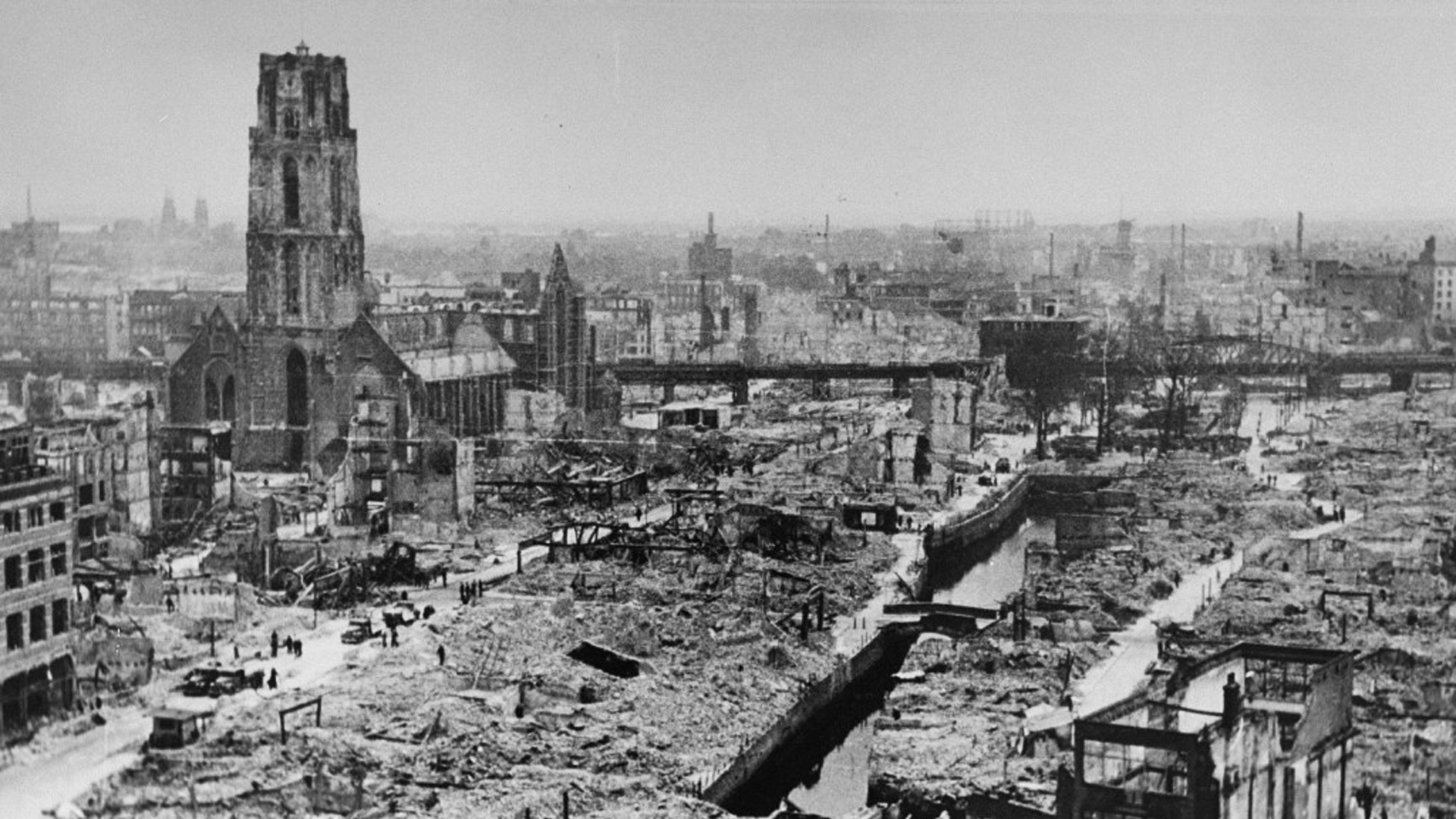
While soldiers fought on battlefields, civilians experienced unimaginable suffering. Cities were bombed, families were displaced, and millions of people lost their homes. The most horrifying example of this suffering was the Holocaust, in which Nazi Germany systematically murdered six million Jews, along with millions of others, in concentration camps. This genocide remains one of the darkest chapters in human history and serves as a powerful reminder of what can happen when hatred and prejudice are allowed to grow unchecked.
By 1944, the Allies began pushing back into Europe, most famously with the D-Day invasion of Normandy. From there, they advanced toward Germany while Soviet forces moved in from the east. In 1945, Germany surrendered after Hitler’s death. However, the war in the Pacific continued until the United States dropped atomic bombs on the Japanese cities of Hiroshima and Nagasaki. Facing devastating losses, Japan surrendered soon after, bringing the war to an end.
The impact of World War II was enormous. Between 60 and 80 million people died, making it the deadliest conflict in human history. Entire nations were left in ruins, and millions of survivors had to rebuild their lives from almost nothing. In response to the devastation, world leaders created the United Nations to promote peace and prevent future wars. At the same time, new tensions between the United States and the Soviet Union led to the Cold War, shaping global politics for decades to come.
World War II teaches us that history is not just about events—it is about choices. The decisions made by leaders, governments, and ordinary people can shape the course of the world. It reminds us of the dangers of unchecked power, the importance of standing up to injustice, and the responsibility we all share in protecting human rights. In the end, World War II is not just a story of conflict—it is a lesson about humanity, and the kind of future we choose to build.
Why It Matters
World War II reshaped the modern world in ways that still affect us today. It revealed the dangers of unchecked power, extreme nationalism, and prejudice, while also showing the importance of international cooperation and human rights. The war led to the creation of global institutions, new political alliances, and ongoing debates about justice, security, and responsibility. Understanding World War II helps us recognize how the past continues to shape our present—and why the choices societies make during times of crisis matter.
?
What role did the Treaty of Versailles play in causing World War II?
How did economic conditions during the Great Depression contribute to the rise of authoritarian leaders?
What made World War II different from earlier wars?
Why was the Holocaust a central part of Nazi ideology?
What were the major turning points of the war?
Why did the United States enter World War II?
What were the long-term consequences of the war?
How did World War II lead to the Cold War?
Dig Deeper
An overview of how World War II began and unfolded across Europe.
Explores how the war impacted both soldiers and civilians around the world.
Related
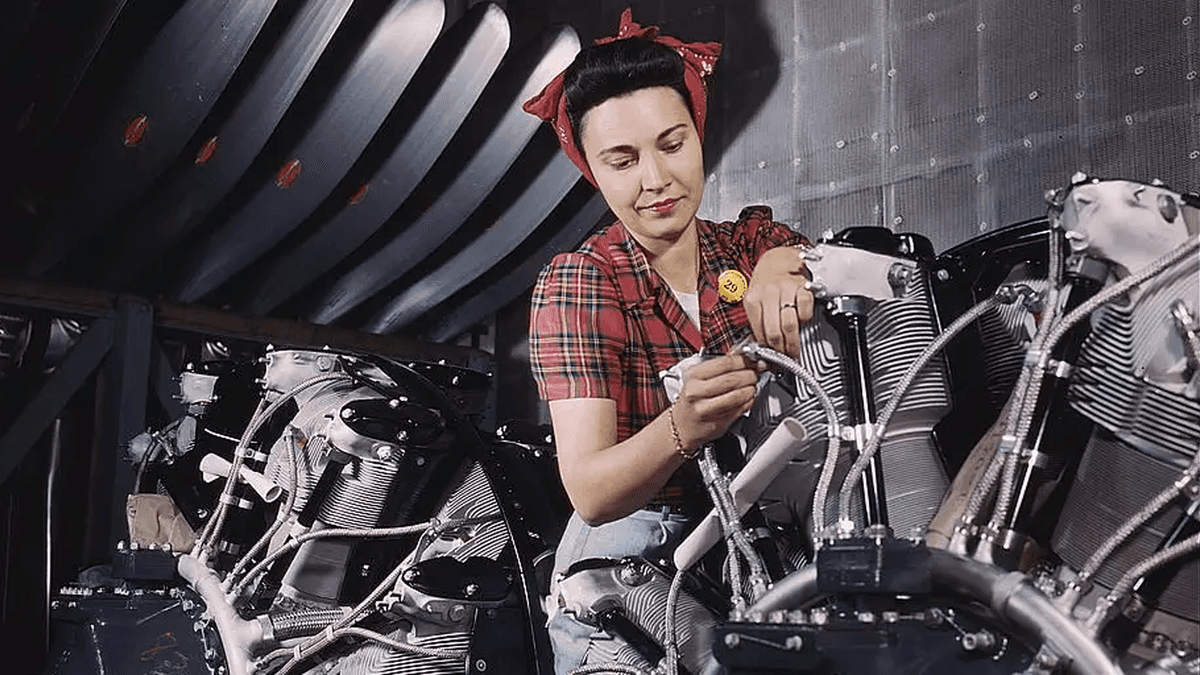
World War II & the Home Front (1941–1945)
A global war that reshaped American society—expanding opportunity, exposing injustice, and redefining the meaning of freedom at home.
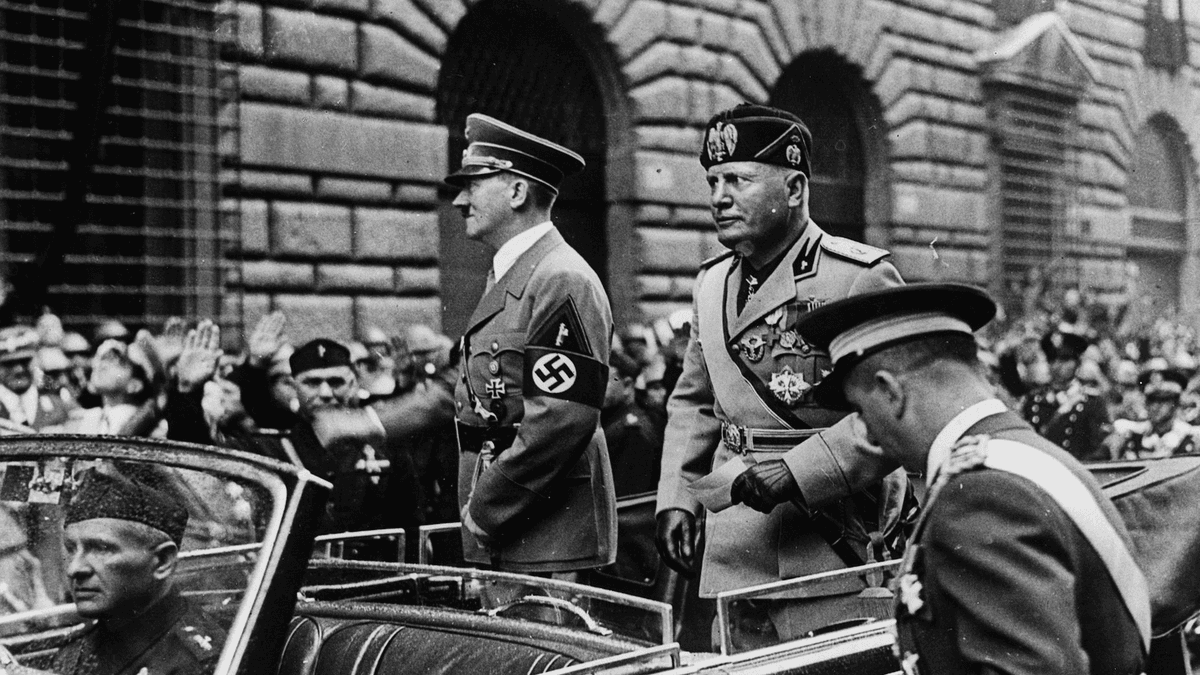
Fascism: Power, Propaganda, and the Fall of Democracy
Fascism emerged from the ruins of World War I and found its foothold in fear, nationalism, and economic despair. It promised unity, but delivered control, conformity, and catastrophe.
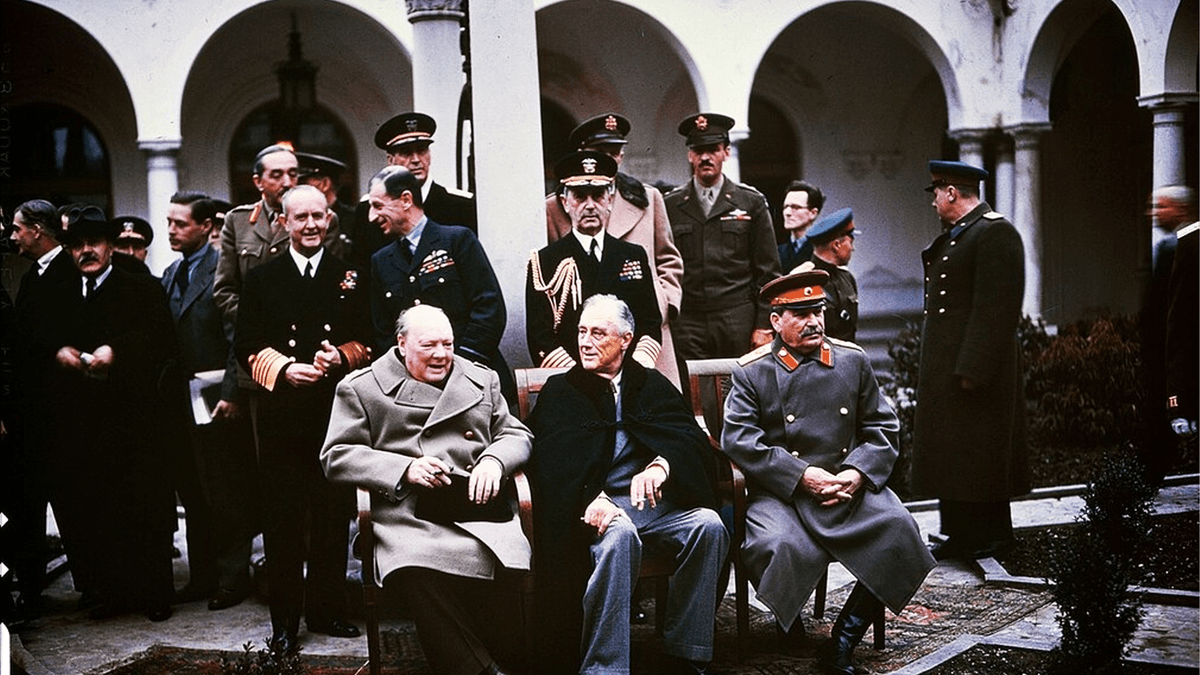
The Cold War & Fear at Home: Ideology, Power, and Public Anxiety
A global rivalry shaped by fear, ideology, and the constant tension between freedom and security.
Further Reading
Stay curious!