

World War II & the Home Front (1941–1945)
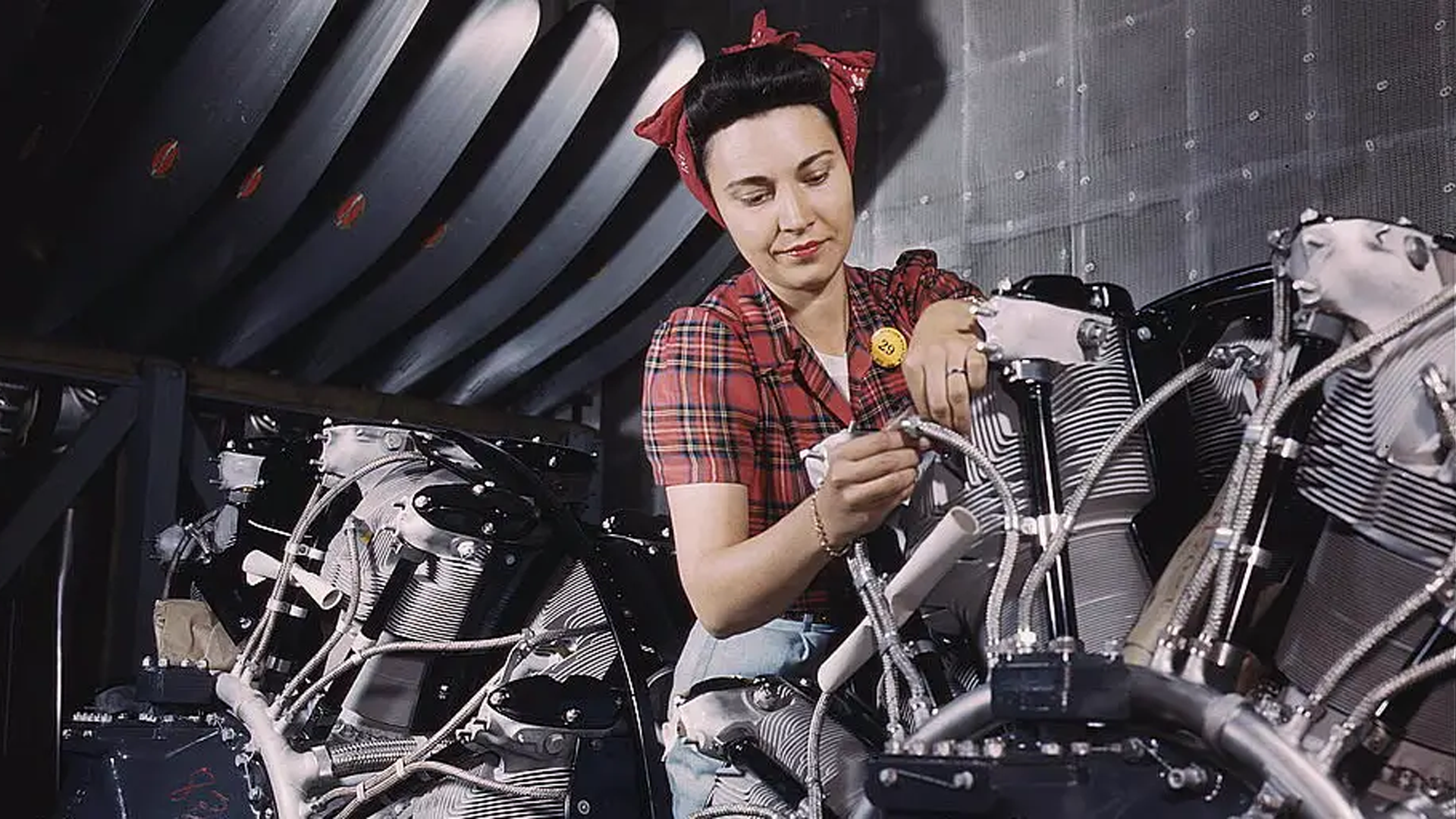
American factory workers building planes during World War II
The Dive
World War II is often remembered as a global conflict fought on distant battlefields, but it also reshaped everyday life here in the United States. Between 1941 and 1945, the United States underwent one of the most dramatic transformations in its history. The war didn’t just reshape borders or governments—it reshaped everyday life. It changed how Americans worked, who had access to opportunity, and what people expected from their country. At the same time, it exposed a powerful contradiction: a nation fighting for freedom abroad while still struggling to provide it equally at home. The story of the home front is not just about winning a war—it’s about what that war revealed, and what still needed to change.
The roots of World War II began years before the United States entered the conflict. After World War I, political instability and economic hardship created conditions where authoritarian leaders could rise to power. In Germany, Adolf Hitler built support by promising strength and national pride, while in Italy and Japan, leaders pursued expansion and control. These governments rejected democracy and used propaganda and military force to grow their influence. At first, the United States chose to remain neutral, focused on recovering from the Great Depression. But that distance ended suddenly on December 7, 1941, when Japan launched a surprise attack on Pearl Harbor. The attack killed over 2,300 Americans and shocked the nation into action. Within days, the United States entered the war, shifting from cautious observer to active participant in a global conflict.
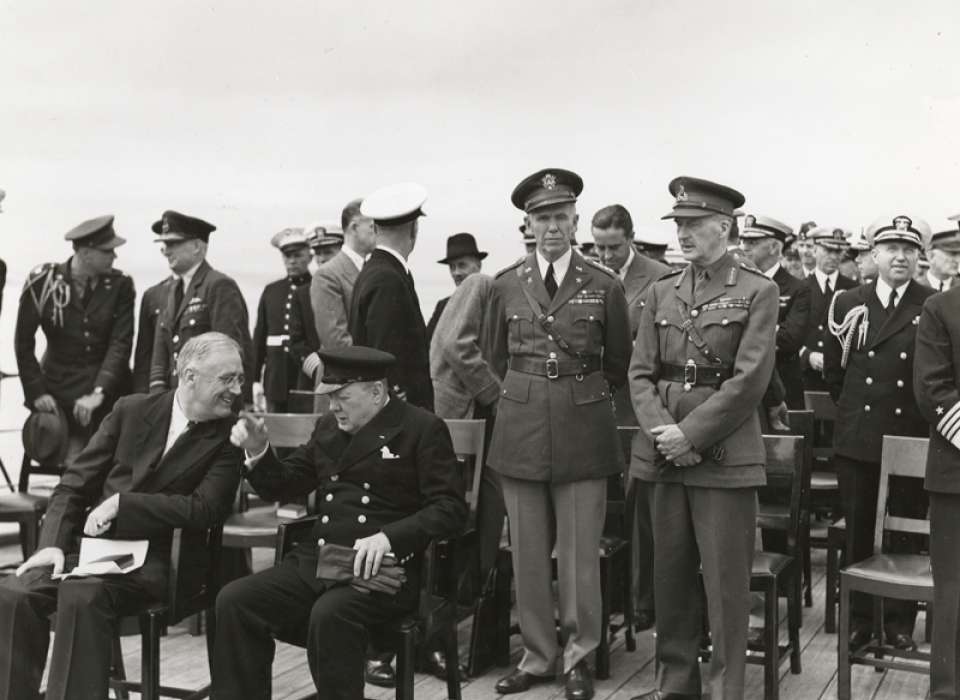
The very next day, Roosevelt addressed the nation and Congress in what became known as the “Day of Infamy” speech. In just a few minutes, he transformed shock into unity. He began with the now-famous line, calling December 7th “a date which will live in infamy,” immediately framing the attack not just as a military event, but as a moral violation. He emphasized that the United States had been at peace and that Japan had acted with deception, carefully building a narrative of betrayal. By listing the multiple attacks across the Pacific, he expanded the moment from a single strike to a coordinated threat against the entire nation. Most importantly, Roosevelt spoke with clarity and confidence. He did not leave space for doubt or hesitation—he defined the situation, named the enemy, and pointed the country toward a shared response. This is how leaders frame moments of crisis: they give people language to understand what has happened, they connect emotion to purpose, and they unify individuals into a collective identity. Roosevelt’s speech did not just announce war—it created national resolve.
Once the United States entered the war, the country shifted into what historians call “total war.” This meant that every part of society—industry, labor, government, and everyday citizens—became involved in the war effort. Factories rapidly converted from producing consumer goods to manufacturing tanks, airplanes, ships, and weapons. The federal government worked closely with businesses to coordinate production, manage resources, and control prices. This level of economic coordination was unprecedented. As production increased, unemployment dropped, and the economy surged, finally pulling the country out of the Great Depression. The United States became what Roosevelt called the “arsenal of democracy,” supplying not only its own military but also allied nations. This transformation showed how quickly a nation can mobilize in times of crisis—but it also raised important questions about the balance between government power and individual freedom.
This massive demand for labor created new opportunities, especially for women. With millions of men serving overseas, women stepped into industrial jobs in factories, shipyards, and construction sites. They built planes, assembled weapons, and helped power the wartime economy. The image of “Rosie the Riveter” became a symbol of this shift, representing strength, capability, and independence. For many women, this was their first experience working in these roles and earning steady wages. While many were expected to leave these jobs after the war, their contributions challenged long-standing beliefs about gender roles and expanded what society believed women could do.
African Americans also played a vital role in the war effort, but their experience revealed deep inequalities. More than one million Black Americans served in the military, often in segregated units and under discriminatory conditions. At the same time, many moved from the rural South to industrial cities in search of wartime jobs in what became known as the Second Great Migration. While these opportunities offered economic advancement, discrimination remained widespread. In response, African American leaders promoted the “Double V” campaign—victory against fascism abroad and victory against racism at home. This movement exposed a central contradiction: the United States was fighting for democracy overseas while denying full equality to many of its own citizens. That tension helped lay the groundwork for the Civil Rights Movement in the years that followed.
At the same time, the war revealed how fear and prejudice could shape government decisions. After Pearl Harbor, suspicion toward Japanese Americans spread quickly. In 1942, the U.S. government forcibly relocated more than 110,000 Japanese Americans into internment camps. Many were citizens who had committed no crime. They were forced to leave behind their homes, businesses, and communities. This decision, later recognized as unjust, raised serious constitutional concerns about civil liberties and due process. It remains one of the clearest examples of how fear can override democratic principles, even in a country that claims to value freedom and equality.
Life on the home front required sacrifice from nearly every American. The government introduced rationing programs to limit the use of goods like gasoline, rubber, and food. Families used ration books and carefully managed their consumption. Many planted “victory gardens” to grow their own food, while others collected scrap materials to support production. Citizens purchased war bonds to help fund the military. These actions created a shared sense of purpose—people felt directly connected to the war effort—but they also required real adjustments to daily life. The war was not something happening far away; it was woven into everyday decisions and responsibilities.
By 1945, World War II came to an end, and the United States emerged as a global superpower. The war had revitalized the economy, created jobs, and expanded industrial production. But its impact went far beyond economics. It reshaped American society—changing expectations around work, government, and equality. It also shifted the nation’s role in the world, leading to the creation of international organizations and setting the stage for future global conflicts like the Cold War.
Looking back, the home front during World War II tells a complicated and deeply human story. It is a story of resilience, innovation, and collective effort—but also one of contradiction and unfinished promises. The United States fought against oppression and authoritarianism abroad, yet struggled to fully uphold its own democratic ideals at home.
Why It Matters
History is not just about victories, it’s about reflection. It asks us to consider not only what a nation does, but whether it lives up to what it claims to believe. World War II shows how moments of crisis can drive rapid change while also revealing a nation’s true values. It reshaped the United States into a global superpower and transformed life at home, expanding opportunities for some while exposing deep inequalities for others. Looking at the home front helps us understand not just how the war was won, but how the country responded to those contradictions—and whether it continues striving to live up to its ideals of freedom and equality today.
?
Why did the United States initially avoid entering World War II?
How did the concept of total war change everyday life for Americans?
In what ways did World War II expand opportunities for women and minorities?
Why were Japanese Americans incarcerated during the war, and what does this reveal about fear and government power?
What was the 'Double V Campaign,' and why was it important?
How did World War II help set the stage for the Civil Rights Movement?
What are the risks of limiting civil liberties during times of national crisis?
Did the United States fully live up to its democratic ideals during World War II?
Dig Deeper
An overview of how the United States entered World War II and the global conflict that followed.
A look at how World War II transformed life in the United States at home.
Related
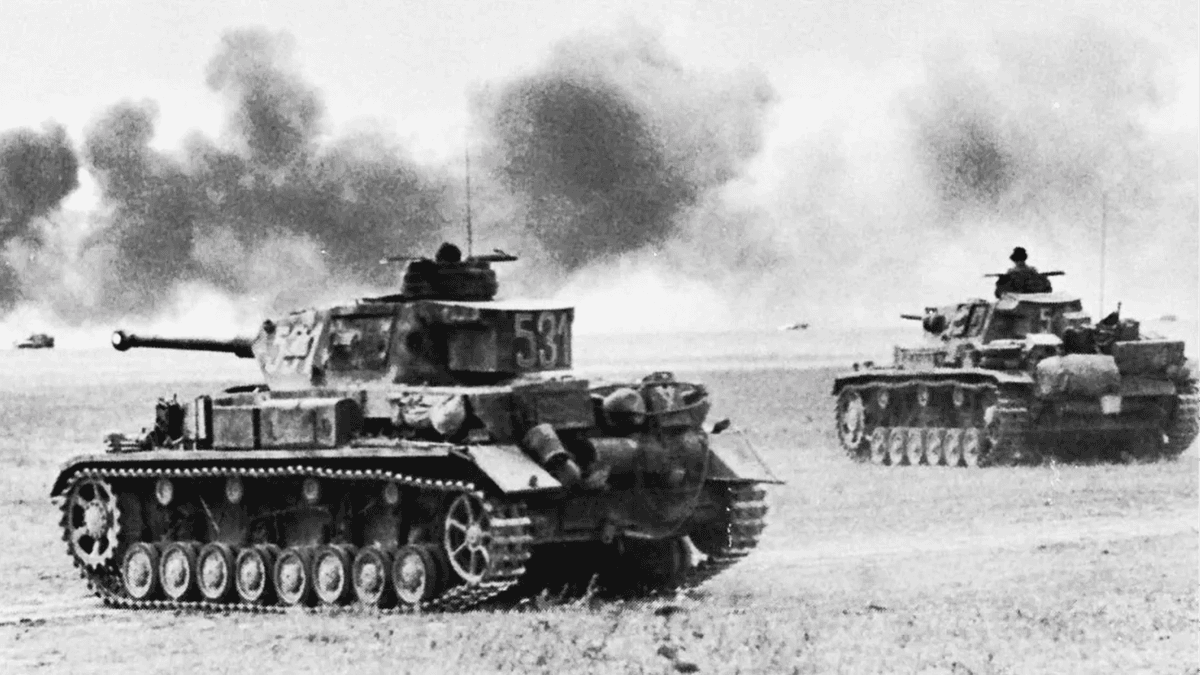
World War II: Causes, Conflict, and Consequences
A global war shaped by unresolved tensions, devastating conflict, and consequences that still define our world today.
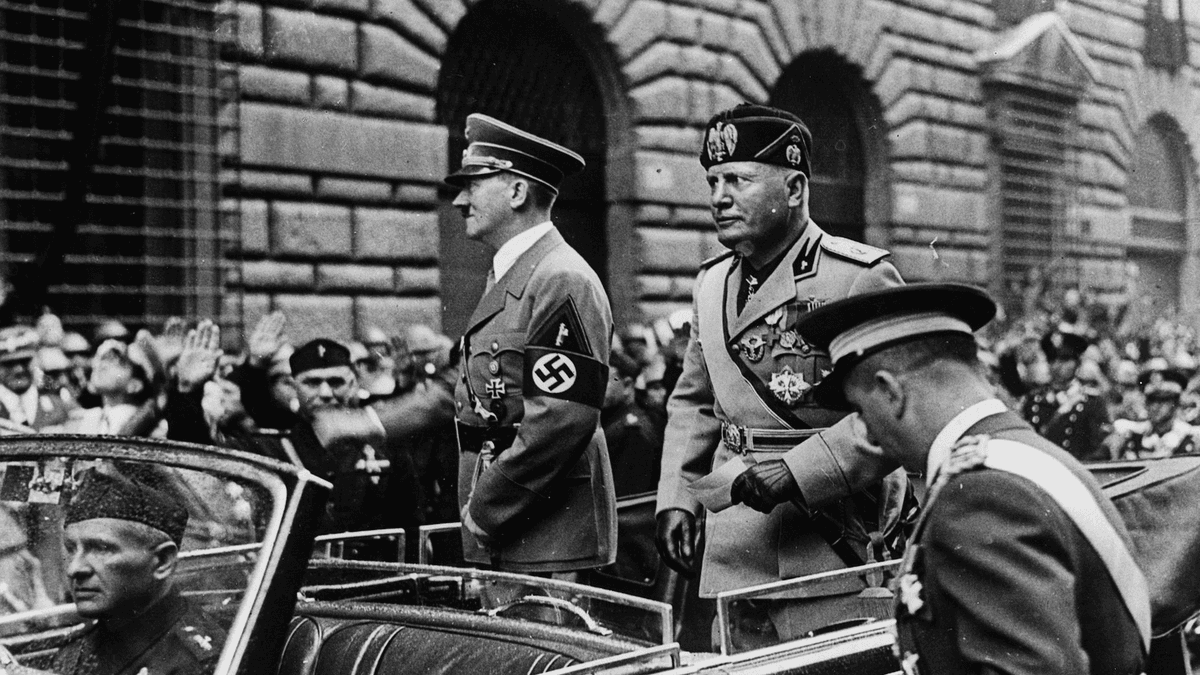
Fascism: Power, Propaganda, and the Fall of Democracy
Fascism emerged from the ruins of World War I and found its foothold in fear, nationalism, and economic despair. It promised unity, but delivered control, conformity, and catastrophe.
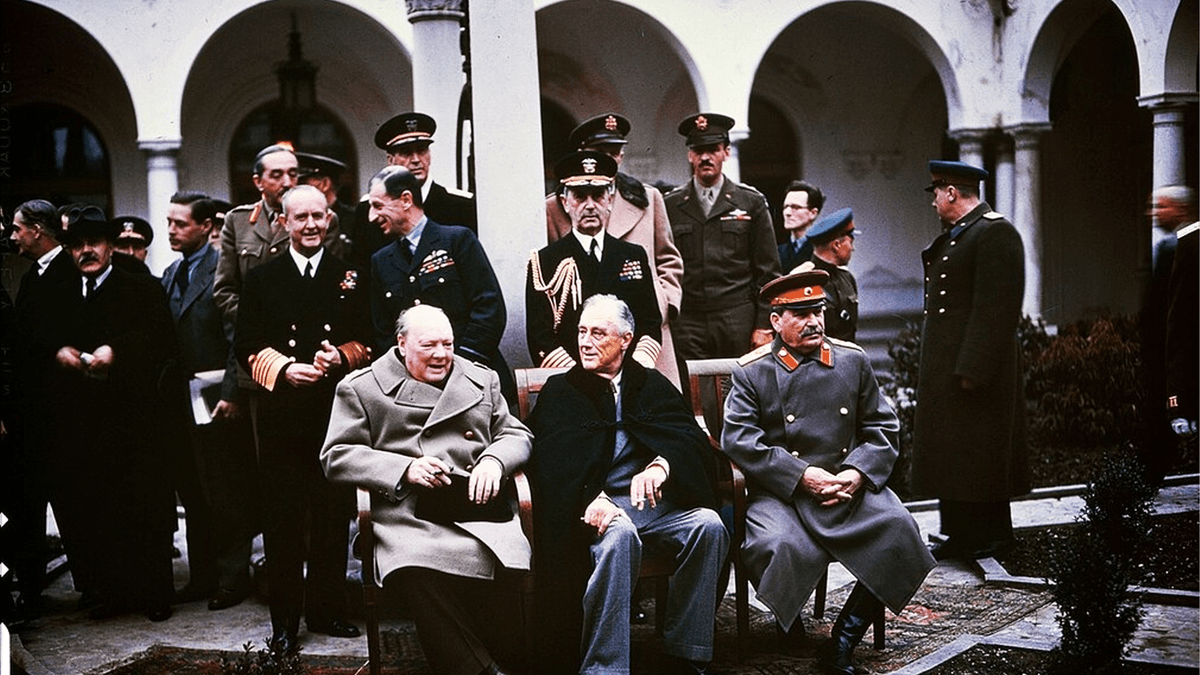
The Cold War & Fear at Home: Ideology, Power, and Public Anxiety
A global rivalry shaped by fear, ideology, and the constant tension between freedom and security.
Further Reading
Stay curious!