

Being a Good Citizen
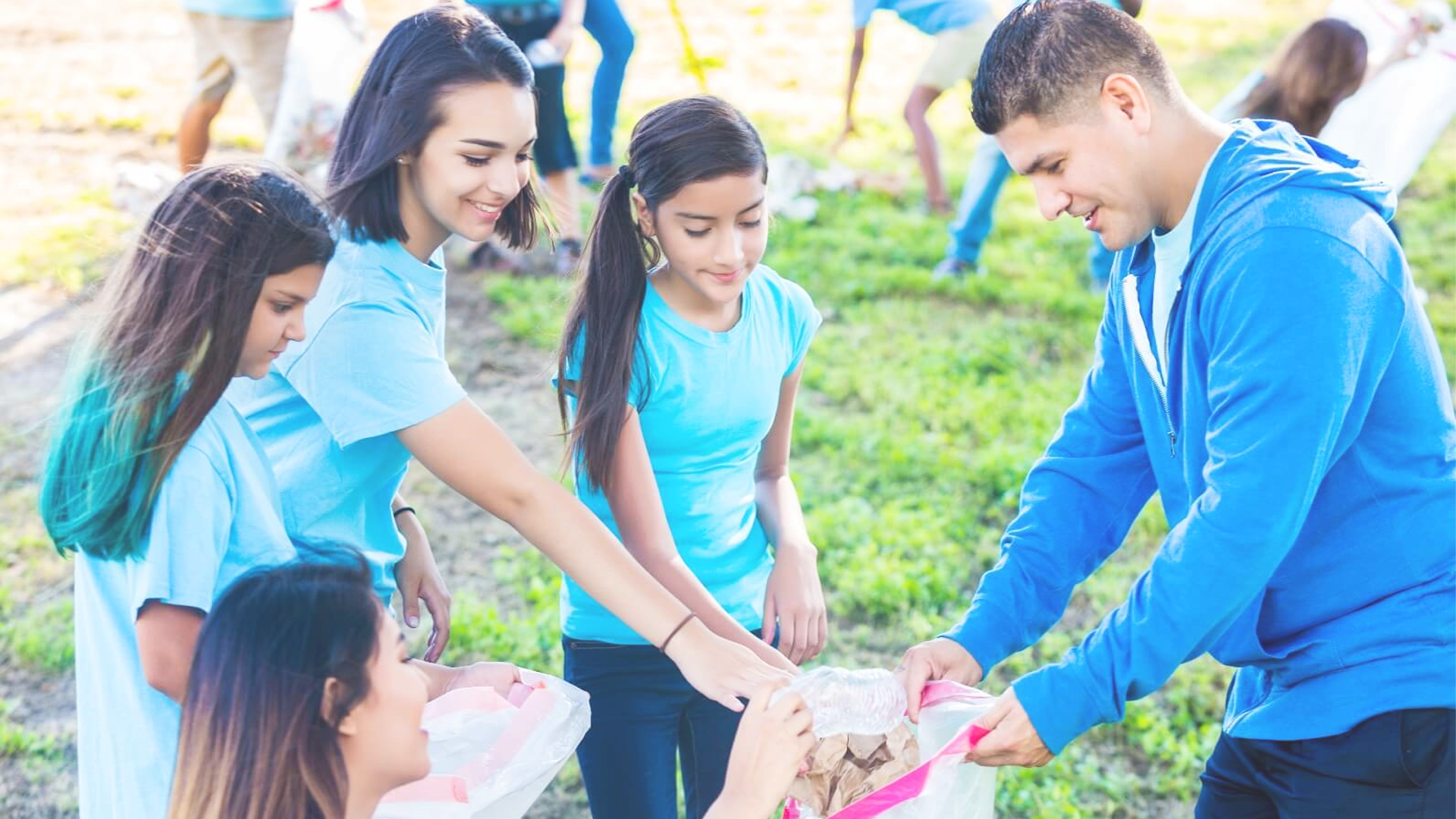
Being a good citizen goes beyond obeying laws or voting in elections.
The Dive
Being a good citizen is a concept without a single definition, because citizenship is lived, not labeled. Some people describe good citizenship as simply being a good person, while others focus on civic duties like voting, paying taxes, or following the law. In reality, citizenship includes both. It is a balance between personal character and public responsibility, shaped by how individuals treat others and participate in the life of their community.
At its foundation, good citizenship requires moral responsibility. Laws provide structure, but they cannot replace conscience. History shows that laws can be unjust, and when that happens, citizenship demands more than obedience. A good citizen thinks critically, asks whether rules serve fairness and dignity, and is willing to challenge injustice peacefully. Moral responsibility means understanding not only what is legal, but what is right.
Empathy is another essential trait of good citizenship. A society cannot function if its members are indifferent to one another’s struggles. Good citizens practice compassion, especially toward people whose beliefs, backgrounds, or experiences differ from their own. Empathy allows citizens to see others not as opponents or problems, but as neighbors. This ability to recognize shared humanity strengthens communities and reduces conflict.
Active participation is central to democratic citizenship. Democracy depends on people showing up, staying informed, and engaging with issues that affect their communities. Voting, attending meetings, organizing, volunteering, and speaking out are all forms of participation. A good citizen does not retreat into apathy or cynicism when problems feel overwhelming. Instead, they understand that progress is slow and that meaningful change requires patience and effort.
Respect for truth is a civic responsibility. Informed citizens seek facts, learn history honestly, and resist misinformation. This includes understanding both the achievements and the failures of the nation’s past. Good citizens value truth over comfort and are willing to change their views when evidence demands it. Speaking truth to power and defending factual reality are essential to protecting democratic institutions.
Conversation is a key civic skill that has become increasingly rare. Healthy citizenship requires listening respectfully, asking questions, and responding thoughtfully rather than turning every disagreement into a battle. Good citizens recognize that disagreement is normal and that differing opinions do not have to lead to hostility. What matters is whether arguments are grounded in facts and whether participants treat one another with dignity.
Citizenship today also extends into the digital world. Social media shapes how people share information, express opinions, and treat others. Good digital citizens practice the same principles online as offline. They avoid harassment, verify sources before sharing content, and remember that real people exist behind screens. Responsible digital behavior helps protect both individuals and democratic discourse.
Good citizenship is not passive. It is not something granted at birth and then forgotten. It is an active calling that must be renewed daily through care for others, responsibility for one’s actions, and engagement with the community. Citizens help shape the culture they live in, whether through kindness, courage, or silence. Choosing engagement over indifference is one of the most powerful civic acts available.
Ultimately, being a good citizen means believing that society can be better and choosing to help make it so. It requires trust in others, patience with progress, and faith in the future. Citizenship is not defined by perfection, but by commitment. When people act with empathy, responsibility, and courage, citizenship becomes more than a legal status. It becomes a shared effort to build a just and inclusive community.
Why It Matters
Democracy does not survive on laws alone. It survives through citizens who care about one another, respect truth, and participate in public life. Understanding good citizenship helps people move beyond apathy and see their role in shaping society. When citizens act with empathy, responsibility, and courage, they protect democratic values and help build communities rooted in dignity and justice.
?
Which trait of good citizenship do you find most challenging, and why?
How can citizens disagree respectfully without causing harm?
Why is empathy important in a democratic society?
What responsibilities do citizens have in digital spaces?
How can young people practice good citizenship even before they can vote?
Dig Deeper
Students explain what it means to be an involved and responsible member of their community.
A TED Talk exploring why active citizenship goes beyond voting and how individuals can create change.
Related
Basic Rights and Personal Responsibilities
Rights give us freedom. Responsibilities protect those freedoms—for ourselves and for each other.
Fair Decisions and Resolving Conflict
Fairness is not just about rules. It is about trust, dignity, and how societies resolve disagreement without losing one another.

What Is Civics?
Civics is the study of how citizens participate in democracy—and why their participation matters.
Further Reading
Stay curious!