

The Bill of Rights: What Is It and What Does It Actually Do?
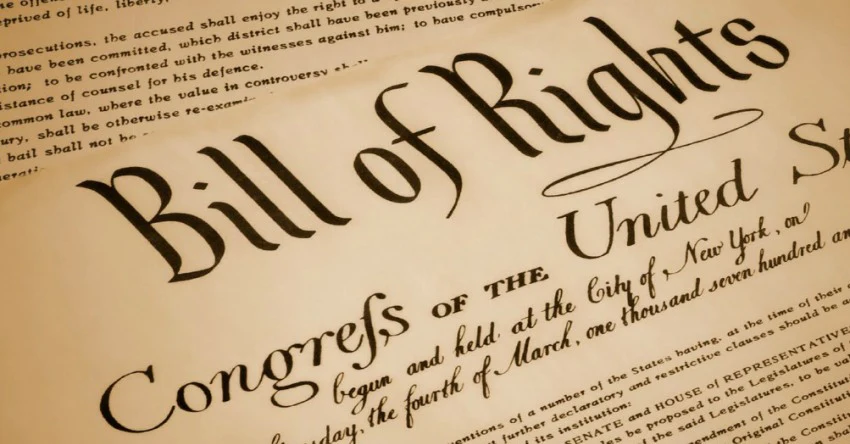
The Bill of Rights is more than a list of rules, it’s a powerful check on government power.
The Dive
When the U.S. Constitution was first written in 1787, it explained how the new government would function, but it said very little about what the government could not do. Many Americans worried that this silence left room for abuse. Having just broken away from a king who ruled without accountability, people feared trading one form of tyranny for another. The Bill of Rights emerged as a response to those fears. It was the public’s demand for clear limits on government power and firm protections for individual liberty.
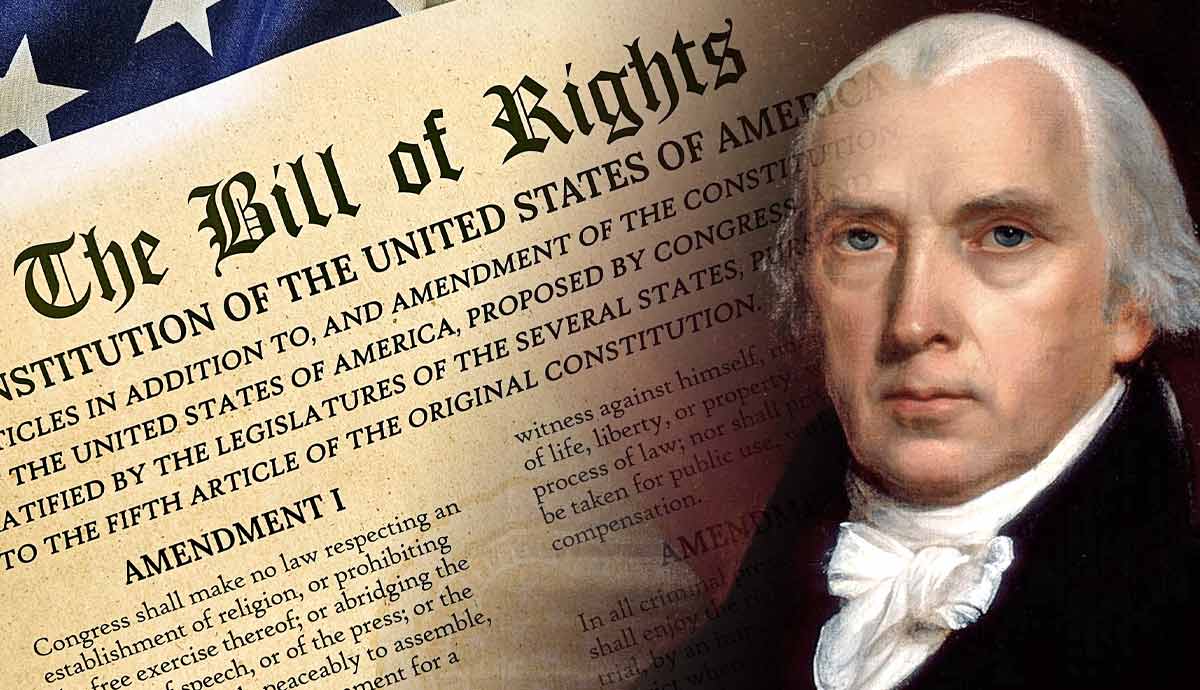
Ratified in 1791, the Bill of Rights consists of the first ten amendments to the Constitution. James Madison drafted them, drawing inspiration from Enlightenment thinkers like John Locke, British legal traditions such as Magna Carta, and colonial documents like Virginia’s Declaration of Rights. These amendments were shaped by real experiences of injustice, including censorship, unfair trials, and invasive searches. The rights they protect were not abstract ideals. They were practical safeguards meant to prevent abuses Americans had already lived through.
The Bill of Rights protects several core freedoms that remain central to American life. The First Amendment guarantees freedom of religion, speech, press, assembly, and petition. The Fourth protects people from unreasonable searches and seizures. The Fifth and Sixth establish due process and fair trial rights. These were not abstract ideals but direct responses to real abuses, including arbitrary arrests, censorship, and soldiers entering homes without permission. Together, these amendments act as guardrails that limit what the government can do to individuals and ensure that authority is exercised lawfully and fairly.
However, the Bill of Rights did not originally protect everyone. It applied only to the federal government and largely excluded women, enslaved people, Indigenous nations, and many immigrants. For decades, these freedoms existed more in theory than in practice. It took the Civil War, the Reconstruction Amendments, and later Supreme Court decisions to extend most of these protections to the states through the Fourteenth Amendment. Even then, enforcement was slow and uneven, often requiring activism, court challenges, and sustained public pressure.
Understanding the Bill of Rights also requires understanding the difference between civil liberties and civil rights. Civil liberties protect individuals from government interference, such as the right to privacy or free speech. Civil rights focus on equal treatment under the law, especially when certain groups are denied those liberties. When rights are violated and freedoms denied, both are at stake. The history of the Bill of Rights shows that rights written on paper mean little unless people demand that they apply to everyone equally.
Throughout American history, the Bill of Rights has been tested during moments of fear, conflict, and change. From the Alien and Sedition Acts to the internment of Japanese Americans, from the Patriot Act to modern debates over surveillance and protest, the tension between security and freedom has never disappeared. Each generation has had to decide whether the promises written in 1791 would be expanded, narrowed, or ignored.
One of the most important truths about the Bill of Rights is that it is not self-enforcing. Rights do not protect themselves simply because they are written down. They depend on courts willing to uphold them, institutions willing to respect them, and citizens willing to demand them. Organizations like the NAACP and ACLU, along with countless activists and ordinary people, have played a crucial role in turning constitutional promises into lived realities.
The Bill of Rights is best understood as a living framework rather than a finished product. It sets boundaries, but it also invites participation. Its future depends on whether people learn it, question it, and defend it. Civic education is not optional in a democracy. When citizens understand their rights and responsibilities, they help ensure that freedom is not inherited by accident, but sustained by choice.
Why It Matters
The Bill of Rights defines the boundary between government authority and personal freedom. It reminds us that liberty is not self-sustaining and that rights must be understood, defended, and expanded over time. Learning how these protections were created and enforced helps us recognize our role in preserving them. Democracy depends not just on laws, but on people who know their rights and are willing to defend and protect them, not just for themselves but for all. That’s how liberty lives on.
?
Why did some people want a Bill of Rights added to the Constitution?
What’s the difference between civil rights and civil liberties?
How did early American experiences under British rule shape the Bill of Rights?
What rights do you think are most at risk today—and why?
Can you think of a time in history when someone’s rights were protected because of the Bill of Rights?
Dig Deeper
Daily, Americans exercise their rights secured by the Constitution. The most widely discussed and debated part of the Constitution is known as the Bill of Rights. Belinda Stutzman provides a refresher course on exactly what the first ten amendments grant each and every American citizen.
These are our rights, what makes the USA the USA: speech, press, religion and more — and no one can take them away. Performed by Adam Lambert.
Related
The First Amendment: America’s Blueprint for Freedom
The First Amendment protects freedoms of speech, religion, press, assembly, and petition. It’s the foundation of American democracy—but also a source of constant debate and interpretation.
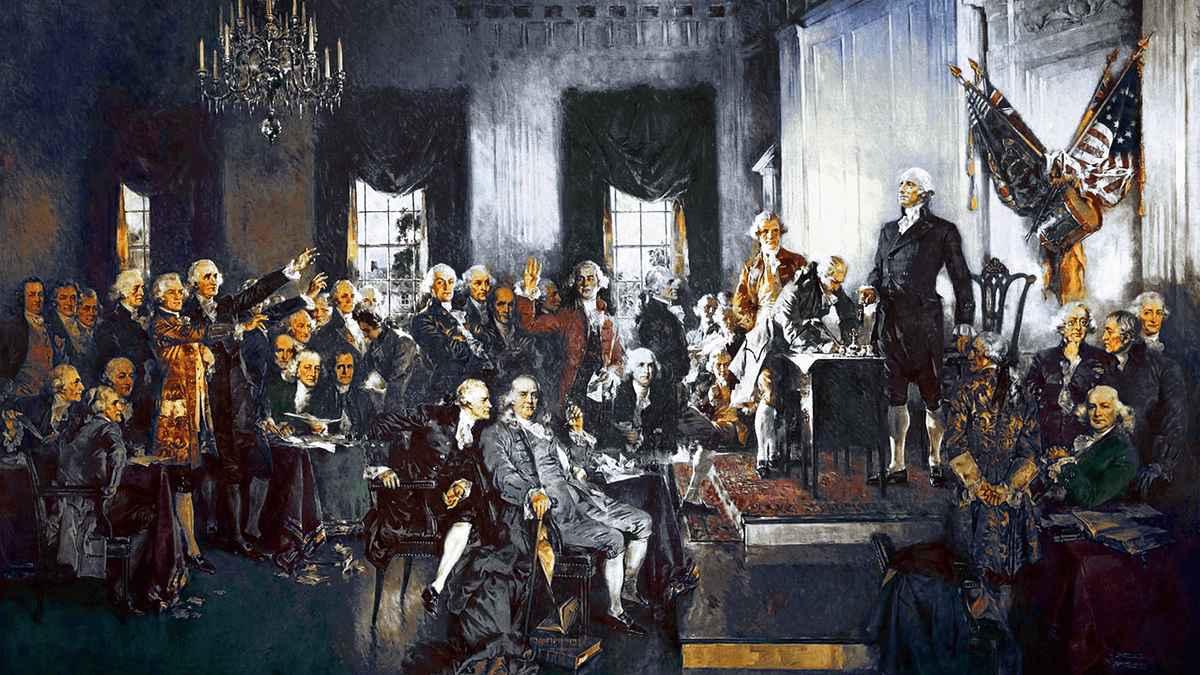
Federalists vs. Anti-Federalists: The Battle That Built the Constitution
One side feared chaos. The other feared tyranny. Together, they gave us the Constitution—and the Bill of Rights.
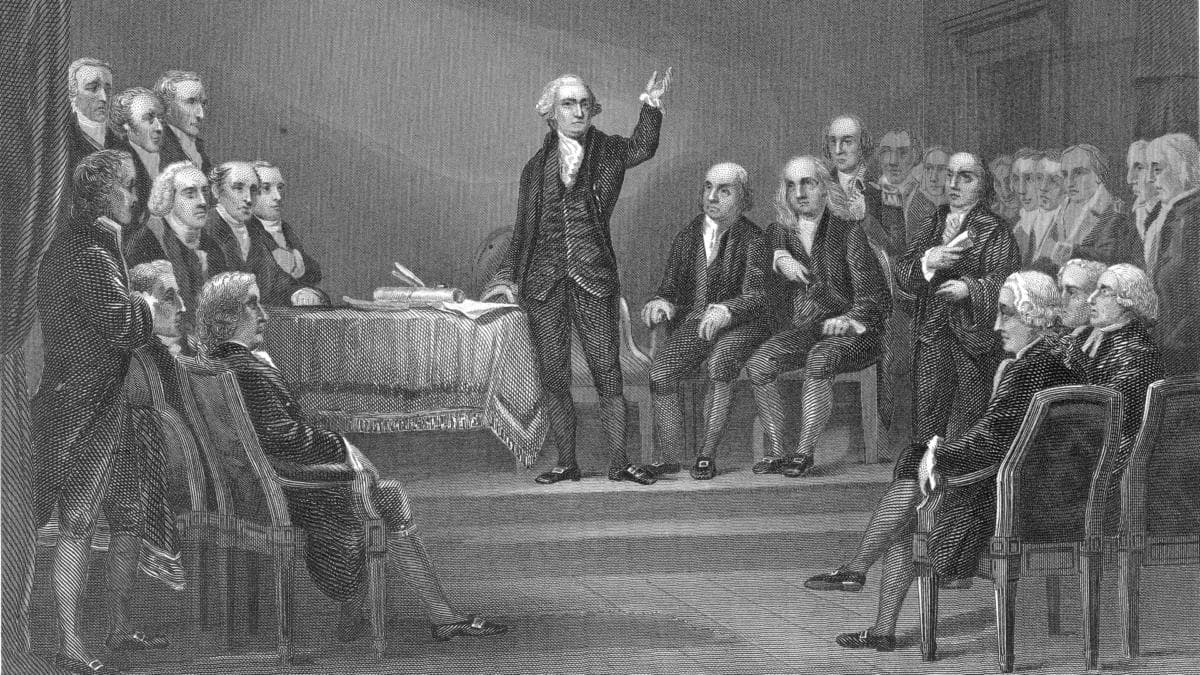
The Constitutional Convention: Building a More Perfect Mess
In the summer of 1787, 55 men locked themselves in a room to fix the government—and ended up rewriting it from scratch. What came out wasn’t perfect, but it changed everything.
Further Reading
Stay curious!