

Democracy: Government by the People
The Dive
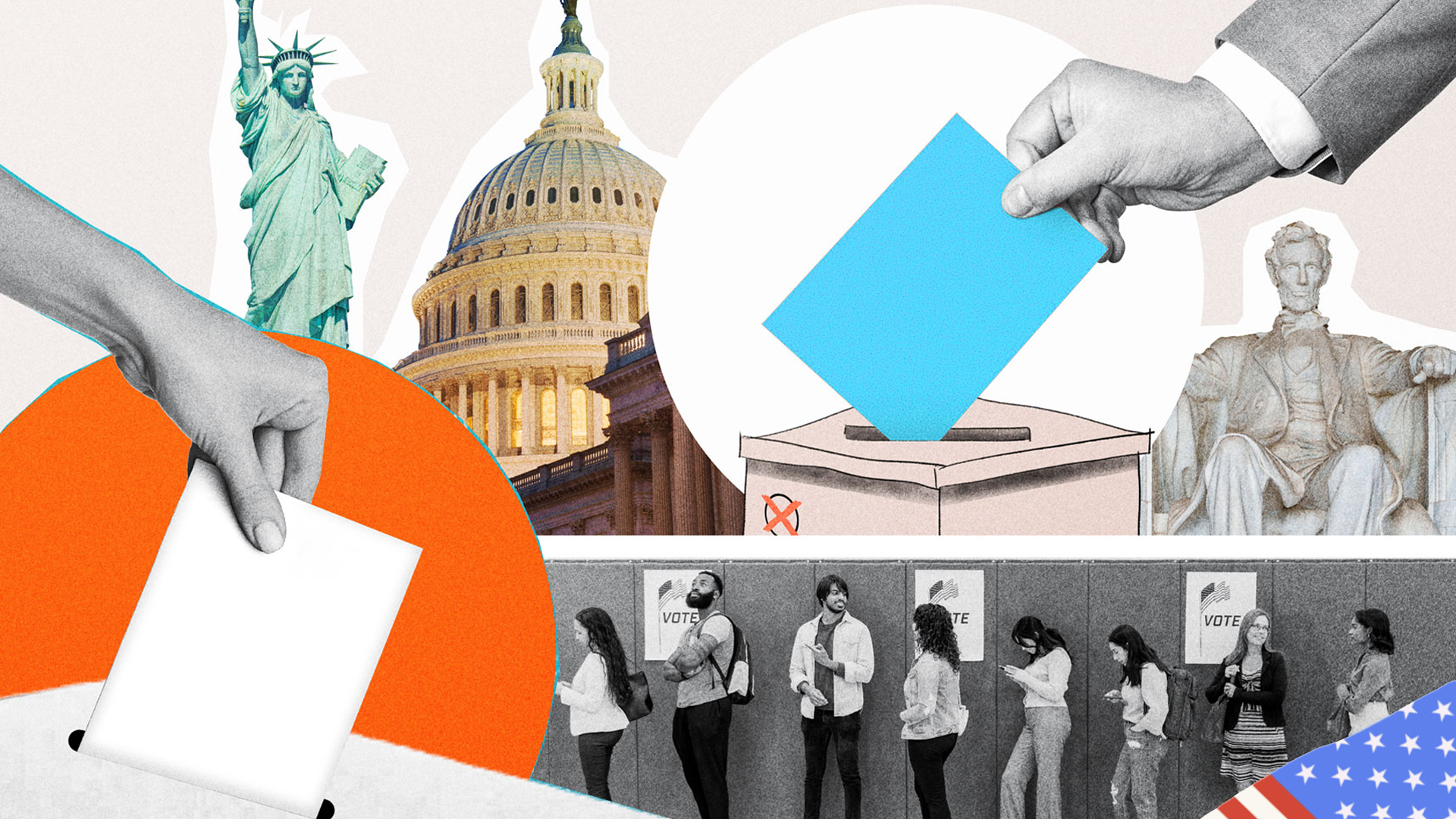
Democracy is the idea that political power comes from the people. Unlike monarchies, where power is inherited, or authoritarian regimes, where a single leader or ruling party controls everything, democracies rely on citizen participation and consent. The term itself comes from ancient Greece, where some city-states experimented with direct democracy: citizens gathered to debate and vote on laws themselves. While ancient democracy excluded many groups and looked nothing like modern systems, it introduced the radical belief that ordinary people—rather than kings, nobles, or emperors—should have a say in their own governance.
The American version of democracy developed during the Revolutionary era, heavily shaped by Enlightenment thinkers like John Locke and Montesquieu. Locke argued that governments exist to protect people’s natural rights, and Montesquieu emphasized dividing power among branches to prevent tyranny. These ideas inspired the Declaration of Independence and the Constitution, which laid the foundation for a representative democracy built on checks and balances. Although early American democracy was deeply unequal—excluding women, enslaved people, Indigenous nations, and most non-property-holding men—it planted the seeds of a system that could expand over time.
Over the 19th and 20th centuries, movements for abolition, women’s suffrage, civil rights, labor rights, and voting rights pushed the nation to live up to its democratic ideals. Democracy evolved through struggle, protest, and activism, gradually widening the circle of people allowed to participate. These expansions were not gifts from leaders but victories won by citizens who demanded inclusion. This long history shows that democracy is never finished; it will always require people willing to fight for fairness, representation, and equality.
Around the world, democracies take many forms. Parliamentary democracies like the United Kingdom, Canada, and India rely on elected legislatures that choose the head of government. Presidential democracies, like the United States and Brazil, elect executives separately from their legislatures. Some countries combine features of both. What unites all democracies is the idea of accountable leadership, regular elections, the rule of law, and protection of basic rights. These features sharply contrast with authoritarian systems, where leaders suppress dissent, restrict the media, and concentrate power, as well as monarchies where authority rests in hereditary rulers rather than the people.
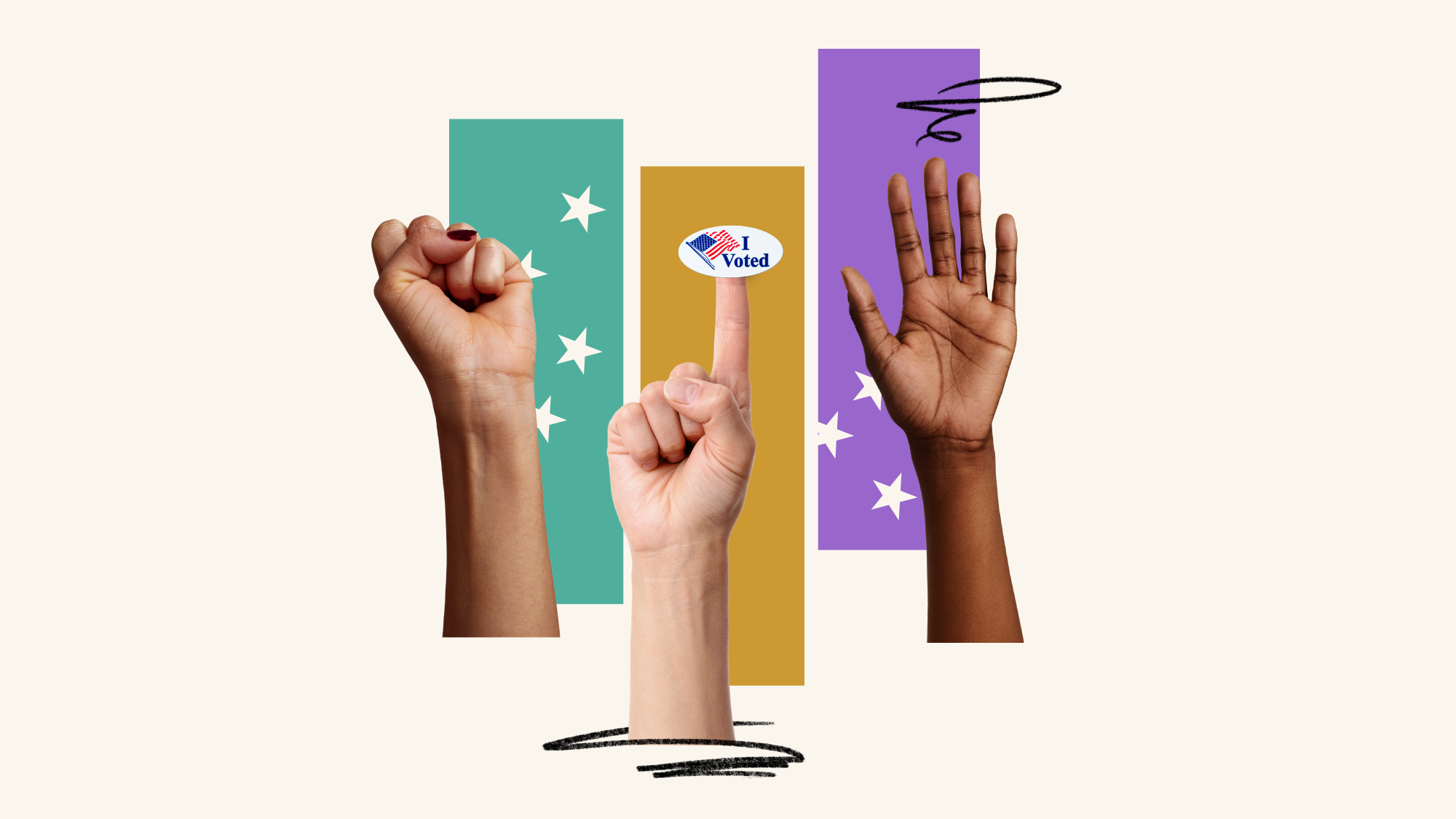
Healthy democracies depend on institutions such as free and fair elections, independent courts, a free press, and protections for human rights. But institutions alone are not enough. Democracy requires informed participation—citizens who pay attention, ask questions, hold leaders accountable, and show up in the political process. When people disengage from civic life, power shifts quietly toward those who already have it, making corruption and inequality more likely. Participation is not just voting every few years; it includes staying informed, speaking out, joining community organizations, and defending the rights of others.
Because democracy can fail, civic education is essential to understand how democratic structures function, why they were designed this way, and how ordinary citizens can influence them. Civic education teaches students how to evaluate sources, debate respectfully, navigate misinformation, and recognize when democratic norms are being undermined. A population that understands democracy is far harder to manipulate and far better equipped to protect its freedoms.
One of democracy’s greatest strengths is its ability to self-correct. When leaders abuse their power, elections, courts, journalists, and citizen movements can challenge them. This ability to change course without violence is one of democracy’s greatest strengths. Systems that concentrate power, whether monarchies or authoritarian governments, rarely allow such accountability. They often silence critics, which leads to secrecy, corruption, and poor decision-making. Democracies, even imperfect ones, provide peaceful tools to repair injustice and expand rights.
Ultimately, democracy survives only when people choose to keep it alive. Its significance lies in giving ordinary citizens the authority to shape their own future. Not kings, not generals, not elites. Every generation must decide whether democracy will stagnate or strengthen. Through active participation, informed debate, and a commitment to protecting the rights of all, citizens become the engine that keeps democracy moving forward. Democracy is not something handed down; it is something we build together.
Why It Matters
Democracy matters is one of the few political systems that assumes ordinary people deserve a real say in how their lives are governed. It's not perfect, and it has often failed to live up to its own promises, especially for marginalized communities. But unlike authoritarian systems, democracy gives people tools to challenge injustice, remove abusive leaders, and demand change without resorting to violence. Defending democracy means more than waving a flag or repeating slogans; it means learning how the system works, recognizing where it is broken, and using your voice, your vote, and your organizing power to push it closer to its ideals. When citizens stop caring, democracy dies. When citizens get informed, show up, and refuse to give up on each other, democracy becomes a living engine for freedom, dignity, and shared power.
?
In your own words, how is democracy different from just 'majority rule'?
Which democratic principle do you think is most at risk today (for example, free elections, rule of law, independent media), and why?
How have social movements in U.S. history pushed democracy to expand who counts as 'the people'?
What specific actions can teenagers take now to strengthen democracy, even before they can vote?
Why do you think some people are drawn to more authoritarian leaders, and how should democratic societies respond?
Dig Deeper
Crash Course Political Theory explores the roots of democracy, its critics, and the big questions about whether it still works today.
Related
Separation of Powers
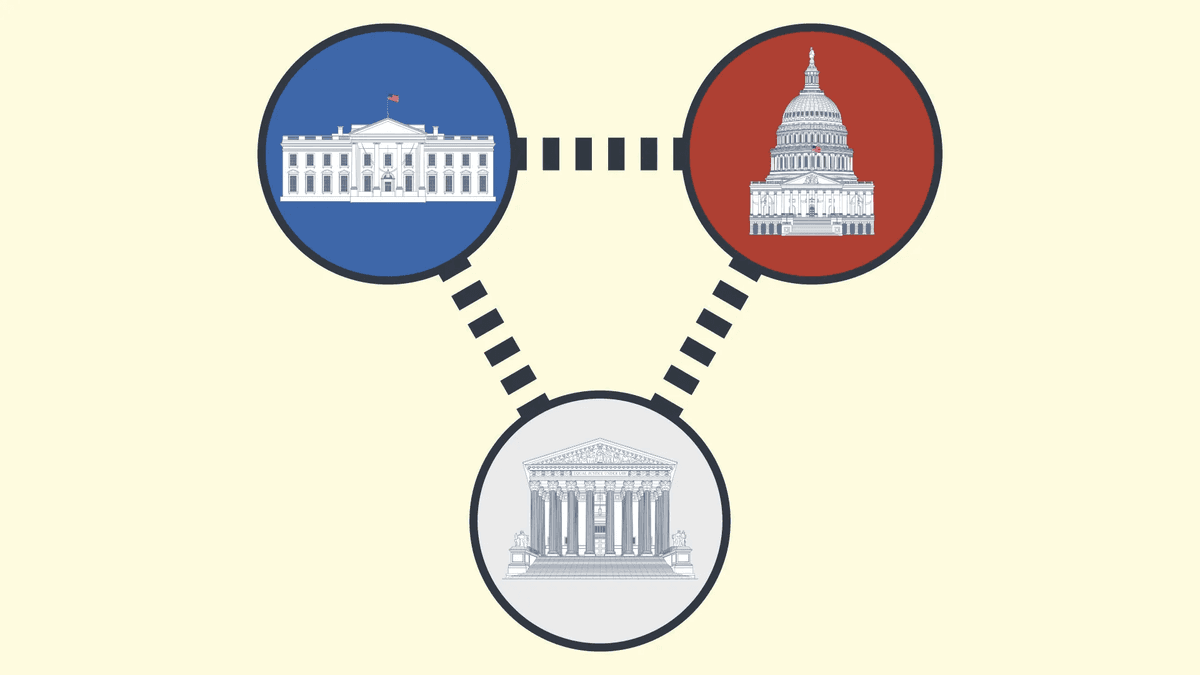
The U.S. Constitution divides power among three branches—legislative, executive, and judicial—to prevent tyranny and keep government balanced.
Basic Rights and Personal Responsibilities
Rights give us freedom. Responsibilities protect those freedoms—for ourselves and for each other.
What Is Civics?
Civics is the study of how citizens participate in democracy—and why their participation matters.
Further Reading
Stay curious!