

Empathy vs. Sympathy: Feeling With vs. Feeling For

Sympathy says, “I feel bad for you.” Empathy says, “I am trying to feel with you.”
The Dive
Everyone has days when they feel sad, frustrated, or alone. These feelings are a normal part of being human. What really matters is how we show up for others during those tough moments. Sympathy says, “I feel bad for you.” Empathy says, “I'm here with you, and I want to understand how you're feeling.” When we learn the difference, we become better friends, classmates, and teammates.
Sympathy is caring from the outside. You notice someone's hurting, and you feel sorry for them. Empathy goes deeper. Empathy means trying to imagine what the other person's feeling. It means picturing yourself in their shoes and showing them that their feelings matter. Dr. Brené Brown, a researcher who studies emotions, says it simply: “Empathy fuels connection. Sympathy drives disconnection.”
Dr. Brown also explains that there are four key parts to empathy. The first is taking someone else’s perspective, which means trying to see the situation the way they see it. The second is staying out of judgment, which means you don't criticize or blame. The third is recognizing the person’s feelings, even if they don't say them out loud. The fourth is communicating that you understand, using words that show care and respect.
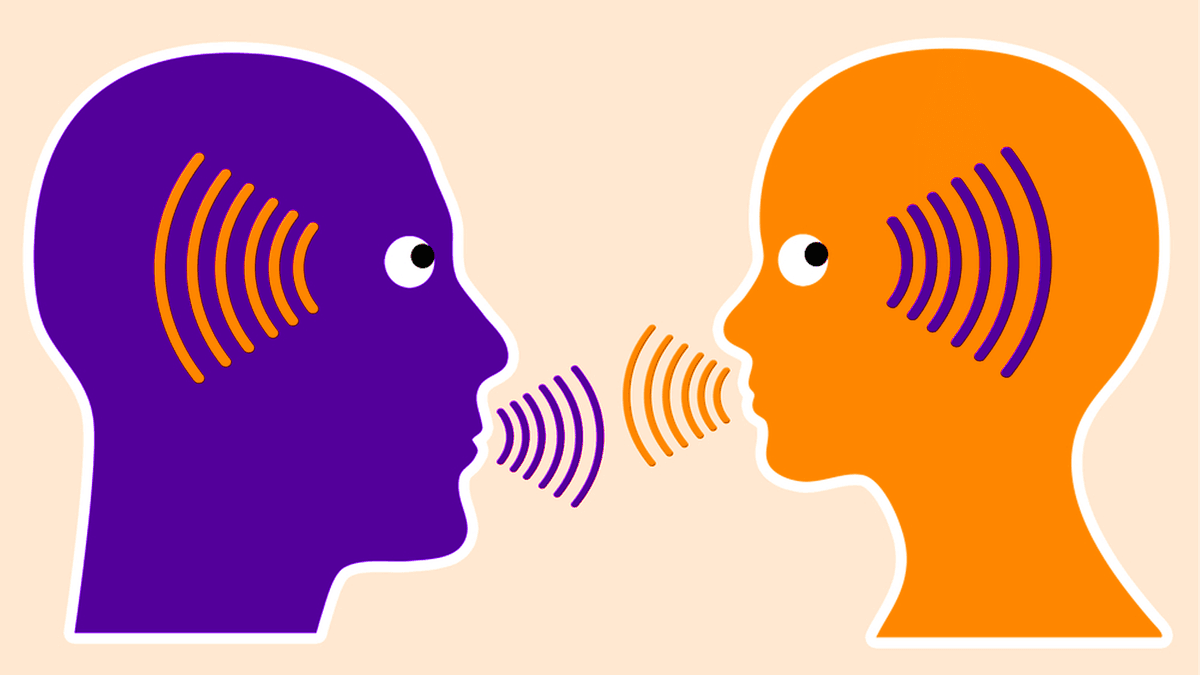
Empathy starts with listening. You put down your phone, turn your body toward who's talking, and pay attention to their words and tone. You can say things like, “Sounds tough,” or “You seem pretty frustrated.” You don't jump in with advice or try to fix the problem right away. You let them finish and take your time responding.
Using validating phrases helps the person feel understood. You might say, “I can see why you feel that way,” or “That would be hard for me too,” or even, “Thank you for telling me.” These sentences do not mean you agree with everything they say. They simply show that their feelings make sense and that you care about them.
There are times when sympathy is enough. When something sad happens far away, like a natural disaster on the news, you may say, “I feel for those families,” and maybe donate or help in another way. But with people close to you, relying only on sympathy can make them feel lonely. Empathy builds closeness because it lets them know they're not facing their feelings alone.
Empathy also means avoiding habits that get in the way, like interrupting, rushing to solutions, or changing the subject to your own story. Instead, ask open questions like, “What's the hardest part?” If you want to share your own experience, keep it short so the focus stays on the person who is hurting.
The real test of empathy is simple. After you speak, does the other person feel more heard and less alone? If the answer is yes, you are practicing empathy. When we choose empathy, we make our relationships stronger and our communities kinder. Empathy helps us understand one another, support one another, and make the world feel a little safer for everyone.
Why It Matters
Being able to tell the difference between empathy and sympathy changes how teams, families, and classrooms work. Empathy helps people feel safe enough to share truthfully, which improves problem solving and reduces conflict. Sympathy may be appropriate from a distance, but close relationships need understanding that says, “I am with you,” not just, “I feel bad for you.” When we practice naming feelings, listening without fixing, and responding with validation, we build trust, improve collaboration, and learn to handle hard moments with care.
?
What is one validating phrase you could use this week with a friend or family member?
When might sympathy be the most appropriate response, and when might empathy be better?
How can you show empathy while still keeping a healthy boundary?
Think of a time you wished someone had shown you empathy. What words would have helped?
Dig Deeper
Try to understand how other people experience the world.
An animated explainer on how empathy creates connection while sympathy can create distance.
Related
Active Listening: The Power of Paying Attention
Active listening isn’t just about hearing—it’s about understanding. When we listen with our whole body and mind, we build stronger relationships, reduce conflict, and show people they matter.

Practicing Compassion: Responding with Kindness Instead of Reacting
Compassion is empathy in action — the choice to respond with kindness even when it’s easier to snap back. In conflict, compassion is what turns reaction into thoughtful response.
Empathy vs. Sympathy: Feeling With vs. Feeling For
Sympathy says, 'I feel bad for you.' Empathy says, 'I feel this with you.' Knowing the difference can transform the way we connect, support, and understand others.
Further Reading

Stay curious!