

The Great Depression: America in Crisis
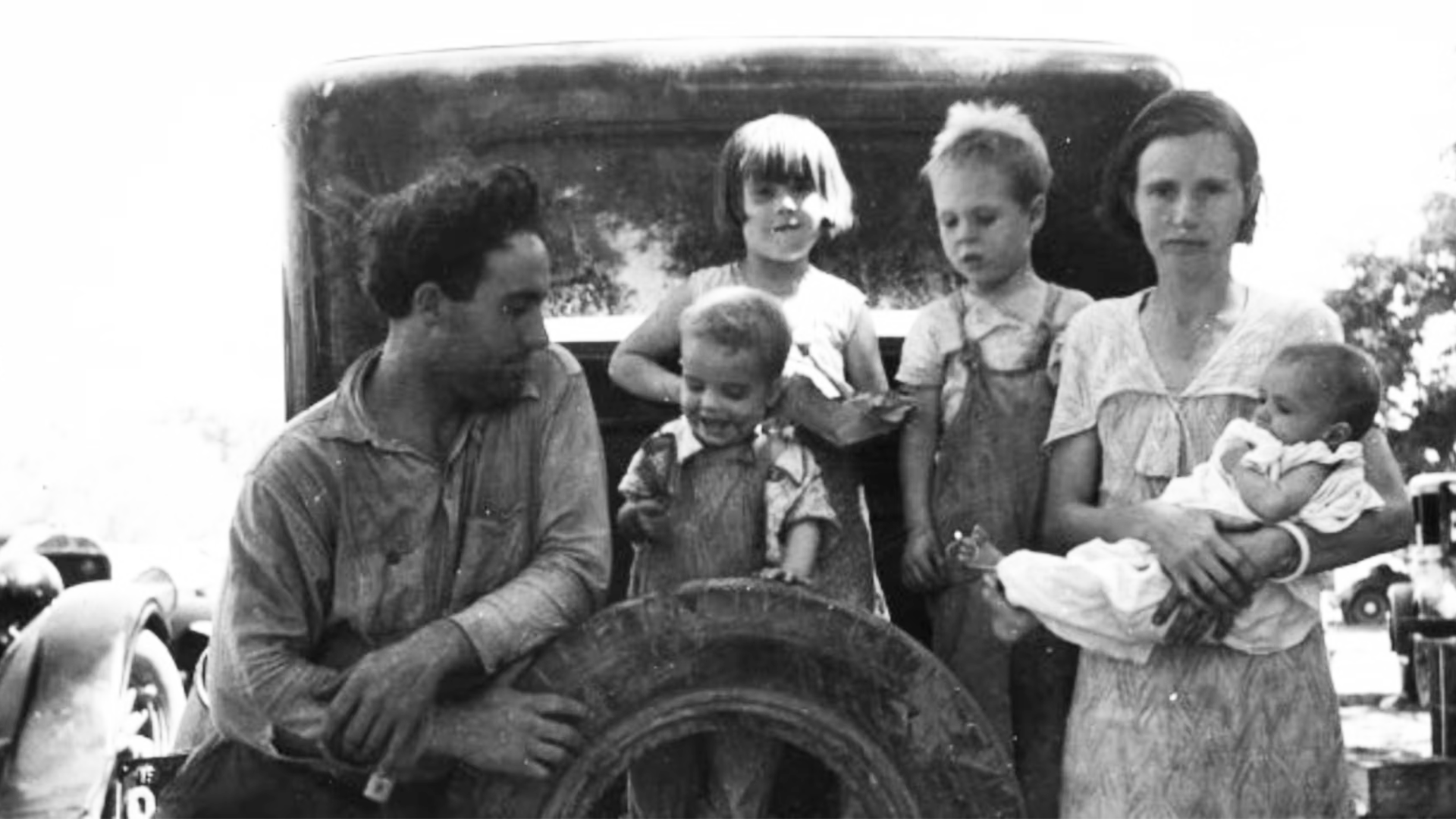
The Great Depression was the most severe economic crisis in U.S. history, marked by mass unemployment, business failures, and widespread poverty.
The Dive
The Great Depression wasn't just a bad moment in history—it was a full system breakdown. Beginning in 1929 and lasting more than a decade, it became the worst economic crisis the United States had ever experienced. Businesses failed, banks collapsed, and millions of people lost their jobs. But to understand why it happened—and how the country recovered—we have to look beneath the surface. The Great Depression wasn’t caused by one single event. It was the result of a fragile economy finally cracking under pressure.
In the 1920s, the United States looked like it was thriving. Factories were producing goods at record levels, people were buying cars, radios, and appliances, and many Americans were investing in the stock market. But this growth was uneven and unstable. Wealth was concentrated in the hands of a small percentage of people, while many workers and farmers struggled to get by. Businesses were producing more goods than people could afford to buy, and many families relied on credit to maintain their lifestyles. At the same time, banks made risky loans, and investors began buying stocks with borrowed money—something known as “buying on margin.” The system looked strong, but underneath, it was stretched thin.
The breaking point came in October 1929. As stock prices became wildly overvalued, investors began to panic. On October 29, known as Black Tuesday, millions of shares were sold in a rush. Prices collapsed, and billions of dollars in wealth disappeared almost overnight. But the stock market crash was not the end—it was the beginning of a chain reaction. People lost confidence in the economy. Businesses cut back on production. Workers were laid off. And as incomes fell, people spent even less, which made the situation worse.
One of the most damaging effects of the Great Depression was the collapse of the banking system. At the time, there was no insurance to protect people’s savings. When banks began to fail, customers rushed to withdraw their money, causing even more banks to collapse. As thousands of banks closed, millions of Americans lost everything they had saved. This led to a powerful and dangerous cycle: less money in the system meant less spending, less production, and more unemployment.
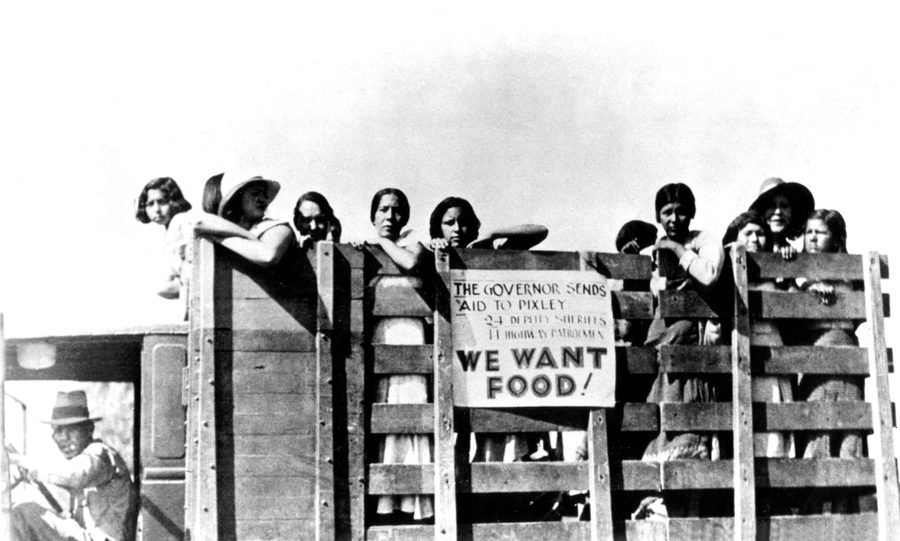
By 1933, nearly one out of every four workers in the United States was unemployed. Factories shut down, businesses closed, and families struggled just to survive. In cities, people stood in long lines at soup kitchens, while others built makeshift homes called “Hoovervilles” out of scrap materials. In rural areas, farmers faced falling crop prices and massive debt. Many lost their land to foreclosure. At the same time, a severe drought in the Great Plains created the Dust Bowl, forcing thousands of families to leave their homes in search of work elsewhere.
The effects of the Great Depression weren't felt equally. African Americans, immigrants, and women often faced even higher unemployment rates and were sometimes excluded from relief programs. Inequality grew, and many people began to question whether the government was doing enough to help.
At first, President Herbert Hoover believed the economy would fix itself and that government intervention should be limited. But as conditions worsened, it became clear that a new approach was needed. In 1932, Franklin D. Roosevelt was elected president with a promise to take bold action. He introduced a series of programs known as the New Deal, designed to provide relief, recovery, and reform.
The New Deal changed the role of the federal government in a major way. Programs like the Civilian Conservation Corps (CCC) and the Works Progress Administration (WPA) created jobs for millions of Americans. The Agricultural Adjustment Administration (AAA) helped stabilize farm prices, while the Tennessee Valley Authority (TVA) brought electricity and development to rural areas. The government also introduced important financial reforms, such as the Federal Deposit Insurance Corporation (FDIC), which protected people’s bank deposits, and the Securities and Exchange Commission (SEC), which regulated the stock market.
These programs helped stabilize the economy and restore confidence, but they didn't fully end the Great Depression. The real turning point came with World War II. As the United States began producing weapons, vehicles, and supplies for the war effort, factories reopened and millions of jobs were created. Unemployment dropped dramatically, and the economy finally returned to full strength by the early 1940s.
Why It Matters
The Great Depression was more than an economic collapse — it was a powerful case study in cause and effect. It changed the United States in lasting ways, showing how deeply connected the economy is—how problems in banks, businesses, and government can quickly spread to everyday people. It also reshaped the role of government, leading to programs like Social Security and unemployment insurance that still exist today. Most importantly, it taught a powerful lesson: economic systems are not unbreakable, and when they fail, the consequences can affect an entire nation. Looking back, the Great Depression is not just a story of loss—it is also a story of response, resilience, and change. It reminds us that when a system breaks down, people must decide how to rebuild it—and who it should serve moving forward.
?
What economic weaknesses made the U.S. vulnerable to the Great Depression?
How did the Great Depression affect urban and rural communities differently?
Why were certain groups, such as African Americans and immigrants, hit harder by the crisis?
How did public perception of the federal government change during the Great Depression?
What lessons from the Great Depression are still relevant to economic policy today?
Dig Deeper
The Great Depression — its causes, impact, and the initial responses of President Herbert Hoover.
Related
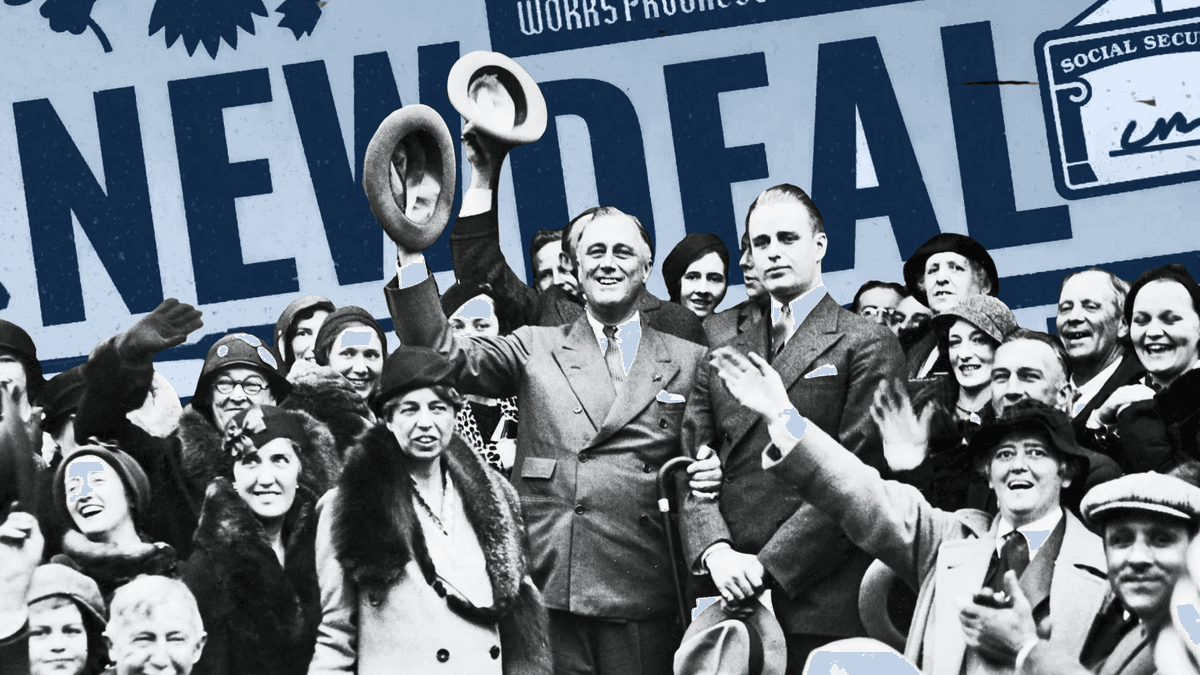
The New Deal: Fighting Depression with Bold Ideas
Faced with economic collapse, President Franklin D. Roosevelt launched a revolutionary plan to rebuild America from the ground up. The New Deal wasn’t just policy—it was a bold experiment in hope, action, and government responsibility.
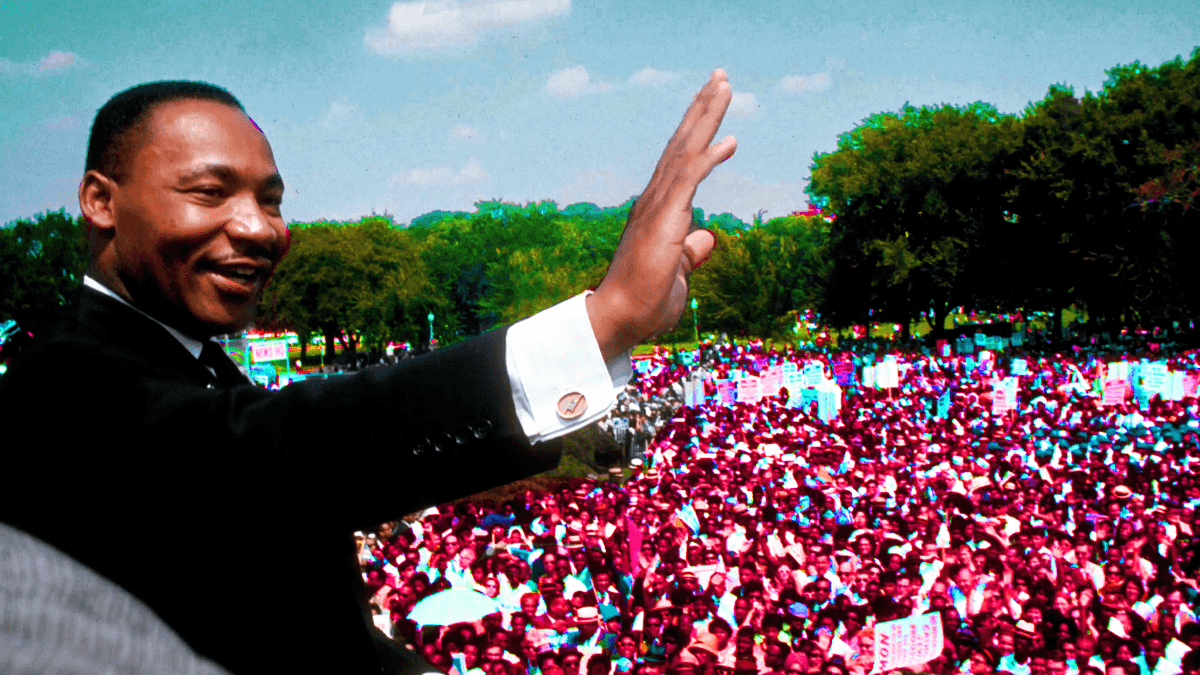
MLK the Disrupter and the Poor People’s Campaign
Dr. Martin Luther King Jr.’s final chapter was about more than civil rights—it was a bold demand for economic justice that challenged the nation’s values at their core.
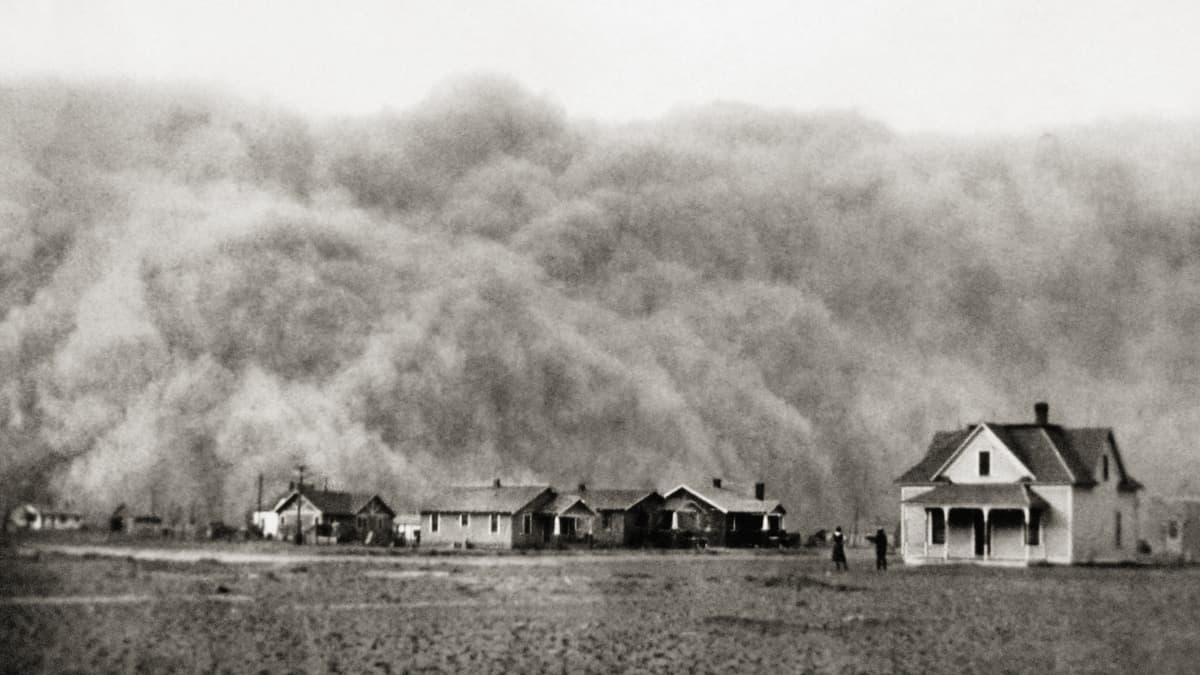
The Dust Bowl and the Price of Plowed Dreams
On May 11, 1934, a dust storm two miles high turned daylight into darkness and carried America’s soil into the Atlantic Ocean. But this wasn’t just a weather event—it was the collapse of a dangerous illusion.
Further Reading
Stay curious!