

Identity & Experience: How Our Stories Shape Our View of the World
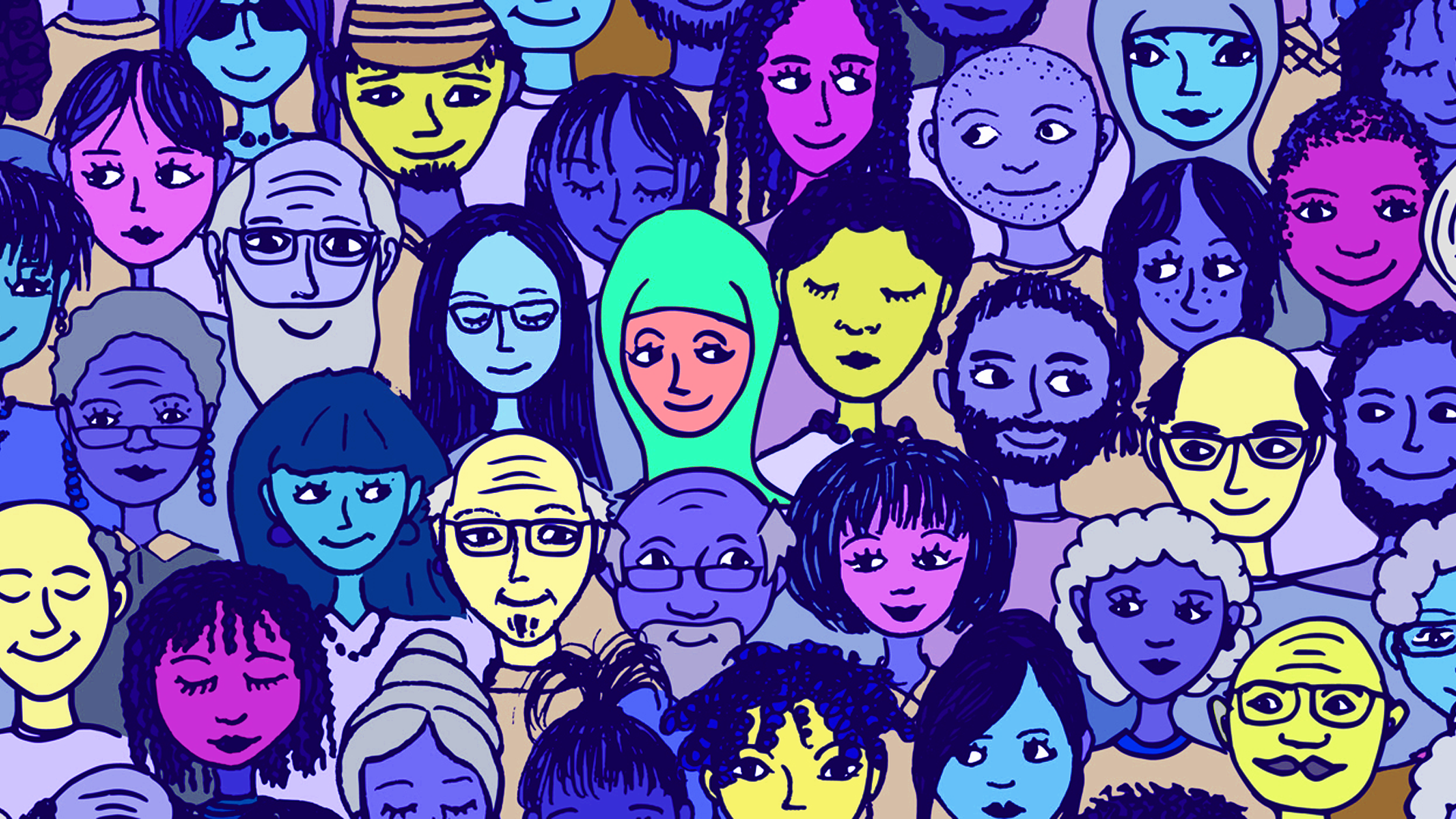
Who we are and what we’ve been through shapes how we understand everything around us.
The Dive
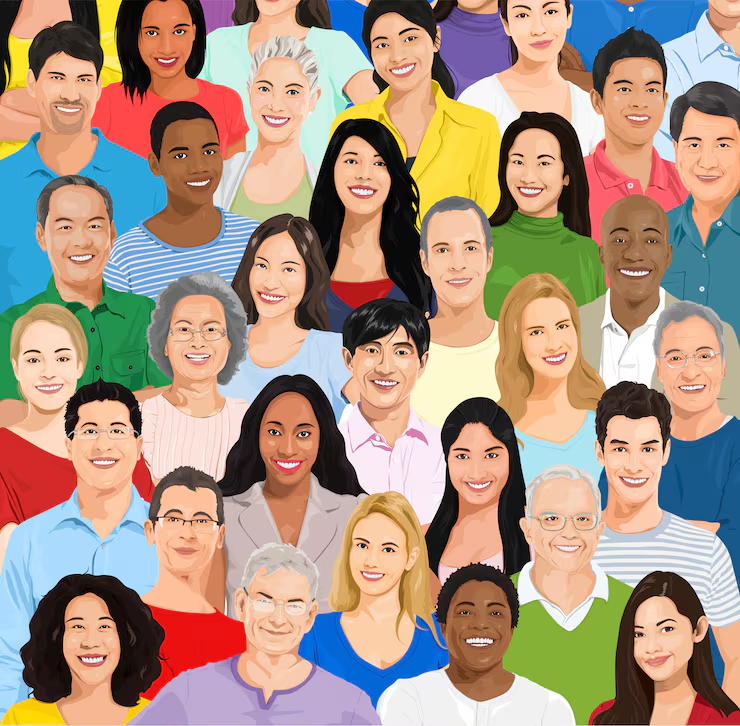
Everyone views the world through our own personal lens shaped by our identity. Our culture, family values, beliefs, interests, and life experiences. No two people have the same combination of these factors, which means no two people interpret a situation the same way. Your identity is like a unique recipe, full of ingredients that influence what you notice, what you care about, and how you respond to challenges or conflict.
Perspective grows out of these experiences. Two people can go through the same event like moving schools, losing a friend, or joining a new team, and walk away with totally different interpretations. The meaning we give our experiences matters just as much as the experiences themselves. When conflicts arise, remembering that each person has their own perspective helps prevent misunderstandings and opens the door to healthier conversations.
Our identities influence how we navigate conflict. Age, size, gender, cultural norms, communication styles, and past experiences all influence whether we enter conflict with confidence or hesitation. A younger person might feel intimidated speaking up. A kid who moved a lot might react quickly to perceived rejection. Someone raised in a culture that avoids confrontation may shut down instead of arguing. Understanding these differences is the foundation of empathy.
Perspective-taking becomes even more important when identity intersects with systems of privilege and oppression. This is the core of intersectionality, a term introduced by Professor Kimberlé Crenshaw to explain how race, gender, class, and other identities overlap to shape a person’s lived experience. Two people may both face challenges, but their experiences will differ depending on how their identities overlap within society’s power structures. Acknowledging these differences isn't about dividing people, it’s about understanding the world we live in more clearly.
In communities and friendships, conflicts often intensify when we assume our perspective is the only rational one. Real empathy requires slowing down, listening to each person’s story, and understanding why the issue matters to them. What might seem small to an adult may feel enormous to a kid. What seems obvious to one person may feel confusing or threatening to someone from a different cultural background. Respecting these differences allows us to respond with patience rather than judgment.
Our minds can also fall into confirmation bias, the comfortable trap where we gravitate toward ideas just like our own. Left unchecked, it becomes an echo chamber that shrinks our world. The antidote is curiosity: the willingness to ask questions, to listen deeply, and to consider perspectives that challenge our assumptions. When we do this, we sharpen our critical thinking and broaden our sense of what it means to be human.
Inclusive communities are built with intention. They grow when people feel seen, valued, and safe to bring their full selves into the room. When we honor each other’s stories, acknowledge the inequities some face, and resist assumptions as easy shortcuts, we create spaces where trust can flourish. Respecting identities and boundaries is not just a kindness; it is a strategy for belonging.
Ultimately, perspective-taking is both a social skill and a civic responsibility. It teaches us how to engage with others thoughtfully, recognize injustice, and work toward solutions that lift entire communities. Understanding identity and perspective doesn’t simply help us resolve conflict—it equips us to build a more compassionate, equitable world, one conversation at a time.
Why It Matters
Understanding identity and perspective is how we move from just sharing space with people to truly connecting with them. It builds stronger friendships, fairer classrooms, and more inclusive communities. When we learn to value different viewpoints—especially those that challenge our own—we unlock empathy, creativity, and the power to create a more just world.
?
How do your experiences shape how you see the world?
Can you think of a time someone else’s perspective helped you understand something better?
What’s something you used to believe that changed after listening to someone else?
Why is it important to hear from people who are different from us?
What can you do to avoid being stuck in an echo chamber?
How can we create more inclusive environments where everyone feels heard?
Dig Deeper
Who are you? What makes you who you are? This video follows Sheng as he explores the different things that create his identity – including his values, hobbies, cultural background, religion, language, and personality.
Related
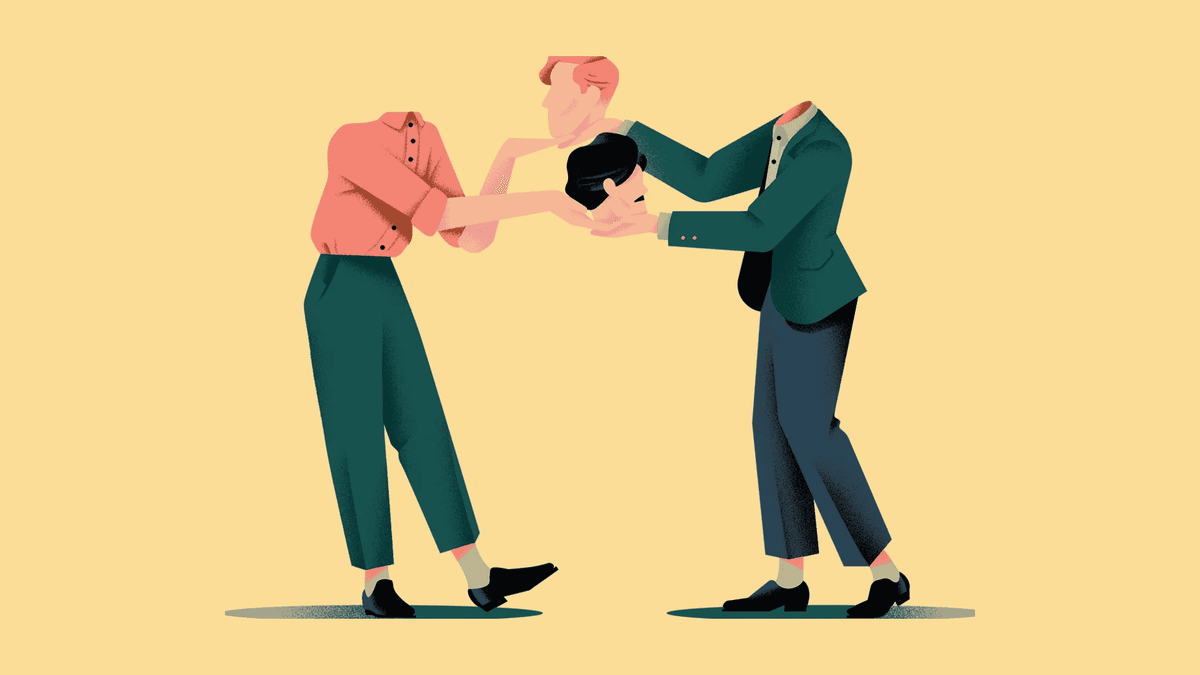
Walking in Someone Else’s Shoes: The Power of Perspective Taking
Perspective taking is about understanding how the world looks and feels to someone else—not just guessing, but truly listening. It’s not about becoming them; it’s about caring enough to try.
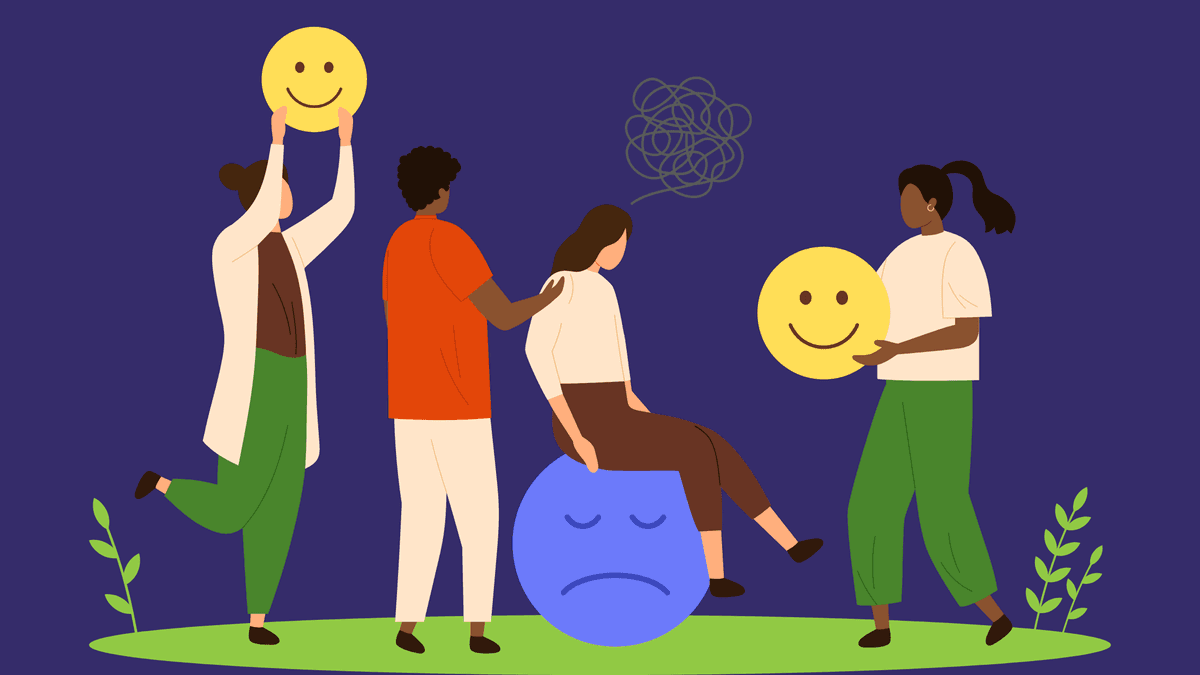
Feelings & Conflict: Understanding Emotions in Disagreements
Conflict isn’t just about facts—it’s about feelings. Big emotions like worry, anger, and fear can shape how we respond in a disagreement. Understanding these feelings is the first step to handling conflict in a healthier way.
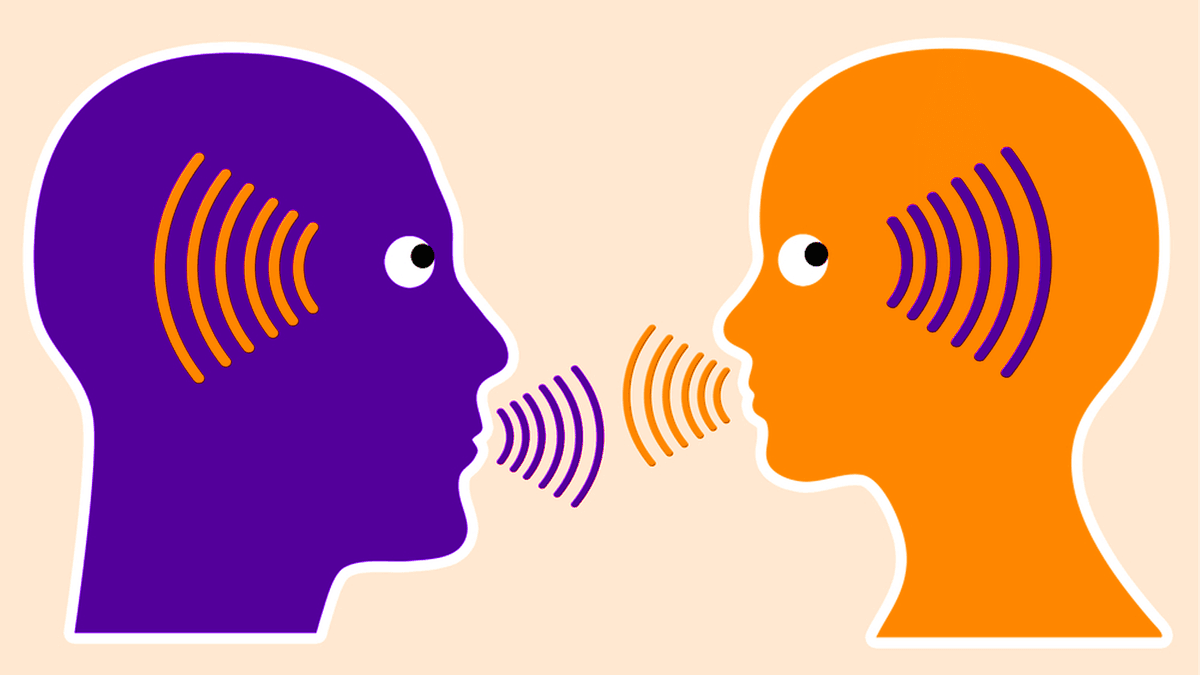
Active Listening: The Power of Paying Attention
Active listening isn’t just about hearing—it’s about understanding. When we listen with our whole body and mind, we build stronger relationships, reduce conflict, and show people they matter.
Further Reading
Stay curious!