

How Interrupting Breaks Communication
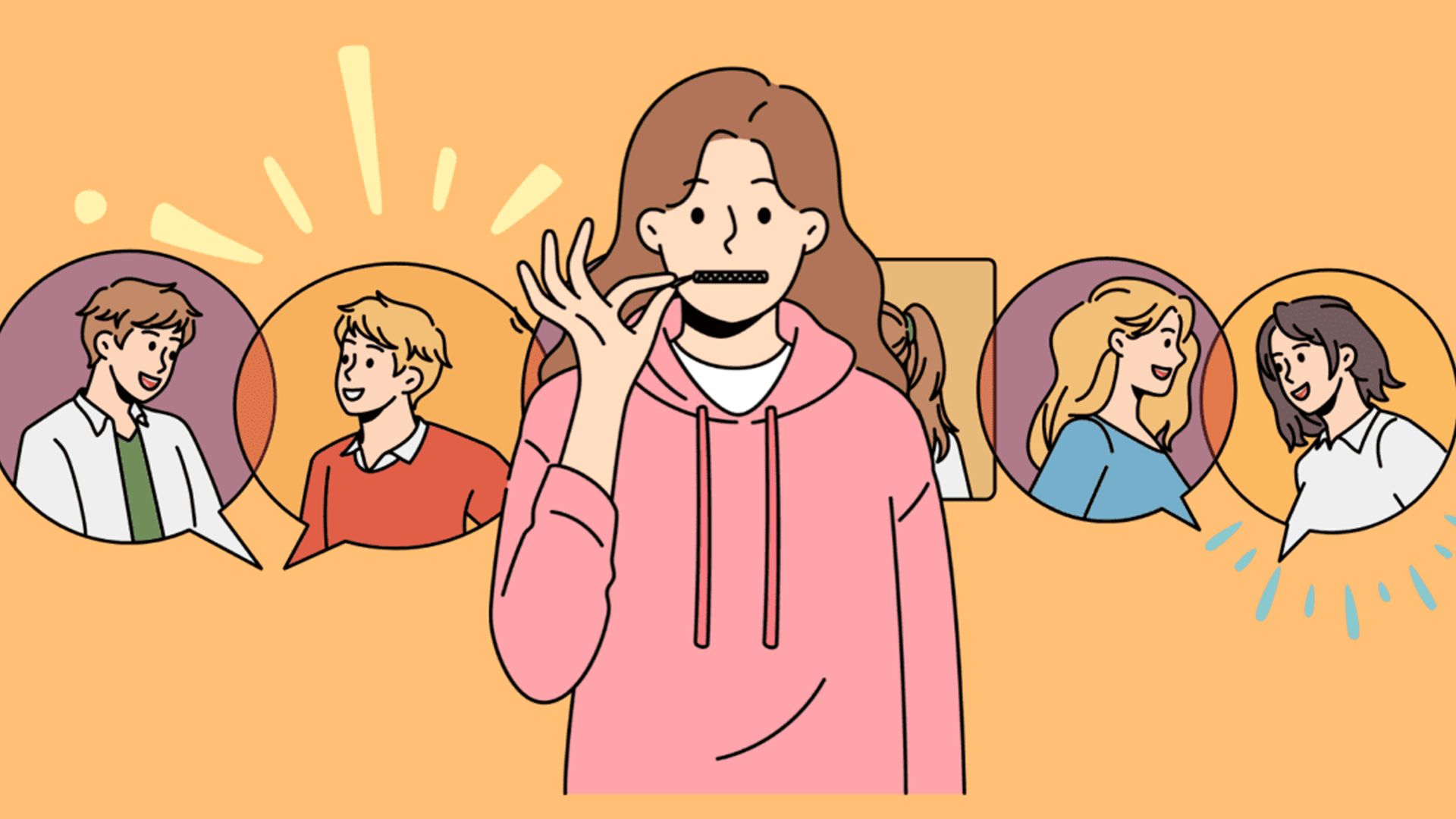
Interrupting isn’t just about blurting things out, it’s about missing the chance to hear, understand, and connect.
The Dive
Interrupting might not seem like a big deal, but it sends a loud message: 'What I have to say matters more than what you’re saying.' Even if that’s not what you mean, cutting someone off can make them feel dismissed or unimportant. Every time we interrupt, we shift the focus away from understanding and toward control, and that’s when communication starts to fall apart.
Good communication begins with listening, really listening. Active listening isn’t about waiting for your turn to speak. It’s about paying full attention, understanding what’s being said, and remembering it afterward. When we listen closely, we build trust, show respect, and learn far more than when we rush to fill the silence.
Sometimes we interrupt because we’re excited, we think we already know what they’re going to say, or we’re scared we’ll forget our idea. These feelings are normal, but acting on them too quickly means missing out on something important like the chance to hear someone else’s full idea. When we interrupt, we trade connection for control.
Active listening is a skill that can be practiced every day. It means making eye contact, keeping your body calm, and focusing on the speaker’s words instead of forming your next sentence. Therapists, teachers, and leaders use this skill because it builds empathy. Empathy is the foundation of meaningful conversation. It heps us understand what someone feels and why.
Interrupting happens even more during phone calls, video chats, or online discussions where facial cues and tone are harder to read. Without body language, it’s easy to talk over one another. That’s why it’s especially important to pause before speaking, notice when others want to share, and use polite phrases like, 'Can I add something?' or 'Go ahead, I’ll wait.'
If you accidentally interrupt, the best response is simple: pause, apologize, and let the other person finish. Saying, 'Sorry, please go ahead,' shows maturity and self-awareness. It turns a mistake into an opportunity to rebuild trust and model good communication.
When you replace interrupting with active listening, you transform how people experience conversations with you. Friends feel heard. Teammates feel respected. Classmates feel included. And you start to notice more—ideas, emotions, and perspectives that might have been missed in the rush to speak.
Listening deeply doesn’t mean giving up your voice; it means using it wisely. When you wait, reflect, and respond with care, your words carry more meaning. The best communicators aren’t the loudest—they’re the ones who make others feel valued and understood.
Why It Matters
Learning not to interrupt isn’t just about good manners, it’s about emotional intelligence. When we practice patience and active listening, we give others the space to feel seen and understood. This builds trust, strengthens teamwork, and teaches empathy, the ability to care about what others think and feel. In friendships, classrooms, and families, the ability to listen deeply is one of the most powerful ways to lead with kindness and make your voice matter.
?
Dig Deeper
Children will learn to wait for a turn to speak and not interrupt others while they are talking.
Related
The Power of a Real Apology
Saying 'I’m sorry' might feel awkward, but when it’s done right, it can heal hurt feelings and rebuild connection. A good apology isn’t about being perfect—it’s about being human.
Active Listening: The Power of Paying Attention
Active listening isn’t just about hearing—it’s about understanding. When we listen with our whole body and mind, we build stronger relationships, reduce conflict, and show people they matter.

Walking in Someone Else’s Shoes: The Power of Perspective Taking
Perspective taking is about understanding how the world looks and feels to someone else—not just guessing, but truly listening. It’s not about becoming them; it’s about caring enough to try.
Further Reading

Stay curious!