

The Louisiana Purchase: A River, A Bargain, and a Bigger United States
The Dive
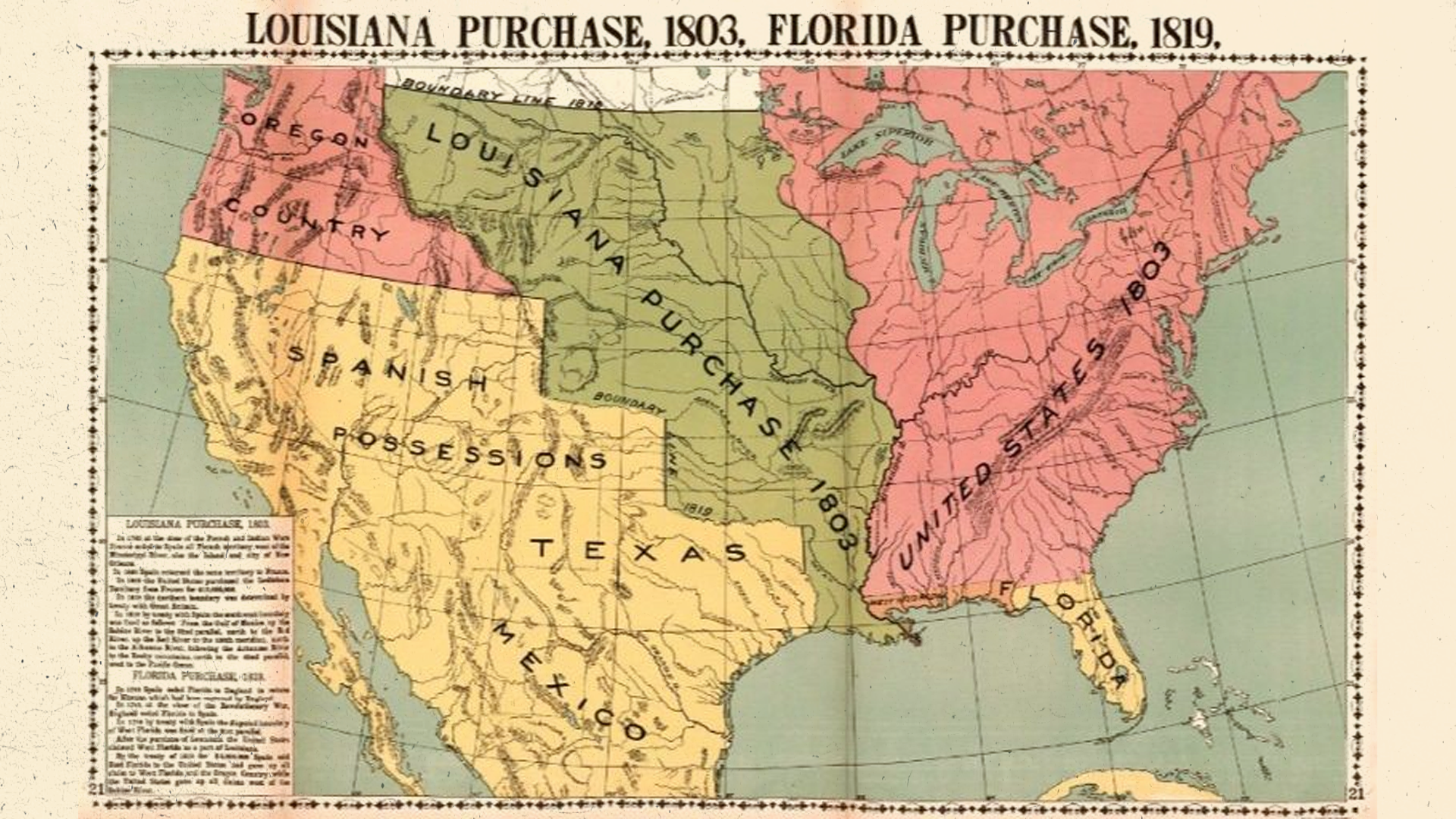
At the start of the 1800s, most Americans lived east of the Mississippi River. The lands beyond were home to dozens of Indigenous nations who had lived there for generations, hunting, farming, and trading across the Great Plains and river valleys. To European powers, this vast region was known as Louisiana, once claimed by France and later handed to Spain after the French and Indian War. But in 1801, Spain secretly returned the territory to France, and that single move made the young United States very nervous.
The Mississippi River was America’s lifeline. Farmers in the western territories relied on it to ship crops down to the port of New Orleans, where goods were sent around the world. When Spanish officials acting under French orders suddenly cut off American access to New Orleans in 1802, it felt like an emergency. Without that port, western farmers could not sell their crops, and trade could collapse. President Thomas Jefferson, usually cautious about using federal power, decided something had to be done quickly.
Jefferson sent two diplomats, Robert Livingston and James Monroe, to France with a mission: buy New Orleans and nearby land for up to $10 million. But when they arrived, they received a shocking counteroffer. France’s ruler, Napoleon Bonaparte, was preparing for war with Great Britain and needed money. Instead of just selling New Orleans, he offered the entire Louisiana Territory (nearly 827,000 square miles) for $15 million, or about three cents an acre. The diplomats accepted on the spot, even though they had no authority to agree to such a huge deal.
Napoleon’s decision was influenced by more than European politics. In the French colony of St. Domingue, now Haiti, enslaved people had risen up in a massive revolution inspired by the ideals of liberty and equality. The rebellion defeated French forces and ended Napoleon’s dream of building a New World empire. Without the sugar wealth from Haiti, Louisiana was no longer valuable to France. It became a burden, and Napoleon decided to sell it to the United States rather than lose it to the British.
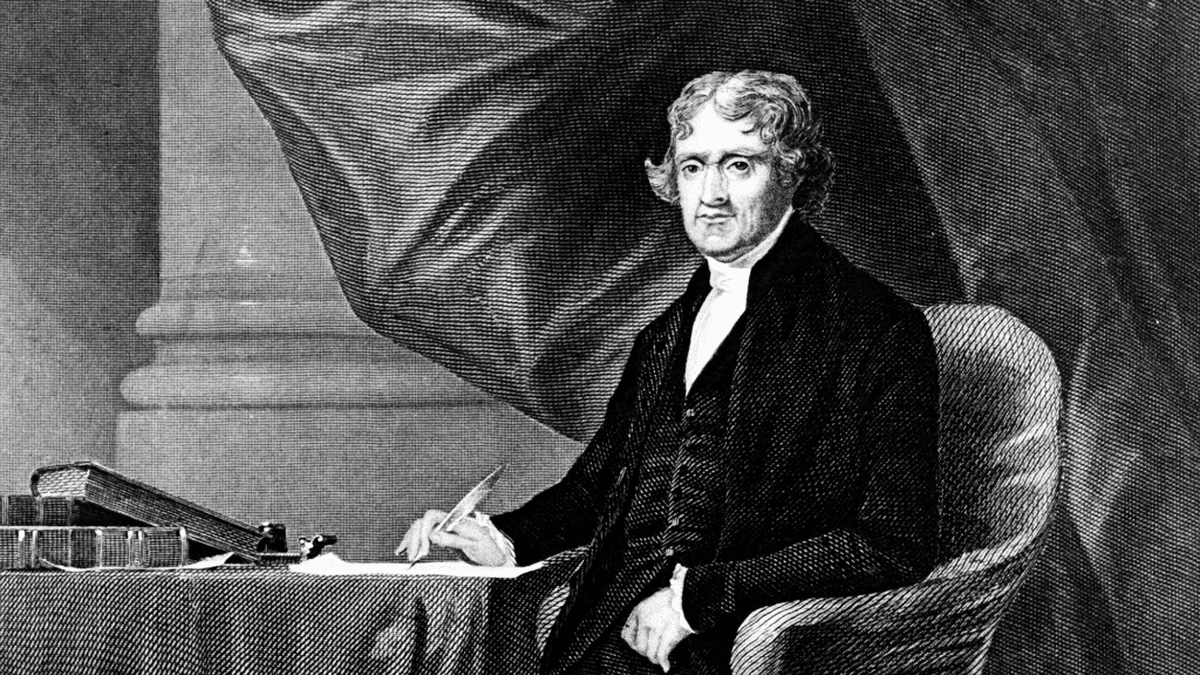
When the news reached Washington, President Jefferson was thrilled, though a bit uneasy. The U.S. Constitution said nothing about presidents buying land from foreign nations. Jefferson, who believed in following the Constitution strictly, worried he might be overstepping his powers. Yet the opportunity was too extraordinary to ignore. He reasoned that the president’s power to make treaties could include the power to purchase territory. “The less we say about constitutional difficulties, the better,” he admitted privately.
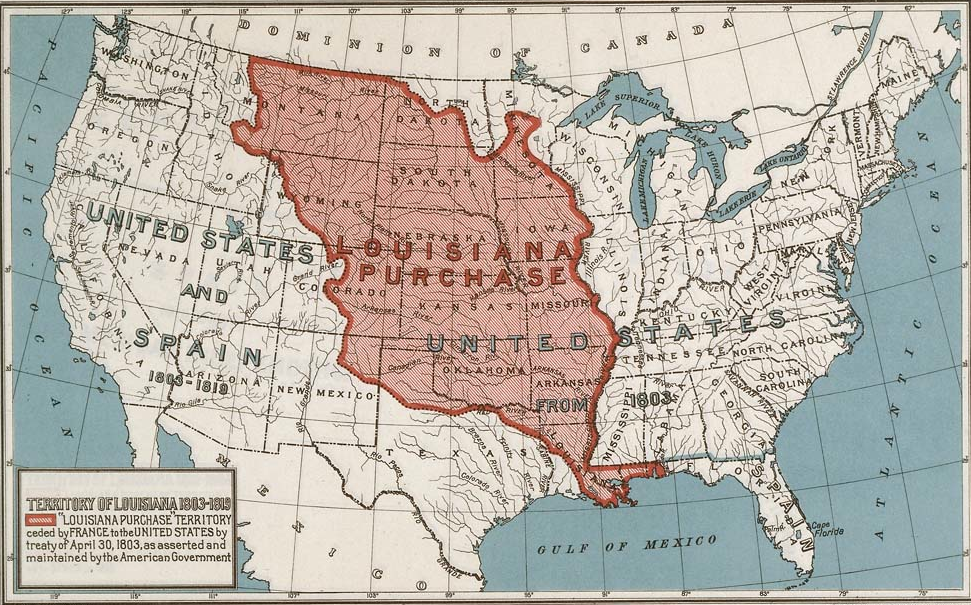
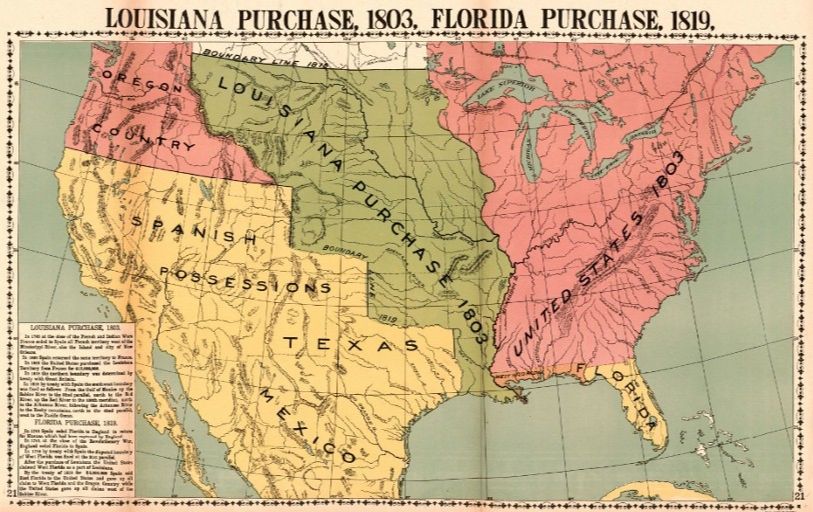
The Senate ratified the Louisiana Purchase Treaty on October 20, 1803, by a vote of 24 to 7. Overnight, the United States doubled in size. The new territory stretched from the Gulf of Mexico to the Rocky Mountains and included land that would later become parts of 15 states. It secured control of the Mississippi River and New Orleans, giving America both security and room to grow.
But the Louisiana Purchase also carried deep contradictions. The same Haitian Revolution that helped make the deal possible had been a victory for freedom and human rights. Yet the new American territory soon became a place where slavery expanded even further. As settlers moved west, lawmakers argued over which regions would allow slavery. The Missouri Compromise of 1820 tried to calm these tensions, but the debate over slavery’s expansion would continue for decades, eventually leading to the Civil War.
For Native Americans, the Louisiana Purchase marked the beginning of enormous upheaval. The U.S. government treated the territory as “empty,” ignoring the many Indigenous nations already living there. Expansion meant new settlements, new borders, and broken promises. The land deal that doubled the size of the United States also began a painful chapter of displacement and loss for the people who had called those lands home for centuries.
The Louisiana Purchase remains one of the most important events in American history. It showed how diplomacy, timing, and bold decisions could reshape a nation. It turned the United States into a continental power and opened the door to westward exploration, beginning with the Lewis and Clark Expedition. Yet it also forced Americans to face hard questions about power, justice, and whose freedom truly counted. The deal that transformed a young republic into a growing empire left behind a complex legacy, one that mixed opportunity with inequality, ambition with consequence.
Why It Matters
The Louisiana Purchase secured a vital trade route, doubled the nation’s size, and launched the United States toward a continental future. It also widened slavery’s footprint and accelerated pressure on Indigenous nations. Understanding this turning point helps us see how one decision can boost an economy, shift global power, and still leave behind hard problems about rights, consent, and who gets to decide the fate of a land.
?
Why was control of the Mississippi River and New Orleans so important to western farmers?
How did the Haitian Revolution influence France’s decision to sell Louisiana?
What constitutional question did Jefferson face, and how did he justify the purchase?
How did the purchase expand slavery and lead to later conflicts like the Missouri Compromise?
What were the immediate and long-term effects of the purchase on Indigenous nations?
Dig Deeper
How Jefferson’s bold move doubled the nation’s size and reshaped its future.
The surprising story of how Jefferson’s plan to buy a port became a continental transformation.
Related
Thomas Jefferson’s Balancing Act: Power, Principles, and Pirates
He wanted smaller government. He ended up doubling the country. Jefferson’s presidency is the story of a man trying to shrink power—and finding out how complicated that gets when the world comes knocking.
Westward Expansion, Sectionalism, and the Road to Civil War
Manifest Destiny fueled territorial growth, but it also deepened sectional divides—turning political disagreements over slavery and states’ rights into irreconcilable conflicts that led to civil war.
U.S. Geography: How the Land Shaped a Nation
Before the United States was born, geography shaped how people lived, worked, and fought over this land. From the Appalachian Mountains to the Great Plains, the natural landscape influenced settlement, culture, and history.
Further Reading
Stay curious!