

The Treaty of Versailles: A Peace Meant to End All Wars
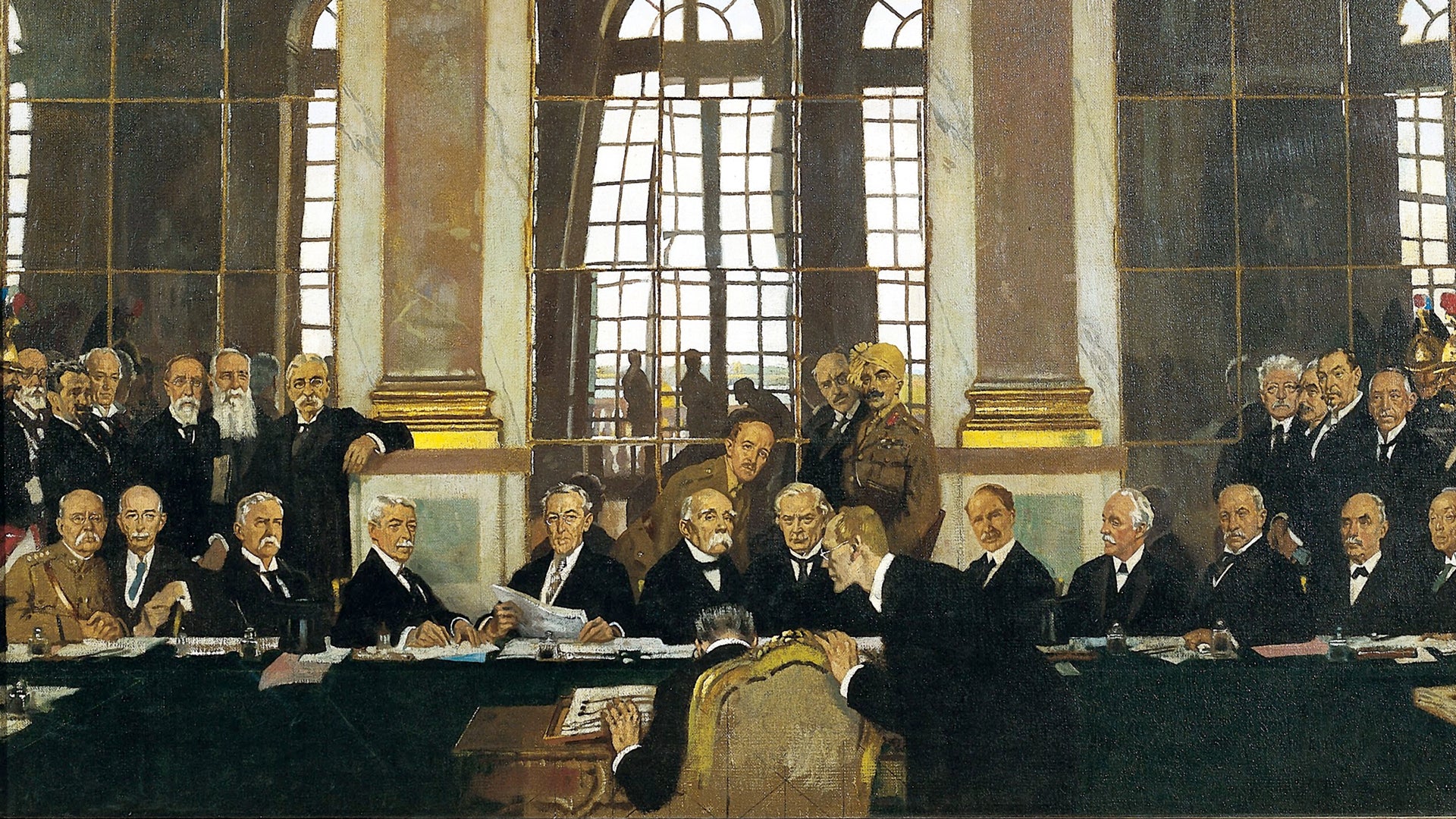
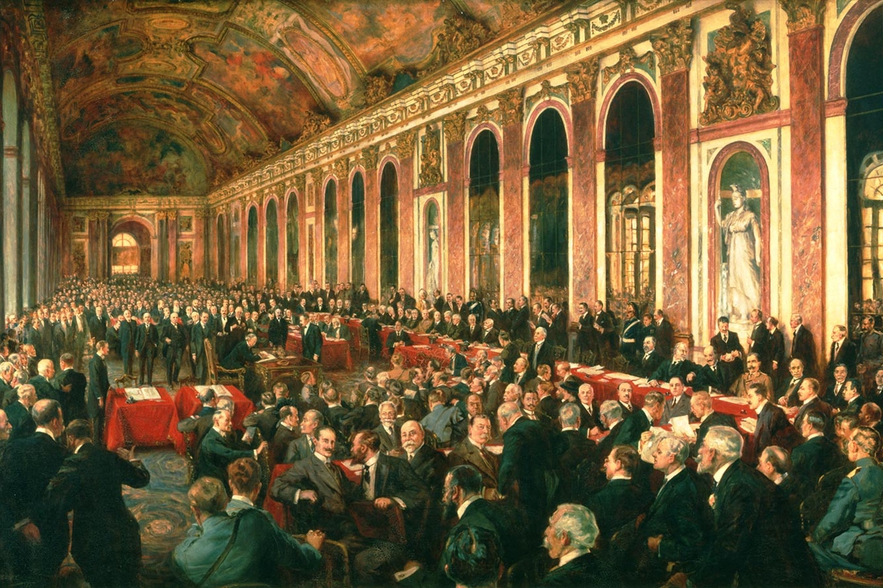
Leaders at the Versailles peace conference in Paris in 1919.
What Happened?
The Paris Peace Conference, which began on January 18, 1919, was the culmination of the Allied powers' victory in World War I. The key figures in the negotiations were U.S. President Woodrow Wilson, British Prime Minister David Lloyd George, and French Prime Minister Georges Clemenceau. The leaders of these countries clashed over how harshly to treat Germany, with Wilson advocating for a 'peace without victory,' while Clemenceau and Lloyd George pushed for a punitive approach.
One of the central outcomes of the conference was the Treaty of Versailles, which imposed heavy reparations and territorial losses on Germany. The infamous Article 231, known as the 'war guilt clause,' placed the blame for the war squarely on Germany, a decision that would later fuel anger and resentment within the country.
Although Wilson compromised on the treatment of Germany to secure the creation of the League of Nations, the treaty failed to ensure lasting peace. The treaty's harsh terms contributed to political instability in Germany, ultimately paving the way for the rise of Adolf Hitler and the outbreak of World War II.
Why It Matters
As the Treaty of Versailles demonstrates, peacemaking is far more complex than just ending a war. The terms of a peace agreement can have far-reaching consequences, especially if they are seen as unjust or punitive. What may seem like a fair solution in the moment can have unintended consequences that fuel resentment and lead to future conflict. When we look at the Treaty of Versailles, we see that peace is not just about stopping the fighting; it’s about building understanding, fairness, and cooperation. Real peace requires not just the end of violence but also the healing of wounds and the creation of conditions that allow societies to rebuild and thrive. The Treaty of Versailles, with its focus on punishment rather than reconciliation, shows us that in international diplomacy, the long-term consequences are often unpredictable—and that the pursuit of justice must be done in a way that fosters cooperation, not division. As we reflect on this, we might think about how we handle conflicts today, both globally and locally. How do we ensure that our actions bring lasting peace rather than setting the stage for future resentment and violence? The complexity of peacemaking is a reminder that the choices we make today, even in moments of conflict, have long-term effects on the future. The history of the Treaty of Versailles is a lesson in humility and foresight, urging us to approach peace with care, understanding, and a commitment to justice for all.
?
How did the Treaty of Versailles contribute to the rise of extremism in Germany?
Do you think Wilson's vision of a 'peace without victory' could have prevented future conflicts?
How did the creation of the League of Nations reflect the goals of the peace conference, and why did it ultimately fail to prevent future wars?
Dig Deeper
32 countries had come together in Paris in January 1919 to hold a conference which would make peace after the First World War. It would be dominated by the ‘big three’: - David Lloyd George, representing Britain, Georges Clemençeau representing France and Woodrow Wilson representing the USA.
The terms of the Treaty of Versailles can be divided into three groups: Territorial, military, and financial & economic.
Related
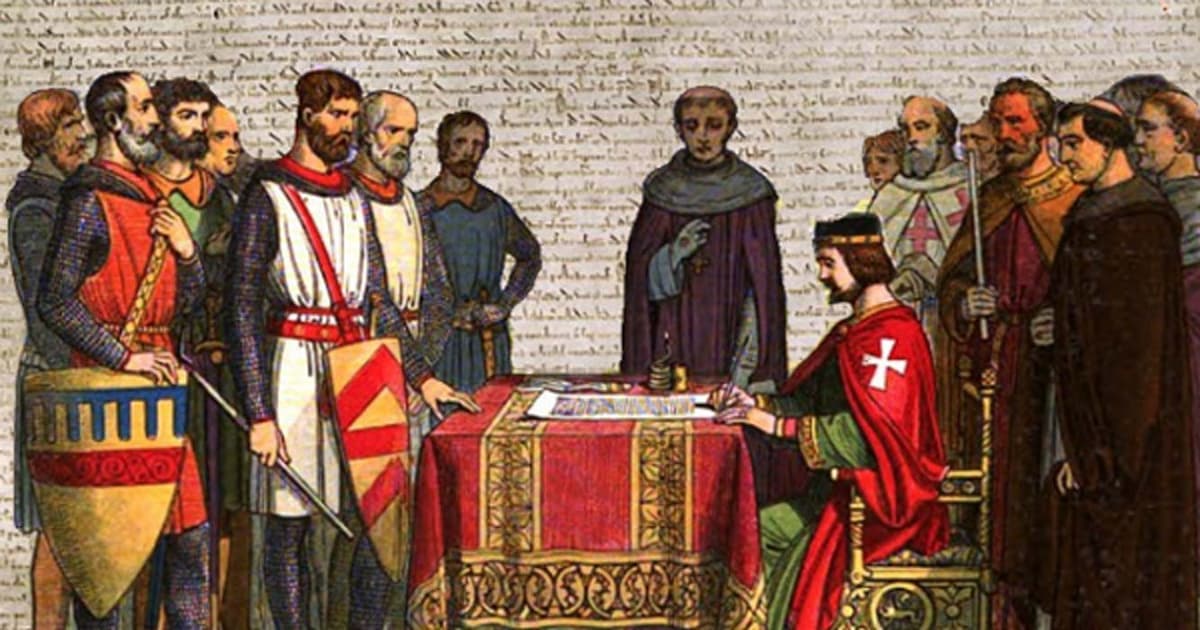
Magna Carta
On May 12, 1215, a gang of angry English barons forced King John into a corner—and launched a document that would echo across centuries. It wasn’t democracy, but it was a dent in the divine right of kings.
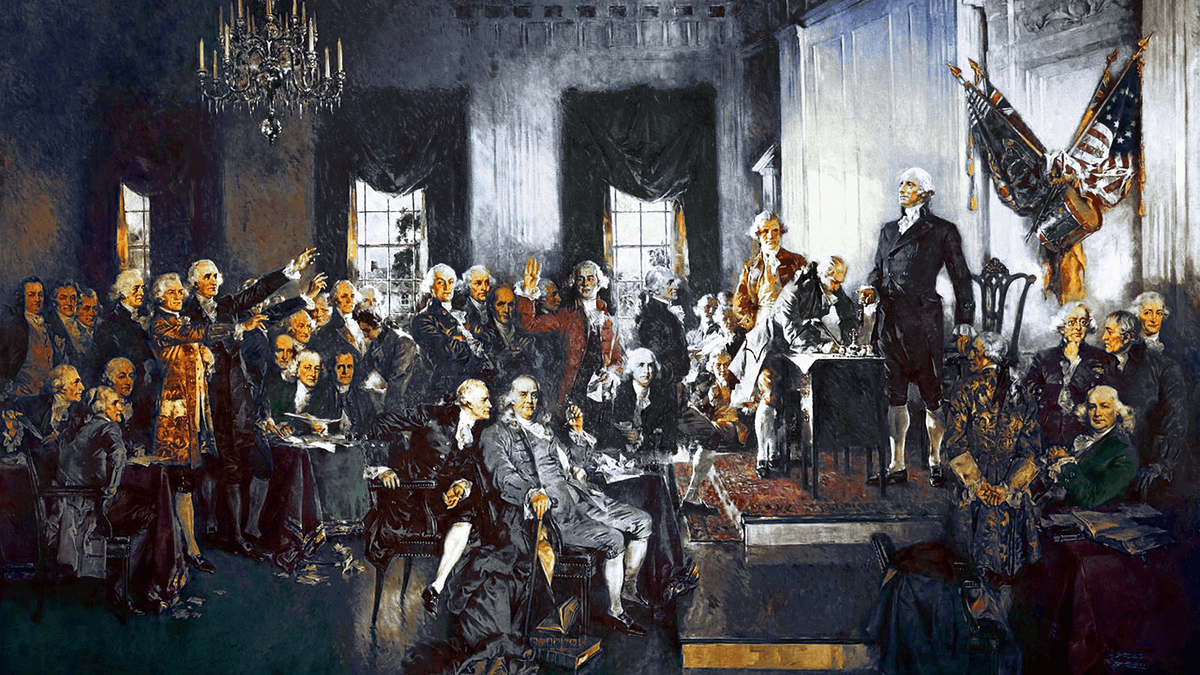
Federalists vs. Anti-Federalists: The Battle That Built the Constitution
One side feared chaos. The other feared tyranny. Together, they gave us the Constitution—and the Bill of Rights.
Human Rights
Human rights are the basic freedoms and protections that belong to every person on Earth. They help keep people safe, ensure dignity, and make freedom, justice, and peace possible. But these rights aren’t just given—they must be understood, protected, and defended by all of us.
Further Reading
Stay curious!