

1848: Gold Discovered at Sutter’s Creek
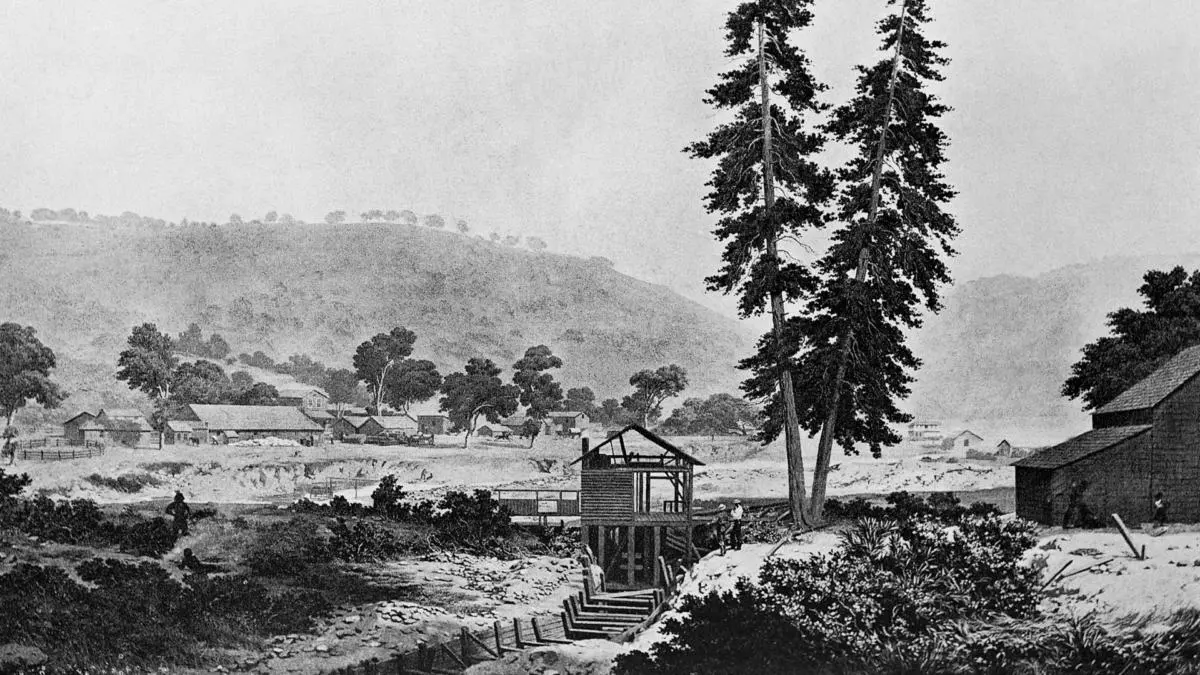
A historic depiction of gold miners at Sutter’s Creek, California
What Happened?
On January 24, 1848, James Marshall discovered gold at Sutter’s Creek while building a sawmill for John Sutter. This seemingly small event sparked one of the most significant migrations in American history, as tens of thousands of people from across the globe rushed to California in pursuit of wealth. The discovery not only transformed California into a booming economic center but also played a pivotal role in shaping the development of the American West. Within a few short years, California’s population swelled, its infrastructure expanded rapidly, and it achieved statehood in 1850, just two years after the land was acquired by the United States.
While the Gold Rush is often celebrated for the opportunities it created, it also unleashed devastating consequences for vulnerable communities. California's Native American population, already struggling with the effects of colonization, suffered immensely during this period. Many were displaced from their lands, subjected to violence, and devastated by disease. Over the course of two decades, the Native American population in California was reduced by more than half, a tragic outcome that underscores the darker side of rapid economic expansion.
The Gold Rush illuminates the intricate balance between progress and justice. It serves as a powerful reminder of how innovation and economic opportunity can drive transformative change while raising critical questions about equity and inclusion. This historical event challenges us to examine the costs and consequences of growth and to consider how future progress can be guided by principles of fairness, sustainability, and respect for all communities.
Why It Matters
The discovery at Sutter’s Creek is a profound example of the dual nature of progress. On one hand, it fueled dreams of prosperity and sparked innovation, laying the groundwork for California to become a symbol of opportunity and growth. For many, the Gold Rush was a chance to build wealth, establish businesses, and participate in an emerging economy that would leave a lasting legacy, from Levi Strauss's denim empire to Wells Fargo’s financial institution. On the other hand, this progress came at great human and environmental costs. Indigenous communities were displaced and decimated by disease, violence, and the upheaval of their ancestral lands. Immigrants, particularly those from China, faced discrimination and exploitation, with laws and violence targeting their contributions and presence. The Gold Rush also raises questions about sustainability, as the frenzy to extract gold led to severe environmental degradation, including deforestation and water pollution. By examining the Gold Rush through a balanced lens, we see a narrative of innovation and opportunity intertwined with the need for ethical considerations. This challenges us to reflect on how we approach progress today, ensuring that opportunities do not come at the expense of marginalized communities or irreparable harm to the environment.
?
Dig Deeper
Explore the story of the California Gold Rush and its lasting impact on the West.
Related
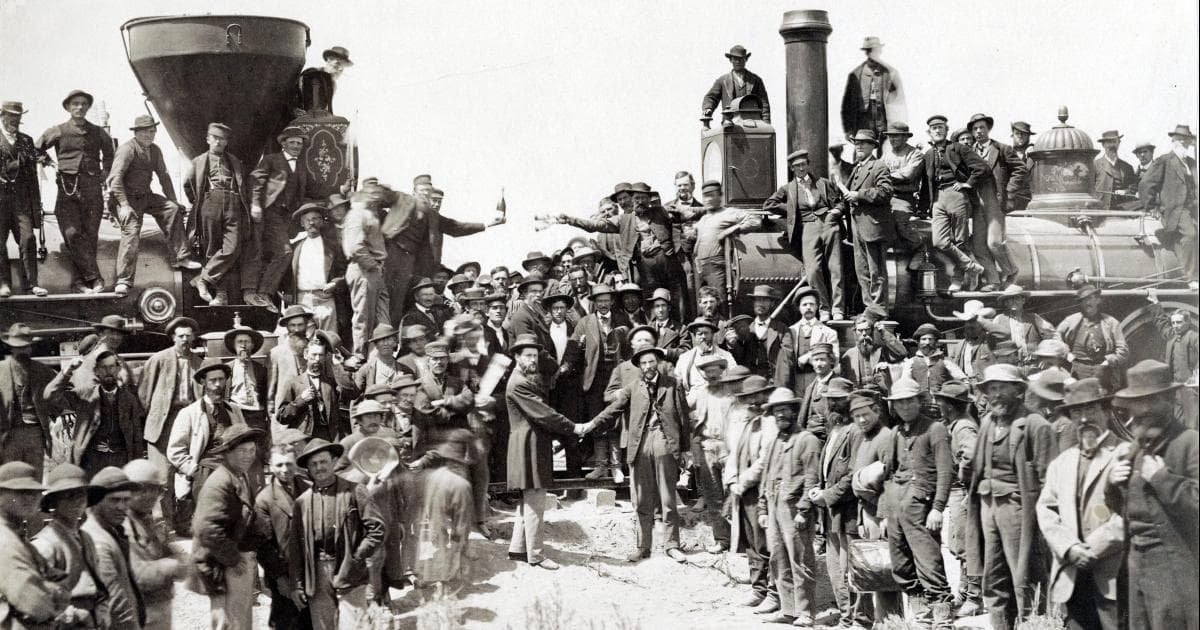
Iron, Industry, and Injustice: The Race to Build America's First Transcontinental Railroad
On May 10, 1869, two railroads met in the middle of nowhere—and changed the nation forever. The golden spike didn’t just finish a track. It launched a new era of expansion, innovation, and exploitation.

The Role of Ideas in Revolutionary Change
The Role of Ideas in Revolutionary Change: How can ideas and writings change the course of history?
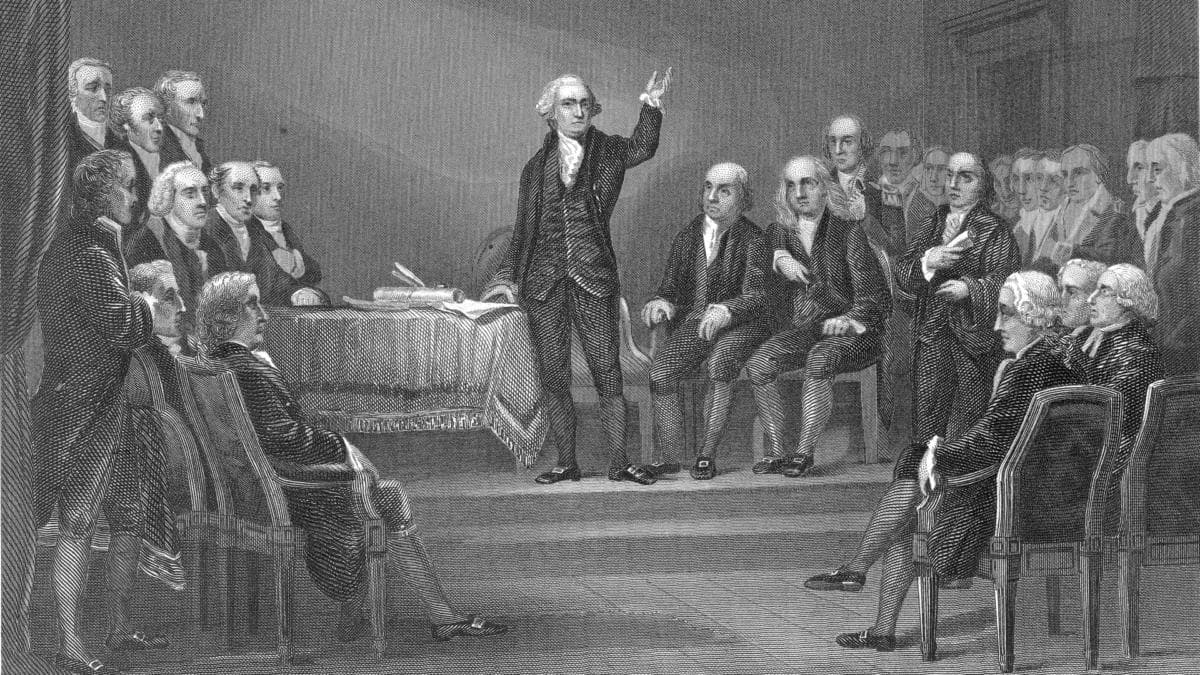
The Constitutional Convention: Building a More Perfect Mess
In the summer of 1787, 55 men locked themselves in a room to fix the government—and ended up rewriting it from scratch. What came out wasn’t perfect, but it changed everything.
Further Reading
Stay curious!