

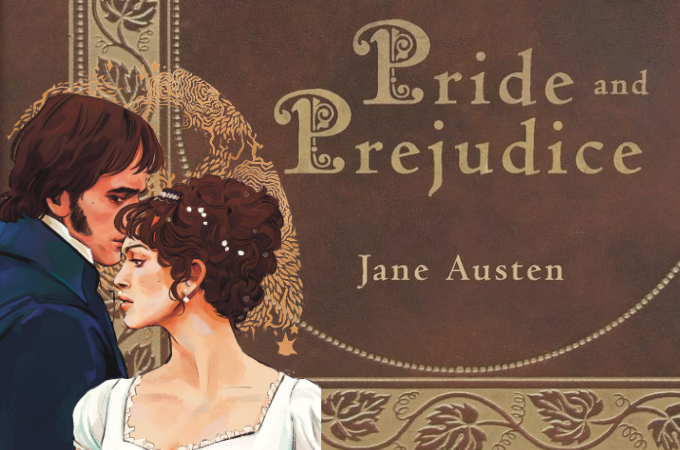
1813: Jane Austen’s Pride and Prejudice Published

Jane Austen’s Pride and Prejudice, published anonymously, becomes an instant success and secures its place as one of the most beloved novels in English literature.
What Happened?
Jane Austen’s Pride and Prejudice debuted on January 28, 1813, under the title 'By the Author of Sense and Sensibility.' Published anonymously to protect her privacy in a society that frowned upon women authors, the novel quickly became a cultural sensation. Its relatable characters and authentic portrayal of relationships resonated deeply with readers, setting it apart from the more sensationalized gothic novels of the time. The central character, Elizabeth Bennet, became a standout heroine—bold, intelligent, and unapologetically independent in an era that often constrained women to more passive roles. Austen’s ability to weave humor, romance, and social critique into a seamless narrative established her as one of the most enduring voices in English literature.
Originally drafted as 'First Impressions' in 1797, the novel was initially rejected. It wasn’t until Austen revised the story years later, transforming it into the witty and polished Pride and Prejudice. The result was an instant success, earning acclaim for its realistic dialogue, nuanced characters, and fresh approach to storytelling. By setting her tale within the domestic and social landscapes of Regency England, Austen invited readers into a world that felt both familiar and reflective of broader societal truths.
While Pride and Prejudice is often celebrated as a romance, it also functions as a sharp critique of the social structures of Austen’s time. The story explores themes such as class mobility, gender roles, and the limitations placed on women’s independence, often with a satirical edge. Austen’s humor disarms readers, allowing her to expose the hypocrisies and injustices of a rigidly stratified society. The enduring popularity of the novel lies in its ability to balance lighthearted wit with profound observations about human nature and the societal constraints that continue to resonate today.
Why It Matters
Pride and Prejudice matters because it represents a watershed moment in the evolution of the novel, blending romance, social commentary, and biting satire into an enduring work of art. Jane Austen’s ability to capture the complexities of human relationships and the societal norms of Regency England has ensured the novel’s timeless relevance. Elizabeth Bennet’s boldness and self-awareness challenge the expectations of her time, offering a model of strength and independence that continues to inspire readers today. The novel’s critiques of class, gender inequality, and the pursuit of wealth resonate deeply, inviting readers to reflect on the enduring influence of societal structures on individual lives. Pride and Prejudice also exemplifies how literature can be both entertaining and enlightening, encouraging introspection while delighting in its charm and wit. Over 200 years after its publication, it reminds us of the power of storytelling to challenge norms, celebrate individuality, and connect us to the universal truths of the human experience.
?
Dig Deeper
Jane Austen’s novels are so readable in part because she wasn’t an ordinary kind of novelist: she wanted her work to help us to be better and wiser people. Her novels had a philosophy of personal development at their heart.
Discover the history and cultural impact of Jane Austen’s Pride and Prejudice.
Discover the history and cultural impact of Jane Austen’s Pride and Prejudice.
Related

What Is Logic and Critical Thinking? Learning to Think for Yourself
Have you ever asked, 'Wait, does that really make sense?' Then you’ve used critical thinking! Learn what logic is, how to ask smart questions, and how to use your brain like a superhero detective.
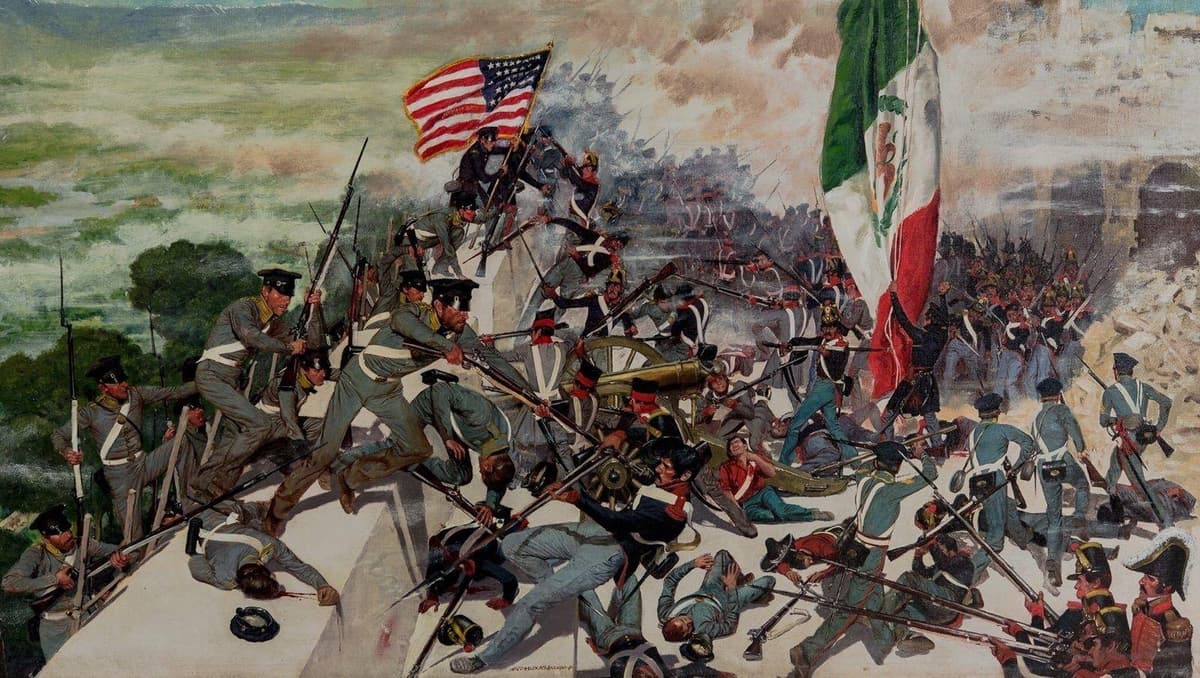
The U.S.-Mexico War
On May 13, 1846, the U.S. Congress declared war on Mexico. Behind the scenes? Land lust, slave politics, and a president with a map in one hand and a match in the other.
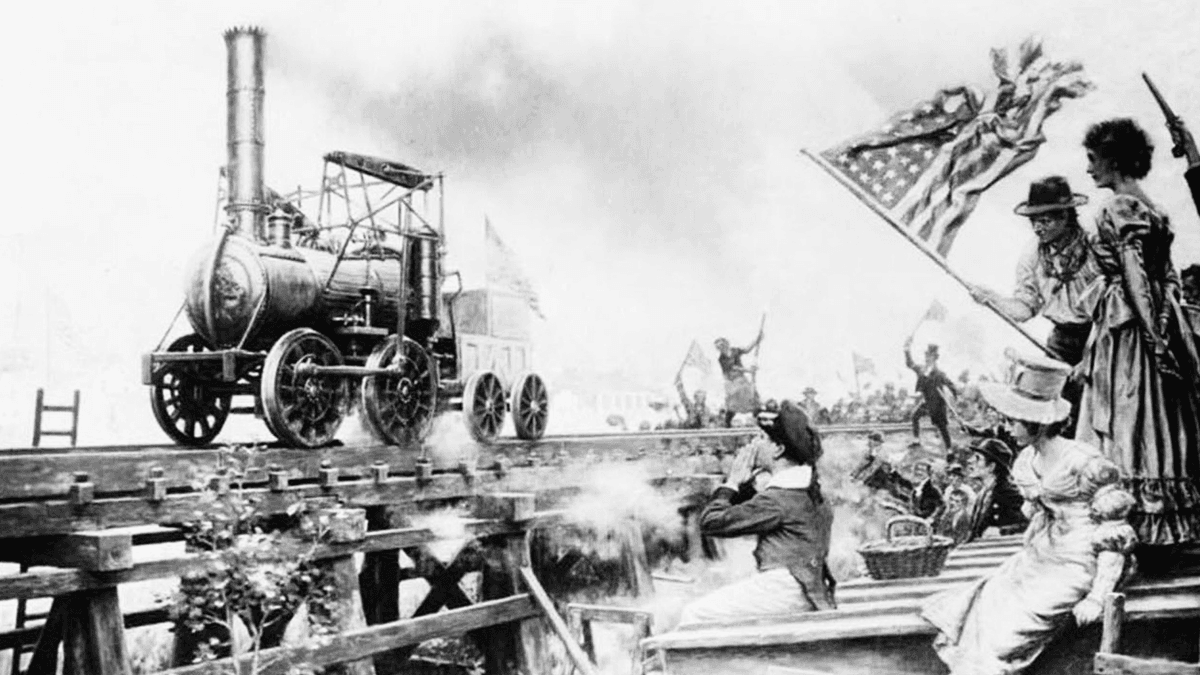
The Market Revolution: How Innovation Transformed America
In the early 1800s, America changed from a land of small farms to a booming nation of factories, railroads, and markets. The Market Revolution connected people, goods, and ideas—while also revealing deep inequalities in who benefited from progress.
Further Reading
Stay curious!