

2002: The 'Axis of Evil' and the Power of Words in Wartime
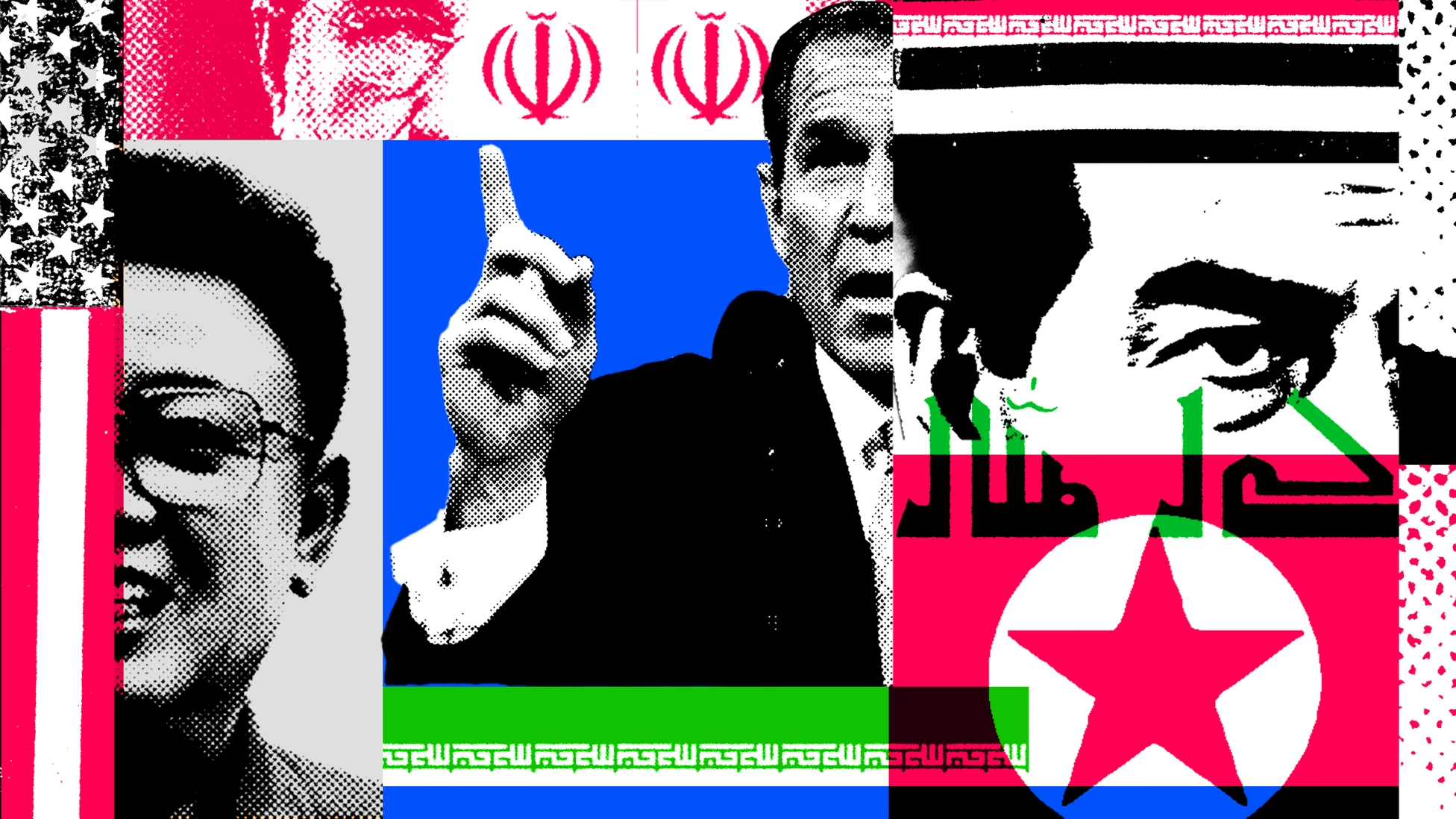
President George W. Bush famously labels Iraq, Iran, and North Korea as an 'axis of evil.'
What Happened?
In the wake of the 9/11 attacks, America was at a crossroads. Fear and uncertainty gripped the nation, and President George W. Bush’s administration was shaping its response. In his 2002 State of the Union address, Bush identified Iraq, Iran, and North Korea as an 'axis of evil'—a phrase carefully crafted to link these three nations with terrorism and weapons of mass destruction. The term evoked the memory of World War II’s Axis Powers, creating an unmistakable narrative: the U.S. was once again locked in a battle between good and evil.
The 'War on Terror' was already underway in Afghanistan, where the Taliban had been overthrown. But this speech signaled an expansion of U.S. objectives beyond dismantling Al-Qaeda. By tying together Iraq, Iran, and North Korea—countries with distinct histories, rivalries, and geopolitical concerns—Bush laid the groundwork for the invasion of Iraq in 2003. Though no weapons of mass destruction were ever found, the invasion resulted in nearly two decades of war, destabilizing the region and reshaping global politics.
The 'axis of evil' rhetoric did more than justify war; it also had long-term consequences for diplomacy. Iran, which had shown early cooperation with the U.S. after 9/11, hardened its stance against Western powers. North Korea, which had been engaged in disarmament talks, accelerated its nuclear ambitions. The phrase became a case study in how language shapes reality, demonstrating how political rhetoric can escalate tensions, influence public opinion, and determine the course of history.
Twenty years later, the legacy of the 'axis of evil' remains. It reminds us that the words of leaders are not just statements but signals—sparks that can ignite conflict or pave the way for peace. When we reflect on the events that followed, we must ask: What if different words had been chosen? What if fear had not been the driving force behind policy? And what can we learn about the power of language in shaping the world we live in today?
Why It Matters
Words have power. President Bush’s use of the phrase 'axis of evil' was more than political rhetoric—it was a catalyst that justified military intervention, reshaped alliances, and redefined global threats. The speech shows how language can be wielded to rally a nation, but also how it can entrench divisions and drive decisions with lasting consequences. It invites us to reflect on how fear, urgency, and national trauma shape the policies of the moment—and whether those policies serve the long-term interests of peace, justice, and stability.
?
Why do you think words like “evil” can be so powerful when spoken by a leader? How might those words shape the way people think and act?
Can you think of a time when words were used to bring people together instead of divide them? What made that language different?
How do you decide if something you hear on the news or from a leader is true? What are some ways to check if information is fair or one-sided?
What do you think happens when people are told to fear someone just because they are from a different country or culture?
Dig Deeper
A 2002 speech by President Bush coined a new phrase, the "axis of evil;" a list of countries that are considered to be undermining the US. But, in the past few years, that list has seemingly silently expanded, so, does this new list now make sense?
Related
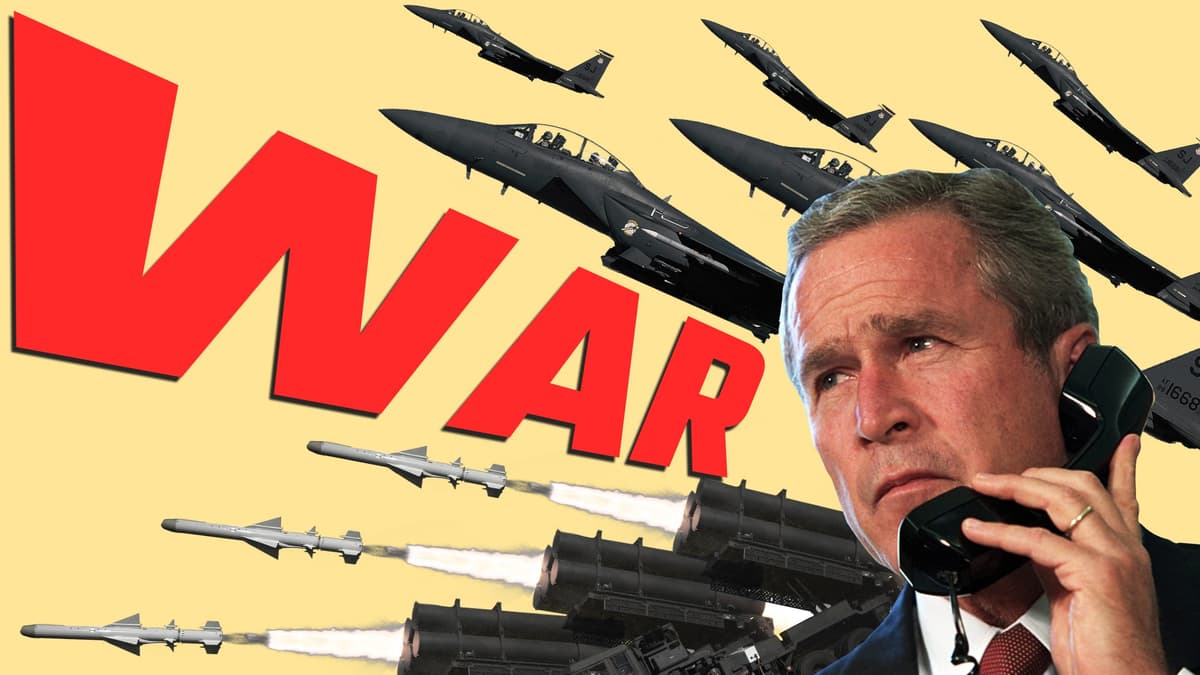
The War on Terror: A New Era of U.S. Power
After the September 11th attacks, the United States didn't just declare war on terrorism—it redefined national security, global alliances, and the limits of civil liberties.
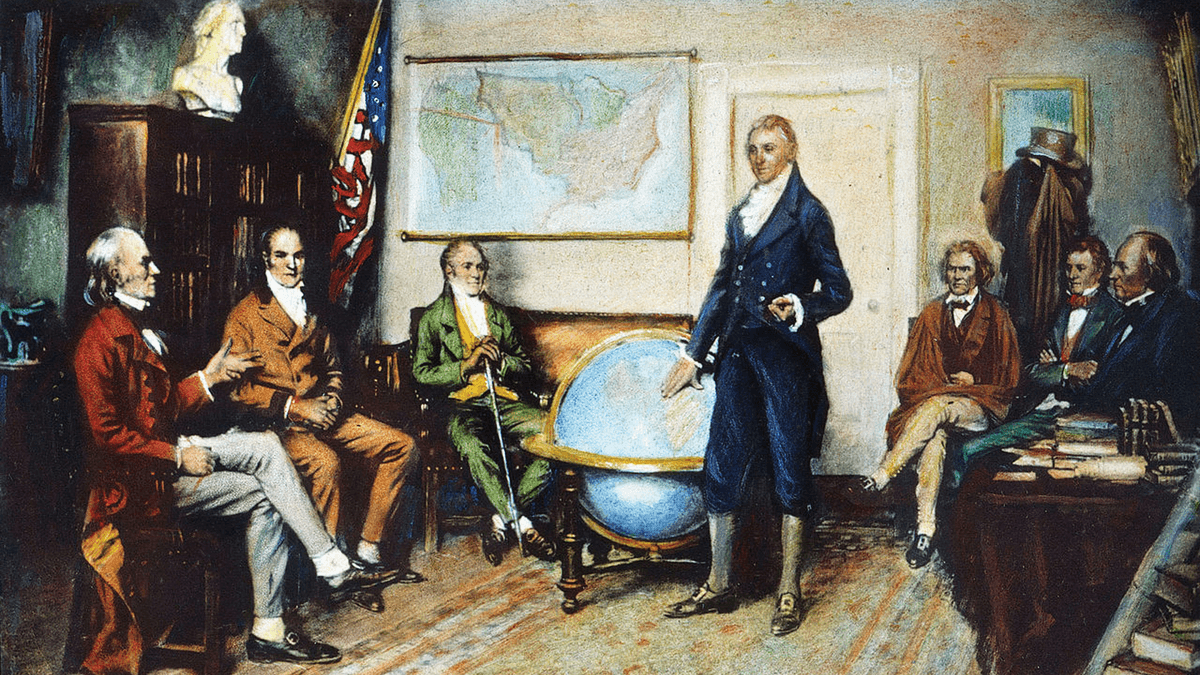
The Monroe Doctrine
How a young United States told the world to stay out of the Western Hemisphere—and what that meant for the Americas.
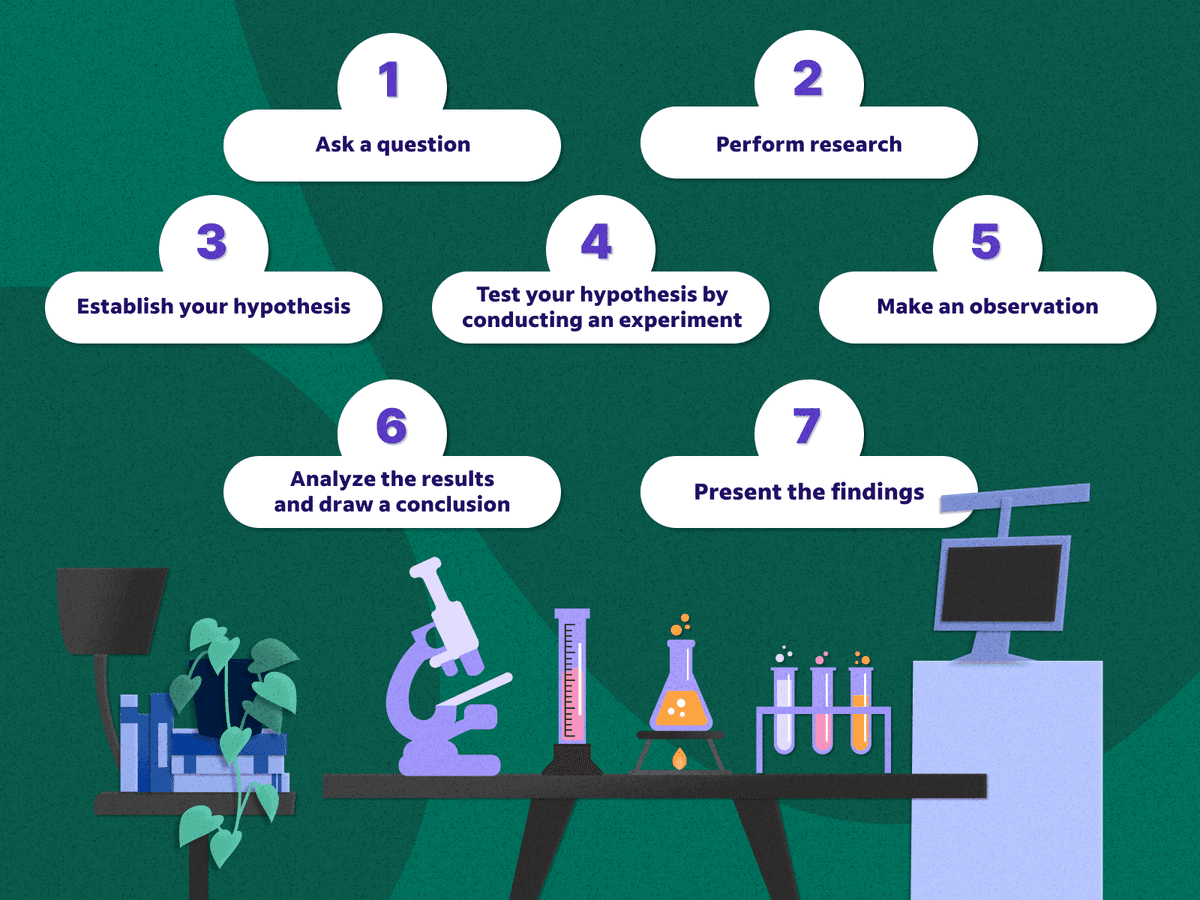
The Scientific Method
What do curiosity, logic, and a good notebook have in common? They're the foundation of the scientific method—a system that turns wonder into wisdom.
Further Reading

Stay curious!