

1933: Adolf Hitler Appointed Chancellor of Germany
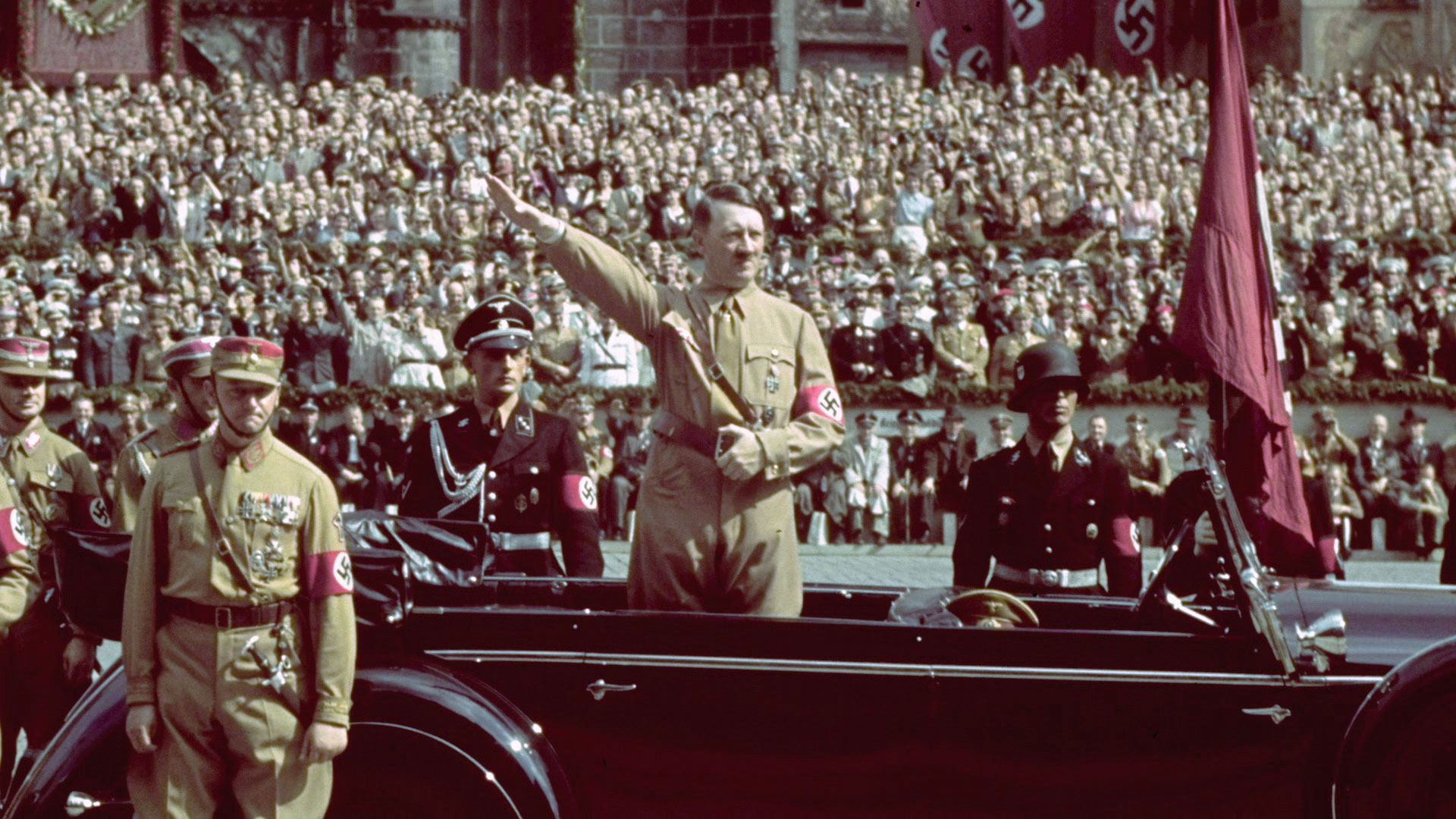
Adolf Hitler stands at a podium addressing the German Reichstag after being appointed chancellor.
What Happened?
The appointment of Adolf Hitler as chancellor of Germany on January 30, 1933, marked a watershed moment in global history. Hitler’s rise to power was fueled by widespread economic instability, resentment over the Treaty of Versailles, and growing disillusionment with the democratic Weimar Republic. The Nazi Party capitalized on these frustrations, offering promises of national restoration and unity under a strong, authoritarian leader. By 1932, the Nazis had become the largest party in the Reichstag. Through powerful propaganda compelling rhetoric, Hitler promised national restoration, economic revival, and unity under a strong, authoritarian regime. President Paul von Hindenburg, under pressure from conservative elites who believed they could control Hitler, reluctantly appointed him as chancellor. This miscalculation would have catastrophic consequences.
Hitler wasted no time consolidating power after his appointment. The Reichstag fire in February 1933 provided a pretext for the passage of the Reichstag Fire Decree, which suspended fundamental civil liberties, including freedom of speech, press, and assembly. This decree allowed for the arrest of political opponents without due process, effectively silencing dissent. Shortly after, the Enabling Act granted Hitler dictatorial powers, bypassing parliamentary oversight and dismantling Germany’s democratic institutions. Within a year, Hitler merged the offices of chancellor and president, assuming the title of führer and establishing absolute authority. The Nazi regime rapidly expanded its control over German society, using propaganda to manipulate public opinion, militarization to prepare for expansionist goals, and brutal measures to suppress opposition. The Gestapo, Nazi paramilitary groups, and an extensive surveillance state ensured compliance, creating an atmosphere of fear and submission.
The consequences of Hitler’s appointment as chancellor were catastrophic, both for Germany and the world. His aggressive foreign policy and racial ideology led to the outbreak of World War II in 1939 and the systematic extermination of six million Jews in the Holocaust, along with millions of other victims deemed 'undesirable' by the Nazi regime. This event remains a powerful reminder of how fragile democracy can be in the face of fear, economic instability, and charismatic demagoguery. It challenges us to remain vigilant in defending democratic values and human rights.
Why It Matters
The appointment of Adolf Hitler as chancellor on January 30, 1933, marks one of history’s most chilling examples of democracy’s fragility. It underscores how economic despair, fear, and political maneuvering can empower dangerous ideologies. Hitler’s rise to power, fueled by promises of national restoration and unity, paved the way for the horrors of the Holocaust and the devastation of World War II. This moment is a stark reminder of the importance of protecting democratic institutions, combating extremist ideologies, and promoting inclusivity and tolerance. The lessons of this dark chapter compel us to remain vigilant against forces that seek to exploit division and undermine the principles of equality and human dignity.
?
Dig Deeper
Learn about the political and social factors that led to Adolf Hitler’s appointment as chancellor in 1933.
Related
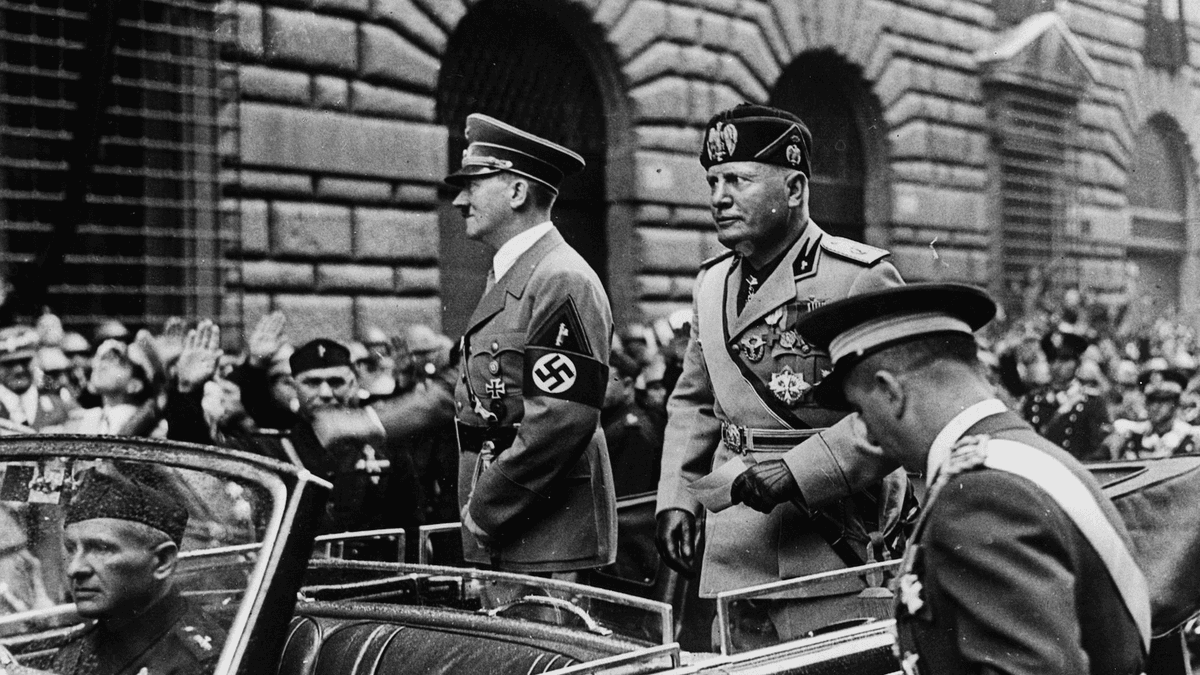
Fascism: Power, Propaganda, and the Fall of Democracy
Fascism emerged from the ruins of World War I and found its foothold in fear, nationalism, and economic despair. It promised unity, but delivered control, conformity, and catastrophe.
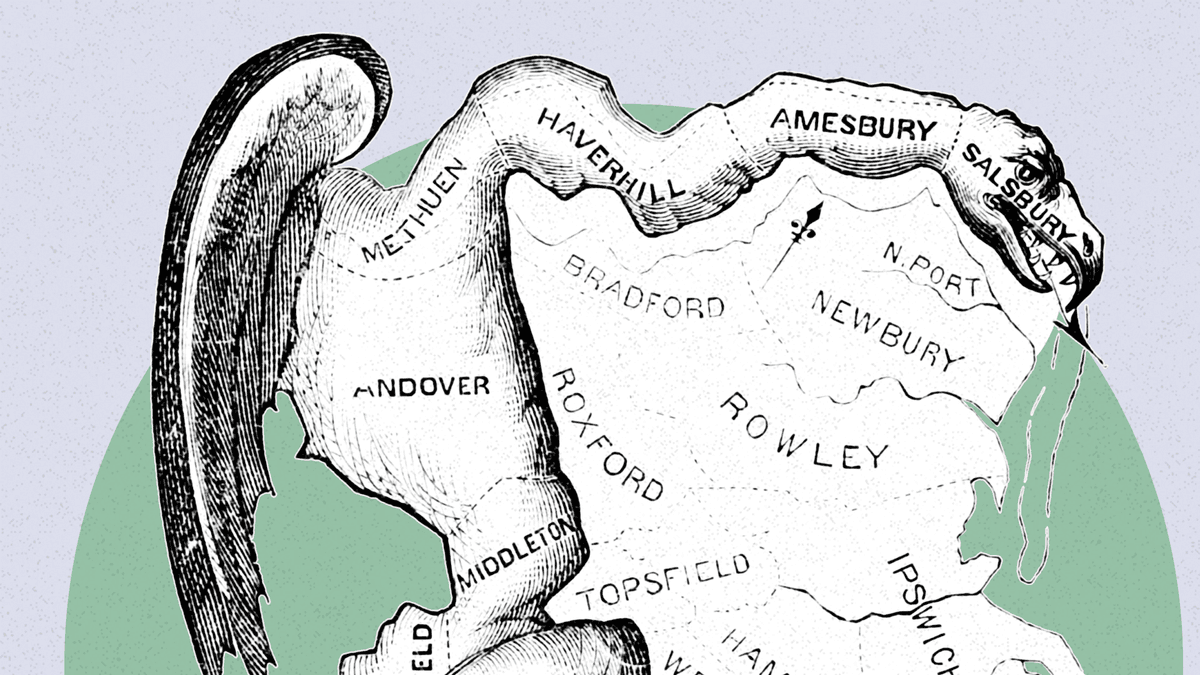
Gerrymandering: When Maps Become Weapons
What happens when politicians choose their voters instead of the other way around? Welcome to the twisted world of gerrymandering.

Preparing a Business Pitch
A strong business pitch can open doors. Entrepreneurs must learn to explain their ideas clearly and confidently to spark interest and support.
Further Reading
Stay curious!