

Holding the Line: How Four College Students Took on Segregation—and Won
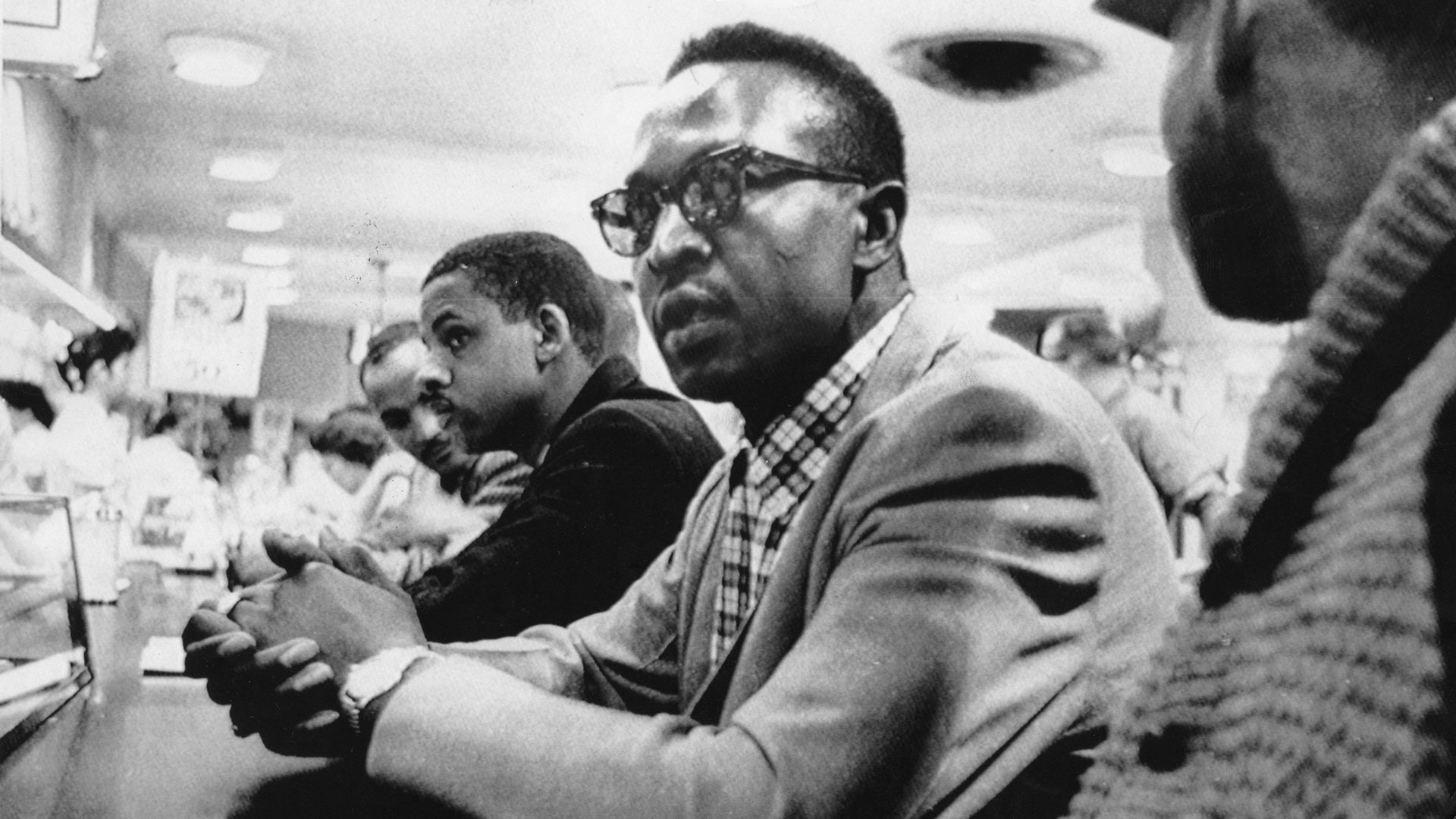
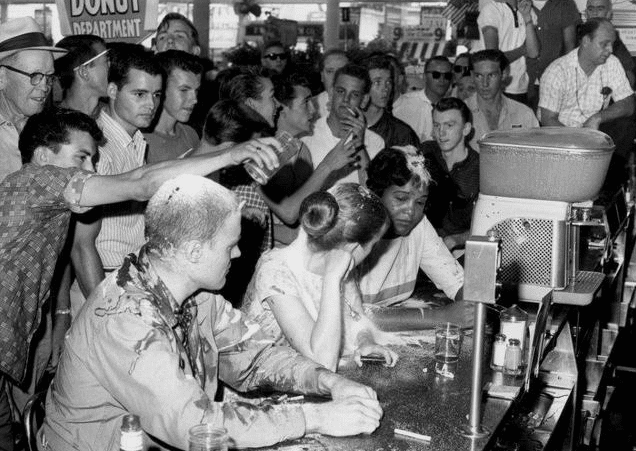
Four Black college students sitting at a Woolworth's lunch counter in Greensboro, North Carolina, refusing to move despite being denied service.
What Happened?
On February 1, 1960, four Black students—Ezell Blair Jr., David Richmond, Franklin McCain, and Joseph McNeil—walked into a Woolworth’s in Greensboro, North Carolina, and sat down at a whites-only lunch counter. They asked for service. They were refused. But instead of leaving, they stayed. And then they came back the next day. And the day after that.
Their sit-in was a direct challenge to Jim Crow laws that upheld racial segregation. Within a week, hundreds of students joined them. Within two months, sit-ins had spread to 55 cities across the South. This wasn’t just a protest—it was a catalyst for change. And it worked. By the summer of 1960, Woolworth’s and other businesses began integrating their dining counters, forced to reckon with the power of sustained, peaceful resistance.
The Greensboro sit-ins weren’t spontaneous—they were carefully planned. The students studied nonviolent resistance, took inspiration from Gandhi’s philosophy, and coordinated with local activists. They knew they would face verbal and physical abuse. They knew they could be arrested. They did it anyway.
Their actions helped inspire the formation of the Student Nonviolent Coordinating Committee (SNCC), which went on to organize Freedom Rides, voter registration drives, and the historic March on Washington. These weren’t just students sitting at a lunch counter—they were architects of the Civil Rights Movement.
Fast-forward to today. Segregation is no longer law, but injustice is still woven into the fabric of American life. Racial disparities in policing, education, and economic opportunity persist. Protesters demanding change still face arrest, intimidation, and violence. The Greensboro Four remind us that resistance isn’t just about history—it’s about now.
Why It Matters
The Greensboro Four were just college freshmen—no wealth, no power, no influence. But they had conviction. And that was enough. Their sit-in didn’t just challenge a lunch counter; it challenged an entire system of oppression. It proved that strategic, nonviolent resistance could dismantle institutional racism. Today, we’re still wrestling with the aftershocks of segregation—voter suppression, economic disparity, and the criminalization of protest. The Greensboro sit-in reminds us that history doesn’t just happen to us—we shape it. So the real question is: When the moment comes, will we be the ones sitting at the counter, or the ones looking away?
?
Dig Deeper
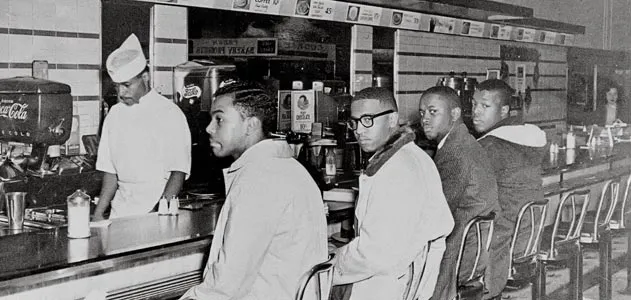
Racial segregation was still legal in the United States on February 1, 1960, when four African American college students sat down at this Woolworth counter in Greensboro, North Carolina.
Related
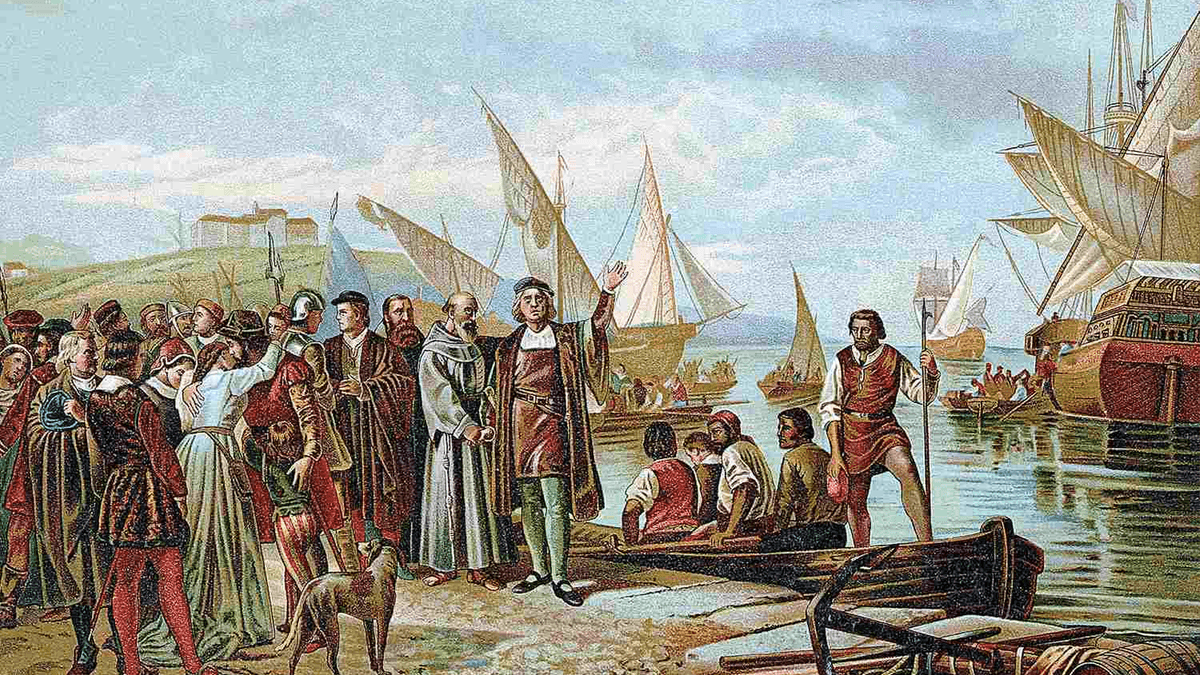
European Exploration of the Americas
When European explorers set sail across the Atlantic, they weren’t just chasing trade routes—they were rewriting the world’s future. But discovery for some meant devastation for others.
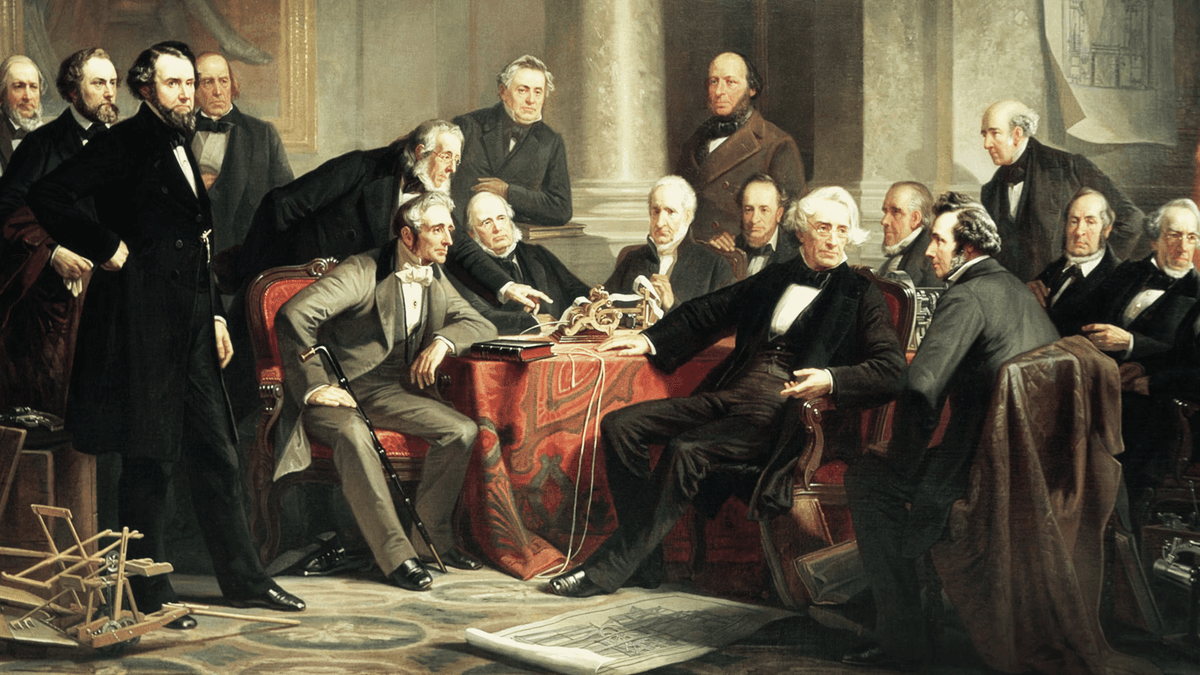
The Enlightenment: Revolution of the Mind
The Enlightenment wasn’t just an era of smart people in powdered wigs—it was a radical shift in how humans understood power, truth, and their place in the world. Its ideas fueled revolutions, rewrote constitutions, and laid the intellectual bricks of modern democracy.

Trickle-Down Economics
For decades, politicians have promised that cutting taxes for the rich would benefit everyone. But does the wealth really 'trickle down'—or does it just stay at the top? A deep dive into the history, evidence, and impact of trickle-down economics.
Further Reading
Stay curious!