
2004: Facebook Goes Live, and the World Logs In
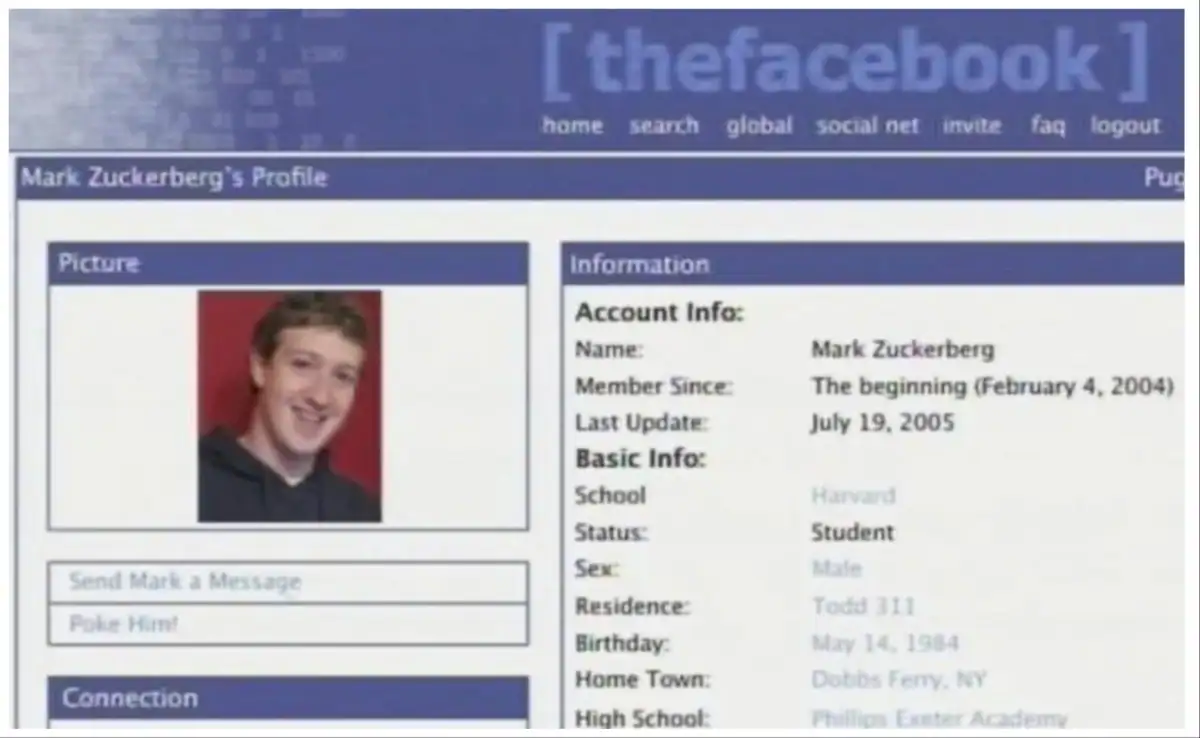
What began as an exclusive college directory would morph into the most influential—and controversial—social media giant of the 21st century. Facebook rewrote the rules of human connection, politics, and commerce.
What Happened?
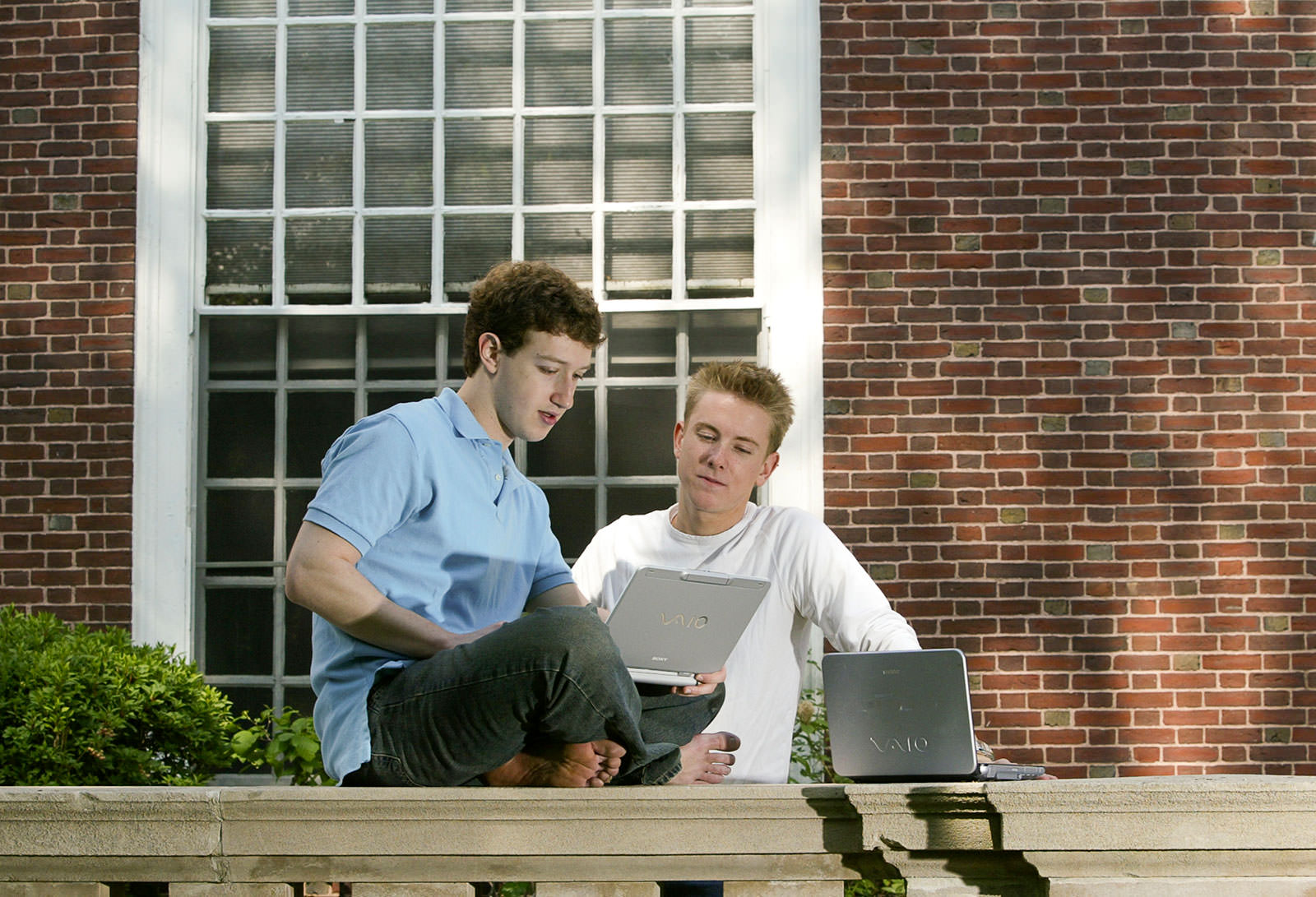
In 2004, 'The Facebook' was just another startup experiment. Harvard students signed up in droves, eager to connect and build their digital social lives. By the end of the year, the platform had a million users. But no one—not even Zuckerberg—could have predicted just how deeply this experiment would embed itself into the fabric of modern life.
By 2006, Facebook had expanded beyond the Ivy League and opened its digital doors to the world. And the world walked in. Soon, socializing wasn’t just about face-to-face interactions; it was about status updates, friend requests, and carefully curated profiles. Businesses saw a marketing goldmine. Political campaigns saw a way to reach voters. The internet was no longer a collection of websites—it was a network of people, powered by the algorithms of a single company.
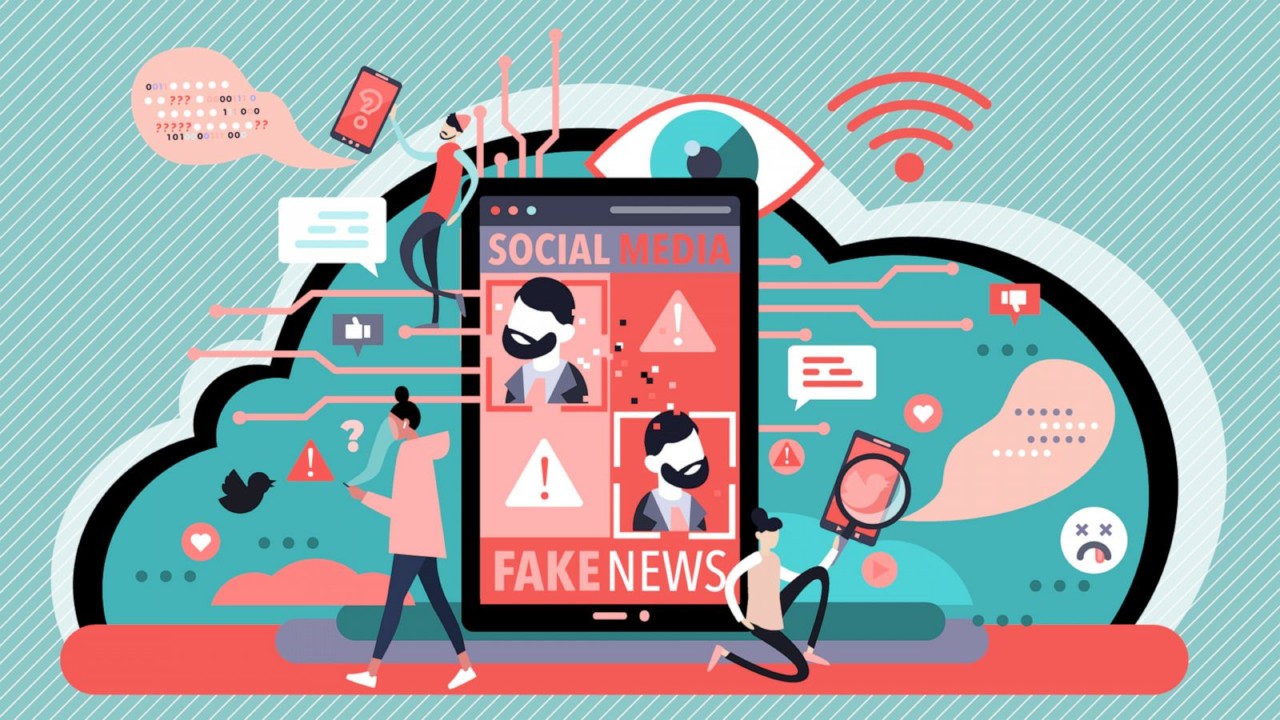
The company’s meteoric rise came with equal parts innovation and controversy. In 2008, Facebook overtook MySpace as the dominant social network. By 2012, it had gone public, raising $16 billion in one of the largest IPOs in history. And yet, with great power came great irresponsibility. The same algorithms that connected friends and family also amplified misinformation, fueled echo chambers, and enabled the mass harvesting of personal data. In 2018, the Cambridge Analytica scandal exposed how Facebook user data had been exploited to manipulate elections worldwide, and public trust began to erode.
Despite repeated promises of reform, Facebook’s role in global events became more ominous. In 2021, whistleblowers revealed that Facebook knowingly prioritized engagement over mental health, allowing harmful content to thrive. Governments scrambled to regulate it, but by then, the company had rebranded itself as 'Meta,' shifting its focus to a digital utopia—the metaverse. Whether this pivot was a bold vision or an elaborate escape remains debatable.
From a college dorm to a trillion-dollar empire, Facebook’s story is one of ambition, disruption, and unintended consequences. It gave us new ways to connect but also new ways to divide. It built communities but also broke democracies. And as we scroll through our feeds, we must ask: Are we shaping the algorithm, or is the algorithm shaping us?
Why It Matters
Facebook wasn’t just a website—it was a cultural shift. It made social media a central force in modern life, changing how we communicate, consume information, and even think. But its unchecked influence exposed the dangers of digital power. What happens when a platform built for connection fuels division? What happens when privacy is a commodity, and truth is optional? In the age of social media, the question is no longer *if* we participate—but whether we fully understand what we’ve signed up for.
?
Dig Deeper
A handful of people working at a handful of tech companies steer the thoughts of billions of people every day, says design thinker Tristan Harris. From Facebook notifications to Snapstreaks to YouTube autoplays, they're all competing for one thing: your attention.
Related
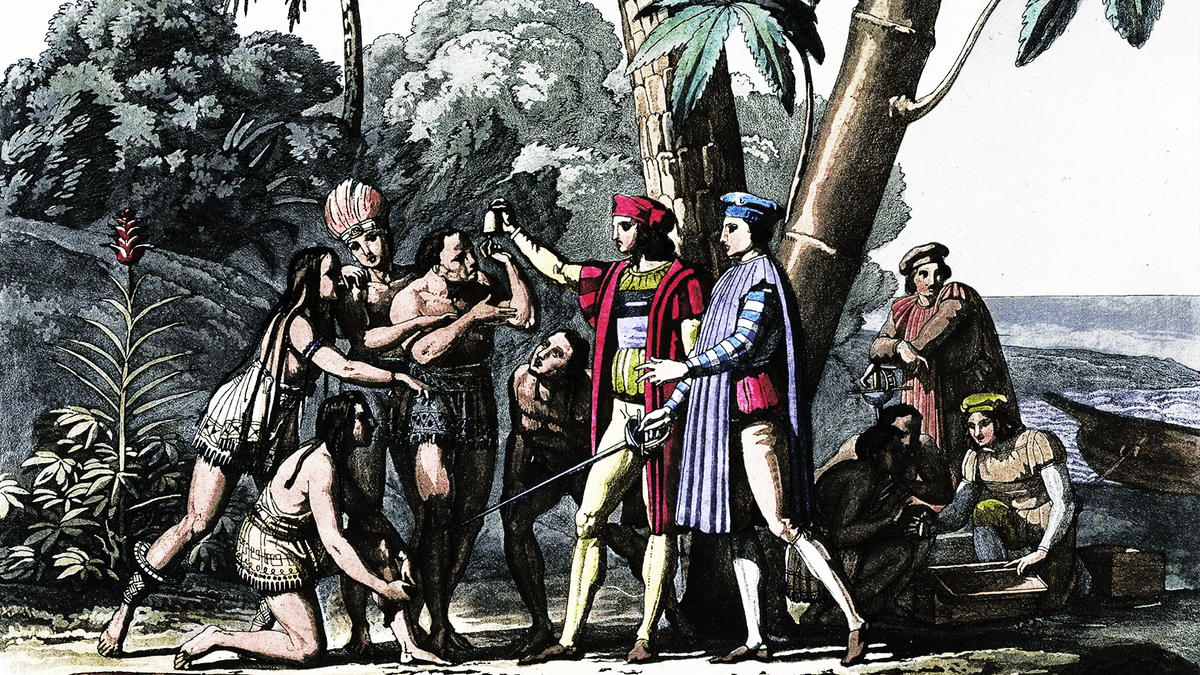
The Columbian Exchange: When Worlds Collided
When two previously isolated worlds collided in 1492, the resulting biological, cultural, and economic transformation reshaped every corner of the globe. The Columbian Exchange was not just a swap—it was a world-changing, world-breaking chain reaction.
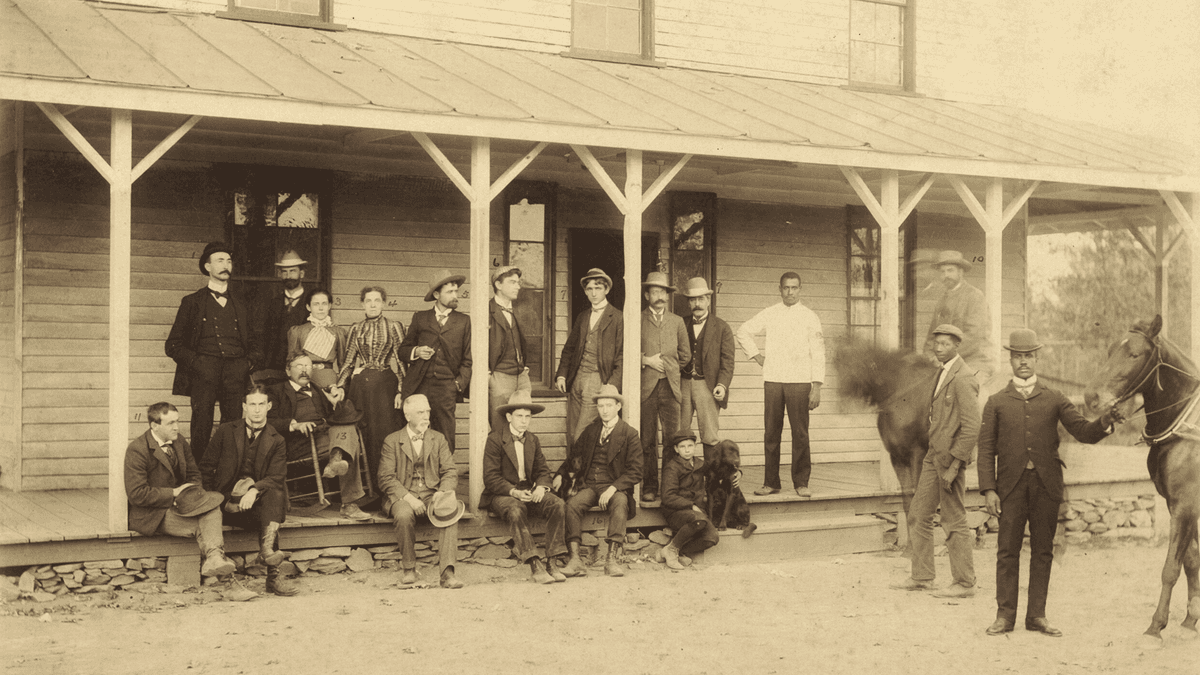
Reed Gold Mine: The First American Gold Rush
The first gold rush in U.S. history began not in California, but in North Carolina—thanks to a doorstop, a 12-year-old boy, and a lucky find in a creek.
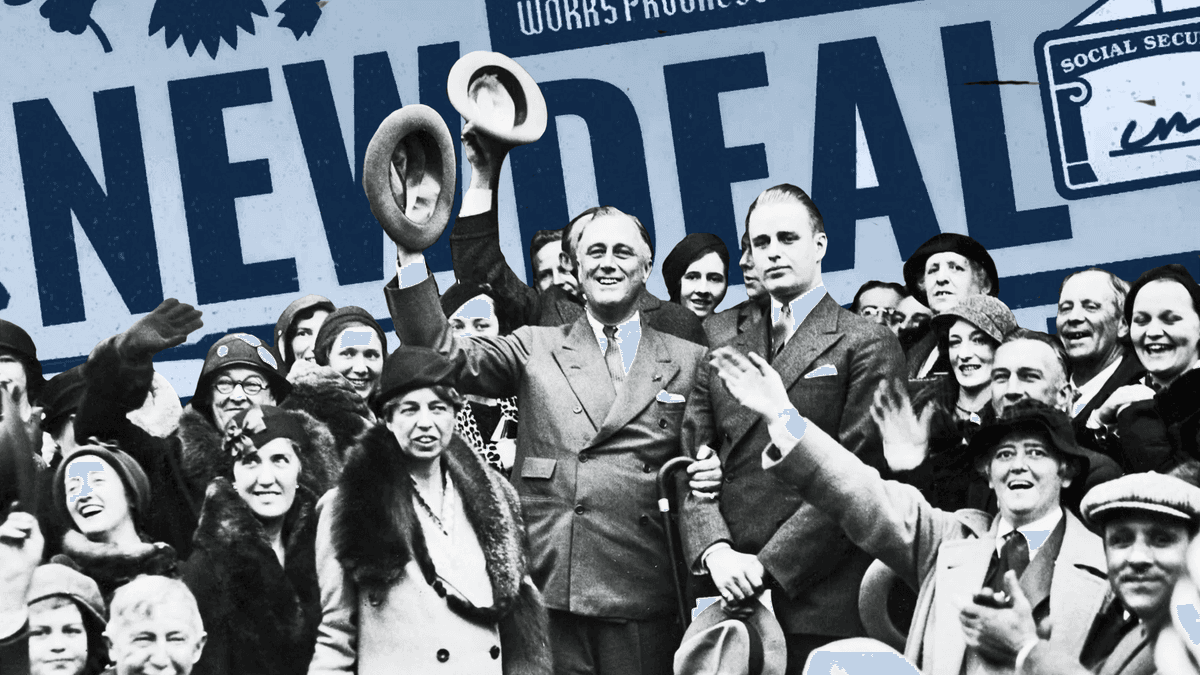
The New Deal: Fighting Depression with Bold Ideas
Faced with economic collapse, President Franklin D. Roosevelt launched a revolutionary plan to rebuild America from the ground up. The New Deal wasn’t just policy—it was a bold experiment in hope, action, and government responsibility.
Further Reading
Stay curious!