

2013: Mississippi Officially Ratifies the 13th Amendment—148 Years Late
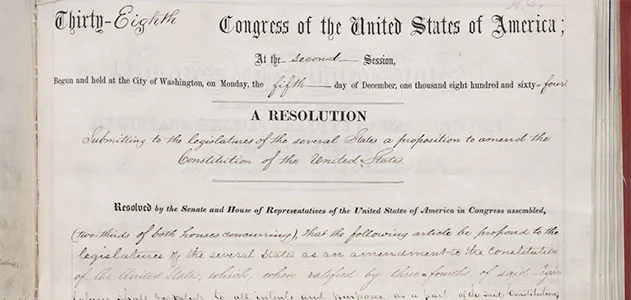
The original text of the 13th Amendment, which abolished slavery in the United States.
What Happened?
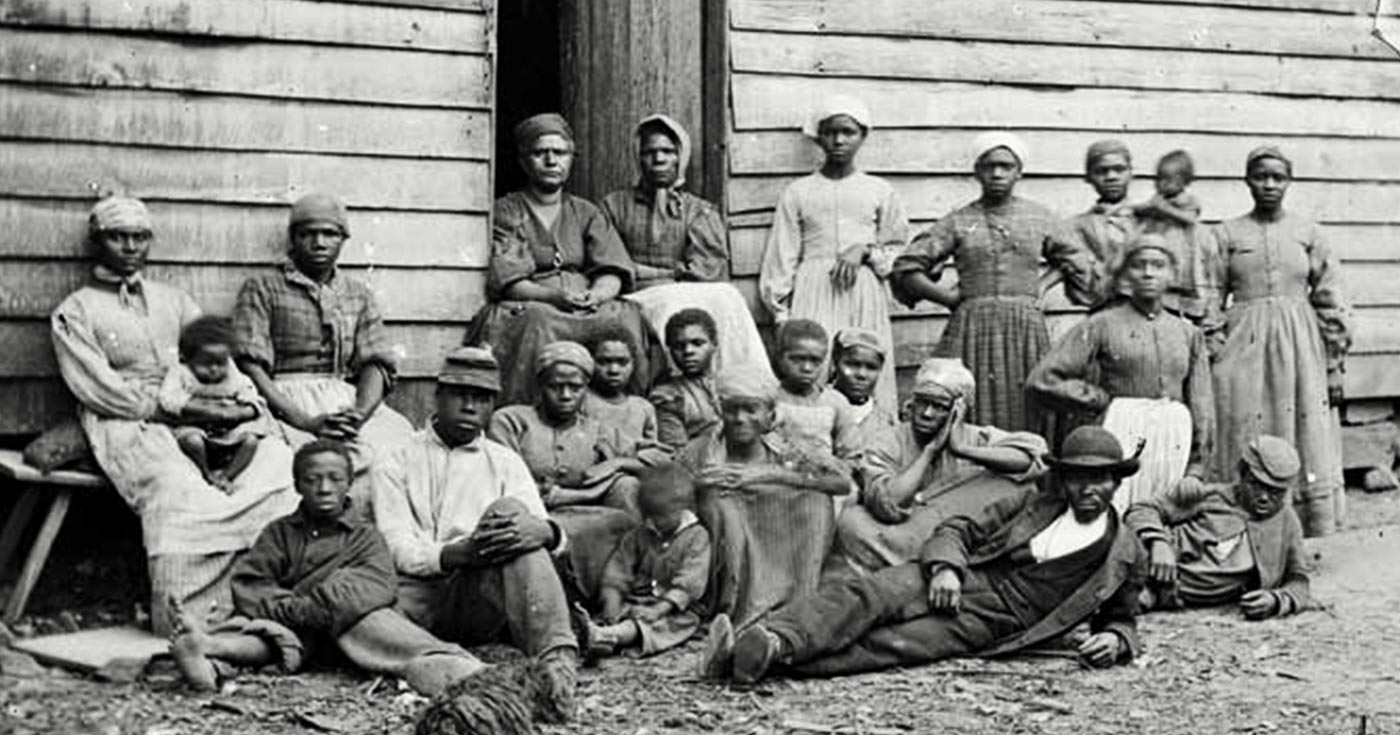
The 13th Amendment to the U.S. Constitution, which abolished slavery except as punishment for a crime, was passed by Congress on January 31, 1865. It needed to be ratified by three-fourths of the states to become law, and this was achieved when 27 of 36 states approved it by December 6, 1865. Mississippi, however, voted against ratification, refusing to acknowledge the amendment despite its passage into law.
For over a century, Mississippi remained one of the last holdouts, symbolizing the state’s deep resistance to change and its long history of institutionalized racial oppression. It wasn’t until 1995—130 years later—that the state legislature unanimously voted to ratify the amendment. However, in what might have seemed like poetic irony if it weren’t so tragic, state officials never actually filed the necessary paperwork with the U.S. Office of the Federal Register.
The mistake went unnoticed for 18 years until 2012, when Dr. Ranjan Batra, a professor at the University of Mississippi Medical Center, and Ken Sullivan, a longtime Mississippi resident, discovered the oversight while researching the history of the amendment. Shocked that the ratification had never been made official, they alerted the Mississippi Secretary of State’s office.
On January 30, 2013, Secretary of State Delbert Hosemann finally submitted the documentation to the federal government. One week later, on February 7, 2013, the U.S. Office of the Federal Register officially recorded Mississippi’s ratification—making it the last state in the country to formally recognize the abolition of slavery.
While Mississippi’s late ratification had no legal impact on the status of slavery, it was a stark reminder of how unresolved history continues to shape the present. The delay speaks to the state’s long resistance to racial equality, from Jim Crow laws to the Civil Rights Movement and beyond. A piece of paper cannot undo centuries of harm, but acknowledging past wrongs is a necessary step toward real justice.
This event also underscores a larger question: How many other laws, policies, and protections meant to ensure justice and equality remain unenforced, forgotten, or deliberately ignored? Mississippi’s failure to act for 148 years is not just a historical curiosity—it’s a cautionary tale about how progress is often delayed, not by accident, but by design.
Why It Matters
Mississippi’s failure to formally ratify the 13th Amendment until 2013 is more than just a delayed signature—it’s a reflection of the nation’s long struggle with racial justice. Laws may change, but systemic racism and institutional resistance to equality do not simply vanish. This event raises important questions: What other rights have yet to be fully realized? How do we ensure that legal victories translate into real change? And what responsibilities do we have today to address the unfinished business of history?
?
Dig Deeper
Should companies provide a ‘Made In an American Prison’ label if the product is made in an American jail? Over the last few decades there has been a huge surge of products made in prison factories by inmates.
Related
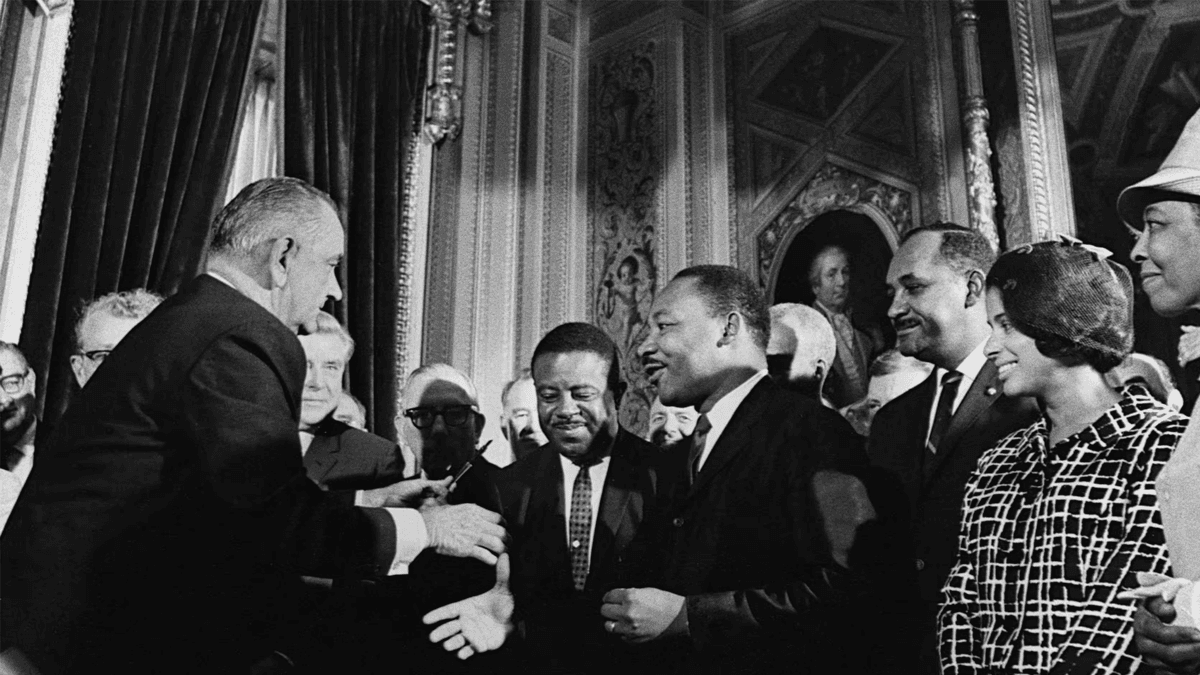
The Voting Rights Act of 1965: Enforcing the 15th Amendment
How a landmark law transformed voting access in the South and gave real force to the promises of the 15th Amendment.
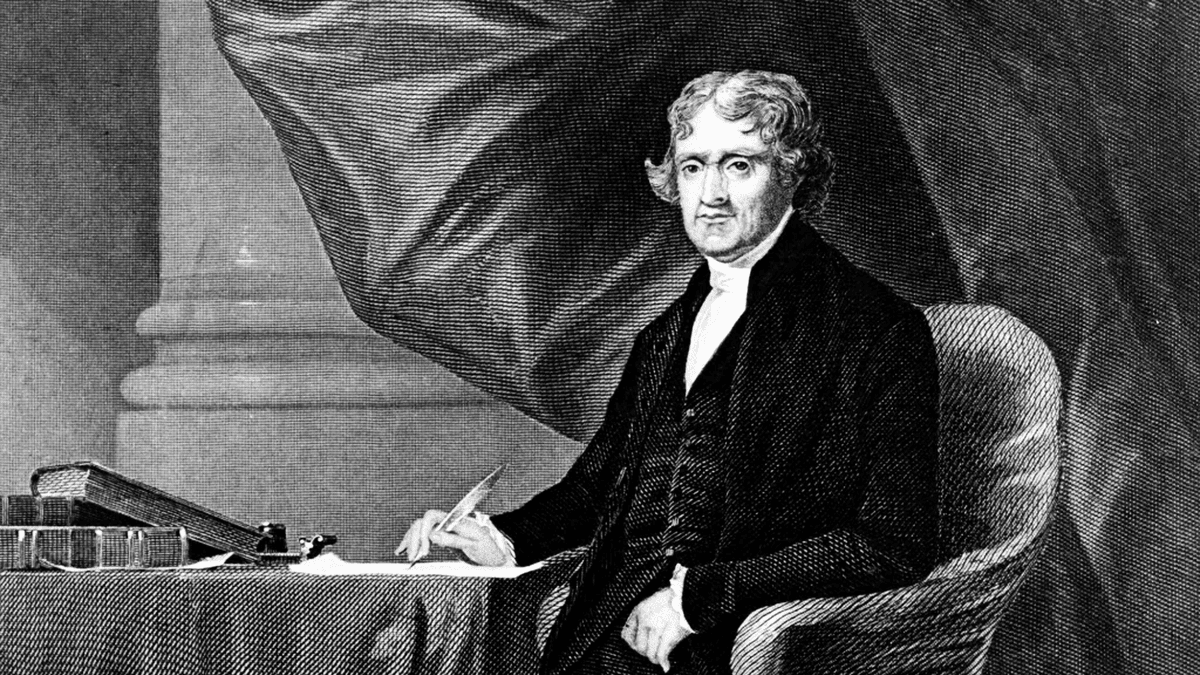
Thomas Jefferson’s Balancing Act: Power, Principles, and Pirates
He wanted smaller government. He ended up doubling the country. Jefferson’s presidency is the story of a man trying to shrink power—and finding out how complicated that gets when the world comes knocking.

The American Civil War – A Nation Torn Apart
From Fort Sumter to Appomattox, the Civil War was the deadliest conflict in U.S. history, fought over the nation's most profound moral and political divisions.
Further Reading
Stay curious!