

1909: The NAACP is Founded, Sparking a Century of Civil Rights Advocacy
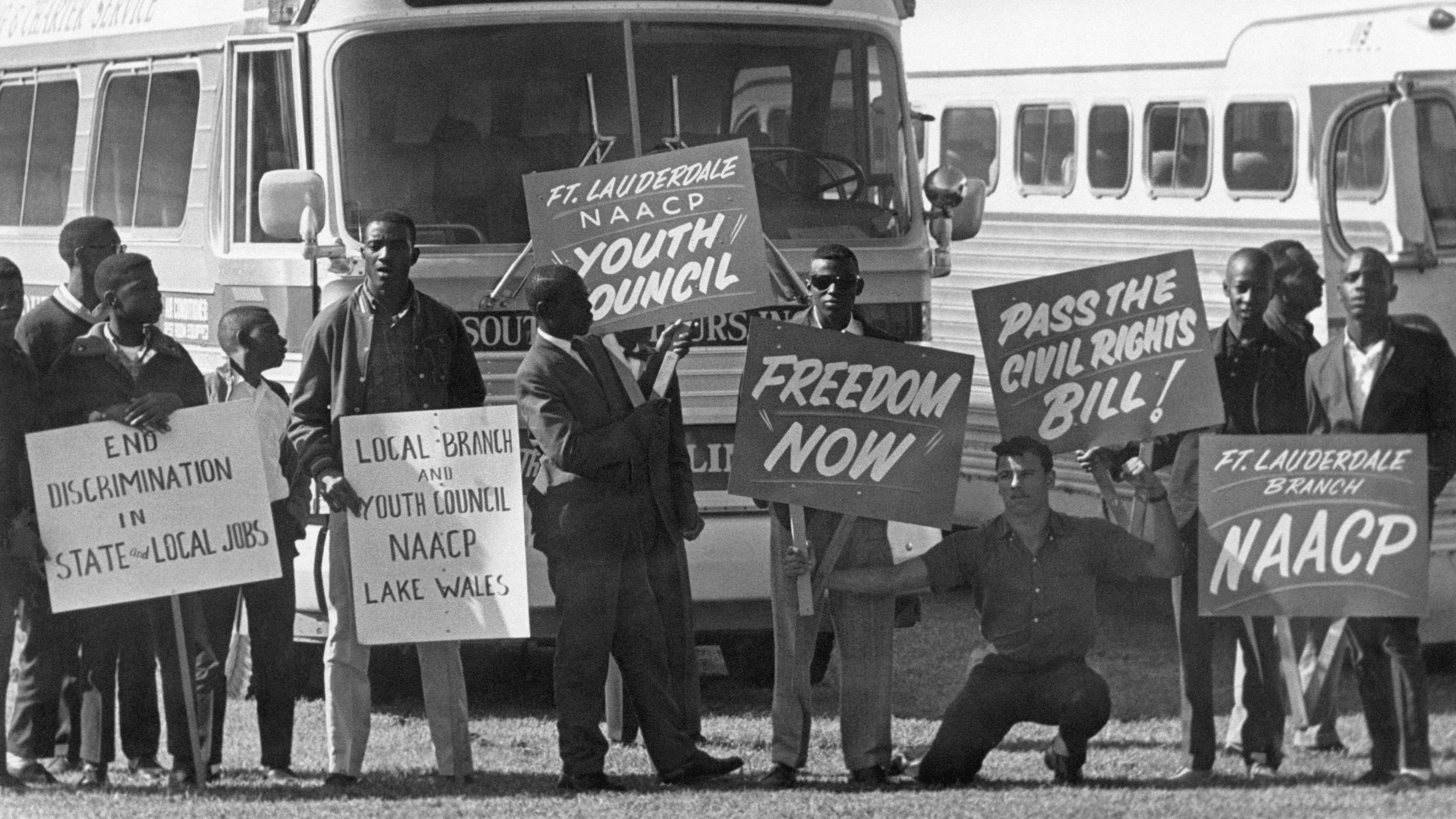
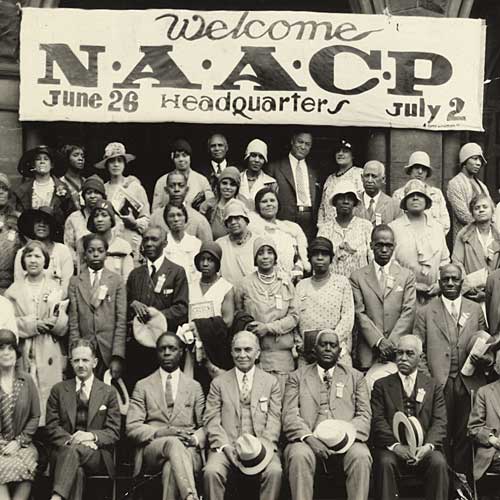
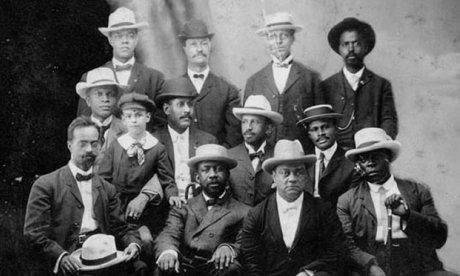
A historical photograph of early NAACP leaders, symbolizing the birth of a movement for civil rights.
What Happened?
At the dawn of the 20th century, racial violence in the United States was not just common—it was institutionalized. Jim Crow laws kept Black Americans locked in second-class status, and the terror of lynching was used to enforce white supremacy. In response, W. E. B. Du Bois and a group of activists—Black and white—formed the NAACP, determined to dismantle systemic racism through legal action, advocacy, and relentless activism.
In its early years, the NAACP focused on exposing the brutality of lynching, publishing shocking reports like Thirty Years of Lynching in the United States in 1919, forcing President Woodrow Wilson and Congress to acknowledge the crisis—even if they refused to act.
Then came the fight for education. In 1940, the NAACP’s Legal Defense and Educational Fund, led by Thurgood Marshall, took on the legal juggernaut of segregation. Their most historic win? Brown v. Board of Education in 1954, which struck down school segregation as unconstitutional. The ruling was more than just a legal victory—it was a seismic shift in the battle for civil rights.
The NAACP didn’t just fight in courtrooms—it was on the front lines. When Rosa Parks refused to give up her seat on a Montgomery bus in 1955, the NAACP was there, backing the boycott that launched Dr. Martin Luther King Jr. into the national spotlight. Through legal support, fundraising, and grassroots organizing, the NAACP provided the backbone for the Civil Rights Movement.
By the 1960s, the NAACP stood alongside SCLC, SNCC, and CORE in major efforts like the Voter Education Project and the March on Washington for Jobs and Freedom, helping to secure the Civil Rights Act of 1964 and the Voting Rights Act of 1965. But as the movement evolved, tensions between the NAACP’s legal approach and the rise of Black Power groups led to ideological divisions. Yet, even through disagreements, the NAACP remained steadfast in its pursuit of racial justice.
The late 20th century saw the organization struggle with declining membership and political challenges, but by the 1980s, it was rebuilding, relocating to Baltimore and reaffirming its role as a national leader in civil rights. Today, the NAACP continues to fight voter suppression, economic inequality, and systemic racism, proving that the battle for justice is far from over.
Why It Matters
The NAACP wasn’t just founded to challenge racism—it was built to endure. For over a century, it has been a force against injustice, adapting to each generation’s fight while staying true to its mission. From the courtroom to the streets, its legacy reminds us that progress is never inevitable—it’s won through strategy, sacrifice, and persistence. The question is, in a world still grappling with racial inequality, who will carry the fight forward now?
?
Can you think of examples today where people are still fighting for fairness?
How can small actions—like speaking up or learning more—make a big difference?
The NAACP worked to stop unfair laws and protect people’s rights. What rights do you think are the most important to protect today?
If you could start a group today to help people, what problem would you want to solve?
Dig Deeper
In 1915, D.W. Griffith, released a film that would go down as one of the most disturbing representations of black Americans ever, The Birth of a Nation. Released post-Civil War and Reconstruction Era, the film played on stereotypes abroad.
Related
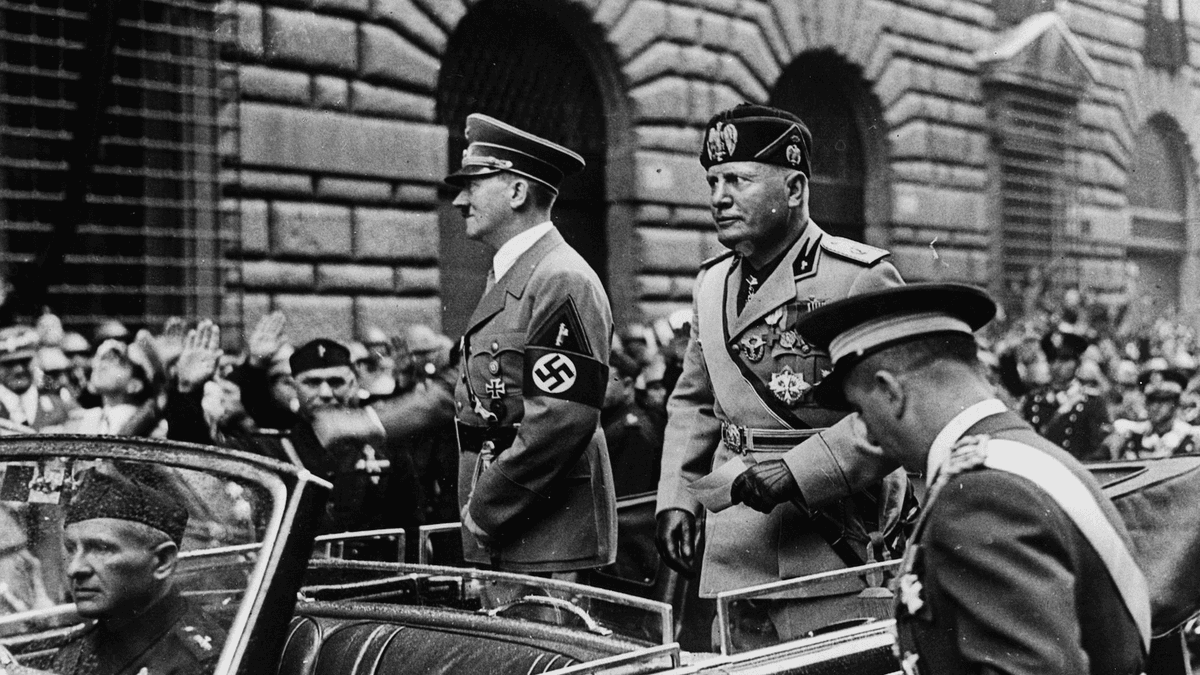
Fascism: Power, Propaganda, and the Fall of Democracy
Fascism emerged from the ruins of World War I and found its foothold in fear, nationalism, and economic despair. It promised unity, but delivered control, conformity, and catastrophe.
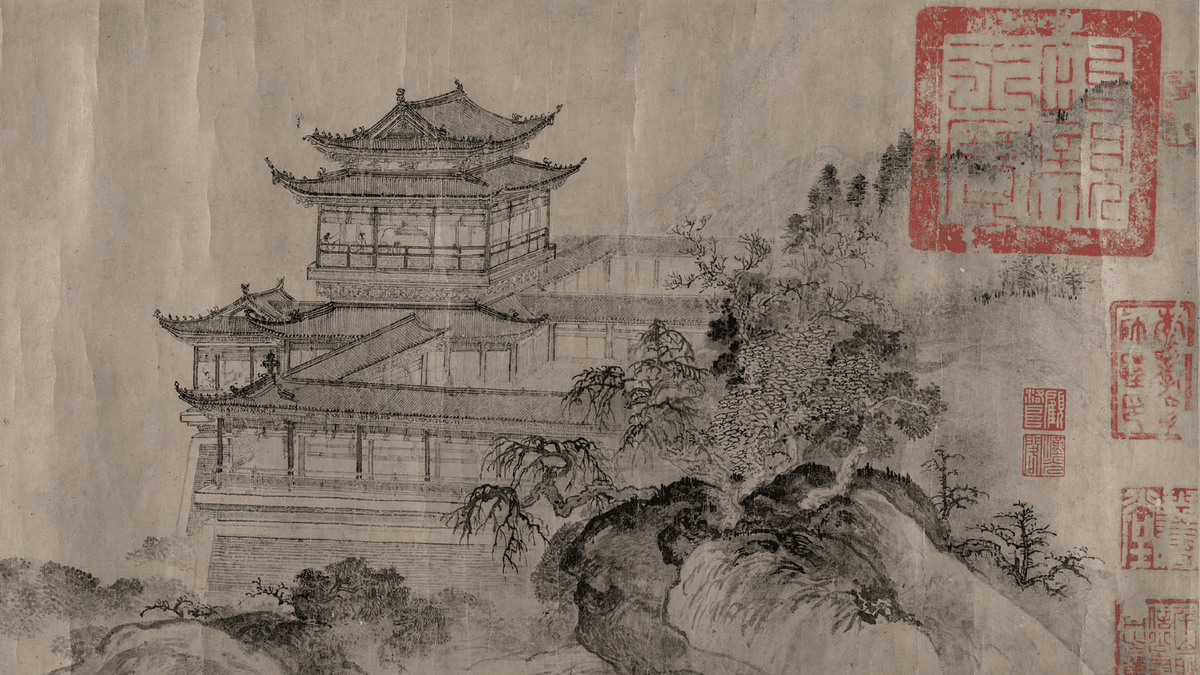
Developments in East Asia, 1200–1450
From Confucian bureaucracies to booming cities, East Asia between 1200–1450 reshaped global politics, culture, and technology.
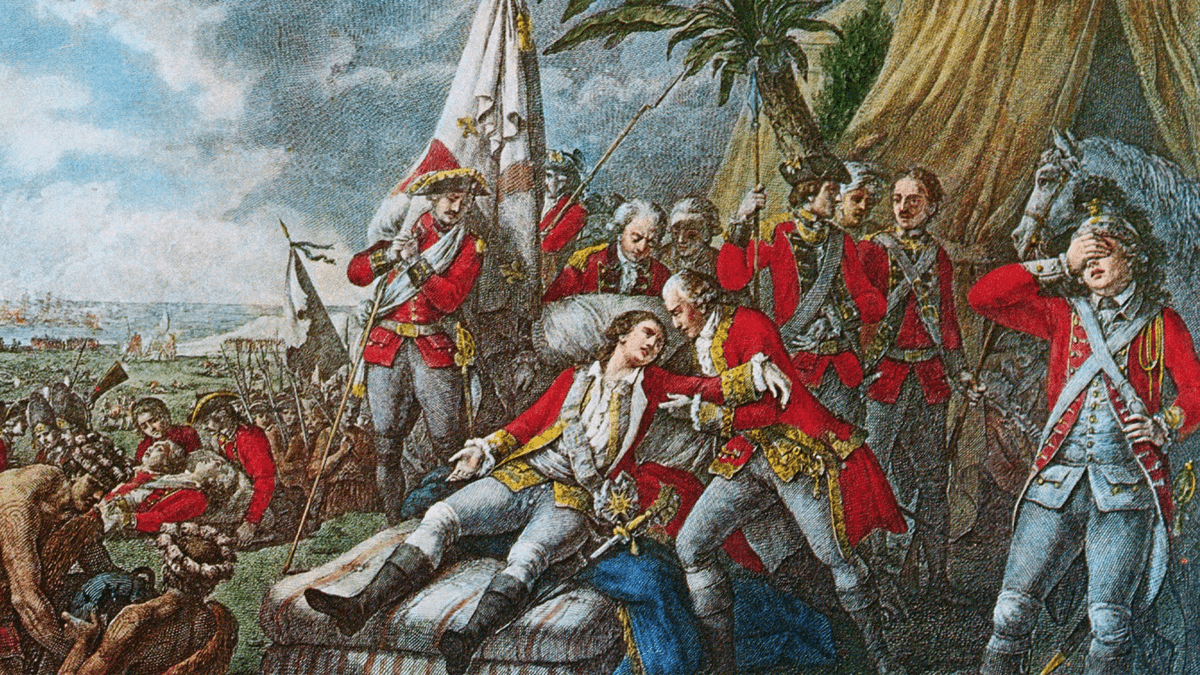
The French and Indian War: The Battle for North America
Before the American Revolution, another great war reshaped North America—the French and Indian War. It began as a fight over land and power, but ended up changing the map of the world and planting the seeds of independence.
Further Reading
Stay curious!