

Revolution in Real Time: Fidel Castro Seizes Power in Cuba
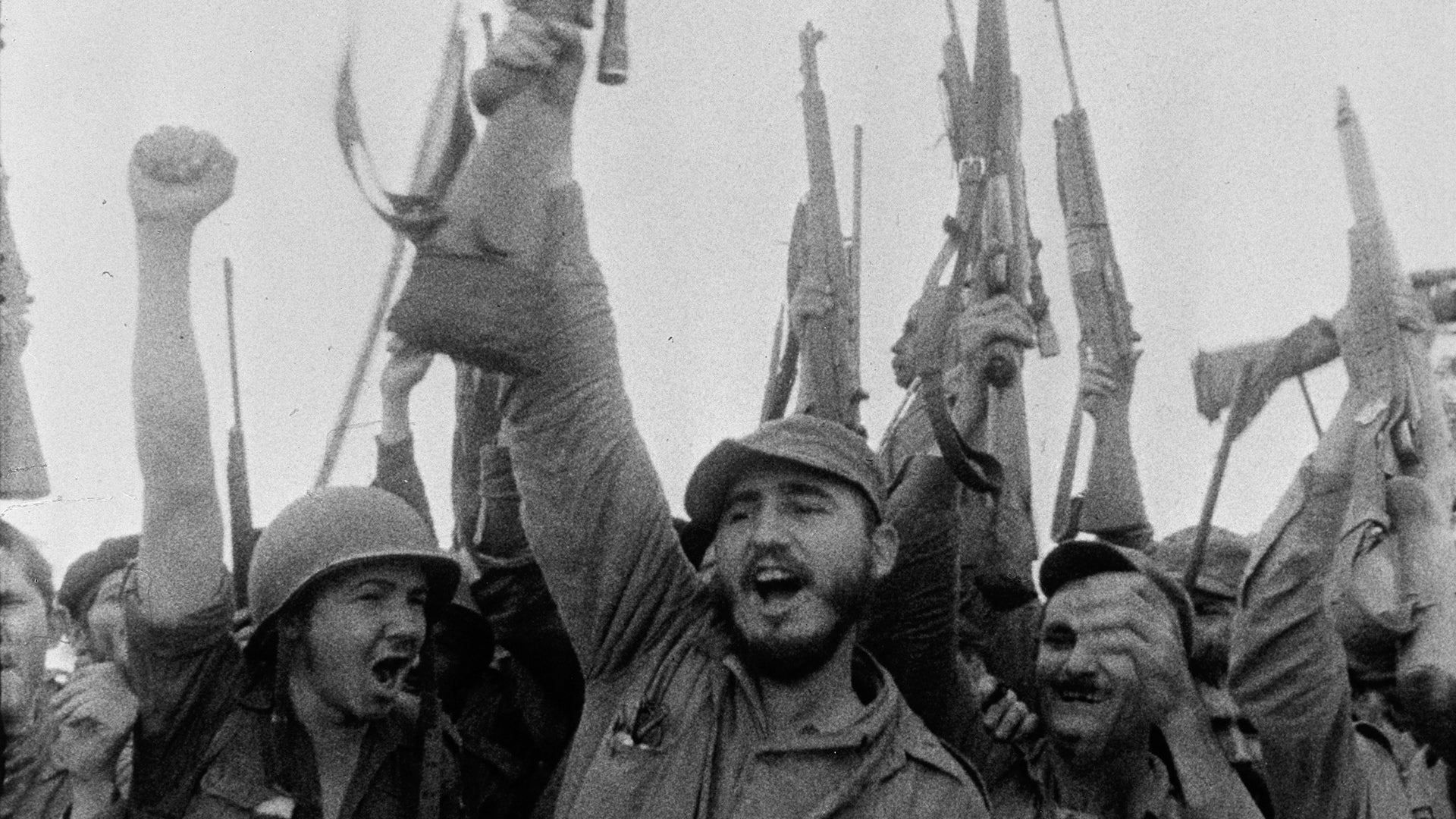
The Cuban Revolution was never just about toppling a dictator—it was a statement, a challenge to imperialism, and a radical experiment in governance that would endure despite decades of embargoes, failed invasions, and Cold War tension.
What Happened?
Cuba had spent decades under political instability, corruption, and foreign influence, with a revolving door of leaders and military strongmen shaping the nation’s history. Batista’s 1952 coup was the last straw for a young lawyer named Fidel Castro, who abandoned politics in favor of armed resistance.
Castro’s first attempt at revolution in 1953 ended in failure, imprisonment, and a rousing courtroom speech where he declared, 'History will absolve me.' Spoiler: It did—at least in some history books.
After being exiled to Mexico, Castro met Che Guevara, an Argentine doctor turned Marxist revolutionary. Together, they launched the 26th of July Movement, training fighters and planning their return to Cuba.
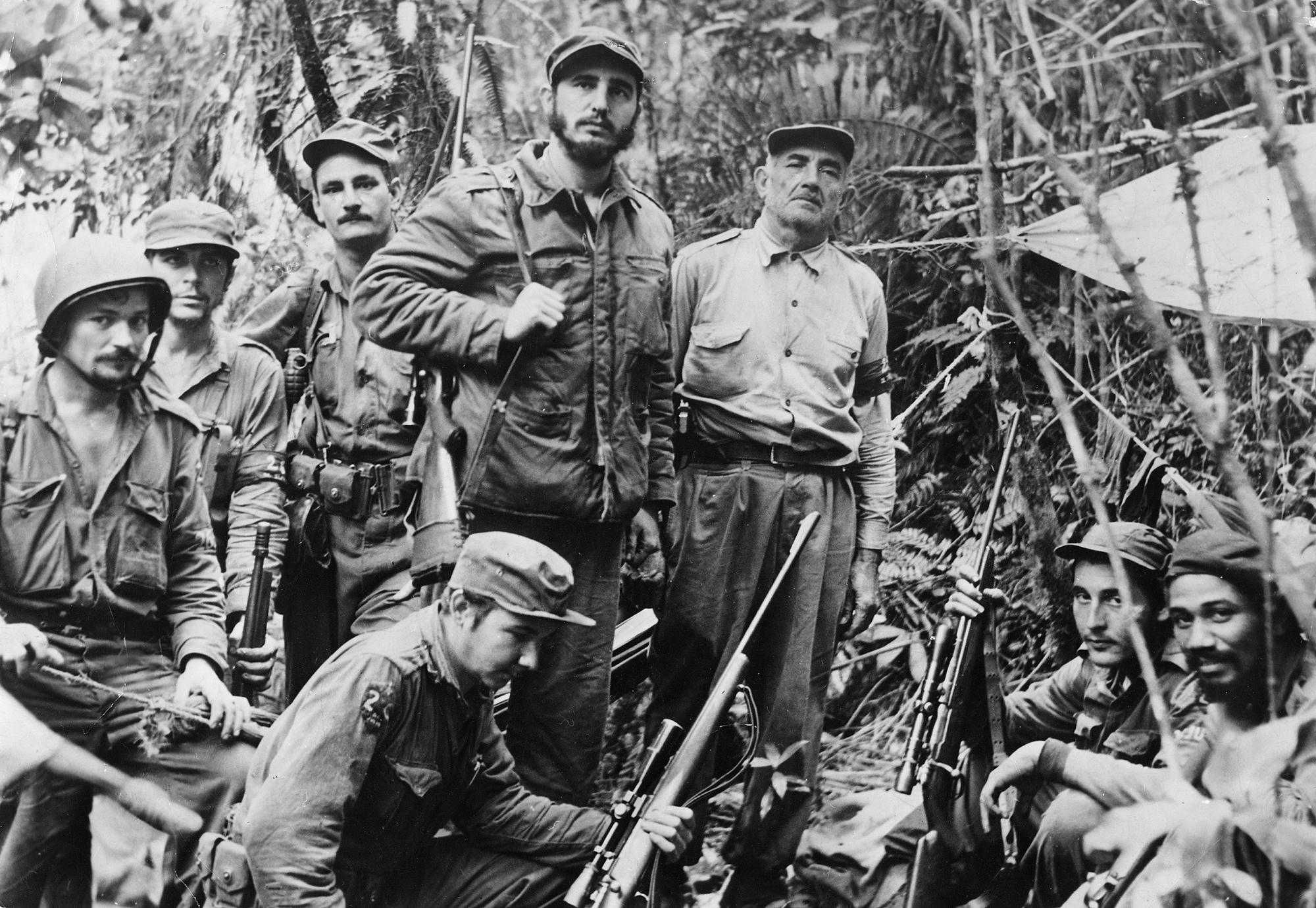
The revolution officially reignited in 1956, when Castro and 81 fighters arrived in Cuba on the Granma, a small yacht. Things went sideways fast—most were killed or captured, but Castro, his brother Raúl, and Guevara escaped to the Sierra Maestra mountains, where they launched a guerrilla war that gained support from peasants, workers, and urban intellectuals.
By 1958, Batista’s forces were crumbling, and a decisive rebel victory in Santa Clara signaled the end. On January 1, 1959, Batista fled. Castro’s forces rolled into Havana soon after, greeted by cheering crowds and a new era of uncertainty.
While Castro initially spoke of democracy, it wasn’t long before elections were postponed indefinitely, opposition was silenced, and a one-party state emerged—one that would eventually align with the Soviet Union, setting the stage for decades of Cold War tension.
Why It Matters
The Cuban Revolution didn’t just change Cuba—it altered the global political landscape. Castro’s defiance against U.S. influence in Latin America sparked waves of revolutionary movements, inspired leftist uprisings, and redefined Cold War alliances. His partnership with the Soviet Union escalated tensions to a fever pitch, culminating in the Bay of Pigs invasion (1961) and the Cuban Missile Crisis (1962)—one of the closest brushes with nuclear war in history. Meanwhile, Cuba itself became a study in contradictions: a beacon of anti-colonial resistance, a cautionary tale of authoritarianism, and a nation that, despite economic hardship, refused to bend under pressure. Love him or hate him, Castro’s ascent to power on this day in 1959 reshaped the world, proving that revolutions aren’t just fought on battlefields—they’re fought in ideas, politics, and, sometimes, against the weight of history itself.
?
How did the Cuban Revolution shape U.S. foreign policy in Latin America?
What role did Che Guevara play in Castro’s rise to power, and how did their visions for the revolution differ?
How did Castro maintain power despite decades of economic embargoes and opposition?
What were the long-term consequences of Cuba’s alignment with the Soviet Union?
Dig Deeper
A brief dive into how Castro’s revolution toppled a dictatorship and reshaped Cuba’s future.
Related
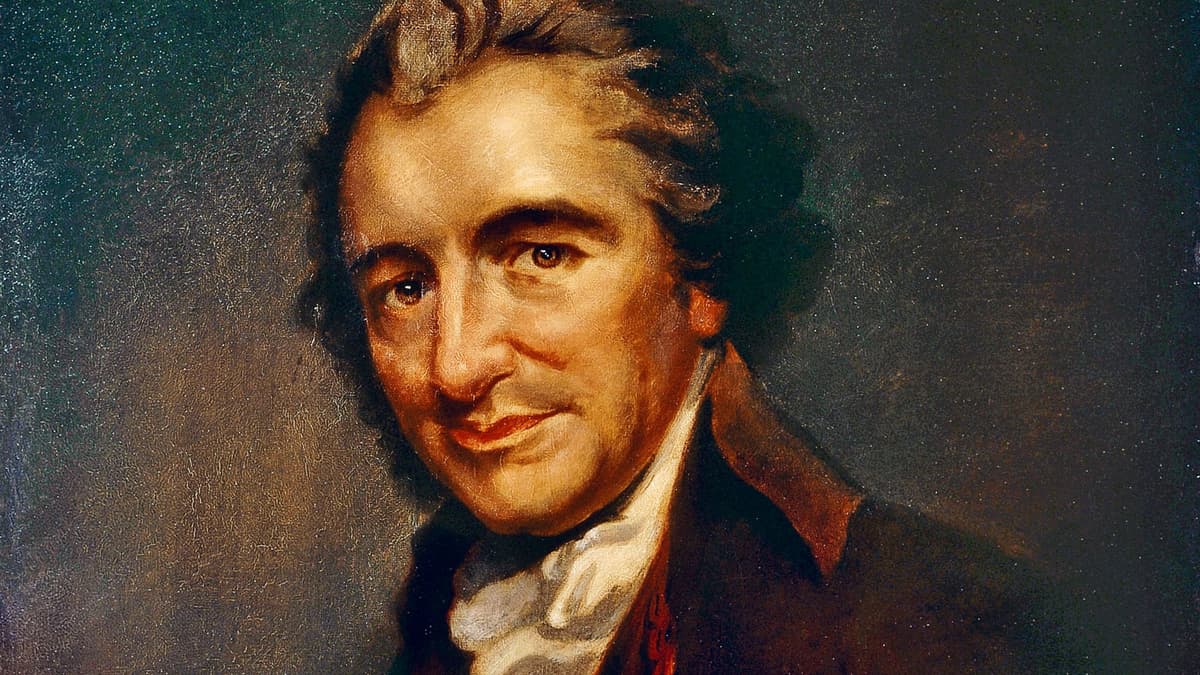
The Role of Ideas in Revolutionary Change
The Role of Ideas in Revolutionary Change: How can ideas and writings change the course of history?
The First Amendment: America’s Blueprint for Freedom
The First Amendment protects freedoms of speech, religion, press, assembly, and petition. It’s the foundation of American democracy—but also a source of constant debate and interpretation.
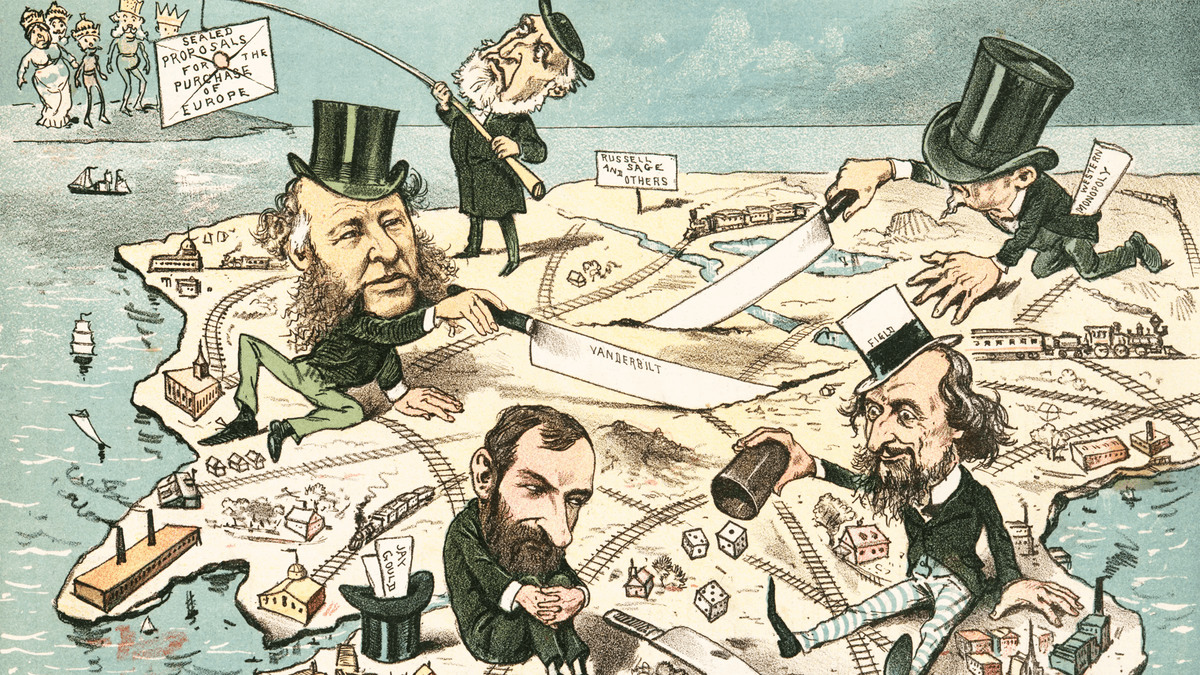
The Gilded Age, Industrialization, and the 'New South'
A glittering era of innovation and industry, the Gilded Age promised progress but delivered inequality. In the South, leaders dreamed of a 'New South,' yet industrialization offered opportunity for some while reinforcing systems of poverty and discrimination for others.
Further Reading
Stay curious!