

Reykjavik13: The Leak That Sparked a Global Firestorm
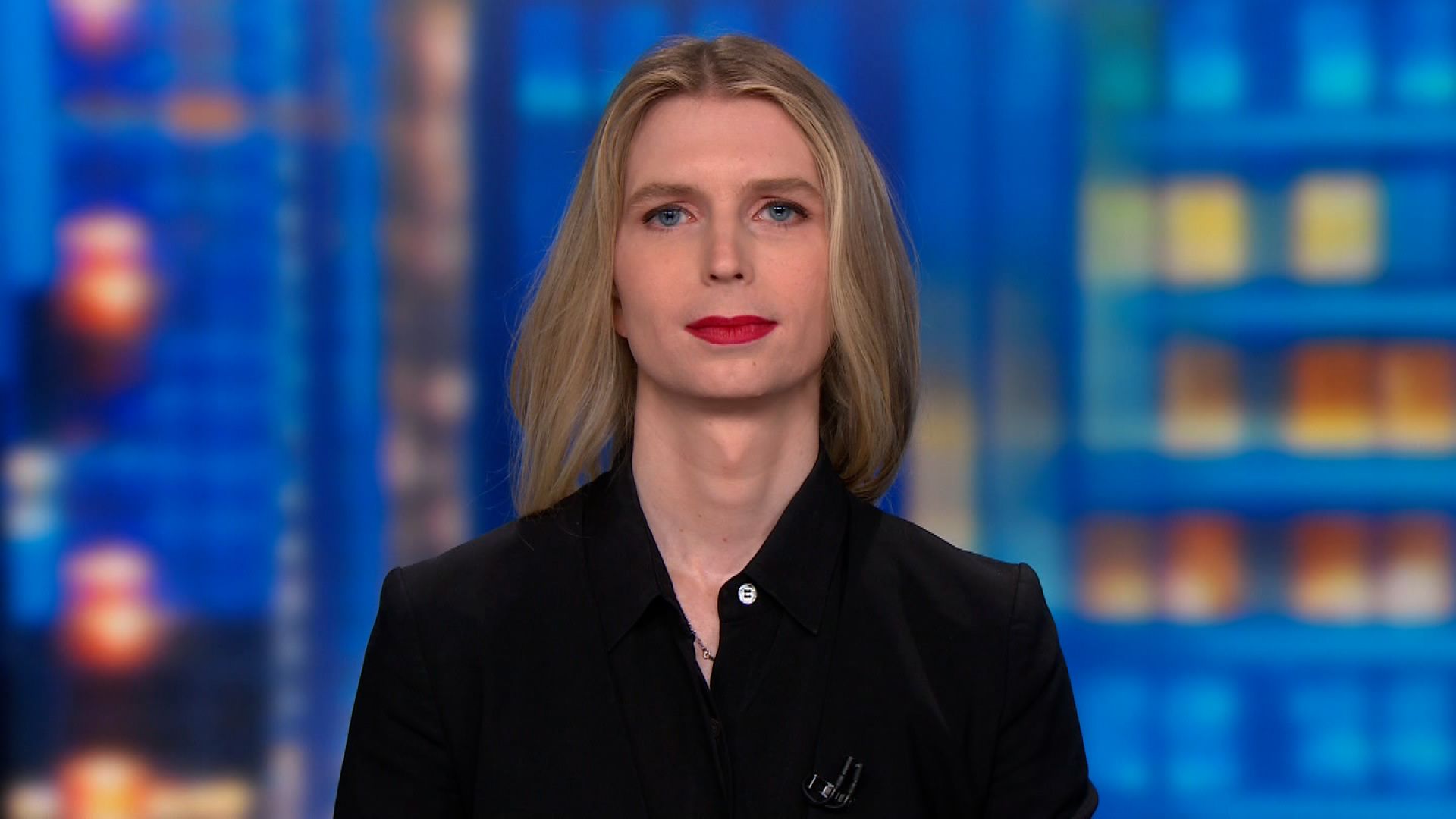
On February 18, 2010, Chelsea Manning sent WikiLeaks a classified document detailing a tense diplomatic exchange between U.S. and Icelandic officials.
What Happened?
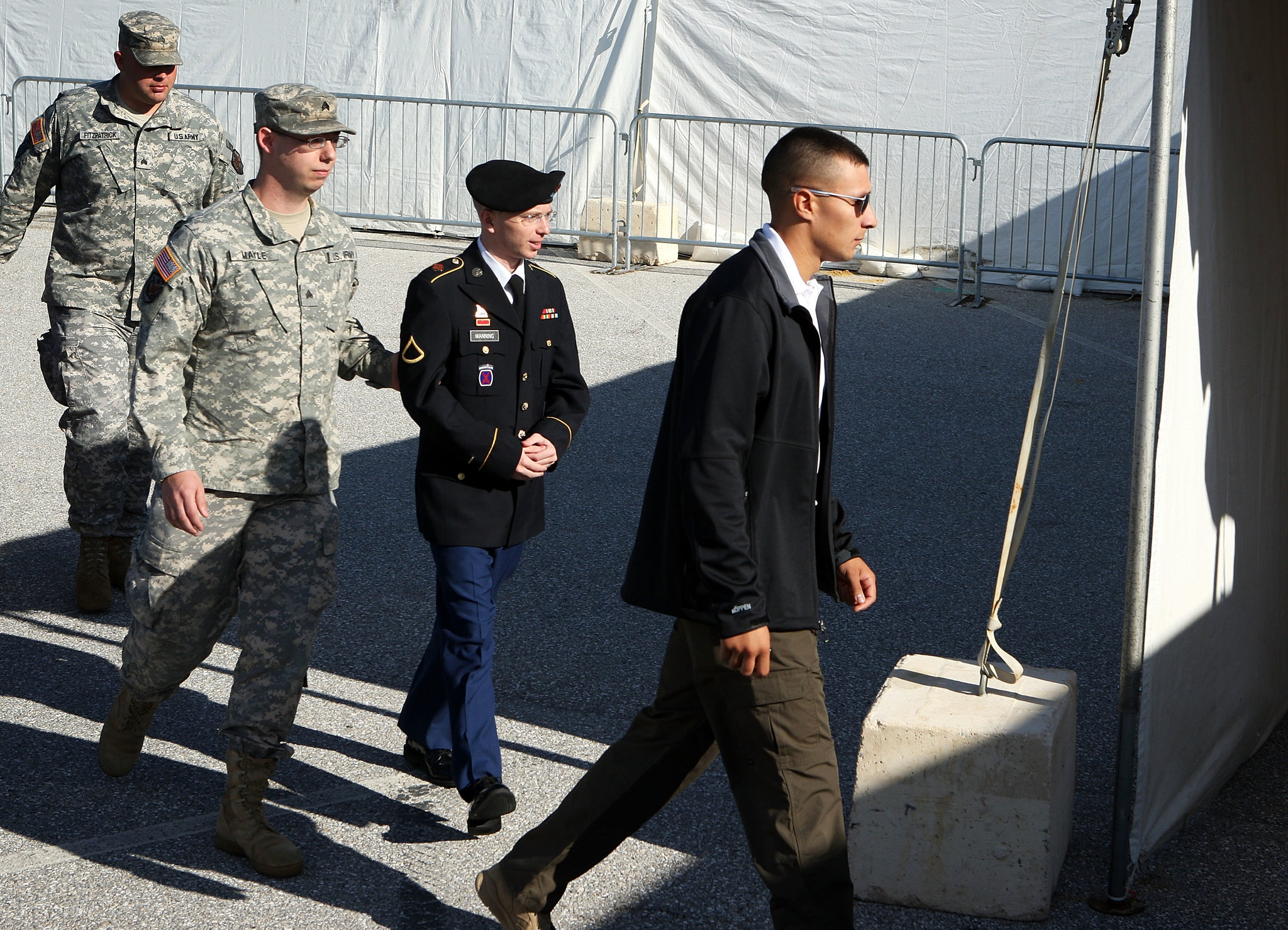
It all started with a single leak. On February 18, 2010, Chelsea Manning, an intelligence analyst stationed in Iraq, sent WikiLeaks a classified cable detailing a tense diplomatic exchange between U.S. and Icelandic officials. But that was just the beginning. Manning had seen behind the curtain of American warfare and diplomacy, and what she found wasn’t freedom and democracy—it was deception, backroom deals, and a war effort riddled with unreported civilian deaths. The official story didn’t match the reality. The public was being lied to. And in that moment, Manning made a choice: expose the truth, no matter the cost.
Using a CD labeled ‘Lady Gaga’ to smuggle documents past security, Manning downloaded hundreds of thousands of classified files and attempted to leak them to major newspapers. But The New York Times and The Washington Post didn’t bite. Enter WikiLeaks, an underground whistleblower platform run by Julian Assange, which specialized in exposing hidden government documents.
The first leak, Reykjavik13, was a diplomatic cable detailing U.S. pressure on Iceland during its financial crisis. The revelation? The U.S. was strong-arming the Icelandic government, despite its public image of benevolence. While not explosive on its own, it was a warning shot. The floodgates opened soon after.
In April 2010, WikiLeaks published the now-infamous ‘Collateral Murder’ video, showing a U.S. Apache helicopter firing on unarmed civilians and two Reuters journalists in Iraq. The footage was damning, revealing a callous disregard for human life and a military cover-up.
Then came the major disclosures: The Afghan War Logs (July 2010) and The Iraq War Logs (October 2010). These documents revealed a grim picture: civilian deaths covered up, torture ignored, and the U.S. military conducting operations in direct contradiction to public statements. Among the most staggering findings: The true civilian death toll in Iraq was at least 66,000—far higher than the U.S. had admitted.
The leaks didn’t stop there. Diplomatic cables released in November 2010 exposed global espionage efforts: the U.S. was spying on the United Nations, collecting biometric data on foreign leaders, and engaging in politically embarrassing backroom deals. Saudi Arabia had urged the U.S. to bomb Iran. Putin was labeled an ‘alpha dog’. Angela Merkel was dismissed as ‘risk-averse’. The revelations sent shockwaves through foreign capitals, military institutions, and intelligence agencies.
By May 2010, Manning was arrested after confiding in former hacker Adrian Lamo, who turned her in to U.S. authorities. Manning was sentenced to 35 years in military prison, but her case ignited a global debate on government transparency, whistleblower protections, and the ethics of state secrecy.
Meanwhile, Julian Assange became a fugitive. Facing extradition to Sweden (officially on sexual misconduct charges, but widely believed to be a pretext for a U.S. extradition), Assange took refuge in the Ecuadorian Embassy in London for seven years before his asylum was revoked in 2019. He remains in legal limbo, fighting extradition to the U.S., where he faces espionage charges.
Why It Matters
The Manning-WikiLeaks leaks changed the way the world understood U.S. foreign policy, war, and diplomacy. It forced a global reckoning with government secrecy, press freedom, and whistleblower protections. The information Manning leaked didn’t just embarrass governments—it fundamentally altered the relationship between the state and its citizens in the digital age. Today, the U.S. government still debates how to handle leaks and whether whistleblowers should be treated as heroes or traitors. Manning’s story remains one of the most significant battles over truth, power, and accountability in modern history.
?
Should people who reveal government secrets be treated as heroes or as rule-breakers? Can they be both?
Why do governments keep secrets, and do you think all secrets are necessary?
How do you think the internet has changed the way people share information? Do you think that’s a good thing or a bad thing?
What would you do if you found out something unfair was happening, but telling people might get you in trouble?
Dig Deeper
In an interview with CNN's Jake Tapper, former US Army soldier and whistleblower Chelsea Manning described her new tell-all memoir and why she chose to leak 750 classified documents to WikiLeaks.
Related
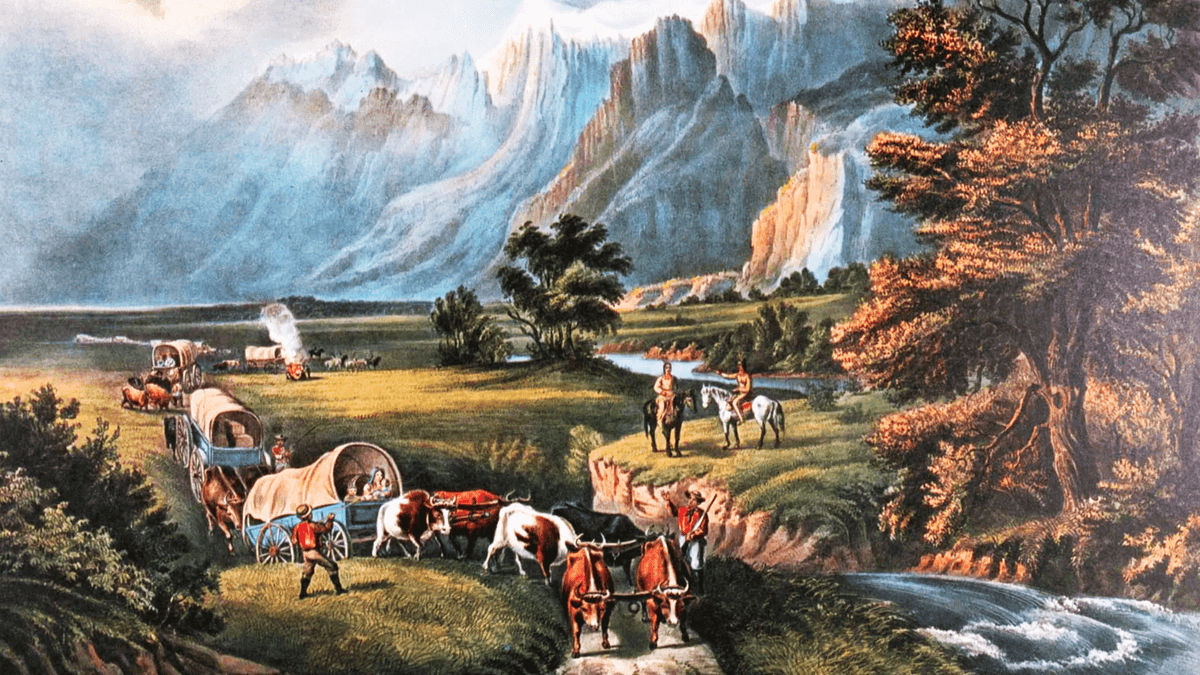
Westward Expansion, Sectionalism, and the Road to Civil War
Manifest Destiny fueled territorial growth, but it also deepened sectional divides—turning political disagreements over slavery and states’ rights into irreconcilable conflicts that led to civil war.
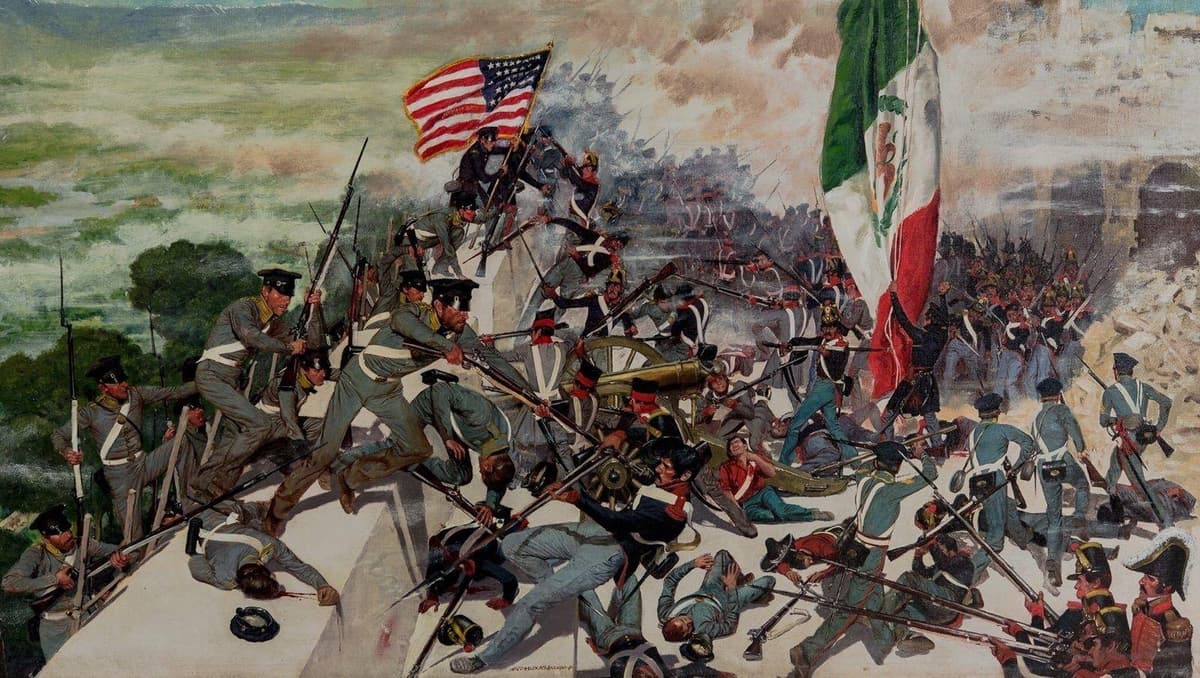
The U.S.-Mexico War
On May 13, 1846, the U.S. Congress declared war on Mexico. Behind the scenes? Land lust, slave politics, and a president with a map in one hand and a match in the other.
Trickle-Down Economics
For decades, politicians have promised that cutting taxes for the rich would benefit everyone. But does the wealth really 'trickle down'—or does it just stay at the top? A deep dive into the history, evidence, and impact of trickle-down economics.
Further Reading
Stay curious!