

The U.S. Acquires Spanish Florida
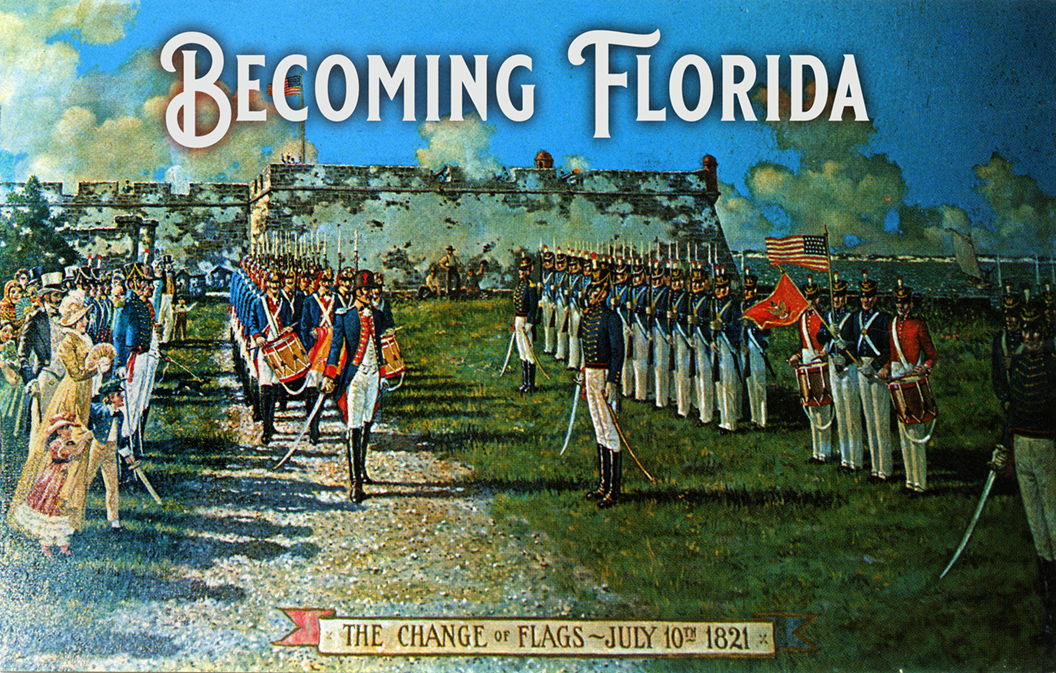
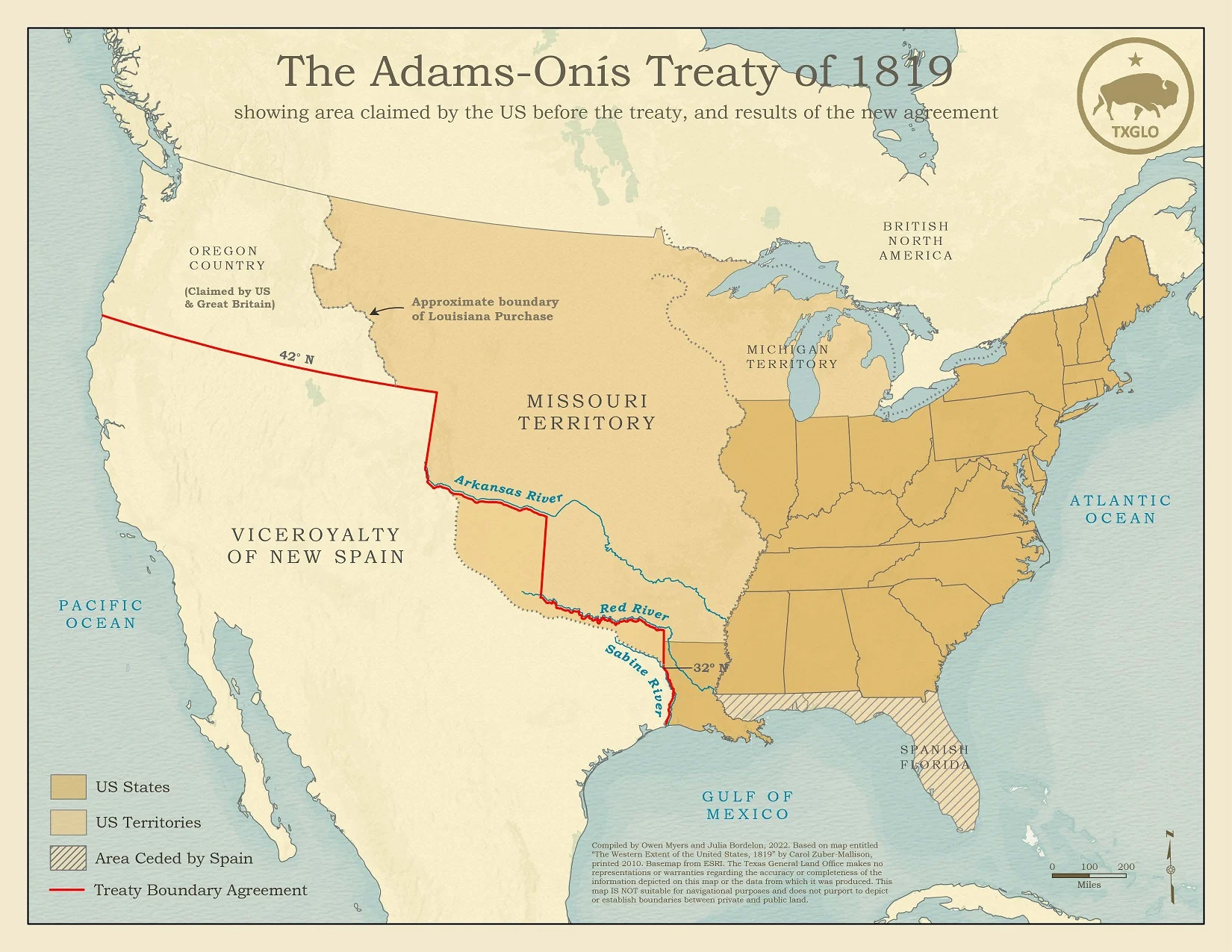
A map depicting Spanish Florida before the Adams-Onís Treaty, highlighting the region’s transformation into U.S. territory.
What Happened?
Spanish Florida had been a contested land since the 16th century, passed between European powers before coming under U.S. control. Originally settled by Spain in 1565 with the establishment of St. Augustine, Florida remained a Spanish colony for over two centuries. However, pressure from British colonists, Native American resistance, and shifting European alliances made its hold increasingly fragile.
After losing Florida to the British in 1763 during the Seven Years’ War, Spain regained the territory in 1783 following the American Revolution. But by the early 19th century, Spanish control weakened further due to internal struggles and external pressures, including U.S. settlers encroaching on Florida’s borders and Andrew Jackson’s military incursions during the First Seminole War.
The Adams-Onís Treaty, signed in 1819 and ratified in 1821, resolved border disputes between Spain and the U.S. Under its terms, Spain ceded Florida to the U.S. while the U.S. renounced any claims to Texas. In exchange, the U.S. assumed $5 million in claims by American citizens against Spain. The treaty also established a clear boundary between the U.S. and Spanish-held territories stretching to the Pacific.
Following the treaty’s ratification, the U.S. formally took control of Florida in 1821, with Andrew Jackson appointed as its first military governor. The territory’s incorporation led to rapid population growth, infrastructure development, and increasing tensions with Native American tribes, resulting in the Seminole Wars. Florida remained a U.S. territory until it achieved statehood in 1845.
The acquisition of Florida marked a crucial step in U.S. expansion, reinforcing American influence in the Southeast and securing a critical buffer against European intervention. However, it also paved the way for the forced displacement of Native Americans and the expansion of slavery, shaping the complex history of the region.
Spain’s decision to cede Florida reflected its declining power in the Americas, as it struggled to maintain its empire amid colonial revolutions. Meanwhile, the U.S. solidified its claim to a vast and strategically significant region, setting the stage for future territorial acquisitions and conflicts that would define 19th-century America.
Why It Matters
The Florida Purchase Treaty was more than a land deal—it was a turning point in American history. It secured the nation’s southeastern border, demonstrated the growing influence of U.S. diplomacy, and set the precedent for future territorial expansion. But it also underscored the human cost of empire-building, as Native American communities were displaced and enslaved labor expanded. Today, the echoes of this history remain in Florida’s diverse cultural landscape and complex political legacy.
?
What were Spain’s motivations for ceding Florida to the U.S., and how did global events influence this decision?
How did the acquisition of Florida contribute to America’s expansionist policies in the 19th century?
What were the consequences of U.S. control over Florida for Native American communities, particularly the Seminoles?
How did the Adams-Onís Treaty shape the future of U.S.-Mexico relations?
Dig Deeper
From strategic advantages to political tensions and territorial ambitions, the story of Florida's purchase is more fascinating than you might think.
Related
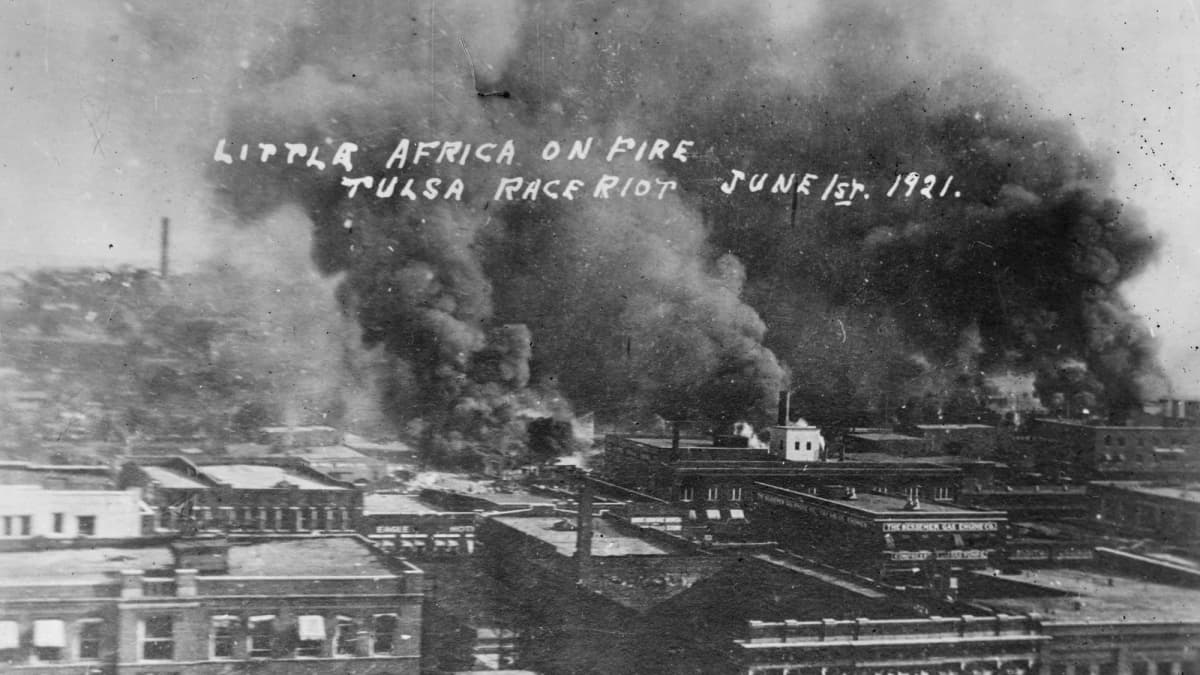
The Tulsa Race Massacre: Black Wall Street Burned
Greenwood was known as Black Wall Street—until a white mob burned it to the ground. The Tulsa Race Massacre wasn’t a riot. It was a coordinated attack. And it was nearly erased from history.
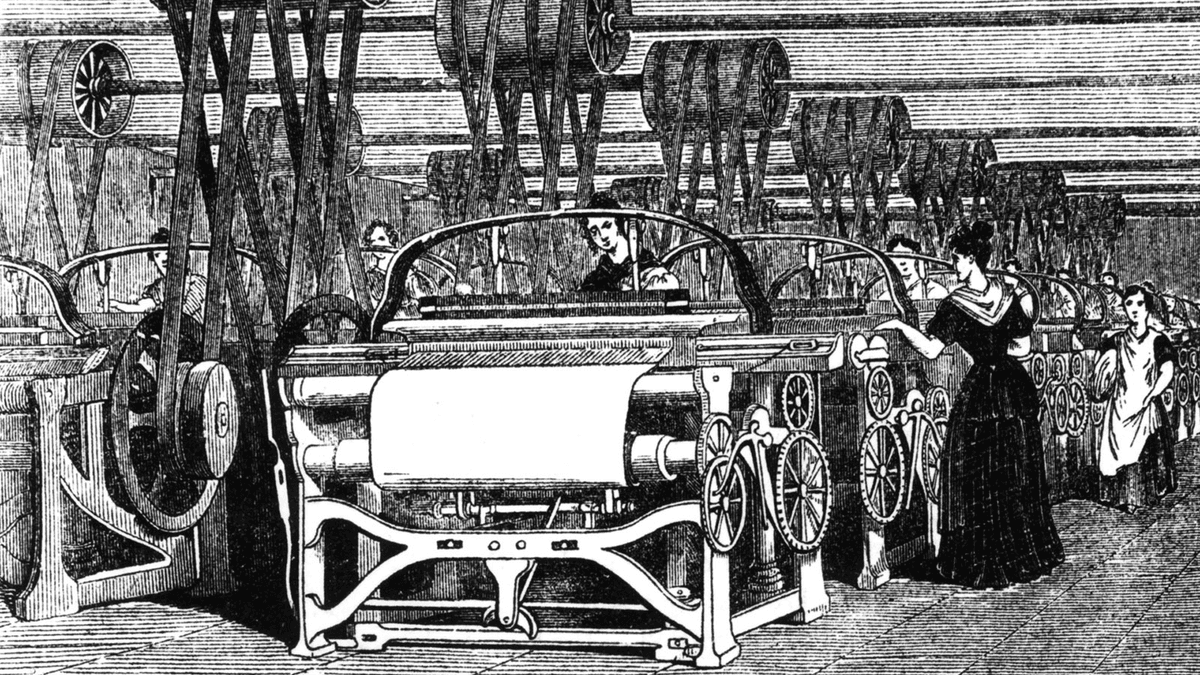
Early Industry and Economic Expansion (1800–1850)
From gold mines in North Carolina to textile mills and telegraphs, discover how the Market Revolution transformed the way Americans lived, worked, and connected in the early 19th century.
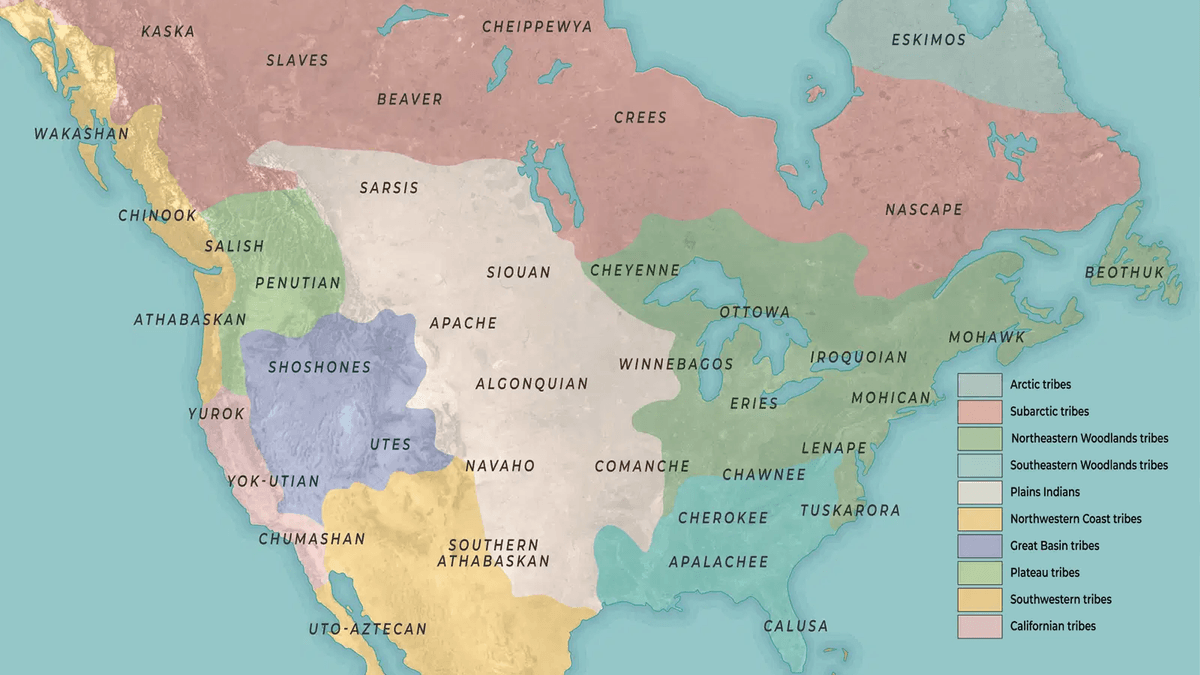
Indigenous Nations Before European Contact
Long before Columbus, Indigenous nations flourished across North America. From hunters following mammoths to farmers building vast trade networks, Native peoples shaped the land—and the land shaped them.
Further Reading
Stay curious!