

Supreme Court Upholds Women’s Right to Vote
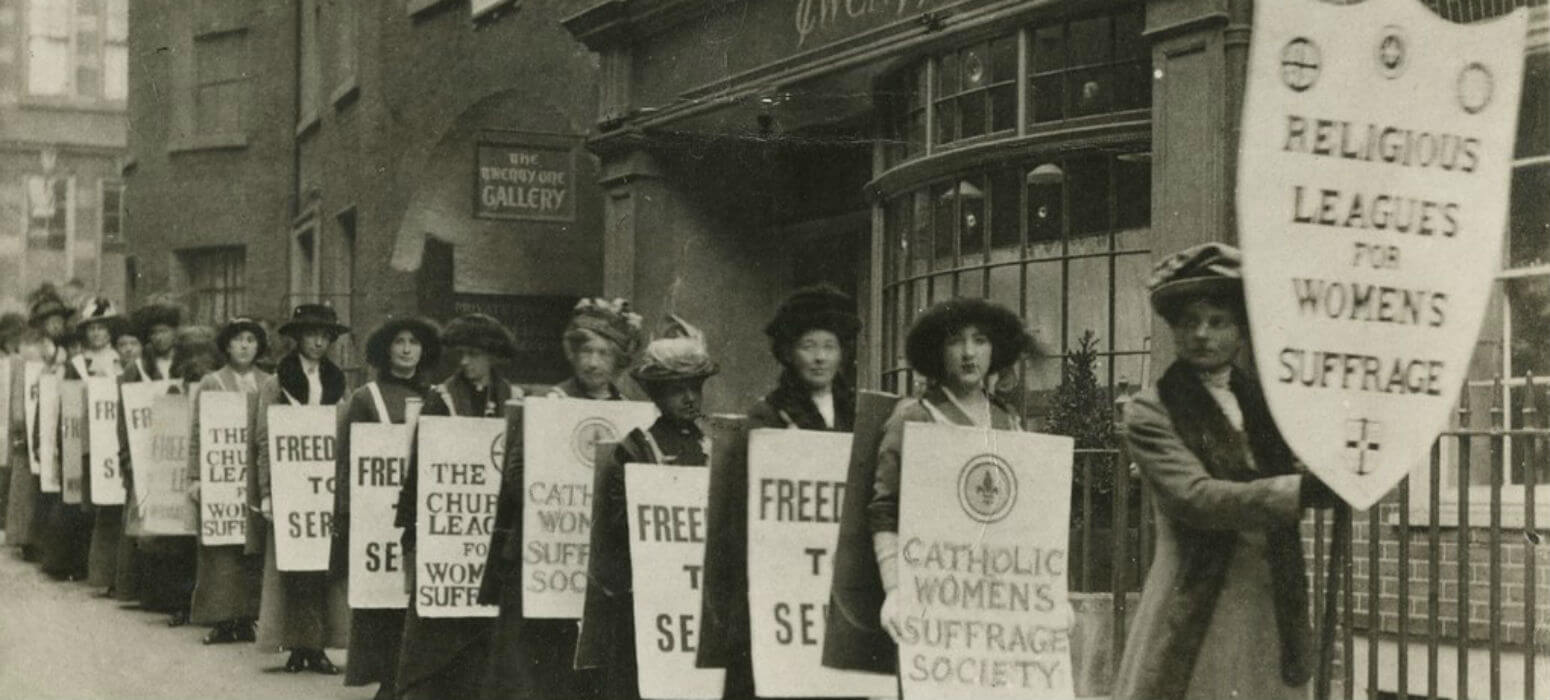
The Supreme Court’s ruling in Leser v. Garnett wasn’t just about affirming the 19th Amendment—it was a direct rebuke to those who believed they could erase women's political rights through legal maneuvering.
What Happened?
By 1922, the 19th Amendment had been part of the Constitution for over a year, but that didn’t stop detractors from trying to challenge it in court. Enter Oscar Leser, a Baltimore lawyer who attempted to have women removed from Maryland’s voter rolls on the grounds that the state had never ratified the amendment. He argued that Maryland’s constitution still limited voting to men, and since the Maryland Legislature had rejected the 19th Amendment, women shouldn’t be allowed to vote there.
Leser’s case was built on shaky legal ground, but he pushed forward with it anyway, handpicking two women—Cecilia Waters and Mary Randolph—as examples to make his point. If he won, Maryland could effectively override a federal amendment and relegate women back to political invisibility.
The Supreme Court was not impressed. In a swift and unanimous decision, Justice Louis Brandeis wrote that the amendment was legally ratified and that states had no power to reject it after the fact. He pointed out that the 15th Amendment, which granted voting rights to African-Americans, had been similarly opposed by some states, but that opposition didn’t make it invalid.
Leser also claimed that some states that ratified the amendment had violated their own constitutional procedures. The Court dismissed this argument outright, noting that the power to amend the Constitution was federal, not state-controlled. Furthermore, even if his claims about Tennessee and West Virginia’s ratifications had been true, the amendment still had enough supporting states to meet the constitutional threshold, thanks to later ratifications from Connecticut and Vermont.
With the ruling, the Court reinforced a crucial principle: once voting rights are expanded through constitutional means, they cannot be undone by states clinging to outdated restrictions. This wasn’t just a legal technicality—it was a confirmation that the suffrage movement’s victory was here to stay.
Maryland, for its part, continued to resist. It wouldn’t officially certify the 19th Amendment until 1958—long after millions of women had already cast their votes and made their voices heard.
Why It Matters
The Supreme Court’s decision in Leser v. Garnett wasn’t just about affirming women’s right to vote—it was about setting a precedent that constitutional rights cannot be revoked just because some states refuse to accept progress. It also highlighted a recurring pattern in American history: expansion of civil rights is always met with backlash, often in the form of legal challenges designed to chip away at hard-won gains. The fight for voting rights didn’t end in 1922. It continues today, reminding us that democracy is only as strong as our willingness to defend it.
?
Why do you think some states resisted the 19th Amendment even after it became law?
What parallels can you draw between the legal challenges to women’s suffrage and modern debates over voting rights?
How do Supreme Court rulings shape the long-term future of civil rights movements?
Why do you think the Supreme Court ruled unanimously in favor of upholding the 19th Amendment?
Dig Deeper
In which John Green teaches you about American women in the Progressive Era and, well, the progress they made. So the big deal is, of course, the right to vote women gained when the 19th amendment was passed and ratified.
Explore how the Women’s Suffrage Parade on Washington in 1913 helped women secure the right to vote in the United States through the 19th amendment.
Related
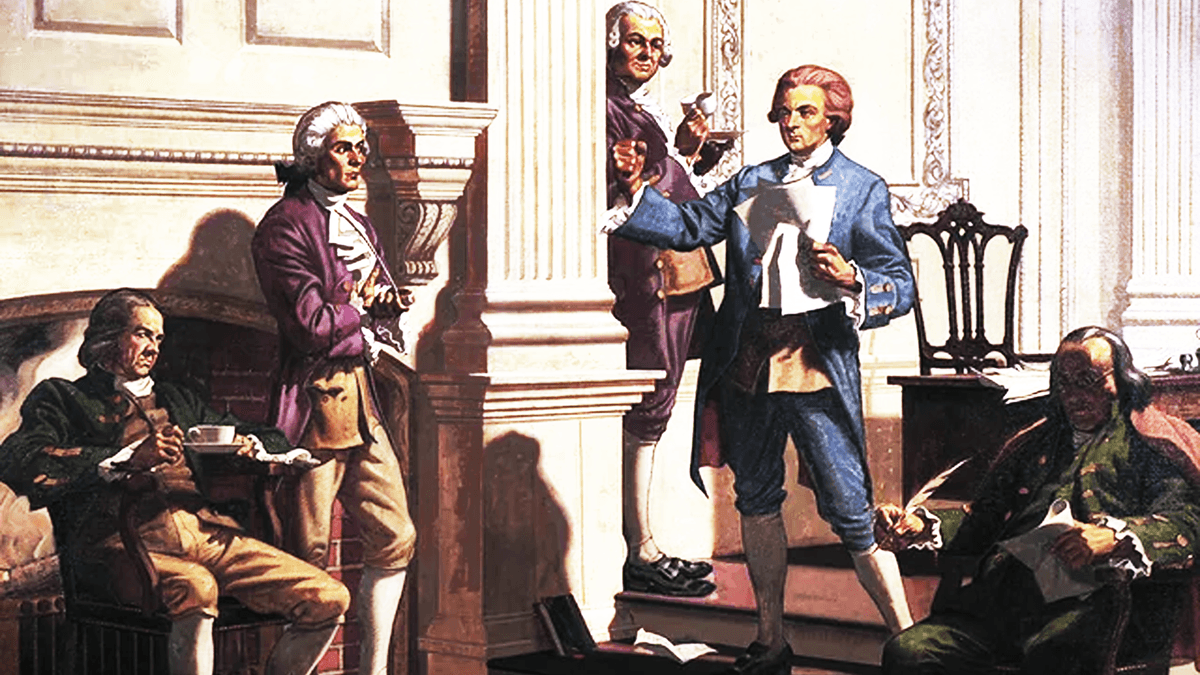
Halifax Resolves and the Road to Revolution
How North Carolina went from protest to the first official call for full independence from Britain.
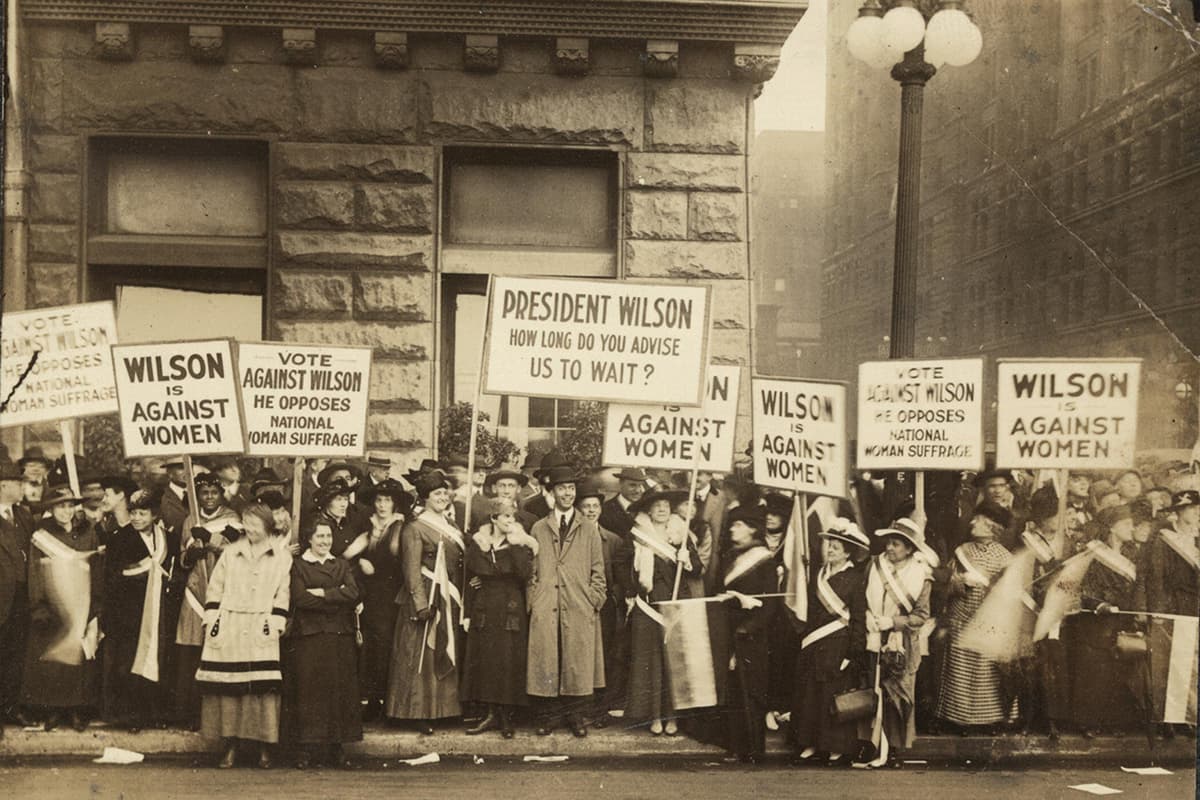
Votes for Women: The Fight for the 19th Amendment
It took more than 70 years of protests, petitions, and picket lines to win the right for women to vote in the United States. The 19th Amendment didn’t just expand democracy—it redefined it.
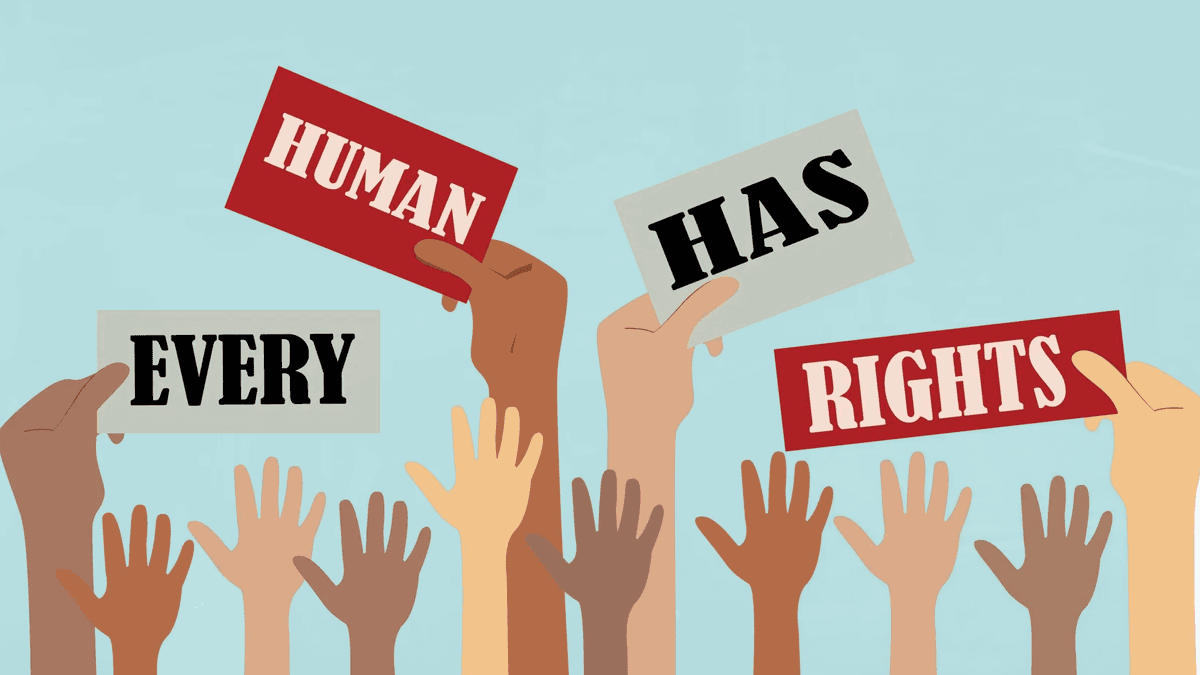
Human Rights
Human rights are the basic freedoms and protections that belong to every person on Earth. They help keep people safe, ensure dignity, and make freedom, justice, and peace possible. But these rights aren’t just given—they must be understood, protected, and defended by all of us.
Further Reading
Stay curious!