

The Double Helix Unveiled: Watson and Crick Announce the Structure of DNA
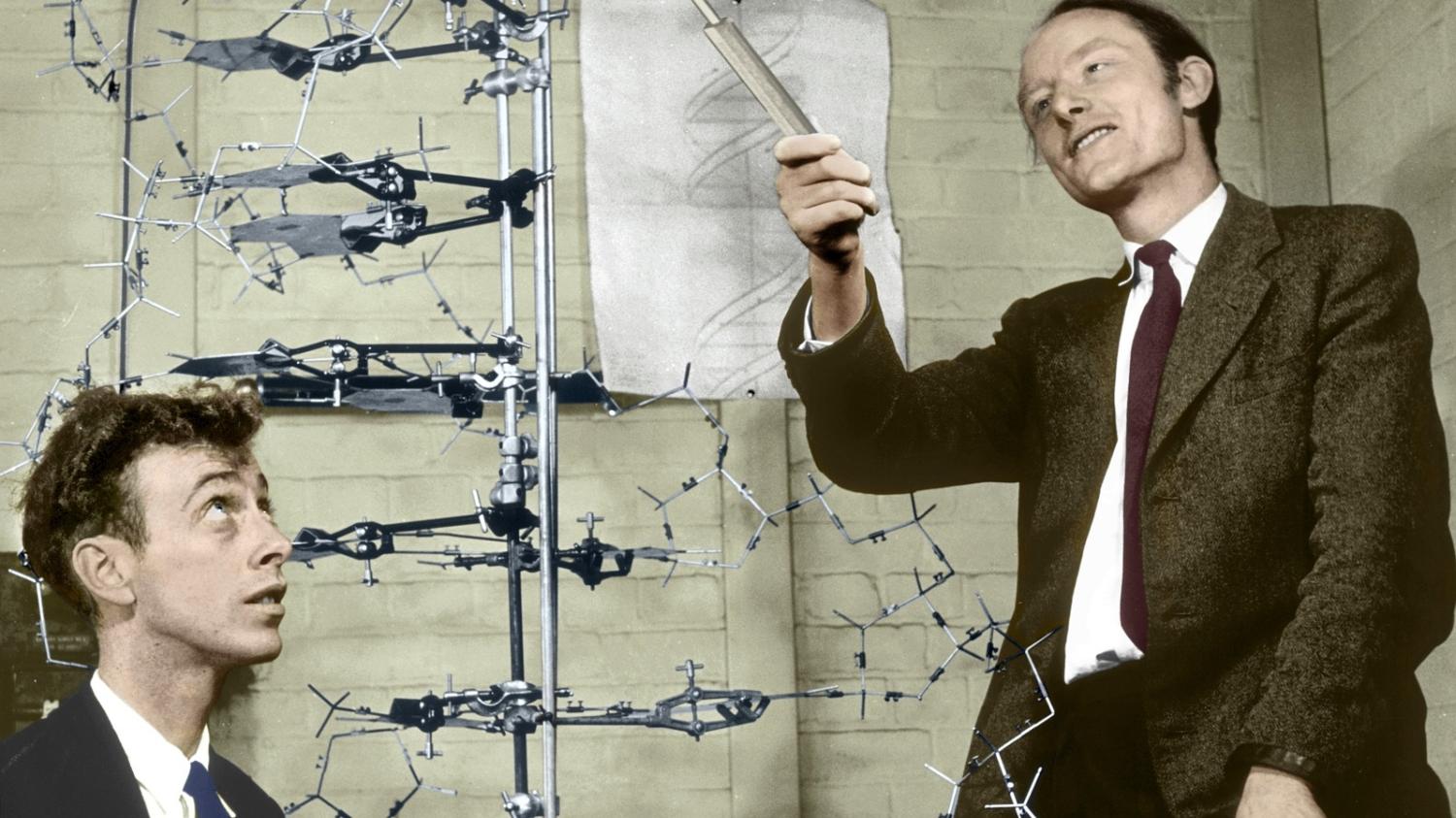
Watson and Crick’s announcement of DNA’s double-helix structure was one of the most significant breakthroughs in scientific history.
What Happened?
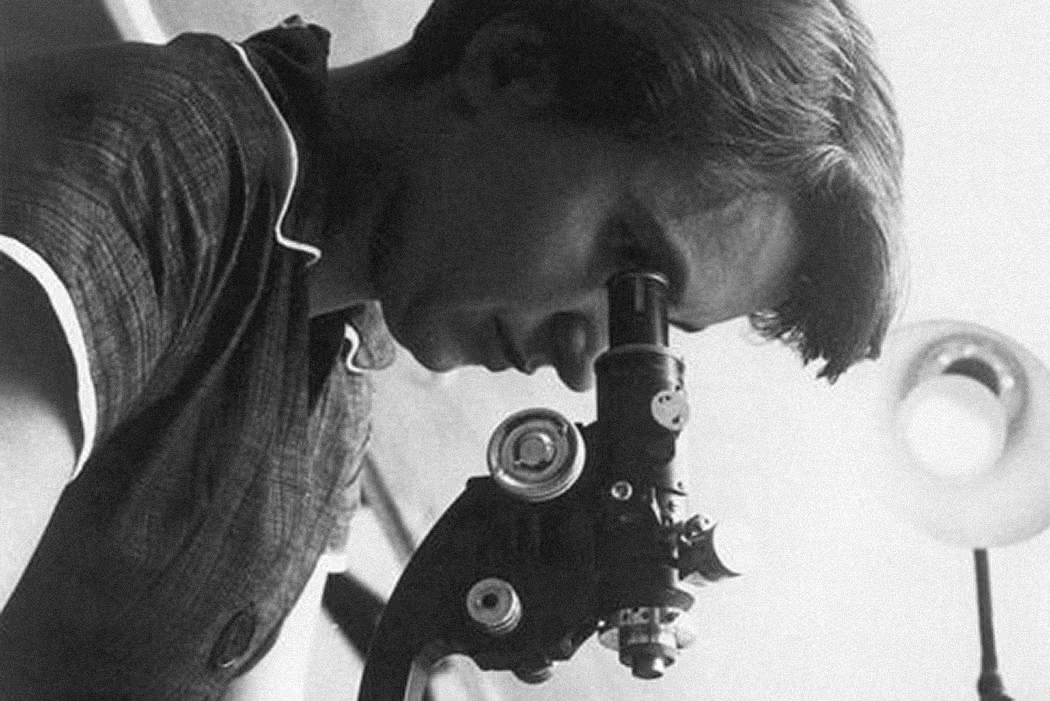
In the early 1950s, scientists raced to decode DNA’s structure, knowing it held the key to understanding genetic inheritance. While multiple teams pursued the answer, Cambridge researchers James Watson and Francis Crick gained an edge when they accessed unpublished X-ray diffraction images captured by Rosalind Franklin at King’s College London—without her permission. These images confirmed that DNA existed in a helical shape, guiding Watson and Crick toward their historic breakthrough.
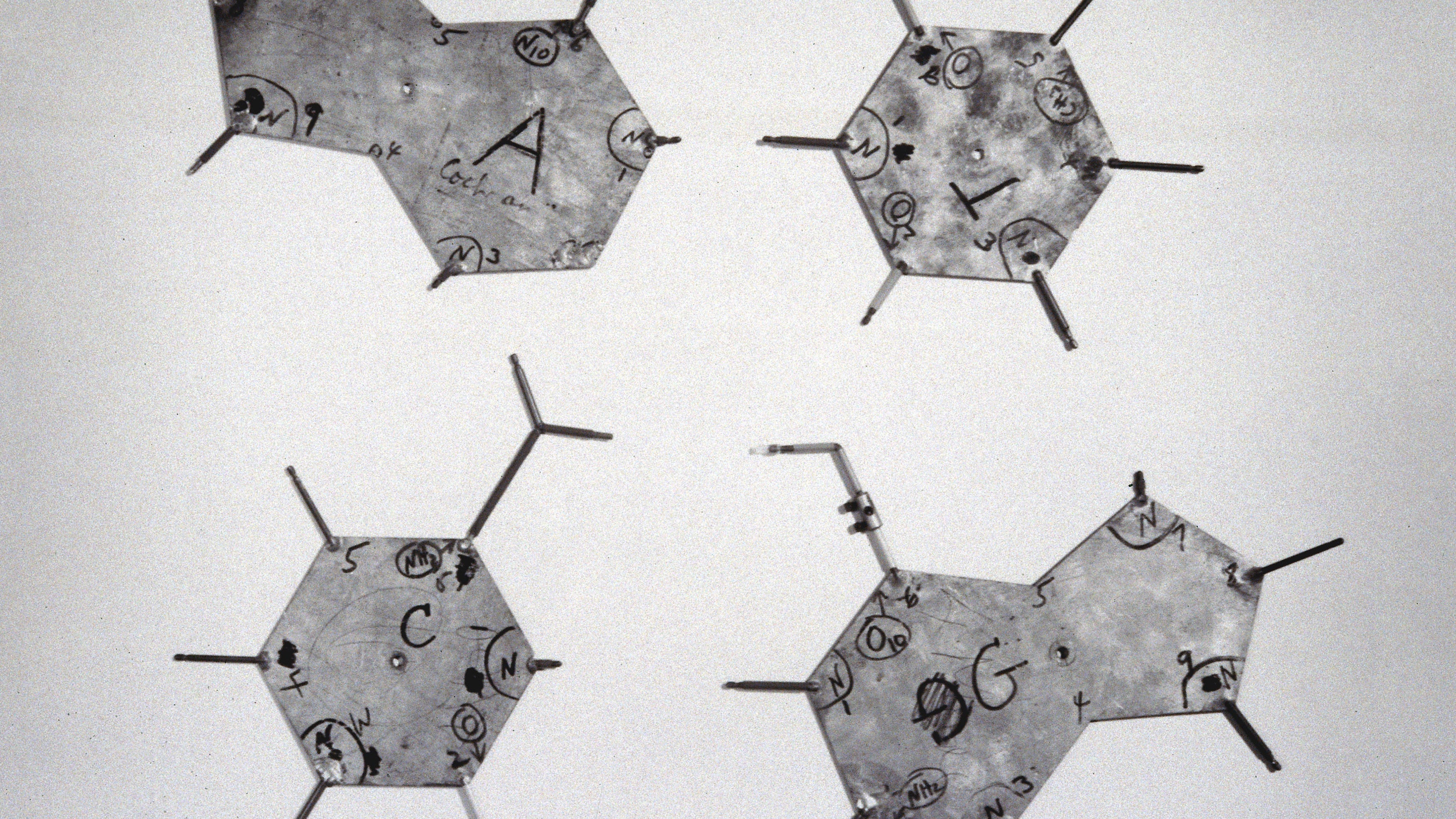
On February 28, 1953, Watson and Crick determined that DNA was a double-helix polymer, with two strands twisting around each other, linked by specific base pairs. According to Watson’s later account, Crick walked into the Eagle Pub that morning and proclaimed, 'We have found the secret of life!'
Watson and Crick’s model explained how genetic information was copied and passed from generation to generation, solving a fundamental mystery in biology. Their discovery laid the foundation for genetic engineering, DNA sequencing, and personalized medicine.
Despite her pivotal contributions, Rosalind Franklin was left out of the spotlight. Her colleague Maurice Wilkins, who shared her data with Watson and Crick, was awarded the 1962 Nobel Prize alongside them, while Franklin had died of ovarian cancer in 1958, making her ineligible for the honor. The ethical implications of their use of her work remain a point of debate in the scientific community.
Watson and Crick’s 1953 paper in *Nature* remains one of the most influential scientific articles ever published. Yet their famous closing statement—'We were not aware of the details of the results presented there when we devised our structure'—has since been scrutinized, as they had indeed seen Franklin’s data before finalizing their model.
While Watson and Crick cemented their names in history, Franklin’s legacy has grown in recognition over the years. Modern scholars and scientists acknowledge her as an unsung hero of the double-helix discovery, and her role continues to inspire discussions on scientific ethics and the recognition of women in STEM.
Why It Matters
The discovery of DNA’s structure was more than a scientific milestone—it reshaped medicine, forensics, and biotechnology, impacting everything from genetic testing to disease treatments. But it also serves as a cautionary tale about ethical science. Who gets credit for discovery? How do we ensure fair recognition in competitive research? As we advance in genomics and AI-driven biology, the lessons of Watson, Crick, and Franklin remain crucial in shaping the ethics of modern science.
?
How do you think scientific credit should be shared when multiple researchers contribute to a breakthrough?
What are some examples of discoveries where ethical concerns about recognition and authorship have emerged?
How did the discovery of DNA’s structure change the way we understand genetics and heredity?
What lessons can modern scientists learn from Rosalind Franklin’s overlooked contributions?
Dig Deeper
In 1990, The Human Genome Project proposed to sequence the entire human genome over 15 years with $3 billion of public funds. Then, seven years before its scheduled completion, a private company called Celera announced that they could accomplish the same goal in just three years at a fraction of the cost.
The untold story of Rosalind Franklin’s vital contributions to the discovery of the DNA double helix.
Related
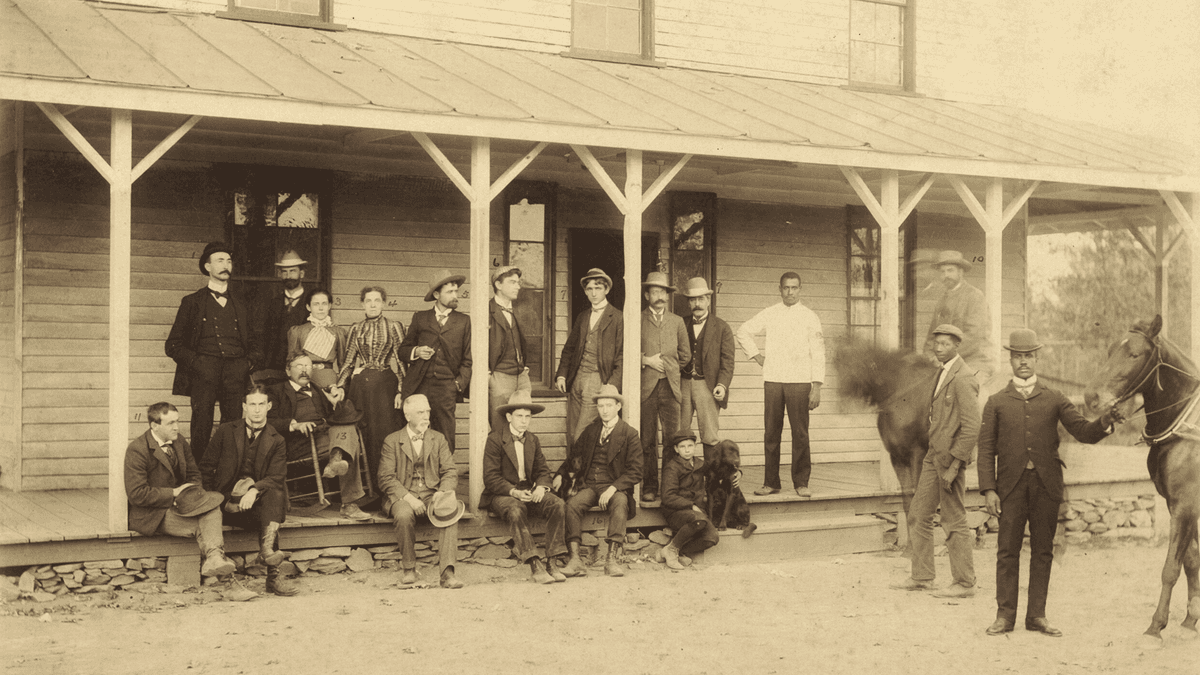
Reed Gold Mine: The First American Gold Rush
The first gold rush in U.S. history began not in California, but in North Carolina—thanks to a doorstop, a 12-year-old boy, and a lucky find in a creek.
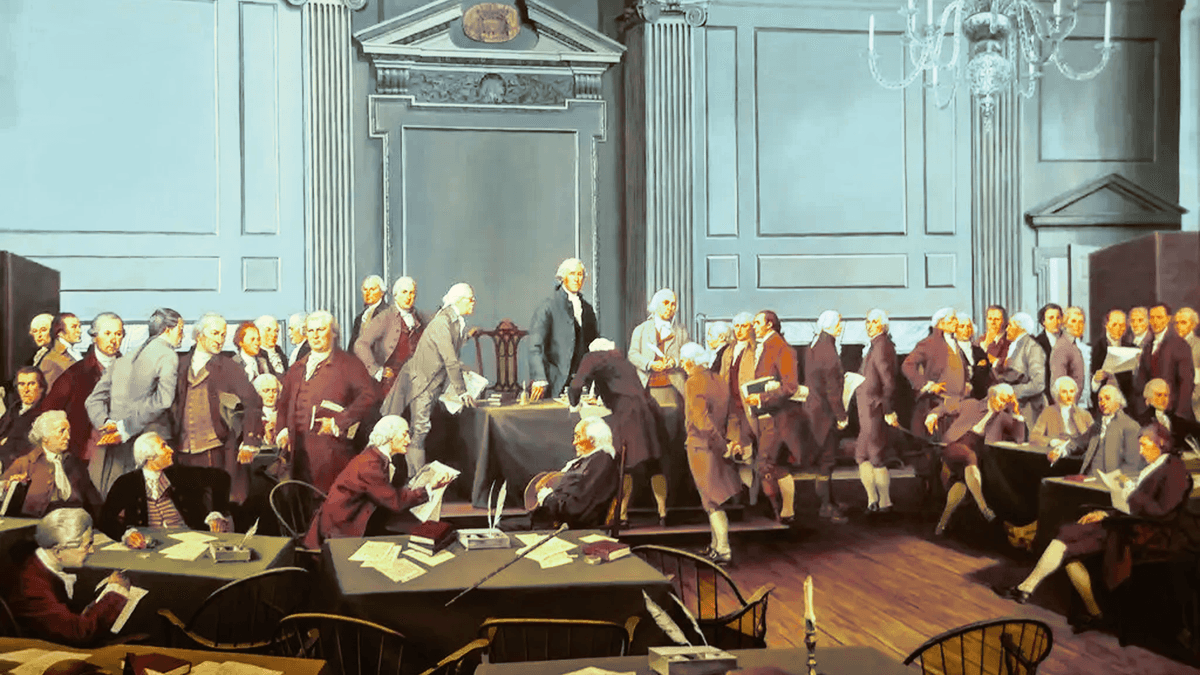
From Articles to the Constitution
The Articles of Confederation got us through a revolution—but not much more. Weak laws, no executive, and constant in-fighting forced the Founders back to the drawing board. What came next? The Constitution.
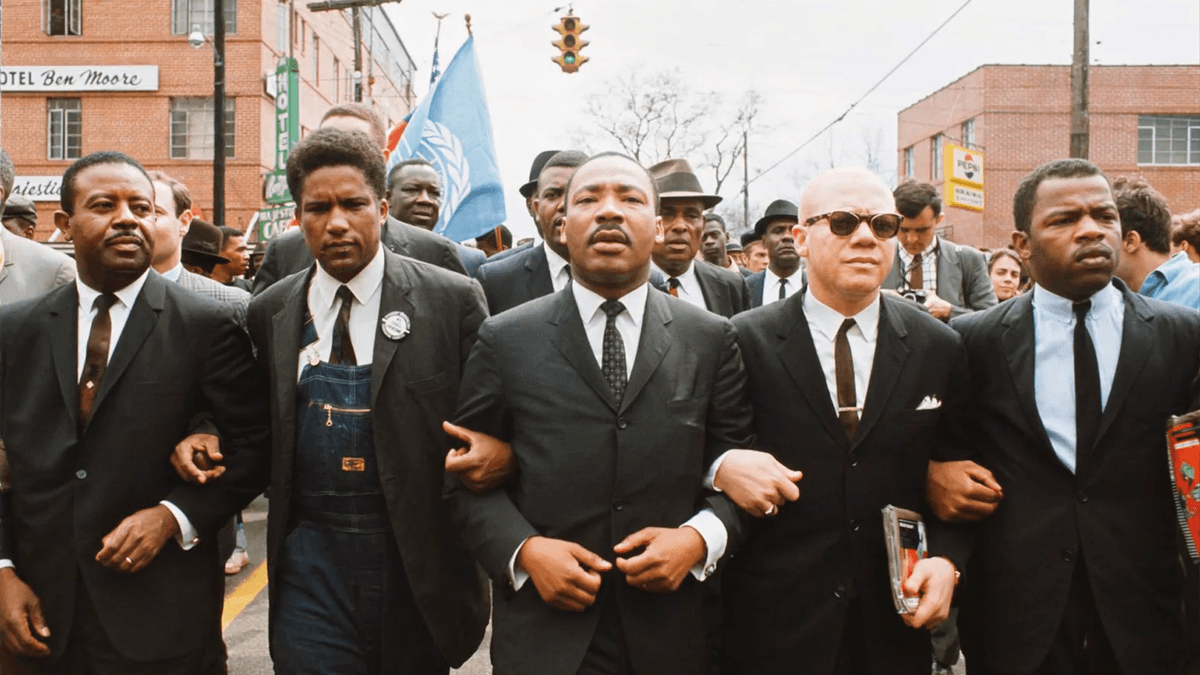
Montgomery Bus Boycott, Greensboro Sit-In, and the Rise of MLK
From Montgomery’s buses to Greensboro’s lunch counters, ordinary citizens ignited extraordinary change — and a new national leader emerged.
Further Reading
Stay curious!