

The Luddite Uprising: When Workers Fought the Machines
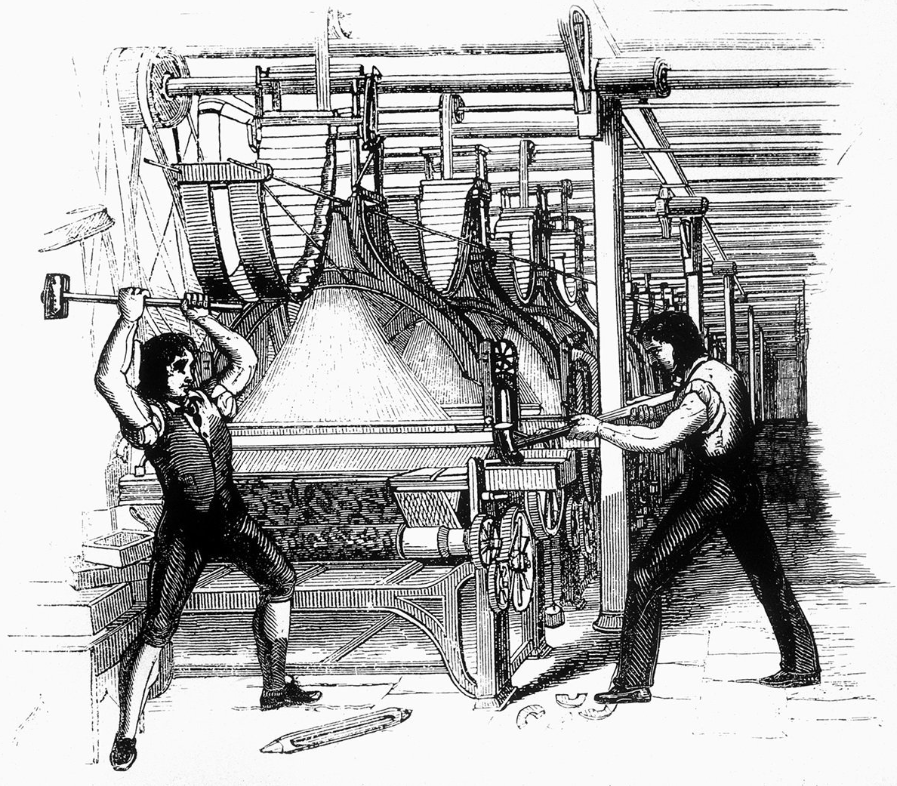
A historical depiction of Luddite textile workers breaking machines in an English factory.
What Happened?
In 1811, textile workers in England found themselves in a harsh new reality. Once highly skilled artisans, they were suddenly replaced by machines that could produce fabric a hundred times faster—and at a fraction of the cost. Years of dedication to their craft meant nothing as factory owners prioritized speed and profit, hiring untrained workers to operate the machines while slashing wages. With no labor laws to protect them and no way to negotiate fair pay, thousands of families were pushed into poverty. Yet, rather than accept their fate, these workers chose to fight back.
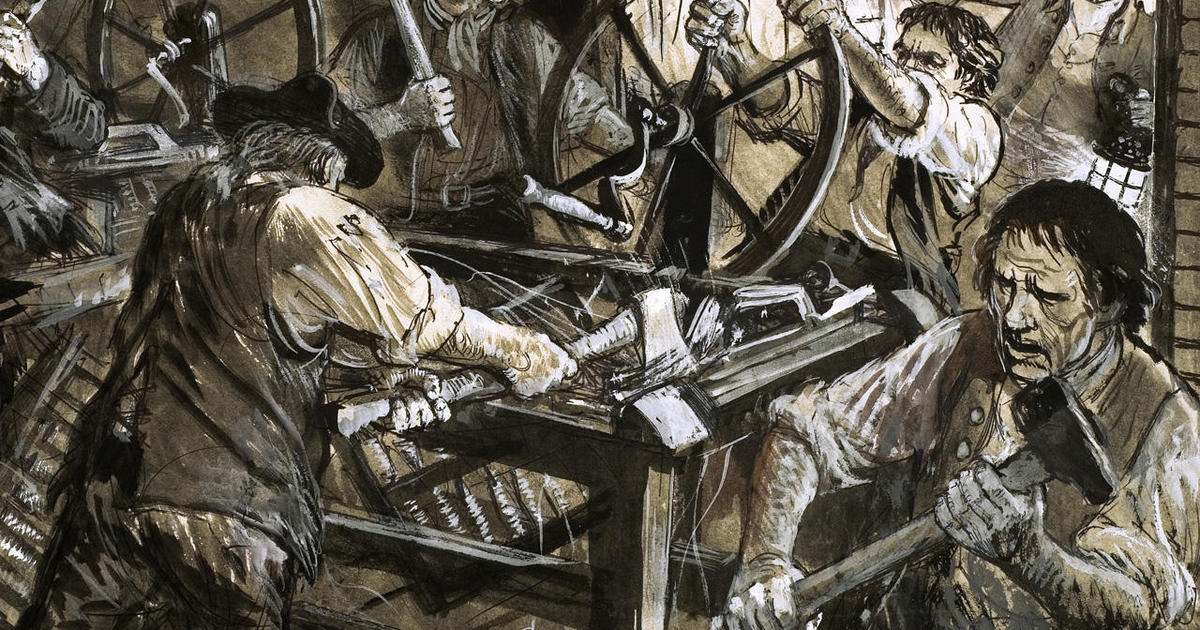
Meet the Luddites, the original ‘rage against the machine’ movement. Claiming to follow a mythical leader named 'General Ned Ludd,' these workers stormed textile mills, destroying machines they saw as symbols of their suffering. They believed that technology should serve people—not the other way around. From Nottingham, the rebellion spread across England. In Yorkshire and Lancashire, workers set factories on fire. In Derbyshire and Leicestershire, they sent letters warning factory owners to treat workers fairly—or else.
But the government wasn’t on their side. Instead of listening to their demands, British leaders labeled the Luddites as criminals and sent 14,000 soldiers—more than were fighting Napoleon at the time—to crush the uprising. Machine-breaking was made a crime punishable by death. By 1813, the movement had been violently suppressed. Dozens of Luddites were executed, and even more were exiled to Australia. The protests had failed, but their message about fairness in the workplace still echoes today.
Are the Luddites heroes or villains? It depends on how you look at it. On one hand, they destroyed property, burned factories, and even killed a mill owner. On the other hand, they were fighting for survival, justice, and fair wages. The Industrial Revolution made life easier for many people—but at a great cost for others. Today, when technology threatens to replace human jobs, we face the same questions the Luddites did: Who benefits from progress? And who gets left behind?
Why It Matters
The Luddites weren’t against technology—they were against losing their livelihoods to machines that only made the rich richer. Their struggle reminds us that progress isn’t always fair. Today, we see similar debates: Are self-checkout machines stealing jobs? Should AI replace teachers and artists? Who should profit when a new invention changes the world? The Luddites remind us that technology should work for people—not the other way around. How can we ensure the future is fair for everyone?
?
Why do you think the Luddites smashed machines instead of trying to build their own factories?
Do you think technology always makes life better? Why or why not?
If you were a worker in 1811, would you have joined the Luddites? Why or why not?
What modern jobs do you think could be replaced by machines? How would that affect workers today?
If General Ned Ludd were alive today, what kind of technology do you think he would fight against?
Dig Deeper
The Luddite movement (1811–1816) was a worker-led uprising in England protesting industrialization's impact on jobs and wages. Skilled textile workers, fearing unemployment due to mechanized looms and knitting frames, targeted factories and destroyed machinery.
Related
Reed Gold Mine: The First American Gold Rush
The first gold rush in U.S. history began not in California, but in North Carolina—thanks to a doorstop, a 12-year-old boy, and a lucky find in a creek.
Magna Carta
On May 12, 1215, a gang of angry English barons forced King John into a corner—and launched a document that would echo across centuries. It wasn’t democracy, but it was a dent in the divine right of kings.

MLK the Disrupter and the Poor People’s Campaign
Dr. Martin Luther King Jr.’s final chapter was about more than civil rights—it was a bold demand for economic justice that challenged the nation’s values at their core.
Further Reading
Stay curious!