

The Stamp Act Repeal: A Win for Colonial Resistance
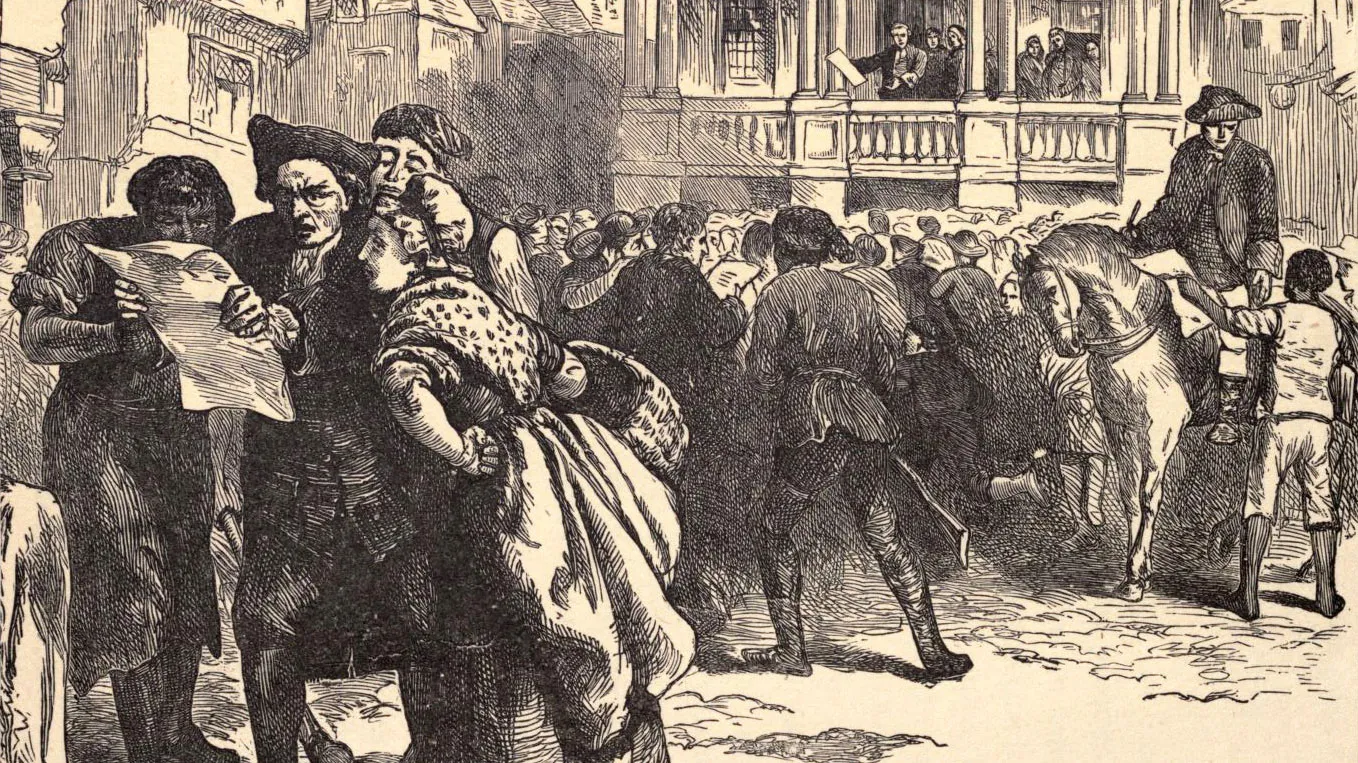
After months of protests and boycotts, the British Parliament repealed the Stamp Act.
What Happened?
Before the Boston Tea Party and the Declaration of Independence, the Stamp Act set the stage for revolution. Passed by the British Parliament in 1765, this law forced American colonists to buy an official British stamp for every newspaper, legal contract, pamphlet, and even decks of playing cards. The goal? To help Britain pay off war debts and fund its troops in North America after the costly Seven Years’ War. But for the colonists, this wasn’t just about money—it was about power. They had no say in Parliament, and they weren’t about to start paying taxes to a government that didn’t represent them.
The response was immediate and fierce. Colonial leaders, including Samuel Adams and Patrick Henry, called for resistance. The Stamp Act Congress met in October 1765, uniting delegates from nine colonies to formally oppose the tax. Boycotts of British goods swept through the colonies, hurting British merchants who relied on American customers. Some protests turned violent—angry mobs ransacked the homes of tax collectors, and effigies of British officials burned in the streets.
With British trade suffering, pressure mounted back in London. Benjamin Franklin, representing the colonies in Britain, delivered a blistering testimony before Parliament, warning that if the Stamp Act continued, rebellion could follow. Realizing they had underestimated the colonists' anger, Parliament repealed the Stamp Act on March 18, 1766. It was a victory for colonial resistance and a sign that Britain wasn’t as untouchable as it seemed.
But the celebration didn’t last long. That same day, Parliament passed the Declaratory Act, asserting its absolute authority over the colonies. In other words: ‘We’ll let this one go, but don’t get any ideas.’ The colonists had won a battle, but the war for independence was still brewing. Over the next decade, tensions would continue to rise, leading to the Boston Massacre, the Tea Party, and ultimately, the American Revolution.
Why It Matters
The Stamp Act repeal wasn’t just about taxes—it was about power, representation, and the right to self-governance. The protests showed that when people organize and take collective action, they can force change—even against the most powerful empire in the world. But the Declaratory Act made it clear that Britain had no intention of loosening its grip on the colonies. The fight for independence was only beginning. Today, this moment serves as a reminder that resistance works, but real change requires staying vigilant.
?
Why do you think Parliament repealed the Stamp Act but passed the Declaratory Act on the same day?
How do boycotts work as a form of protest? Can they still be effective today?
If you were a colonist in 1765, how would you have reacted to the Stamp Act? Would you have joined the protests?
What other events in history show that economic pressure can force governments to change policies?
How did the Stamp Act protests help unite the American colonies? Why is unity important in a movement?
Dig Deeper
In 1765, Americans reacted with fury to the Stamp Act, a new attempt by the British government to tax the colonists. Benjamin Franklin was in London at the time, but because he had close ties to the imperial administration, rioters threatened violence against his Philadelphia home. But Deborah Franklin, armed with her brother’s firearm, refused to leave.
Related
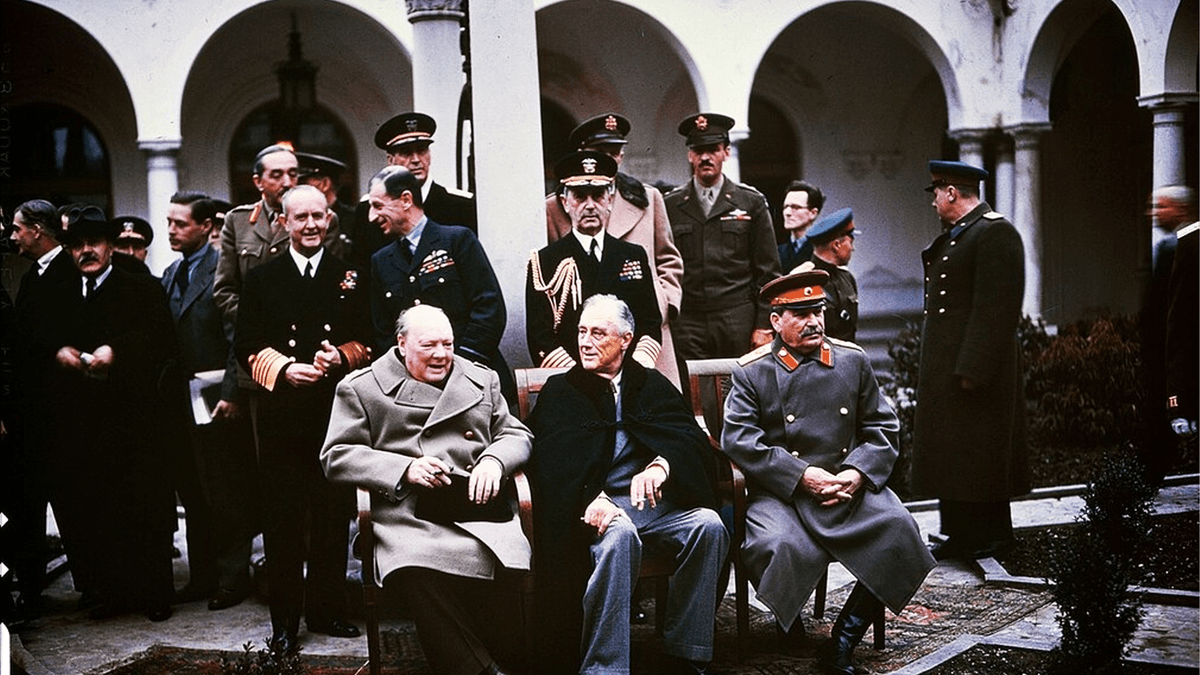
The Cold War & Fear at Home: Ideology, Power, and Public Anxiety
A global rivalry shaped by fear, ideology, and the constant tension between freedom and security.
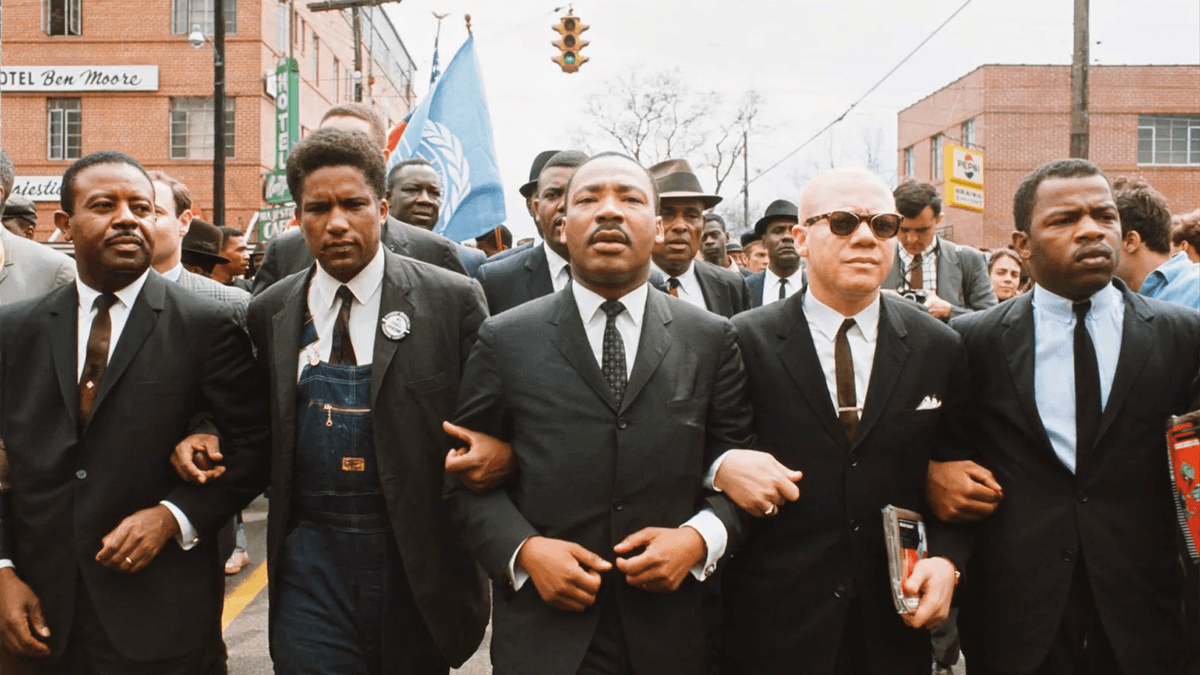
Montgomery Bus Boycott, Greensboro Sit-In, and the Rise of MLK
From Montgomery’s buses to Greensboro’s lunch counters, ordinary citizens ignited extraordinary change — and a new national leader emerged.
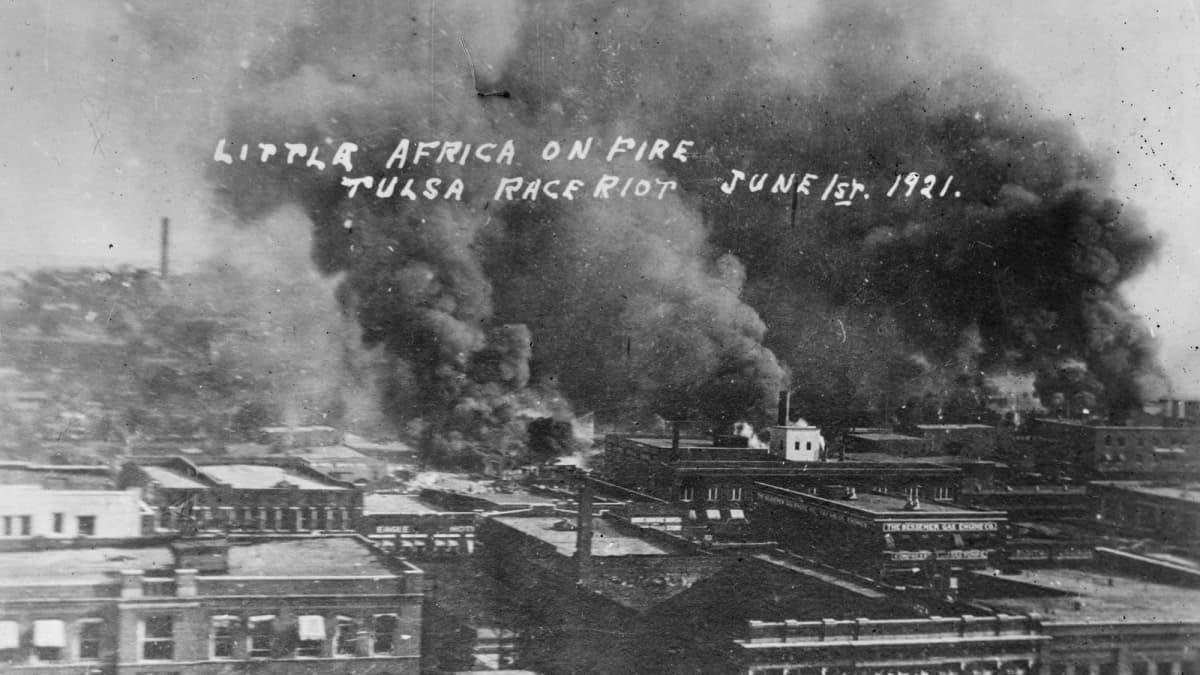
The Tulsa Race Massacre: Black Wall Street Burned
Greenwood was known as Black Wall Street—until a white mob burned it to the ground. The Tulsa Race Massacre wasn’t a riot. It was a coordinated attack. And it was nearly erased from history.
Further Reading

Stay curious!