

The Iraq War Begins: ‘Shock and Awe’ Over Baghdad
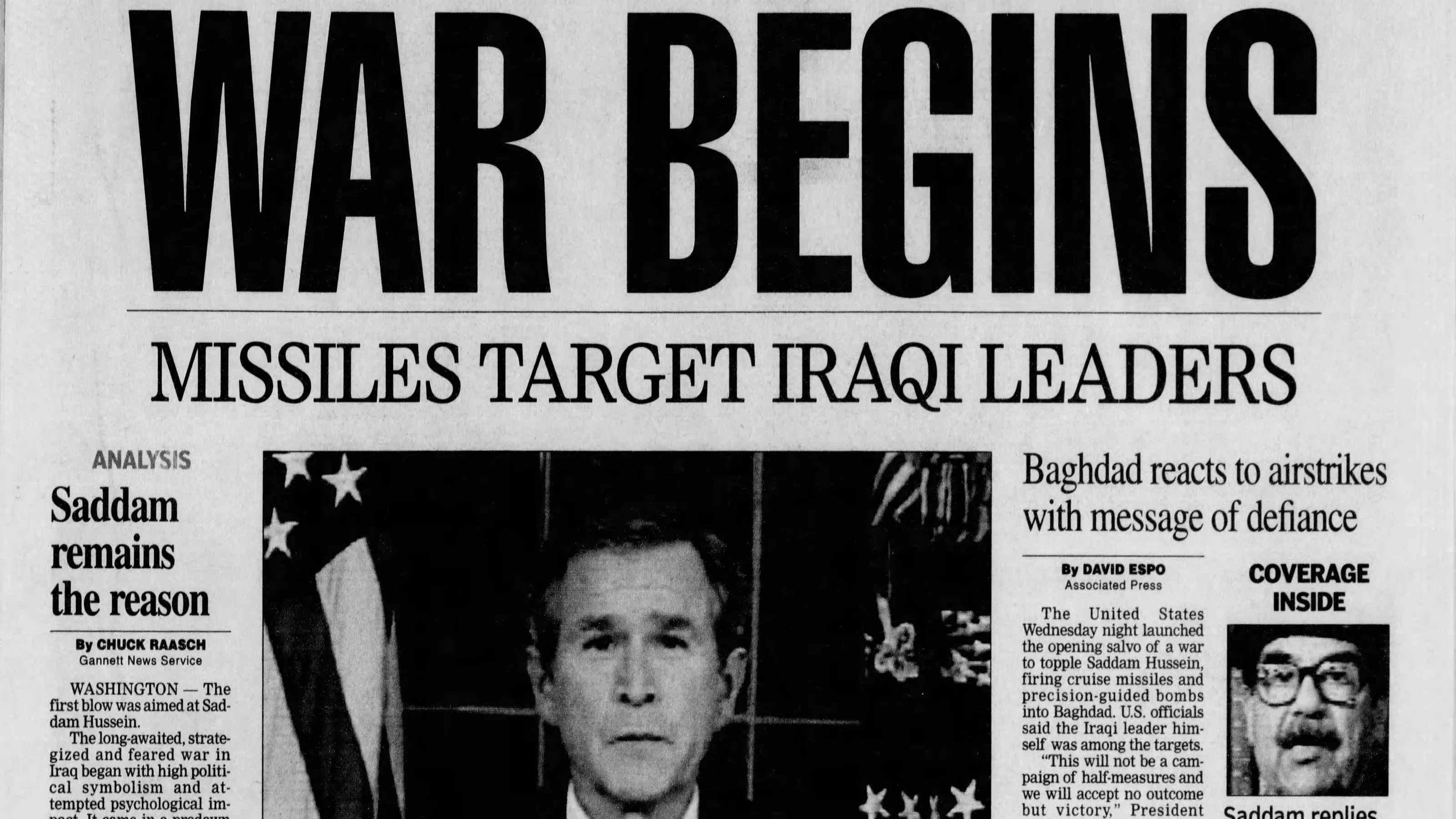
Explosions over Baghdad as the U.S. military begins its ‘shock and awe’ campaign.
What Happened?
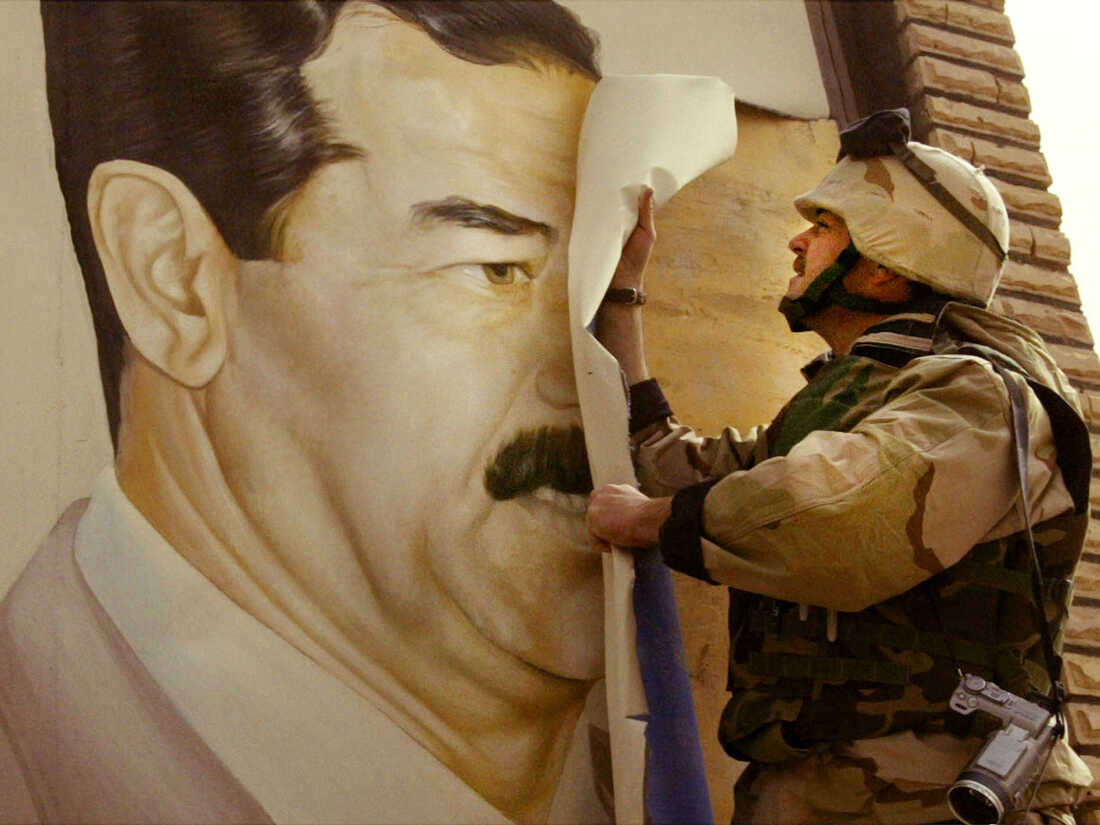
On March 19, 2003, the world watched as American and British forces launched a massive airstrike over Baghdad, marking the official start of the Iraq War. U.S. President George W. Bush framed the invasion as a mission to disarm Iraq, liberate its people, and protect global security from the threat of Saddam Hussein’s alleged weapons of mass destruction (WMDs). However, intelligence used to justify the war was later discredited, and no WMDs were ever found.
The invasion unfolded rapidly. Within weeks, U.S. forces had taken control of Baghdad, and on May 1, 2003, Bush stood on an aircraft carrier beneath a ‘Mission Accomplished’ banner, declaring major combat operations over. But the war was far from finished. What followed was years of brutal insurgency, sectarian violence, and political instability that left Iraq fractured and destabilized.
Despite Hussein’s capture in December 2003 and his execution in 2006, the U.S. presence in Iraq continued for nearly a decade. By the time the war officially ended in December 2011, more than 4,000 U.S. soldiers and at least 200,000 Iraqi civilians had lost their lives. The conflict also fueled anti-American sentiment, further destabilized the Middle East, and contributed to the rise of extremist groups like ISIS.
The war remains a defining moment in modern geopolitics, sparking debate over U.S. foreign policy, military intervention, and the long-term costs of war. Two decades later, historians and policymakers still grapple with its legacy and unanswered questions: Was it a necessary action to remove a dictator, or one of the greatest foreign policy miscalculations in history?
Why It Matters
The Iraq War was one of the most controversial conflicts of the 21st century. It shaped U.S. foreign policy, fueled distrust in government intelligence, and left Iraq in turmoil. The war was justified by claims that Saddam Hussein had weapons of mass destruction, but no such weapons were found. The human and financial costs of the war—trillions of dollars and hundreds of thousands of lives lost—serve as a cautionary tale about military intervention and the consequences of war based on flawed intelligence. Today, the Iraq War’s legacy continues to impact global politics, from the rise of extremist groups to debates over America’s role in the world.
?
Dig Deeper
There is war in Iraq? Again? And the US and Iran are talking about working together? And who is this ISIS Terrorist group that is all over the news? And Religion? Oh dear... When exactly has the world gone mad again?
From Saddam's use of chemical and biological weapons during the Iran-Iraq War to the First Gulf War in 1991 and from the 9/11 terror attacks to UN weapons inspections the Iraq War has a long and complicated history that goes far beyond oil and weapons of mass destruction.
Related
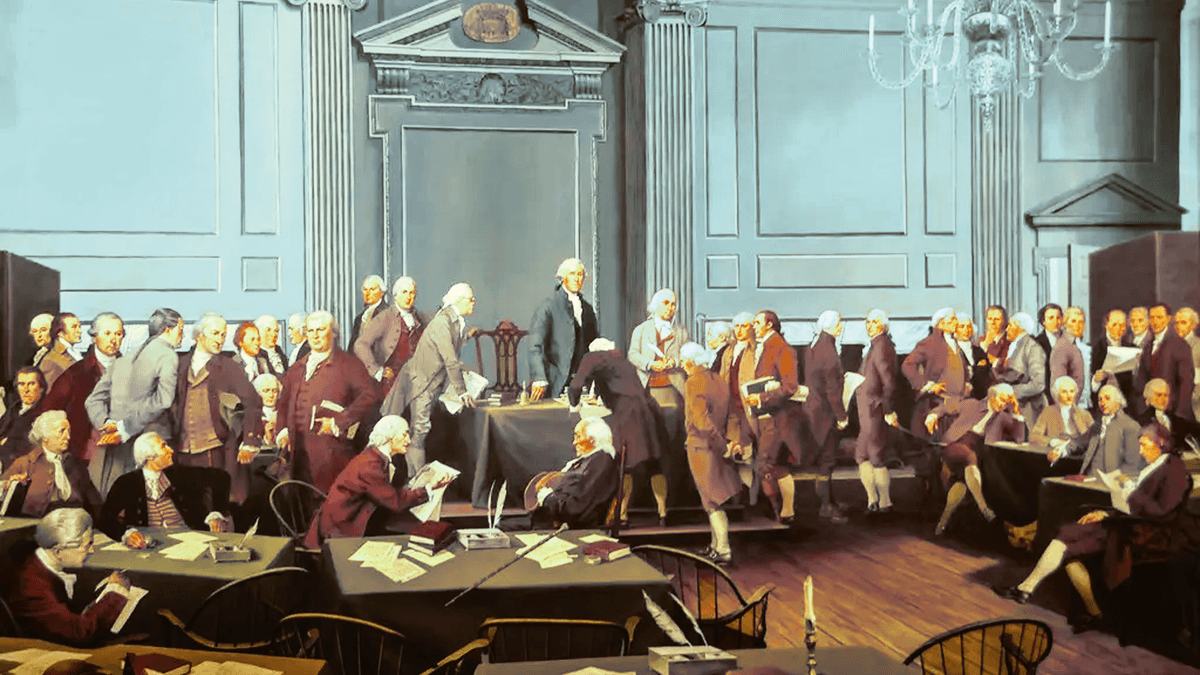
From Articles to the Constitution
The Articles of Confederation got us through a revolution—but not much more. Weak laws, no executive, and constant in-fighting forced the Founders back to the drawing board. What came next? The Constitution.
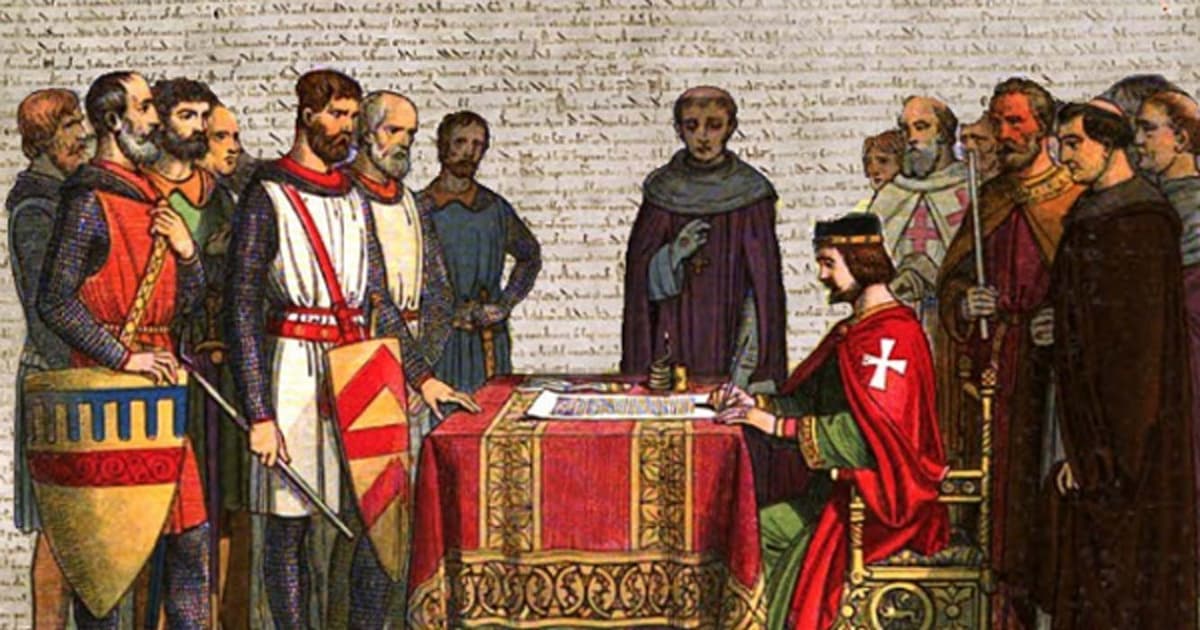
Magna Carta
On May 12, 1215, a gang of angry English barons forced King John into a corner—and launched a document that would echo across centuries. It wasn’t democracy, but it was a dent in the divine right of kings.
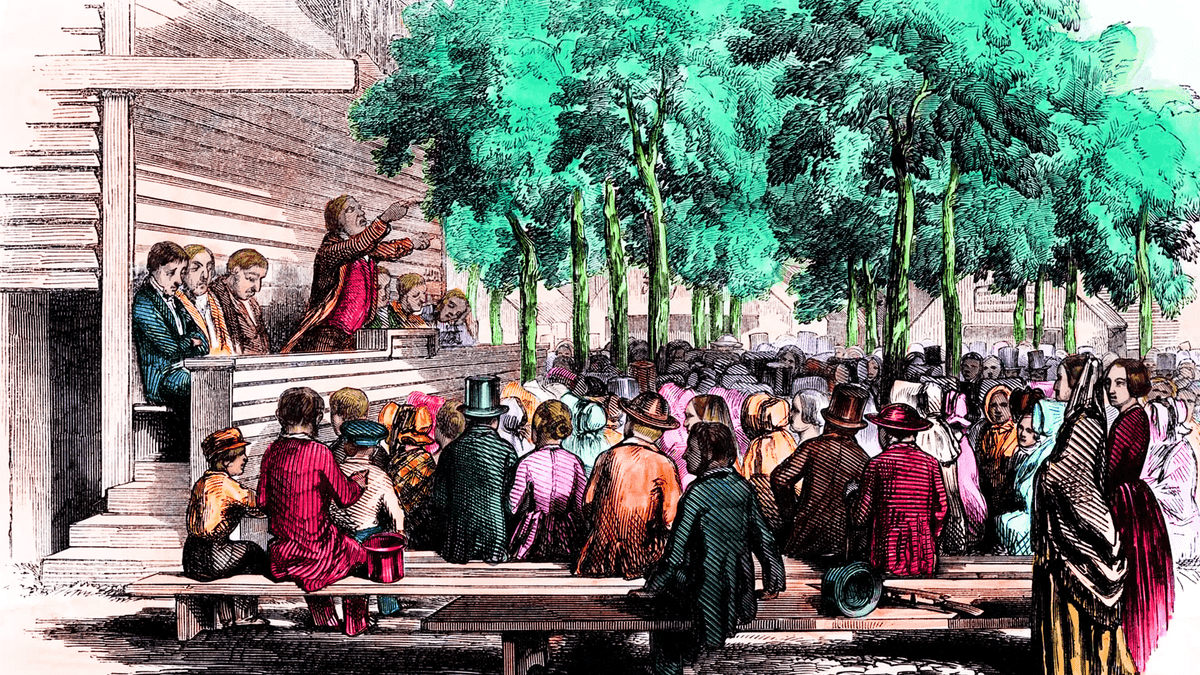
The First Great Awakening: Faith, Fire, and a New American Identity
Long before the Revolution, a different kind of rebellion was stirring, one in the soul. The First Great Awakening reshaped American religion and helped plant the seeds of self-government and democratic identity.
Further Reading
Stay curious!