

The Triangle Shirtwaist Fire Ignites a Movement for Workers’ Rights
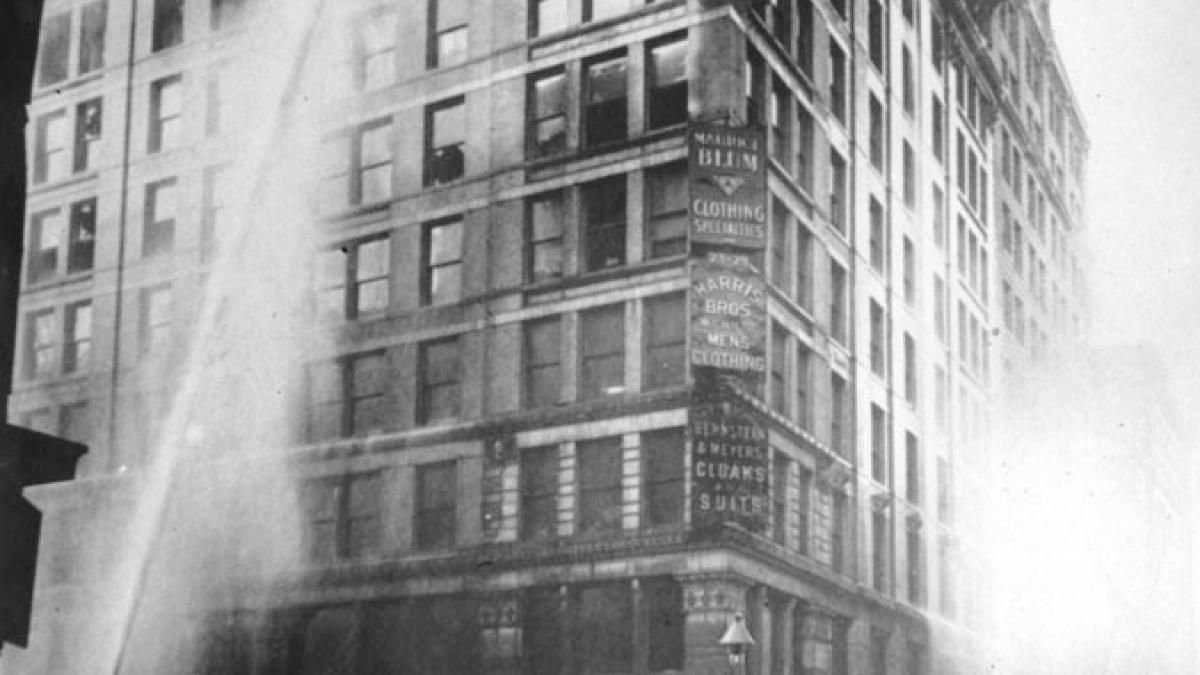
A firetruck ladder reaches helplessly short of the burning Triangle Shirtwaist Factory, as smoke billows and people watch in horror.
What Happened?
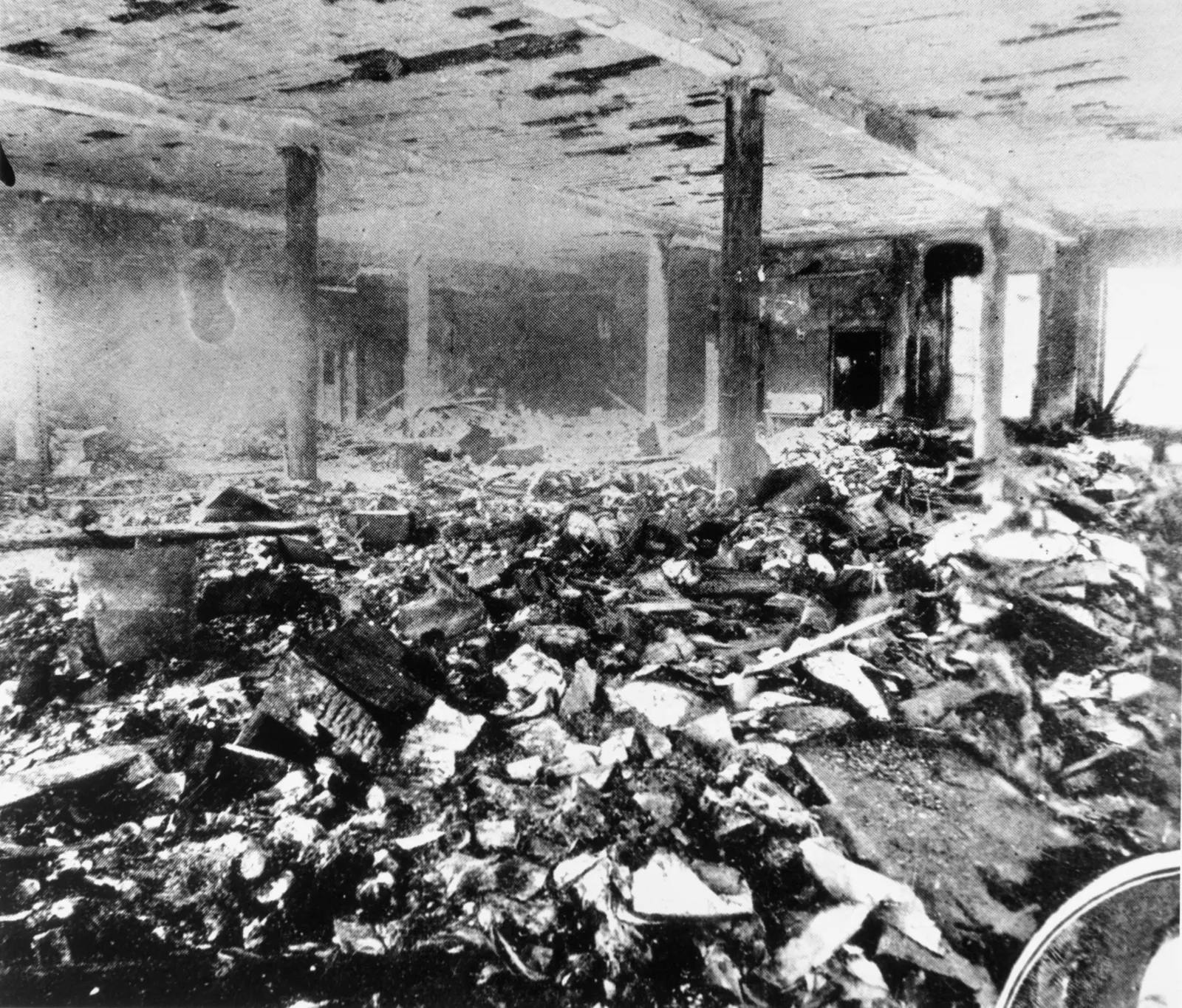
The Triangle Shirtwaist Factory was a high-rise death trap long before the fire. Cramped, unsanitary, and dangerous, it employed mostly young immigrant women working 12-hour days for poverty wages. Management regularly locked the exits to prevent breaks and theft. On March 25, 1911, those choices proved fatal.
When flames erupted on the eighth floor, panic spread faster than the fire. Hoses were rotted, fire escapes collapsed, and the elevators failed after just four trips. Firefighters’ ladders could only reach the sixth floor. Desperate women leapt from windows to escape the flames. In under half an hour, 146 people were dead.
The factory’s owners, Max Blanck and Isaac Harris, escaped unharmed. Despite past fires and refused safety upgrades, they faced no serious consequences. But the public outcry was massive. A funeral march drew over 350,000 mourners. Activists, including future Labor Secretary Frances Perkins, vowed never again.
The fire helped spark sweeping reforms. Investigators inspected factories, workers testified, and more than 30 laws were passed—including fire codes, sanitation regulations, and labor protections for women and children. Clara Lemlich and the shirtwaist strikers, whose protests preceded the fire, were vindicated. Their voices—and their fallen sisters—changed the course of labor history.
Why It Matters
The Triangle Shirtwaist Fire wasn’t just a tragedy—it was a turning point. It exposed the brutality of unregulated capitalism and the cost of ignoring workers’ voices. Out of the ashes rose new protections, a strengthened labor movement, and a broader understanding that human lives must matter more than profit. It is a lesson we’re still learning today.
?
Why were the factory doors locked, and what does that reveal about labor practices at the time?
How did the fire influence future workplace safety laws in the U.S.?
Who was Clara Lemlich, and how did her activism help lay the groundwork for change?
In what ways did the Triangle fire mobilize both working-class women and wealthy suffragists?
How can we honor the legacy of the workers who died in the Triangle fire today?
Dig Deeper
The Triangle Shirtwaist Fire, American History: A throwaway cigarette landed on a pile of cloth. 146 workers died from the resulting fire. But this tragedy motivated citizens and politicians to take a stand for workers' rights, creating a far safer world that we still live in over a century later.
Related
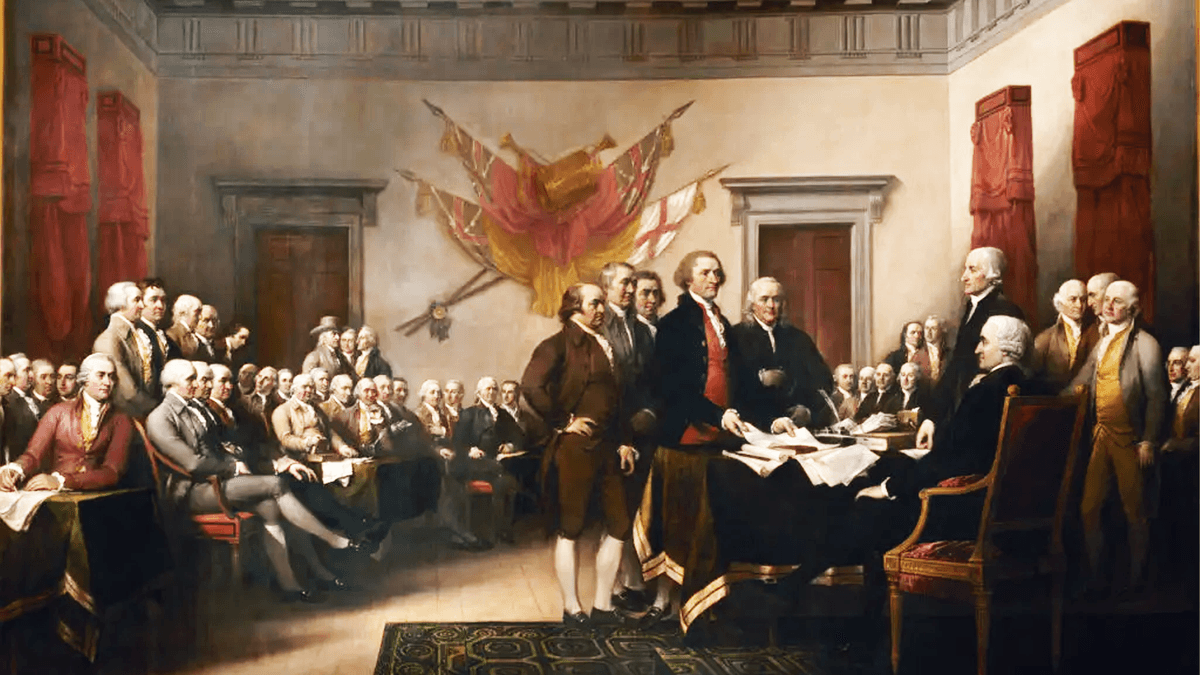
The Declaration of Independence: Ideas, Action, and Aftermath
When the colonies declared independence, they didn’t just start a war—they launched an idea that would echo across centuries. But did America live up to it?
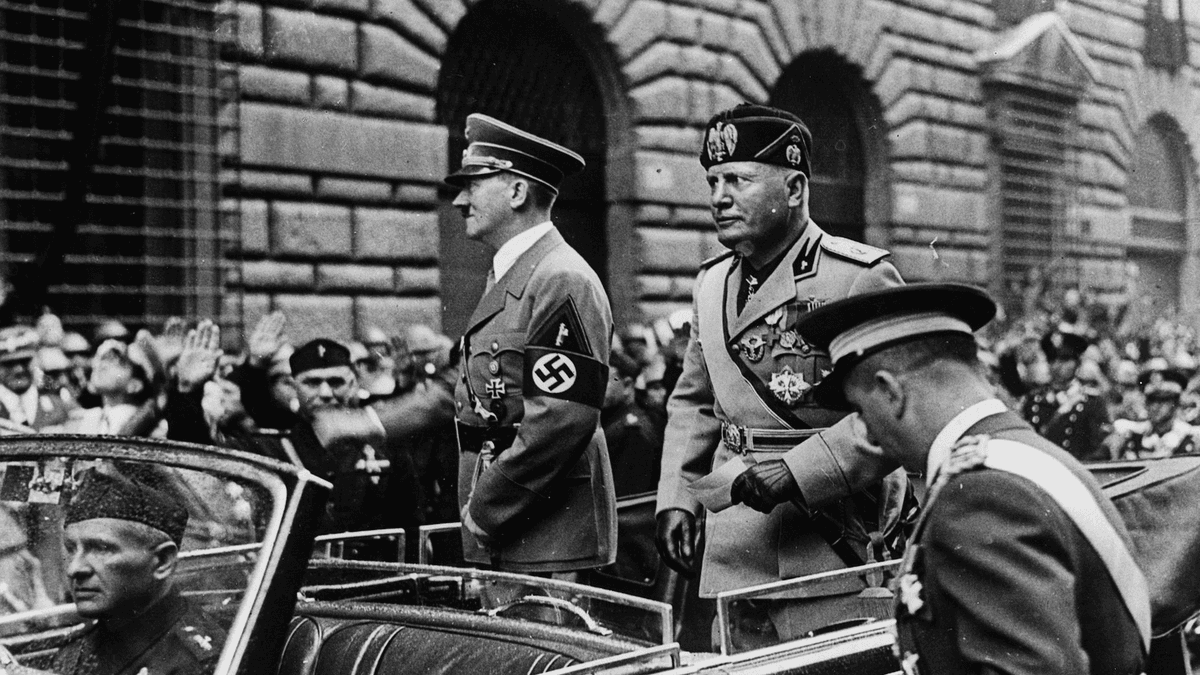
Fascism: Power, Propaganda, and the Fall of Democracy
Fascism emerged from the ruins of World War I and found its foothold in fear, nationalism, and economic despair. It promised unity, but delivered control, conformity, and catastrophe.
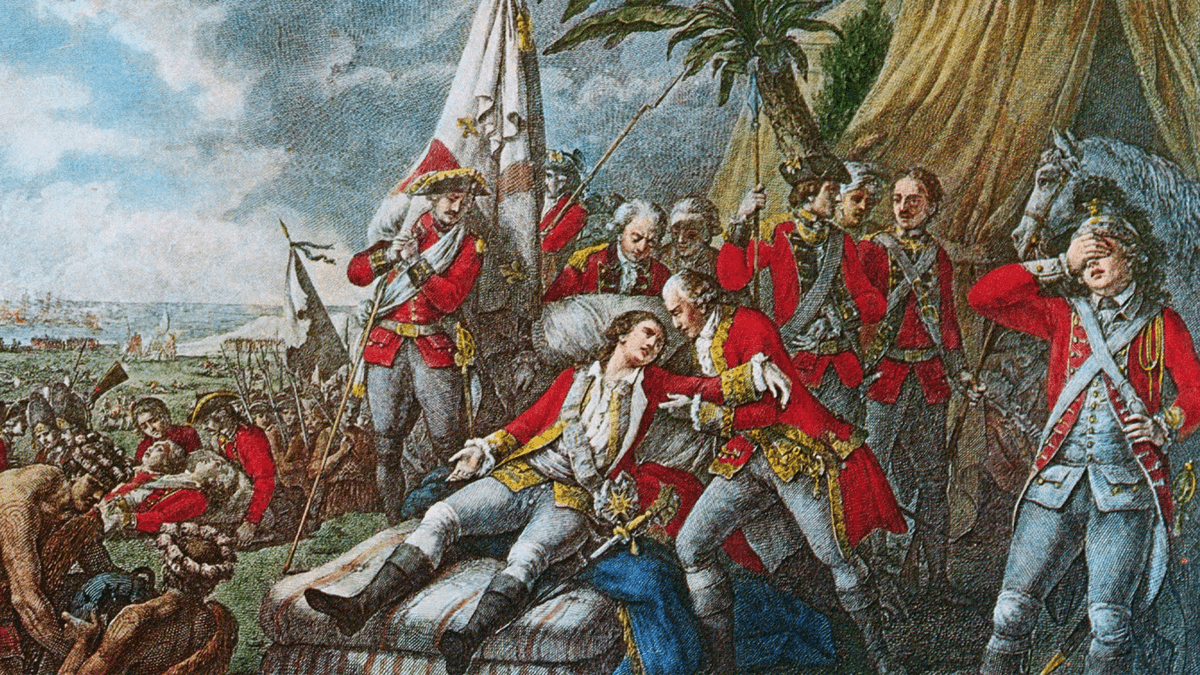
The French and Indian War: The Battle for North America
Before the American Revolution, another great war reshaped North America—the French and Indian War. It began as a fight over land and power, but ended up changing the map of the world and planting the seeds of independence.
Further Reading
Stay curious!