

Thomas Jefferson Joins the Continental Congress: A Voice for Revolution Arrives
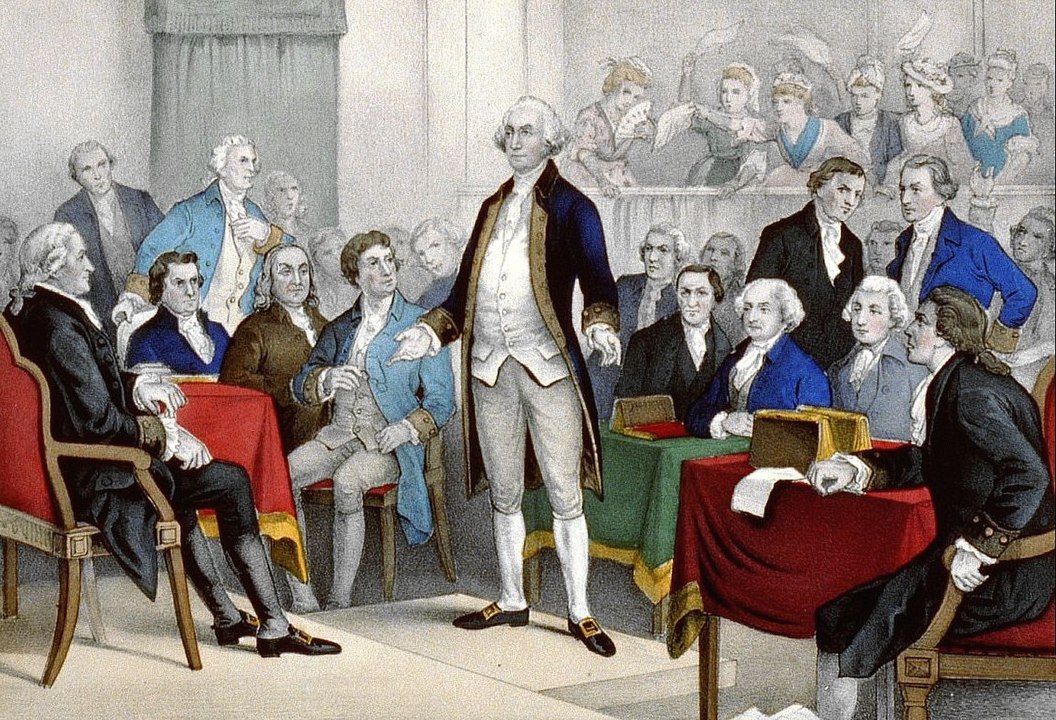
Thomas Jefferson entered the Second Continental Congress with powerful ideas—and a pen that would help shape the course of history.
What Happened?
When Thomas Jefferson arrived at the Continental Congress in 1775, he wasn’t yet a household name—but he quickly made an impression. Just months earlier, he had written 'A Summary View of the Rights of British America,' an unapologetic defense of colonial liberties that caught the attention of his fellow delegates. Jefferson's writing didn’t beg for favors. It demanded justice.
Over the next year, Jefferson continued to make waves. He drafted notes for a constitution for Virginia and emerged as a leading intellectual voice in the struggle against British rule. Then, in June 1776, when Congress created a committee to draft a formal Declaration of Independence, Jefferson was chosen to write it. At just 33 years old, he delivered a radical document declaring the colonies' right to self-government and grounding that right in the universal principles of liberty and equality.
Jefferson’s draft, later revised and adopted on July 4, 1776, became the Declaration of Independence—the foundational statement of American democracy. But his legacy didn’t end there. He went on to serve as Virginia’s governor, U.S. minister to France, secretary of state, vice president, and ultimately, the third president of the United States.
Jefferson believed deeply in the power of reason, education, and representative government. Though his own legacy is complex—he was both a champion of liberty and an enslaver of people—his words have inspired generations of people seeking freedom, from 1776 to today.
He died exactly 50 years after the signing of the Declaration he penned—on July 4, 1826—the same day as his old friend and political rival John Adams.
Why It Matters
Jefferson’s arrival in the Continental Congress marked the beginning of one of the most influential political careers in American history. His words helped ignite a revolution and still challenge us to live up to the ideals of freedom and equality. The pen, in Jefferson’s hand, was truly mightier than the sword.
?
Why was Jefferson chosen to draft the Declaration of Independence, and how did his earlier writings influence it?
What does 'A Summary View of the Rights of British America' tell us about Jefferson's political beliefs?
How has the Declaration of Independence influenced other movements for freedom and democracy around the world?
What contradictions exist in Jefferson’s legacy, and how should we reckon with them today?
Why is July 4, 1826—Jefferson’s death date—such a symbolic moment in U.S. history?
Dig Deeper
Jefferson is a somewhat controversial figure in American history, largely because he, like pretty much all humans, was a big bundle of contradictions. Jefferson was a slave-owner who couldn't decide if he liked slavery. He advocated for small government but expanded federal power more than either of his presidential predecessor. He also idealized the independent farmer and demonized manufacturing, but put policies in place that would expand industrial production in the US.
Thomas Jefferson, founding father of the United States and primary author of the Declaration of Independence, was part of America’s fight for freedom and equality. But in his personal life, he held over 600 people in slavery. Are his enlightened principles outweighed by his participation in a greater injustice? Frank Cogliano puts this controversial figure on trial in History vs. Thomas Jefferson.
Related
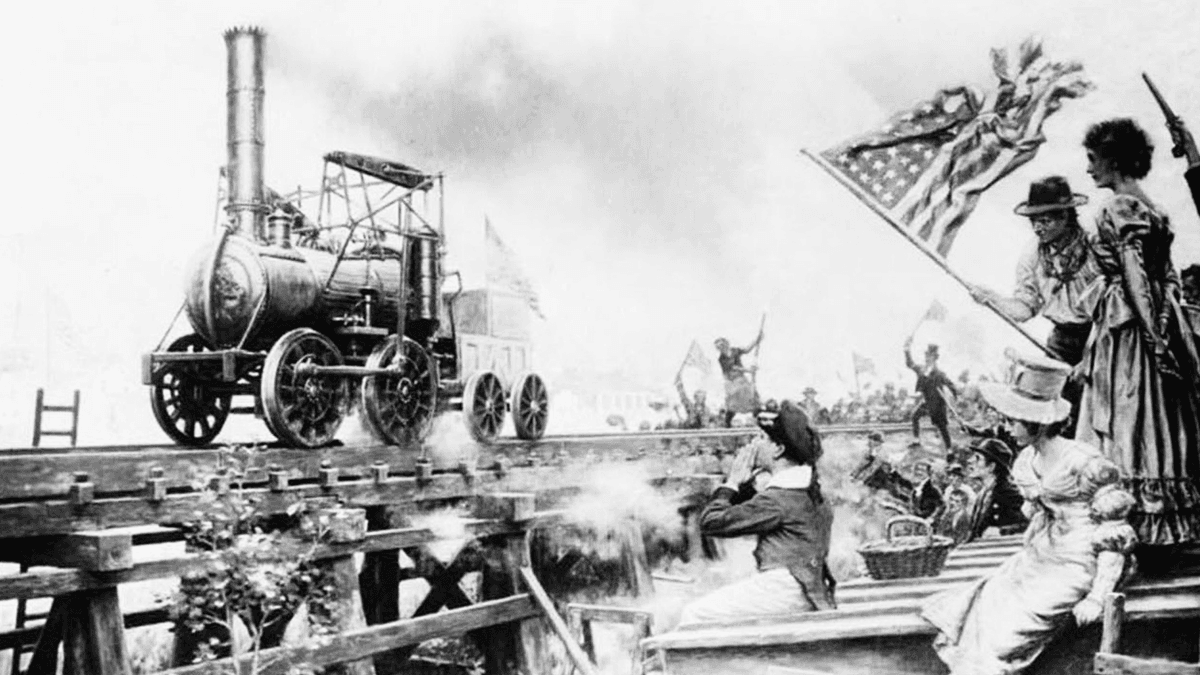
The Market Revolution: How Innovation Transformed America
In the early 1800s, America changed from a land of small farms to a booming nation of factories, railroads, and markets. The Market Revolution connected people, goods, and ideas—while also revealing deep inequalities in who benefited from progress.
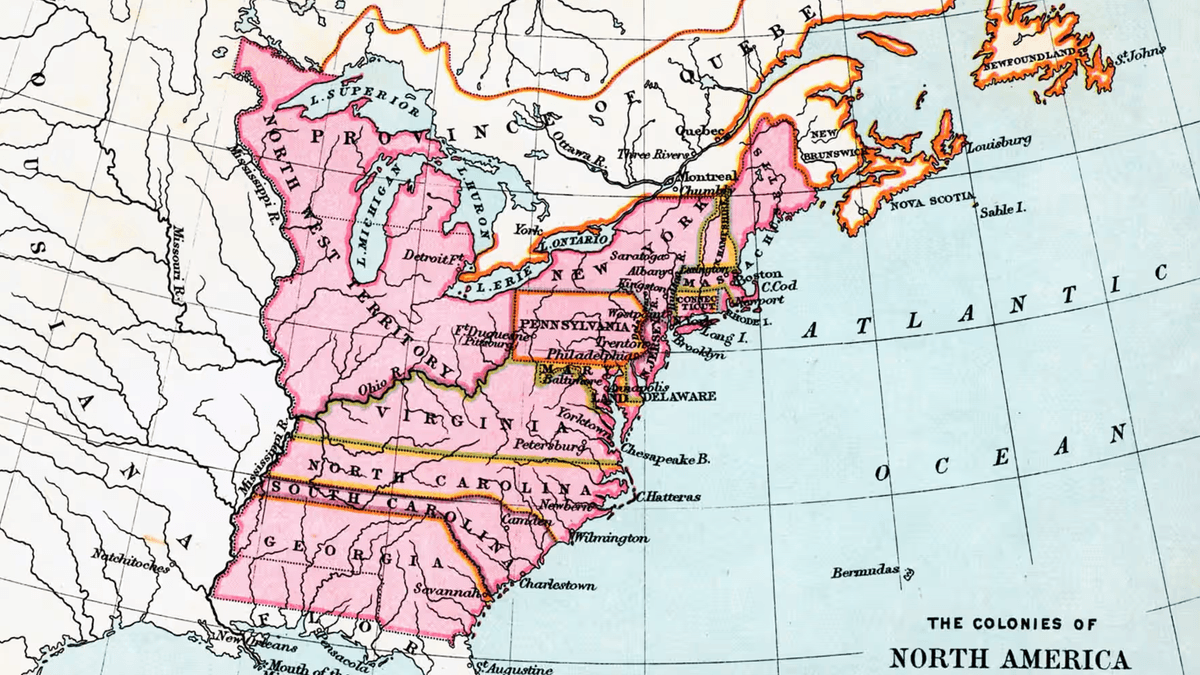
The 13 Colonies: Seeds of a New Nation
How did thirteen scattered colonies along the Atlantic coast grow into the foundation of a new nation?
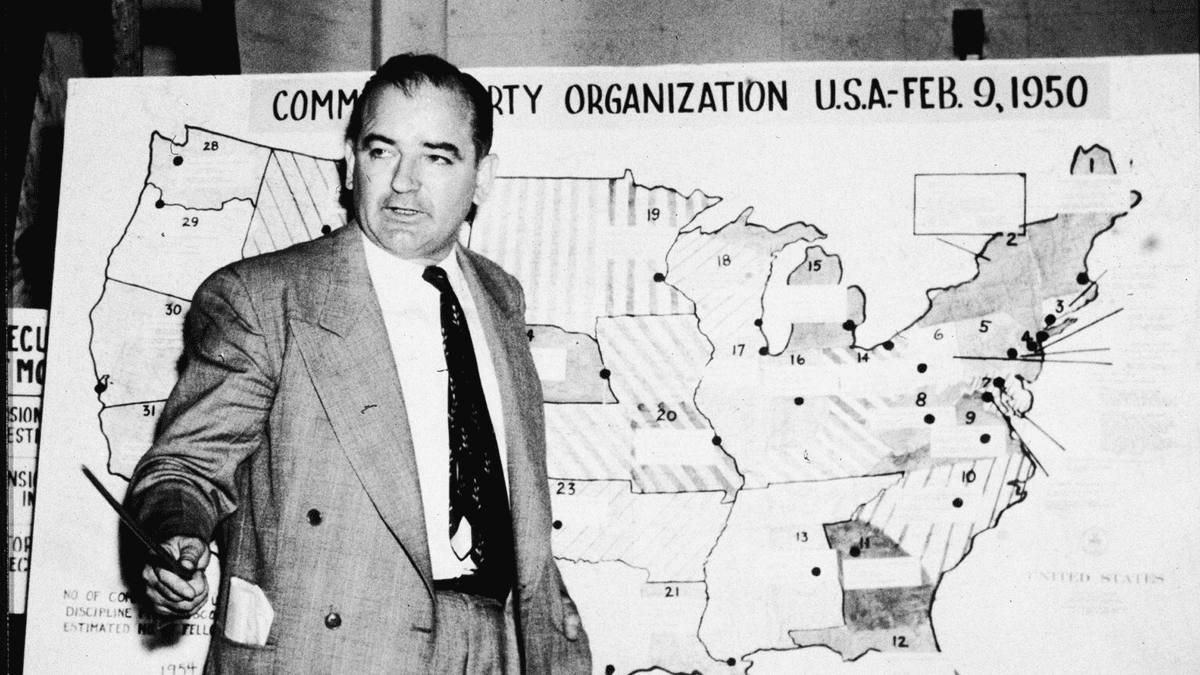
McCarthyism: Fear, Power, and the Red Scare
In the 1950s, fear of communism gripped America. Senator Joseph McCarthy fueled this fear by accusing hundreds of people of being communist traitors—often without proof. The result was a national panic that tested the meaning of truth, justice, and freedom.
Further Reading
Stay curious!