

Congress Censures President Jackson: A Clash Over Power and Paperwork
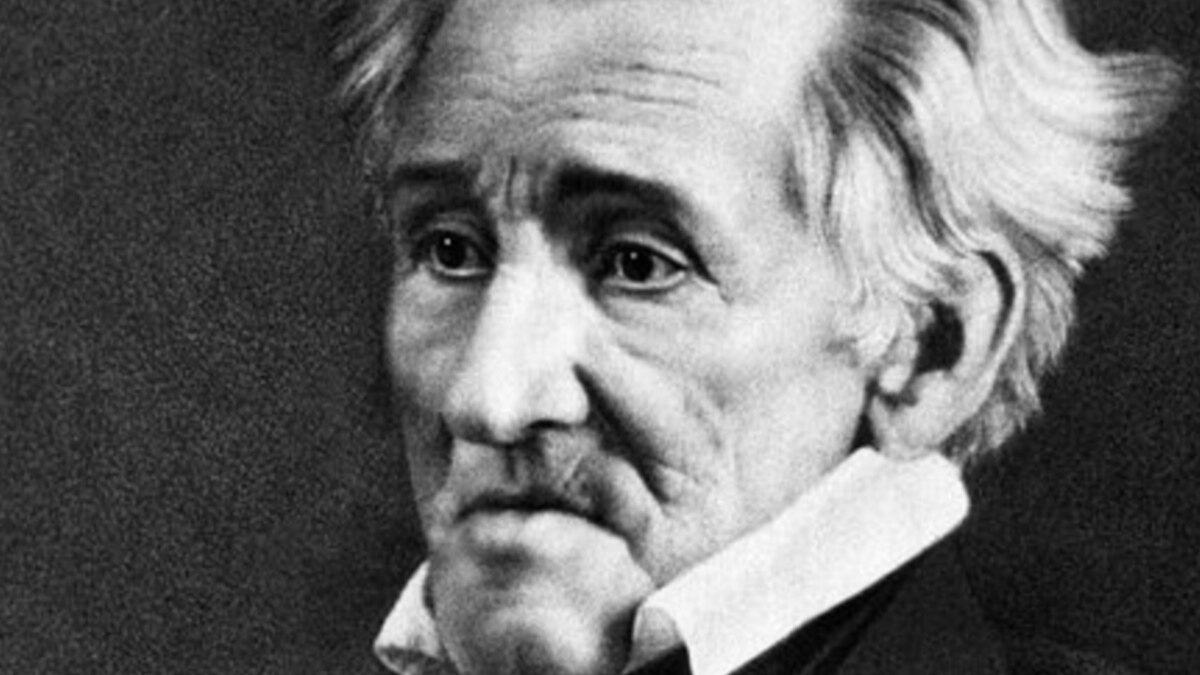
President Andrew Jackson standing defiant as senators debate around him.
What Happened?
In 1834, the U.S. Senate did something it had never done before: it publicly scolded the President. That president was Andrew Jackson, a fiery populist who made enemies just as easily as he made policy.
Jackson’s offense? Refusing to hand over documents related to his plan to dismantle the Bank of the United States—a powerful financial institution that Jackson believed served the wealthy and ignored ordinary Americans. When Congress demanded paperwork on how and why Jackson moved federal funds out of the bank, he refused. He’d already fired his treasury secretary for saying no to the plan and replaced him with someone who would follow orders.
That didn’t sit well with the Senate. Led by Henry Clay, Jackson’s political rival, they voted 26–20 to censure the president on March 28. The message was clear: Jackson had stepped outside his Constitutional authority.
Jackson, never one to back down, fired off a protest claiming the censure was unconstitutional. He took it personally—and when his Democratic allies regained control of the Senate in 1837, they literally crossed the censure out of the official records, writing 'Expunged by order of the Senate.'
The censure didn’t stop Jackson from shutting down the Bank or transforming the American presidency. But it did spotlight a timeless issue: what happens when a president pushes too far, and Congress pushes back?
Why It Matters
The 1834 censure of Andrew Jackson wasn’t just about a bank. It was about checks and balances, and who really holds power in a democracy. Jackson pushed the limits of executive authority—and Congress responded. The clash laid the groundwork for future debates about presidential power that continue to this day.
?
Why did Jackson want to shut down the Bank of the United States, and what were his reasons?
What does a censure actually mean, and how is it different from impeachment?
How did the conflict between Jackson and Clay shape the Democratic and Whig parties?
What role did the Senate play in balancing presidential power during Jackson’s era?
Why was the censure eventually expunged, and what does that say about political power shifts?
Dig Deeper
Jackson's election was more democratic than any previous presidential election. More people were able to vote, and they picked a doozie. Jackson was a well-known war hero, and he was elected over his longtime political enemy, John Quincy Adams. Once Jackson was in office, he did more to expand executive power than any of the previous occupants of the White House.
Andrew Jackson was both beloved and loathed during his presidency. In this imaginary courtroom, you get to be the jury, considering and weighing Jackson's part in the spoils system, economic depression, and the Indian Removal Act, as well as his patriotism and the pressures of the presidency. James Fester explores how time shapes our relationship to controversial historical figures.
Related

The First Amendment: America’s Blueprint for Freedom
The First Amendment protects freedoms of speech, religion, press, assembly, and petition. It’s the foundation of American democracy—but also a source of constant debate and interpretation.
The Cold War & Fear at Home: Ideology, Power, and Public Anxiety
A global rivalry shaped by fear, ideology, and the constant tension between freedom and security.
The First Great Awakening: Faith, Fire, and a New American Identity
Long before the Revolution, a different kind of rebellion was stirring, one in the soul. The First Great Awakening reshaped American religion and helped plant the seeds of self-government and democratic identity.
Further Reading
Stay curious!