

Darwin Hits ‘Send’: First Chapters of Origin of Species Reach the Publisher
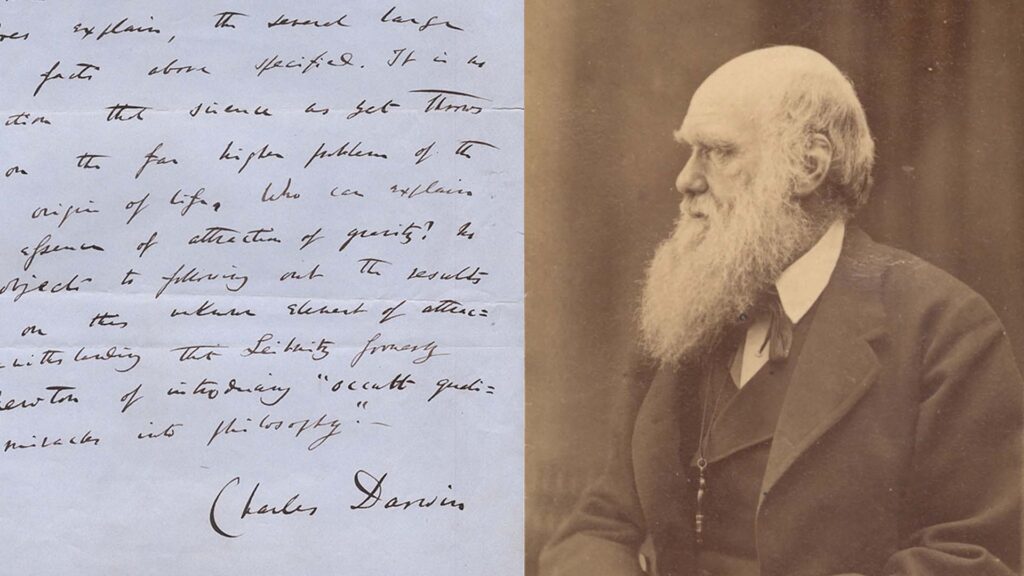
After two decades of secret note‑taking and specimen‑sorting, Darwin finally shared the opening chapters of his radical theory—natural selection—with publisher John Murray.
What Happened?
Darwin first sketched his ideas about species change back in 1842, but he kept them under wraps, worried about backlash from religious leaders and even fellow scientists. Meanwhile, he raised a family, bred pigeons for experiments, and turned field notes from his HMS Beagle voyage into respected papers.
Pressure mounted when younger naturalist Alfred Russel Wallace drafted a paper echoing Darwin’s own theory. Realizing he could be scooped, Darwin rushed to produce an 'abstract'—essentially a condensed version of his massive, unfinished big book on evolution.
On April 5, 1859, Darwin bundled the first three chapters and sent them off to John Murray. These pages laid out the core concept: species aren’t fixed; they change over time through natural selection—the survival and reproduction of individuals best suited to their environments.
When Origin of Species finally hit shelves that November, the first print run sold out in a single day. The book would ignite fierce debates, topple old ideas about creation, and plant the seeds for modern biology, genetics, and ecology.
Why It Matters
Darwin’s decision to share his work—however cautiously—transformed our understanding of life on Earth. It reminds us that groundbreaking ideas often simmer for years before changing the world, and that science moves forward when researchers dare to publish, discuss, and challenge conventional wisdom.
?
Why did Darwin hesitate for so long to publish his theory of natural selection?
How did competition from Alfred Russel Wallace influence Darwin’s timeline?
What social or religious pressures made Darwin’s ideas so controversial in 1859—and why do some debates persist today?
In what ways did Darwin’s fieldwork on the HMS Beagle shape his later conclusions?
How has modern genetics expanded or refined Darwin’s original ideas about evolution?
Dig Deeper
While mapping the Galapagos Islands, Darwin made observations that would later give birth to his theory of evolution.
Related
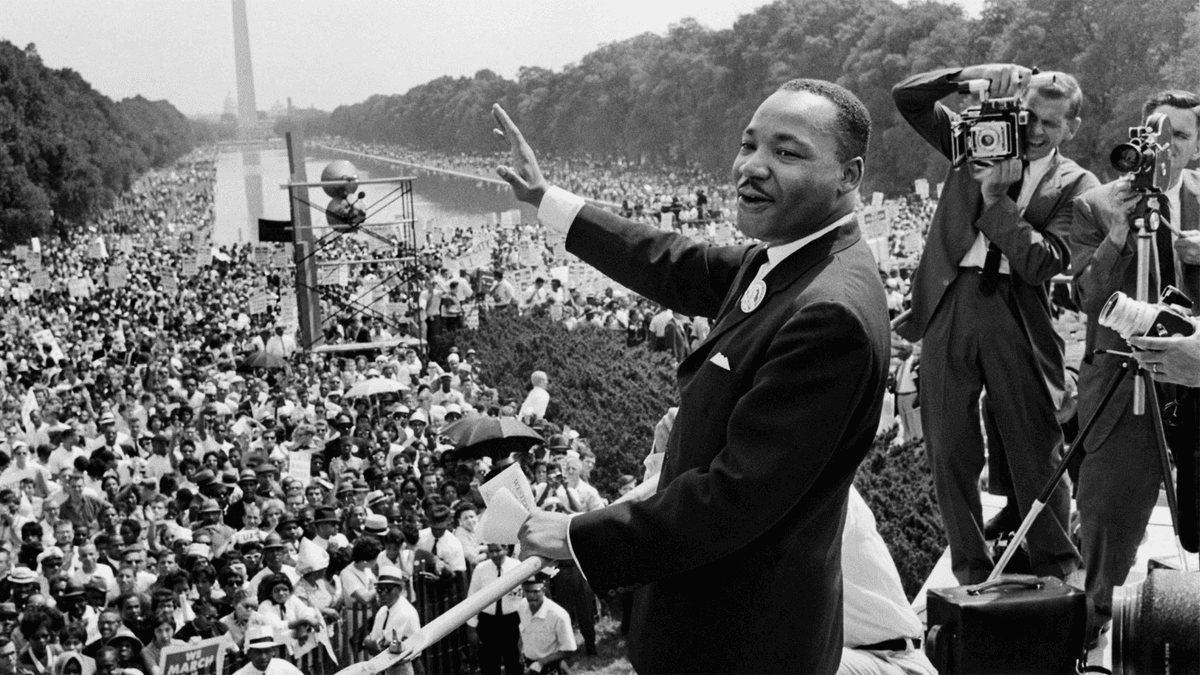
The Civil Rights Movement: Struggle, Solidarity, and Social Change
From classrooms to courthouses, buses to bridges, the Civil Rights Movement reshaped America’s laws — and its conscience.
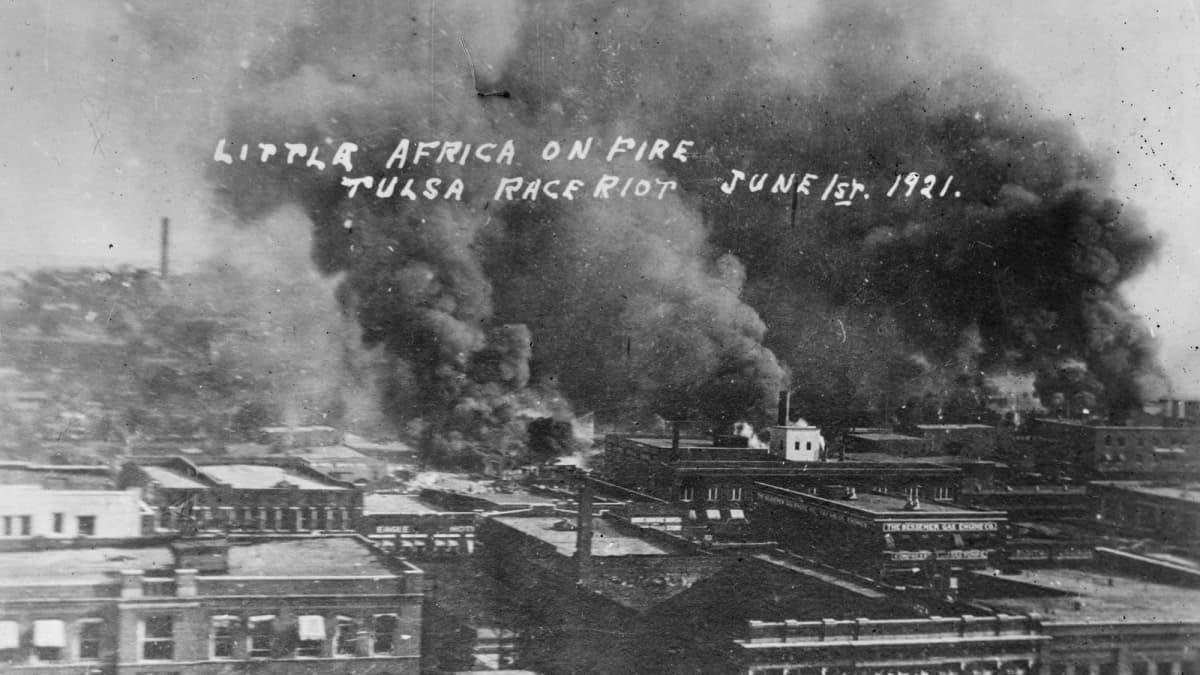
The Tulsa Race Massacre: Black Wall Street Burned
Greenwood was known as Black Wall Street—until a white mob burned it to the ground. The Tulsa Race Massacre wasn’t a riot. It was a coordinated attack. And it was nearly erased from history.
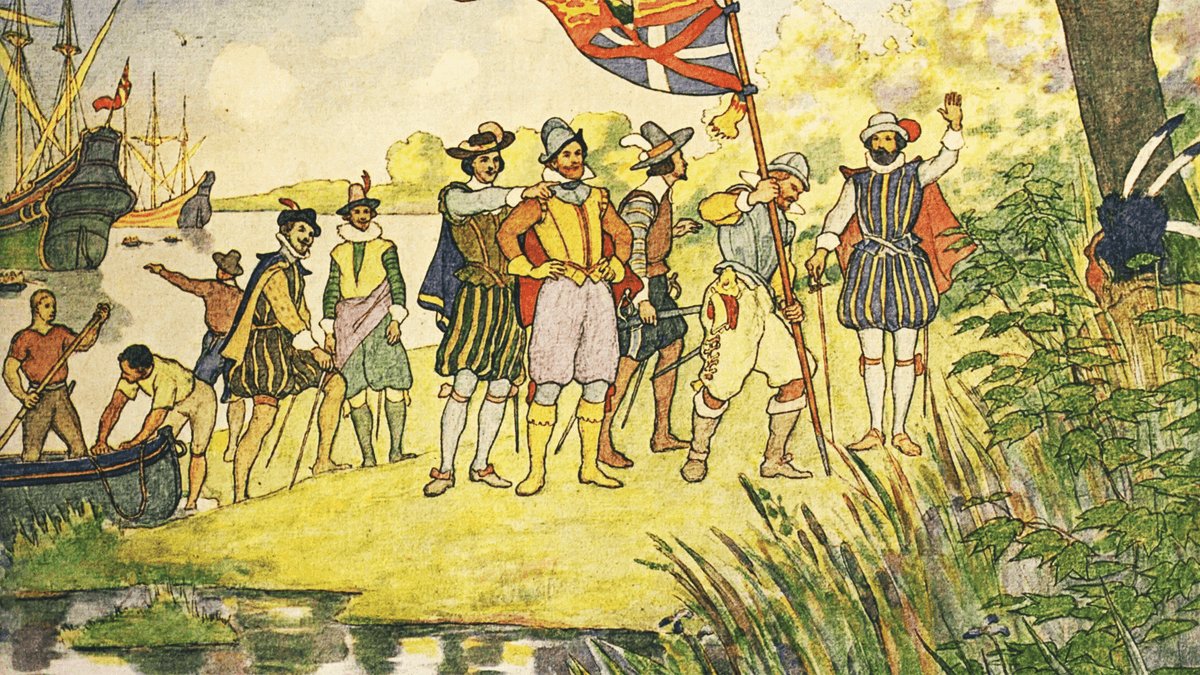
Joint-Stock Companies: Capitalism, Colonization, and Risk
Without joint-stock companies, there might be no Jamestown, no thirteen colonies—and no United States. These early capitalist ventures let investors fund risky New World settlements without bankrupting the Crown.
Further Reading
Stay curious!