

Entente Cordiale Signed: Britain and France Bury the Hatchet (Sort Of)
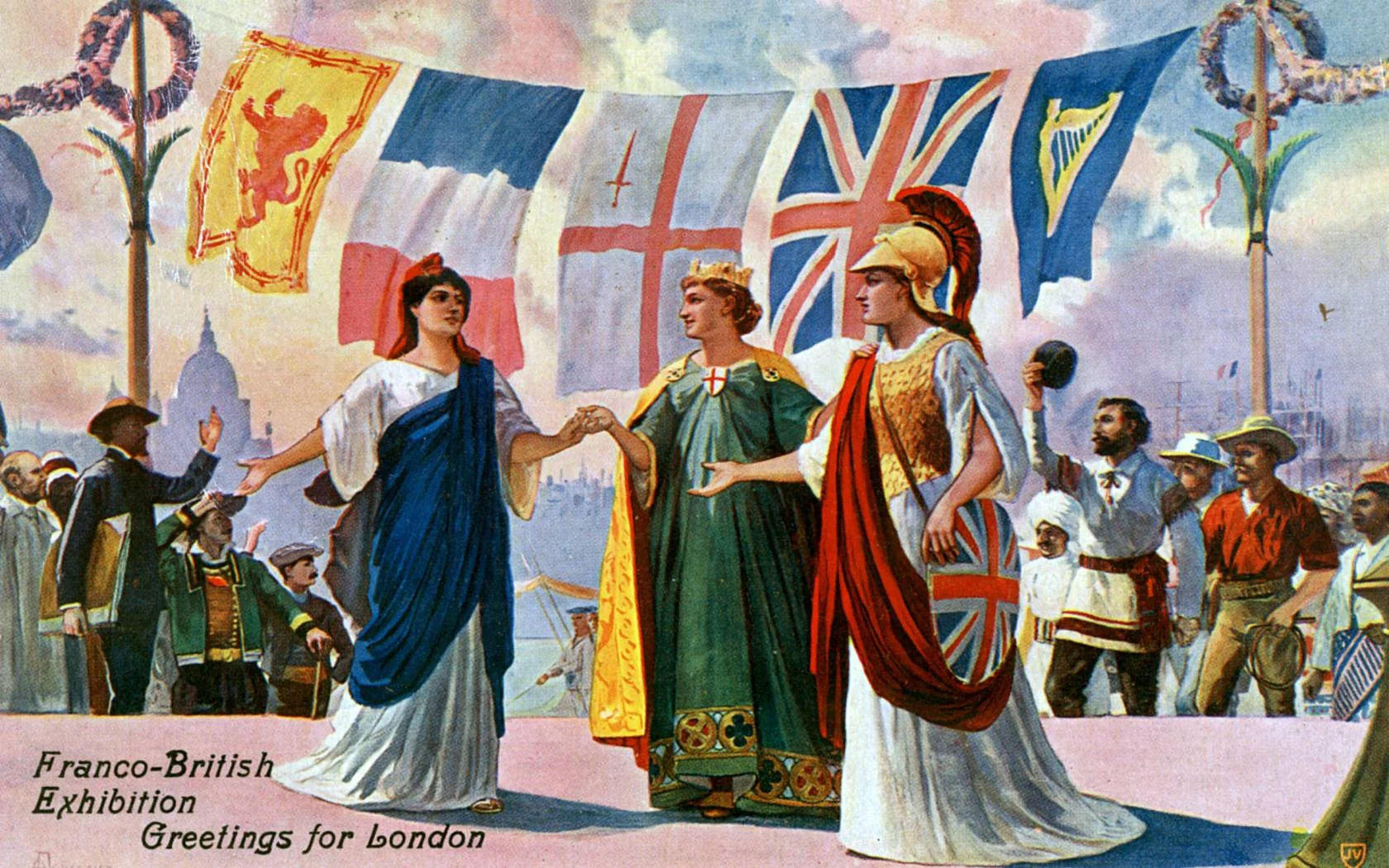
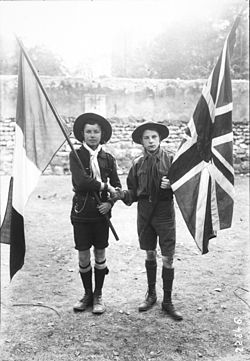
British and French diplomats in 1904 signing the Entente Cordiale agreement
What Happened?
For most of history, Britain and France were like siblings who couldn’t stop fighting—The Hundred Years' War, Napoleonic clashes, and plenty of shade thrown across the Channel. But on April 8, 1904, they signed a deal to finally stop bickering over Egypt and Morocco.
Britain agreed to give France free rein in Morocco. France returned the favor by backing British control of Egypt. It wasn’t quite peace and love, but it was practical—especially with a rising Germany flexing its military and naval muscles.
The agreement didn’t require military cooperation, but when Germany tested it by sending Kaiser Wilhelm to Morocco in 1905, Britain stood behind France. The Entente Cordiale evolved into something more serious, eventually pulling both nations into World War I on the same side.
Though it started as colonial bookkeeping, the Entente shifted Europe’s balance of power. It drew Britain out of isolation and helped form a bloc with France and Russia—setting the stage for the Allies of World War I and reshaping international diplomacy.
Why It Matters
The Entente Cordiale marked a turning point in global diplomacy. It taught world powers that yesterday’s enemies can become tomorrow’s allies—not always out of affection, but out of shared interests. In an era of realpolitik, it was a reminder that peace isn’t always pretty—it’s sometimes just the smarter strategy.
?
Why did Britain and France finally decide to end their centuries-long rivalry in 1904?
How did Germany’s reaction to the Entente Cordiale accelerate global tensions?
What does the Entente Cordiale tell us about how diplomacy can shift power dynamics without immediate warfare?
In what ways did colonial interests drive European alliances before World War I?
How does modern diplomacy still rely on strategic partnerships over shared values?
Dig Deeper
The agreement marked the end of years of intermittent conflict between Britain and France and set the stage for the series of agreements known as the Triple Entente that bound Britain, France and Russia together at the start of the First World War.
Related
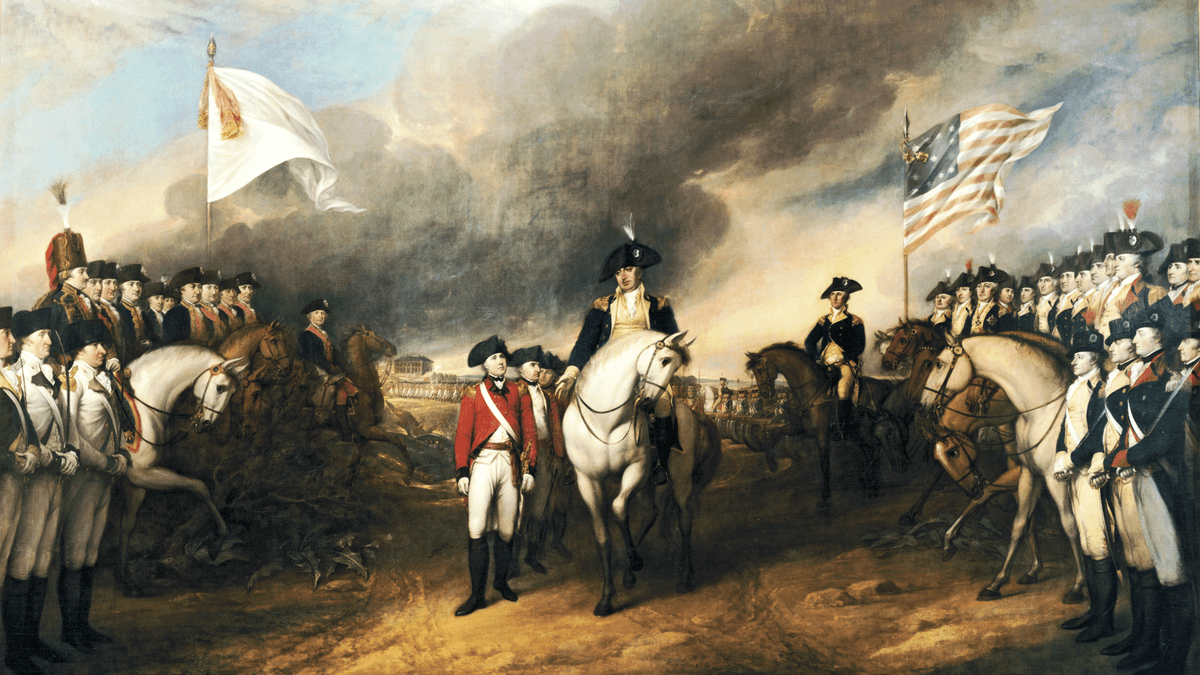
American Revolutionary War: From Protest to a New Nation
How arguments over taxes and rights grew into an eight-year war—and how ideas, allies, and perseverance turned thirteen colonies into the United States.
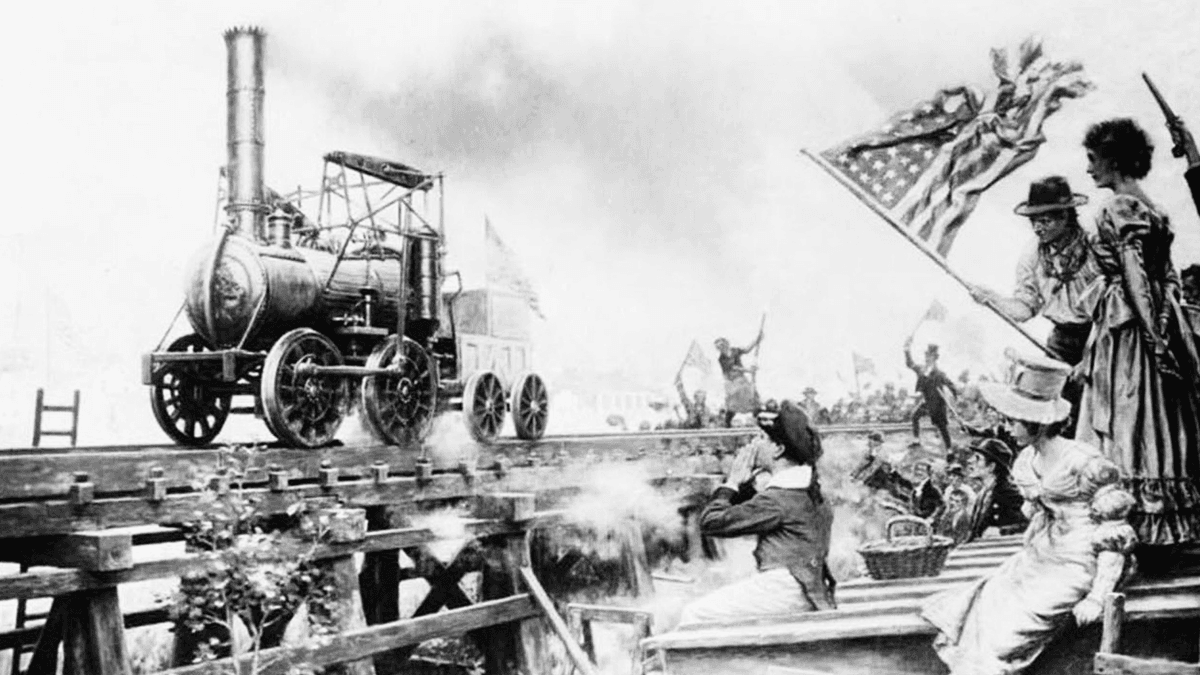
The Market Revolution: How Innovation Transformed America
In the early 1800s, America changed from a land of small farms to a booming nation of factories, railroads, and markets. The Market Revolution connected people, goods, and ideas—while also revealing deep inequalities in who benefited from progress.
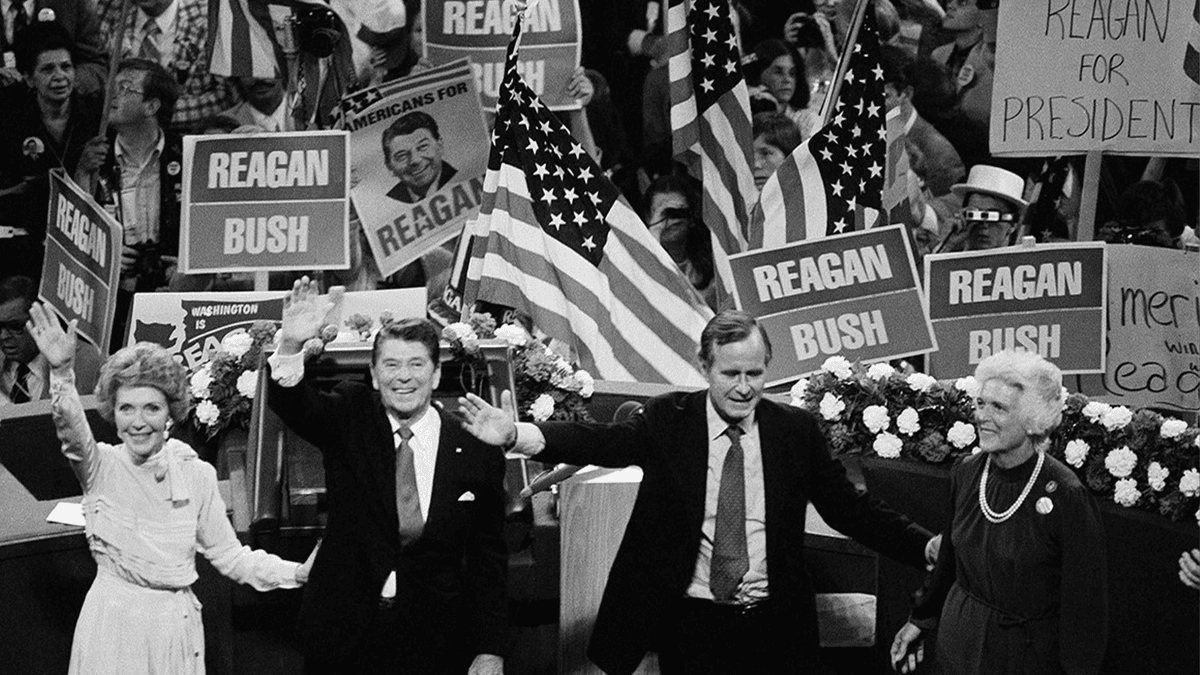
The Conservative Resurgence and Economic Shifts
How a political swing to the right reshaped America’s economy, culture, and political identity in the late 20th century.
Further Reading
Stay curious!