

The Day the Guns Fell Silent: Lee Surrenders at Appomattox

Painting of General Lee surrendering to General Grant in the parlor of the McLean House
What Happened?
On this day in 1865, Confederate General Robert E. Lee surrendered to Union General Ulysses S. Grant at Appomattox Court House, effectively ending the American Civil War.
Lee’s army, exhausted and outmaneuvered, was trapped by Union forces. Desertions soared. Rations vanished. With options gone, Lee requested a meeting with Grant. They met at the home of Wilmer McLean—whose first house, by the way, had been shelled at the war’s beginning.
Grant, muddy from riding, wrote out generous terms: Confederate soldiers could return home with their horses and sidearms, and would not be prosecuted if they laid down their arms. Union rations were sent immediately to starving Southern troops.
Formal surrender documents were exchanged in the McLean parlor, but the war’s end was informal by design—no theatrics, no punishment, no gloating. Just the business of ending the bloodshed.
The symbolism was powerful: a Native American officer, Ely S. Parker, wrote the final surrender copy. Lee reportedly said, 'I am glad to see one real American here.' Parker replied, 'We are all Americans.'
Over 28,000 paroles were printed in the following days, as Confederate troops laid down their arms. On April 12, the Army of Northern Virginia formally surrendered—on the fourth anniversary of Fort Sumter. Three days later, Abraham Lincoln would be assassinated.
Though Appomattox marked the war’s symbolic end, true peace was elusive. Reconstruction, the rise of Jim Crow, and battles over memory and meaning followed. The surrender wasn’t just a ceasefire—it was a fork in the road for American freedom, identity, and power.
Why It Matters
Appomattox was less about winners and losers and more about what kind of nation the United States would become. The terms Grant offered set the tone for reconciliation, but not necessarily for justice. The real battle—over freedom, equality, and the legacy of slavery—was only just beginning. Appomattox reminds us that peace is not the end of history, but the start of a new kind of struggle.
?
Why did Grant offer such generous surrender terms to Lee? What might have happened if he hadn’t?
How did the surrender at Appomattox shape the way Americans remembered the Civil War?
In what ways did the surrender symbolize both reconciliation and unfinished business?
What role did individuals like Ely S. Parker and Hannah Reynolds play in shifting the narrative of this day?
How should we remember April 9th—as an end, a beginning, or something more complex?
Dig Deeper
During the civil war, the South had Robert E. Lee leading its armies right from the very beginning. However, President Lincoln did not find a general who could succeed for the North until he found Ulysses S. Grant.
Related
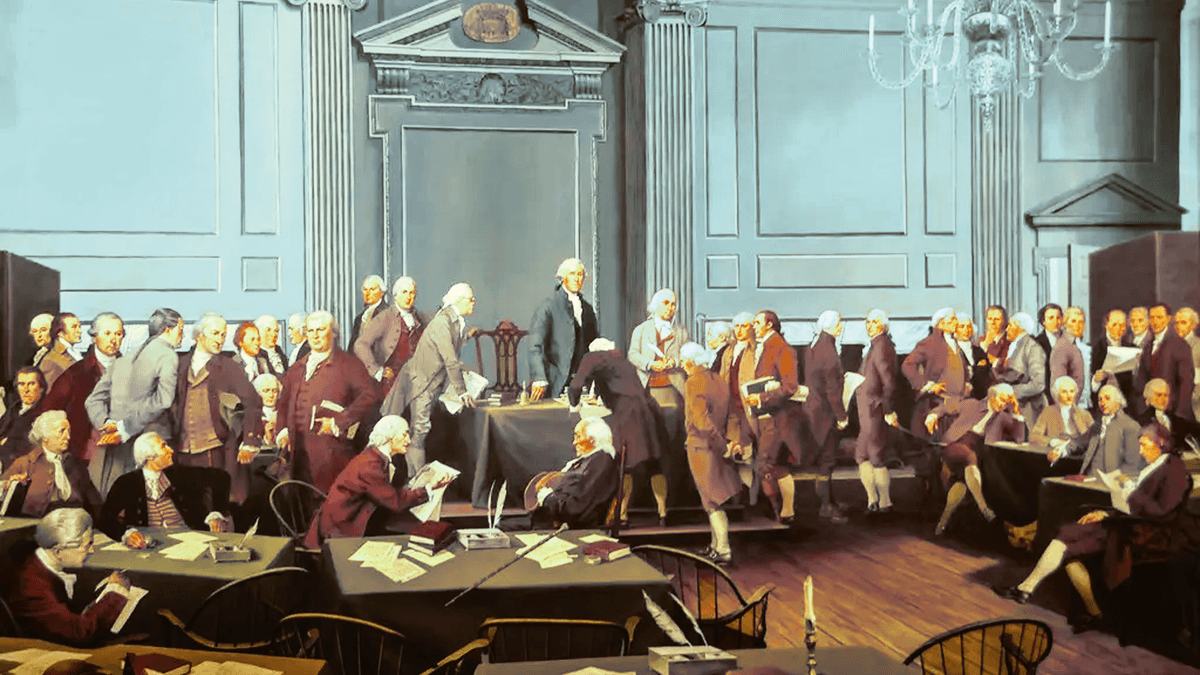
From Articles to the Constitution
The Articles of Confederation got us through a revolution—but not much more. Weak laws, no executive, and constant in-fighting forced the Founders back to the drawing board. What came next? The Constitution.
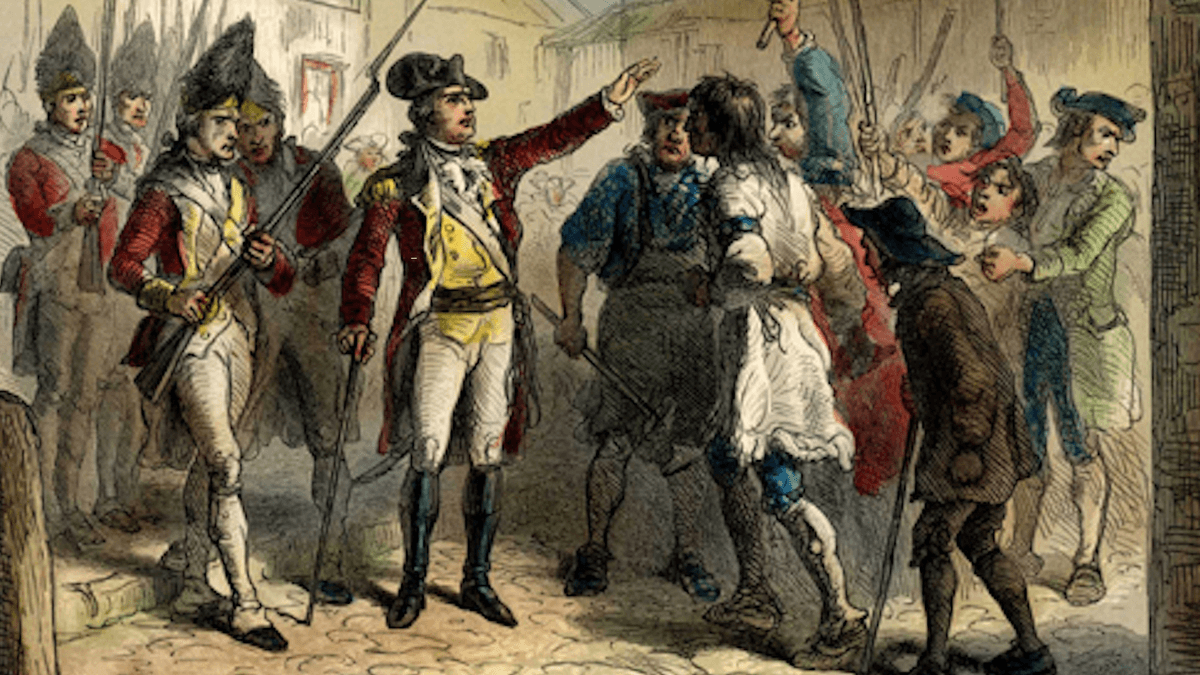
The Regulator Movement: Backcountry Rebellion Before the Revolution
Long before the American Revolution, farmers in North Carolina were already fighting corruption and demanding justice.
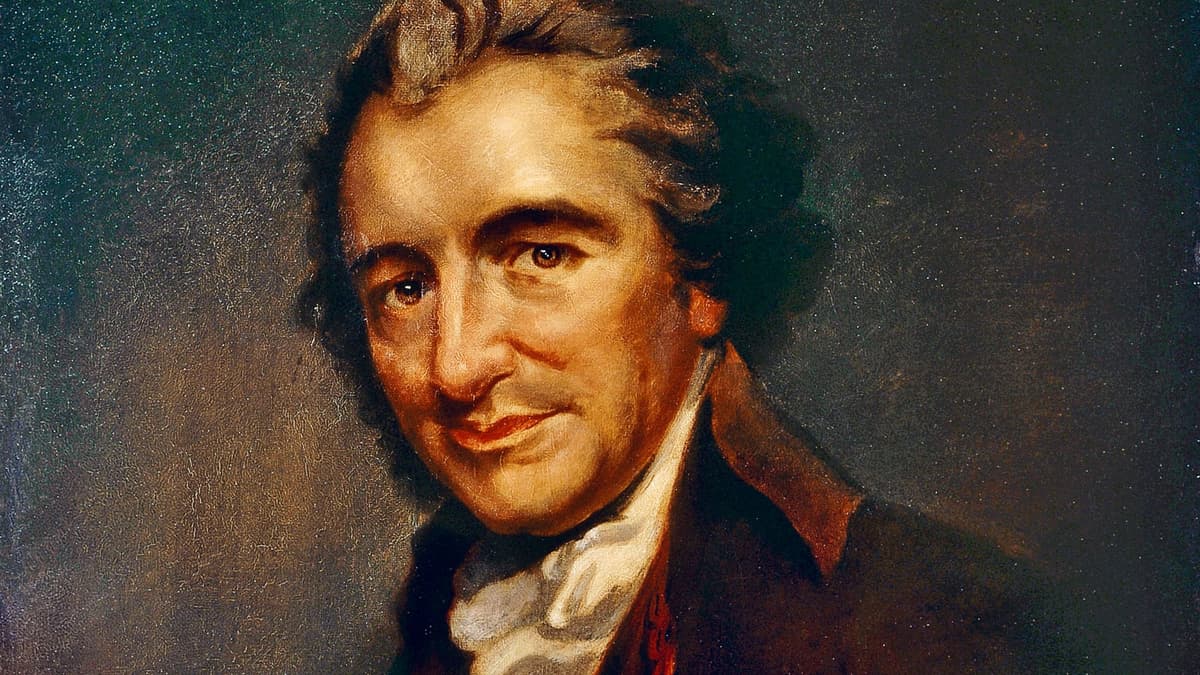
The Role of Ideas in Revolutionary Change
The Role of Ideas in Revolutionary Change: How can ideas and writings change the course of history?
Further Reading

Stay curious!