

Jackie Robinson Signs with the Dodgers, Breaking Baseball’s Color Barrier
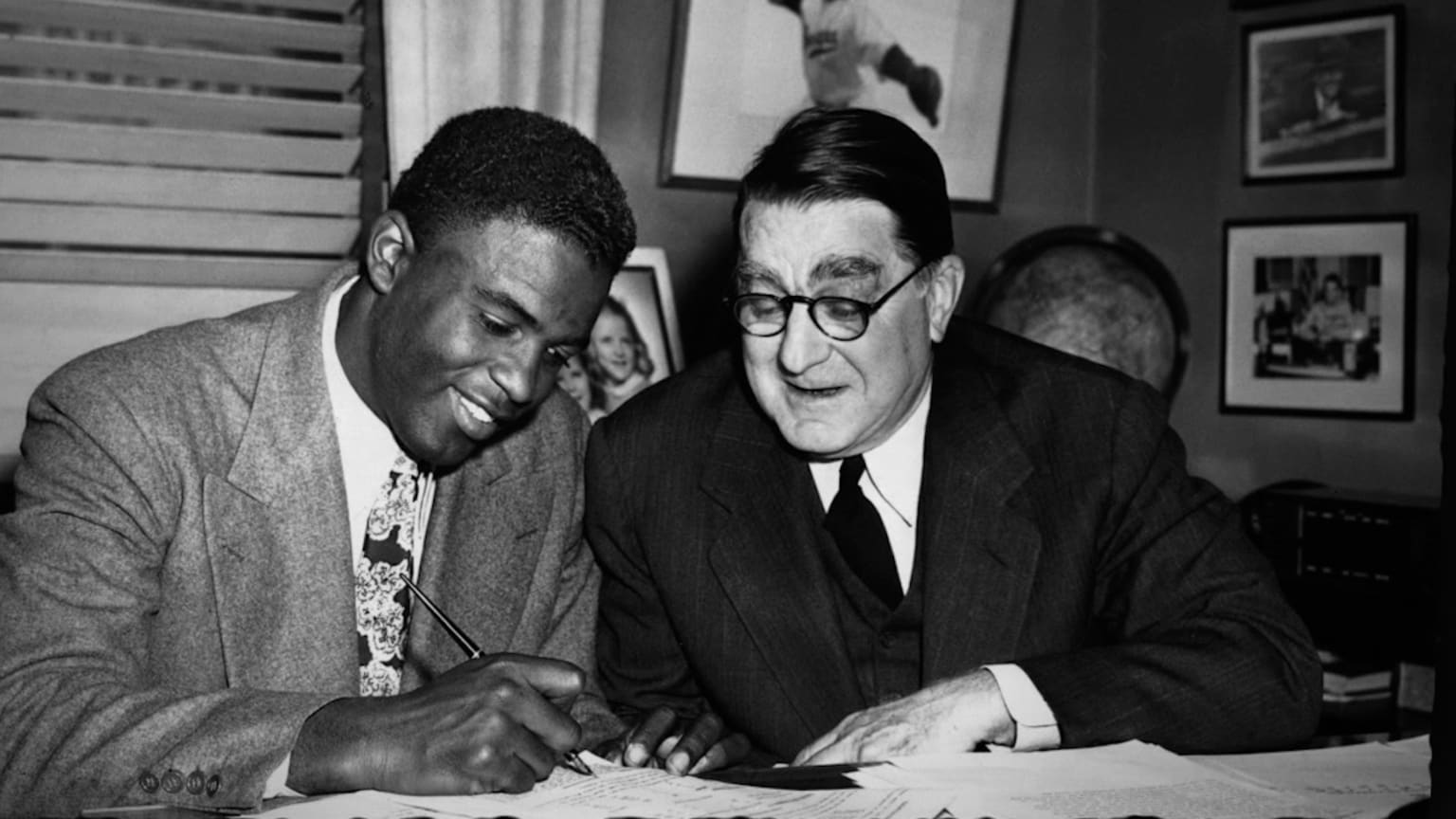
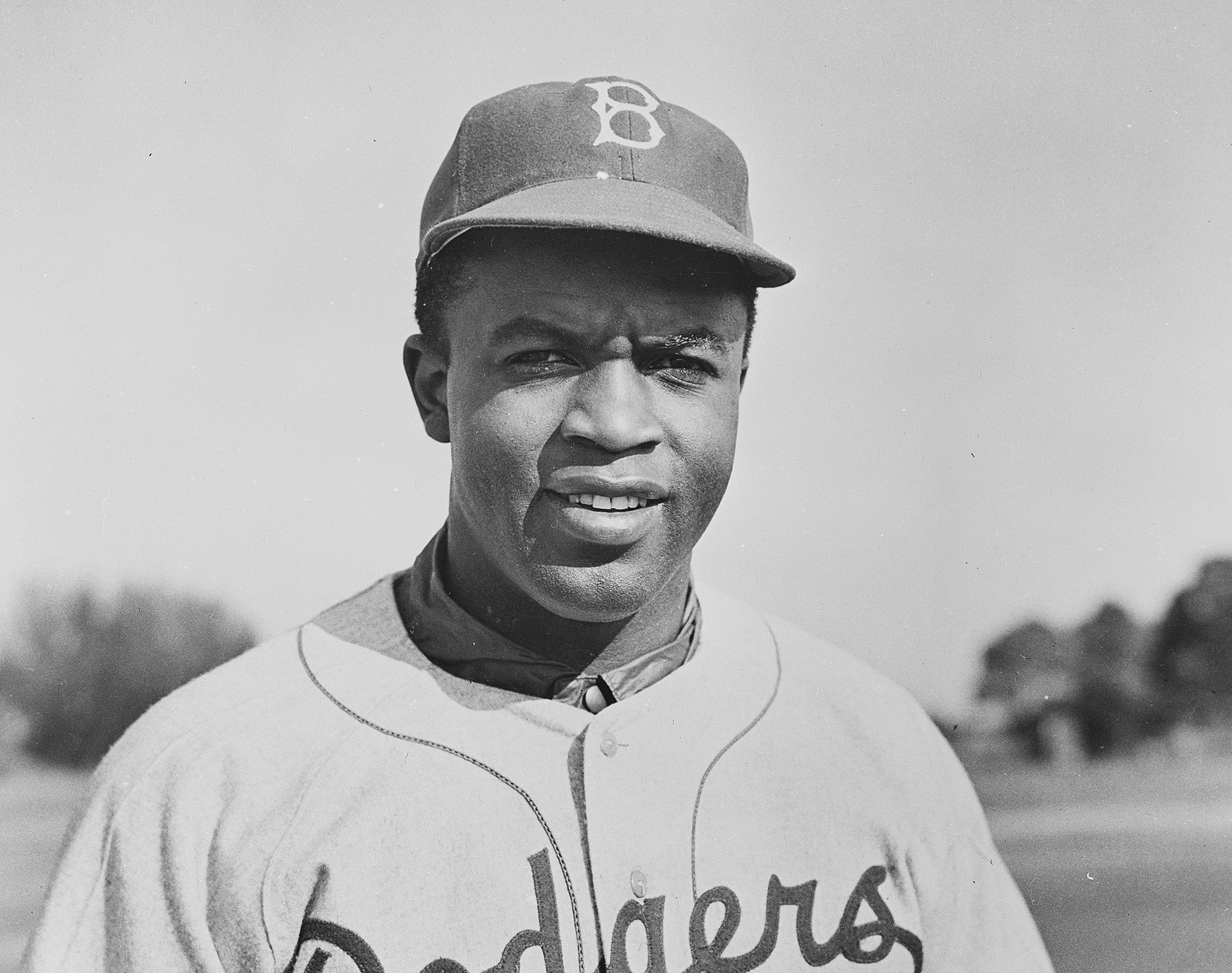
Jackie Robinson signs his major league contract with the Brooklyn Dodgers in 1947
What Happened?
Robinson had already made waves the year before, playing for the Dodgers’ minor league affiliate, the Montreal Royals. There, he faced racial abuse with unwavering discipline, batting .349 and leading the league in runs scored. Branch Rickey, Brooklyn's visionary GM, was watching—and waiting.
On April 10, Robinson officially joined the Dodgers, becoming the first Black player in modern MLB history. He was 28 years old, a war veteran, and a four-sport star from UCLA. Rickey warned him: the real battle would be off the field. 'I need a player who has the guts not to fight back,' he said.
Robinson's debut came five days later, on April 15. He faced jeers, threats, and fastballs to the head—but also filled stadiums. That season, Robinson scored 125 runs, batted .297, and led the league in stolen bases. He won the very first Rookie of the Year award.
Baseball had never seen anything like Jackie. And America, still segregated in schools, housing, and voting rights, had never seen someone like Jackie break through so visibly and so valiantly. He didn't just change the game. He changed the nation.
Robinson would play 10 seasons, win an MVP, appear in six All-Star Games, and help his team to six pennants. In 1962, he was inducted into the Hall of Fame. Today, every player in the league wears #42 on Jackie Robinson Day. Because what he signed wasn’t just a contract—it was a declaration of dignity.
Why It Matters
Jackie Robinson’s signing marked a turning point not just for baseball but for the country. It was one of the first cracks in the wall of institutional segregation, and it proved that the field of play could be a battlefield for justice. Jackie didn’t just open doors—he walked through them with grace, grit, and greatness.
?
Why do you think Branch Rickey believed Jackie Robinson was the right person to break baseball’s color barrier?
How did Robinson’s experience in the minor leagues prepare him for the major leagues—both on and off the field?
What risks did Robinson face by signing the contract? What risks did the Dodgers take?
In what ways did Jackie Robinson's success influence the larger Civil Rights Movement?
Why is it important that all MLB players wear #42 on Jackie Robinson Day? What does that number symbolize today?
Dig Deeper
While serving in the military, Jackie Robinson was arrested for refusing to move to the back of a segregated bus. In 1947, he made history when his debut with the Brooklyn Dodgers ended racial segregation in Major League Baseball.
Related
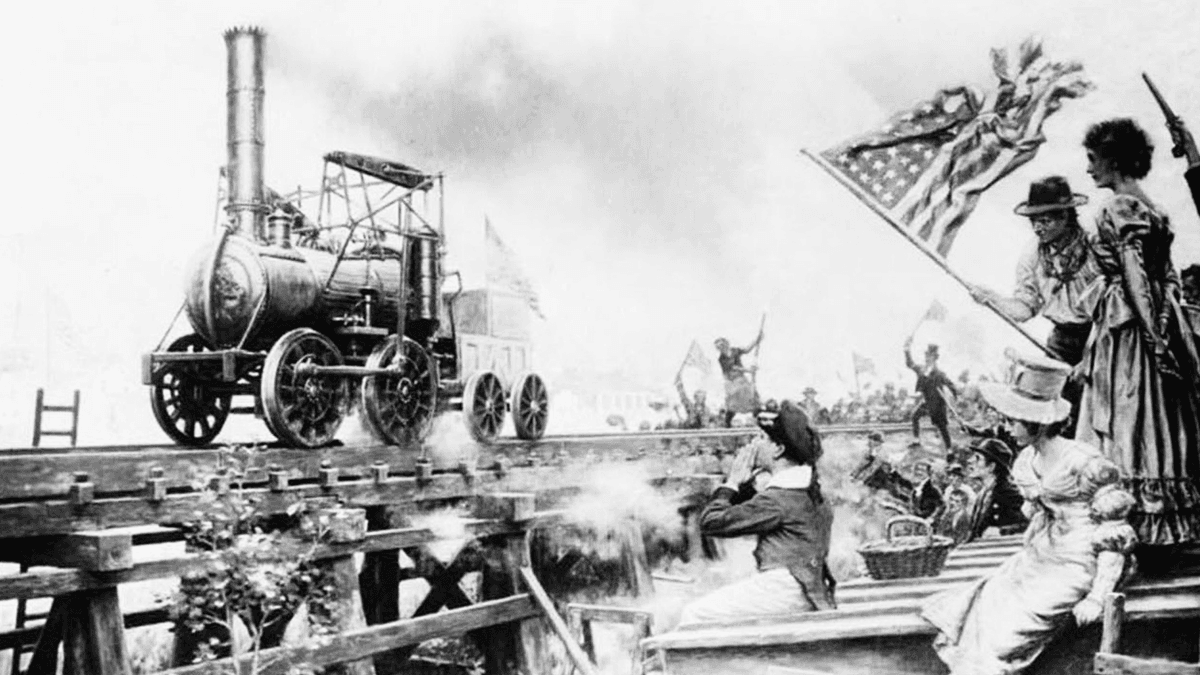
The Market Revolution: How Innovation Transformed America
In the early 1800s, America changed from a land of small farms to a booming nation of factories, railroads, and markets. The Market Revolution connected people, goods, and ideas—while also revealing deep inequalities in who benefited from progress.
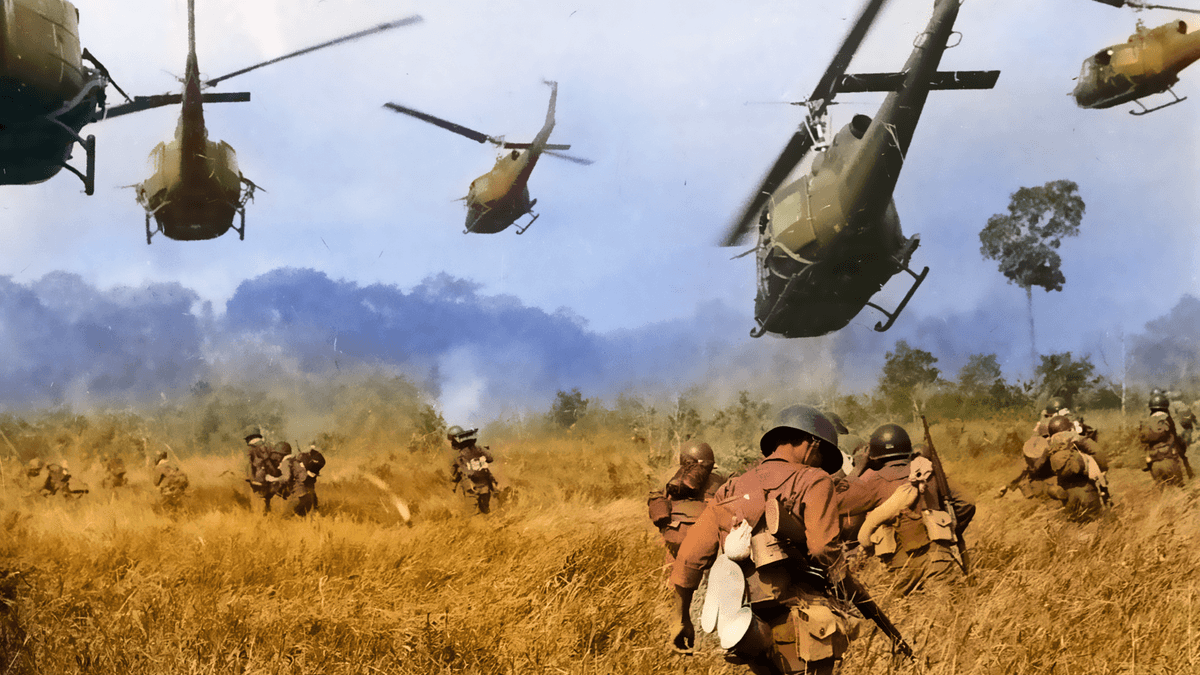
The Vietnam War: Conflict, Cold War, and Consequences
A complex war shaped by colonial history, Cold War fears, and powerful resistance—understand why the Vietnam War happened and why it still matters.
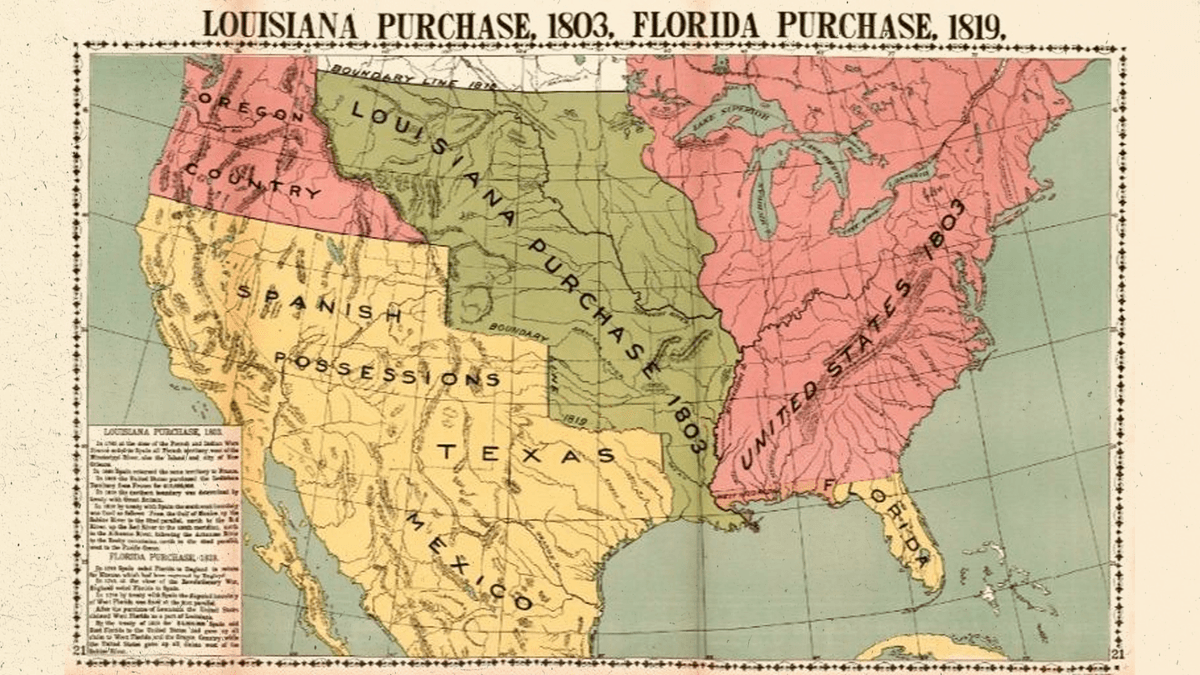
The Louisiana Purchase: A River, A Bargain, and a Bigger United States
In 1803 the United States bought the vast Louisiana Territory from France, doubling the nation’s size, securing the Mississippi River, and setting the stage for westward expansion and hard questions about slavery and Native sovereignty.
Further Reading
Stay curious!