

Lincoln Shot at Ford’s Theatre: A Nation's Hope Silenced
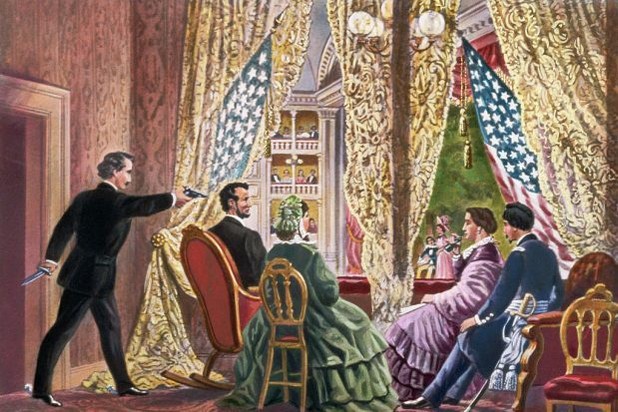
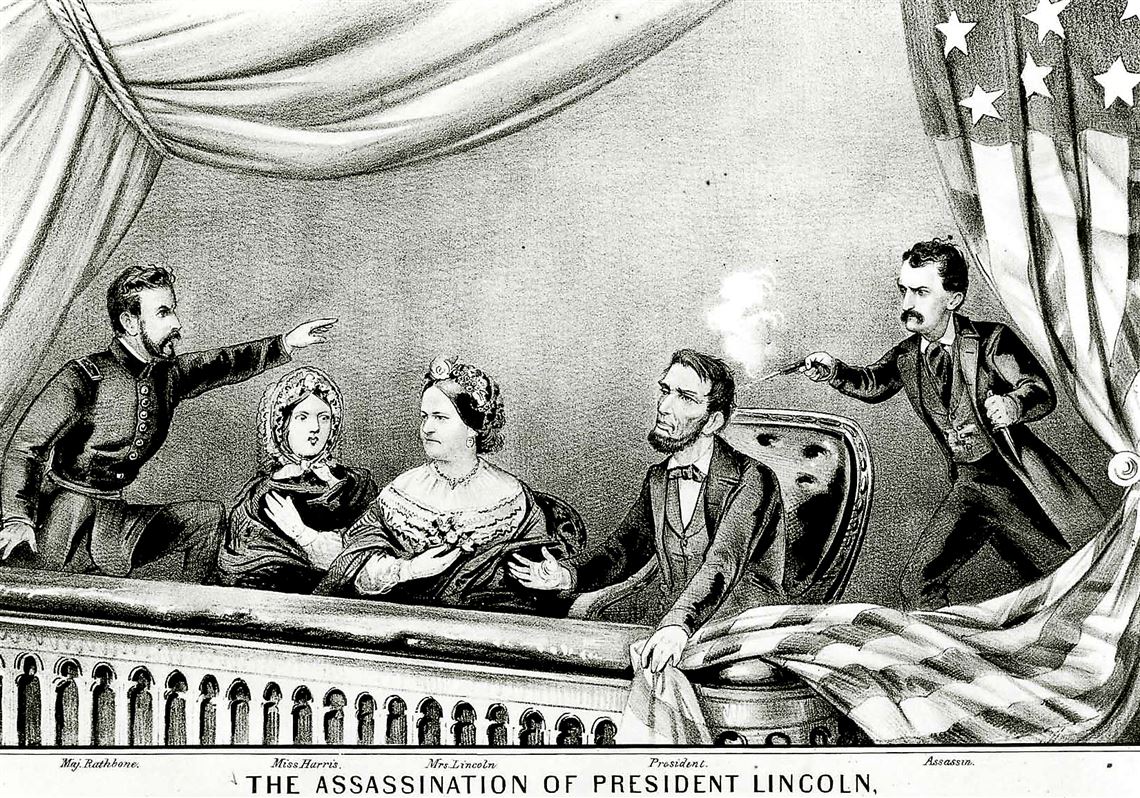
Abraham Lincoln’s box at Ford’s Theatre draped in flags with actors frozen in shock on stage
What Happened?
It was a Friday night, April 14, 1865. The Civil War was ending, and President Lincoln, exhausted but hopeful, took his wife to see a play at Ford’s Theatre. Just after 10 p.m., actor John Wilkes Booth slipped into the president’s private box and shot him in the head. Booth shouted 'Sic semper tyrannis!'—Latin for 'Thus always to tyrants'—then leapt to the stage and escaped on horseback.
Lincoln was carried across the street to a boarding house, where he died the next morning. Vice President Andrew Johnson took the oath of office the same day.
Booth was a Southern sympathizer who originally plotted to kidnap Lincoln. But after the South’s defeat, he shifted to murder. Outraged that Lincoln supported voting rights for Black Americans, Booth believed he was striking a blow for white supremacy and the fallen Confederacy.
Booth’s co-conspirators also attacked Secretary of State William Seward and plotted to kill Vice President Johnson. Only Seward was injured—Johnson’s would-be assassin lost his nerve. Booth was captured 12 days later and killed in a burning barn.
Eight conspirators were arrested and tried; four were hanged, including Mary Surratt, the first woman executed by the U.S. government. Others were imprisoned, and Booth's right-hand man, John Surratt, escaped to Canada and avoided justice.
Frederick Douglass called Lincoln 'the Black man’s president' and mourned his loss deeply. Lincoln’s final speech—where he publicly supported Black suffrage—was the last straw for Booth. The gunshot that ended Lincoln’s life also sparked a century-long struggle for civil rights, equality, and the soul of the nation.
Why It Matters
Lincoln’s assassination wasn’t just personal—it was political. His murder was fueled by rage at the idea of Black citizenship and civil rights. It reminds us how fragile progress can be when it threatens systems of power. But it also reminds us that one voice for equality can shake an entire nation—and that silence, in the face of injustice, can be deadly.
?
Why was Booth so enraged by Lincoln’s support for Black suffrage, and how does that connect to modern voting rights battles?
What does it say about the country that Lincoln’s bodyguard left his post to get a drink?
Should Mary Surratt have been executed alongside the men? How do we weigh guilt by association in moments of national trauma?
What impact did Lincoln’s death have on the future of Reconstruction—and on civil rights?
What do you think would have been different in U.S. history if Lincoln had lived?
Dig Deeper
President Abraham Lincoln was critically wounded and later died during a crucial period in American history.
Following the end of the war Abraham Lincoln is assassinated in Ford's Theater leaving America to continue moving forward.
Related
The Second Amendment: Rights, Regulation, and Modern Debate
The Second Amendment has sparked centuries of debate: Is it about militias, individual rights, or both? From its 18th-century origins to modern Supreme Court rulings, this question remains central to America’s most heated constitutional argument.
The First Amendment: America’s Blueprint for Freedom
The First Amendment protects freedoms of speech, religion, press, assembly, and petition. It’s the foundation of American democracy—but also a source of constant debate and interpretation.
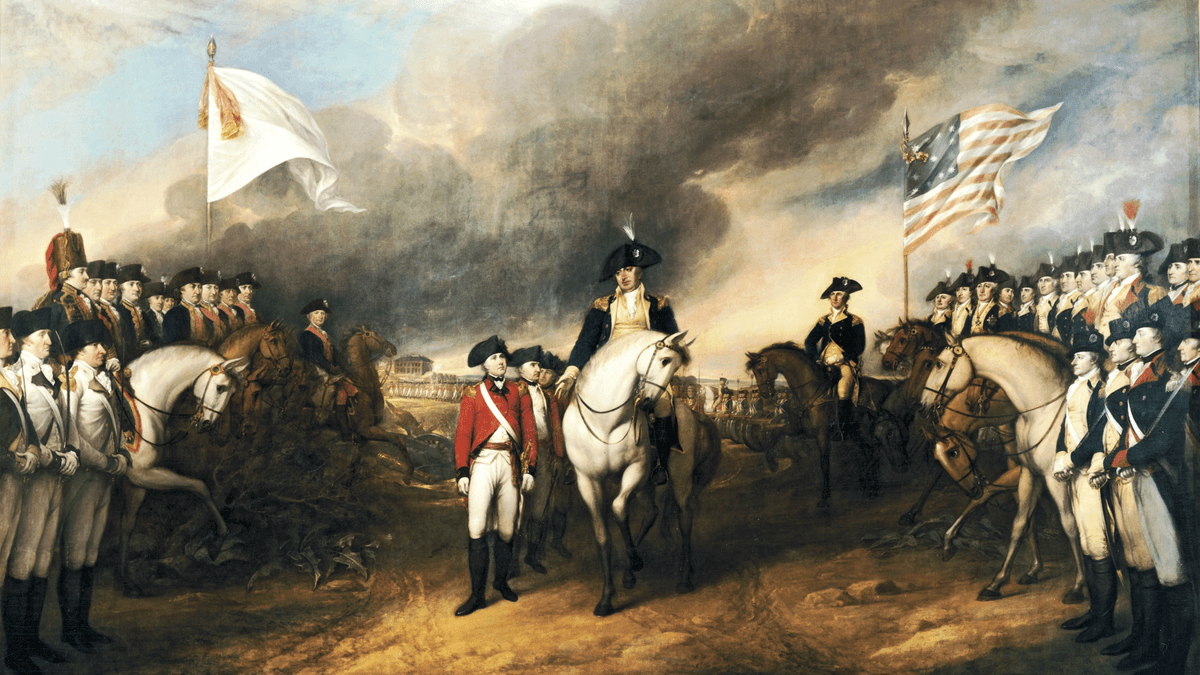
American Revolutionary War: From Protest to a New Nation
How arguments over taxes and rights grew into an eight-year war—and how ideas, allies, and perseverance turned thirteen colonies into the United States.
Further Reading
Stay curious!