

Letter from Birmingham Jail: Why It Still Matters
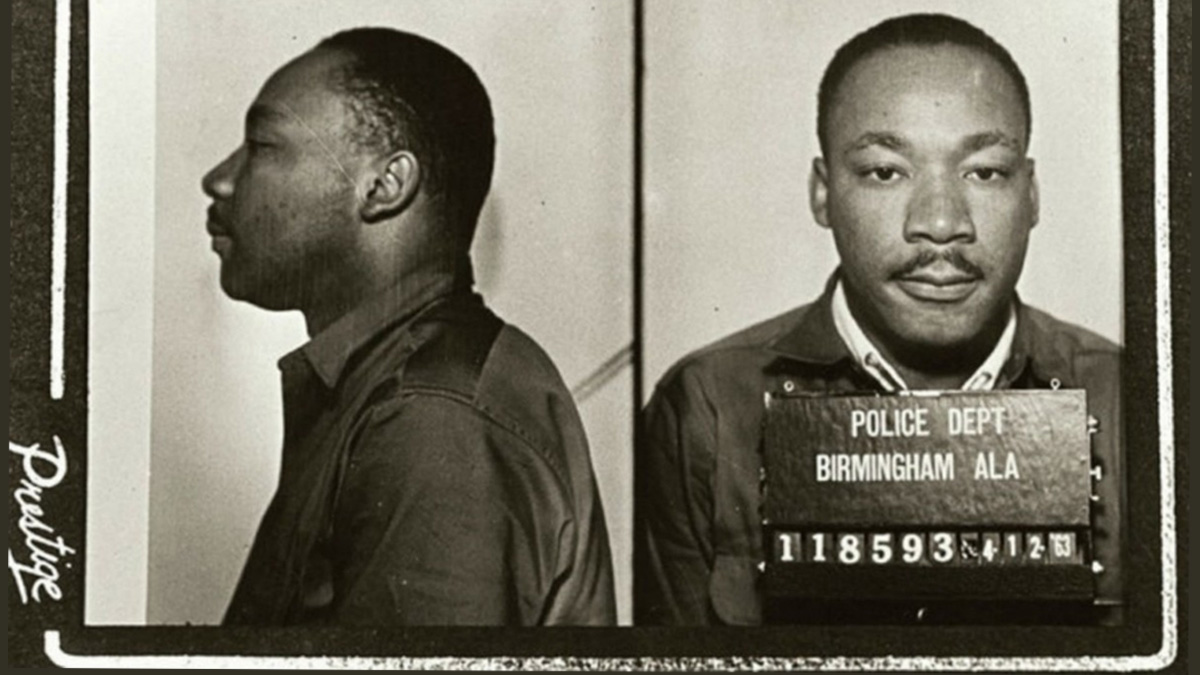
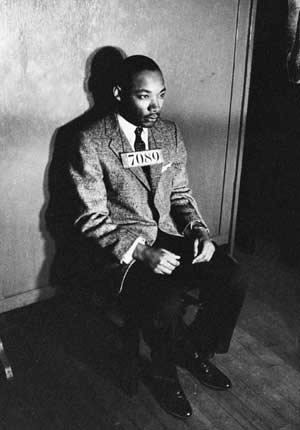
Dr. Martin Luther King Jr. writing in his jail cell in Birmingham, Alabama.
What Happened?
In April 1963, Martin Luther King Jr. was arrested for leading nonviolent protests against racial segregation in Birmingham, Alabama. While confined in jail, he read a newspaper statement by eight white clergymen criticizing the demonstrations as 'unwise and untimely.'
With no notes, no books, and only scraps of paper passed to him by his lawyers, King responded with moral clarity and intellectual power. His 'Letter from Birmingham Jail' became a foundational text of the Civil Rights Movement—a rebuke to complacency and a passionate call to confront injustice wherever it lives.
In the letter, King outlines the necessity of nonviolent direct action and challenges the idea that civil rights should be subject to a more 'convenient season.' He names white moderates—not white supremacists—as one of the greatest obstacles to progress because of their obsession with order over justice.
He also delivers a blistering critique of churches and faith leaders who stand on the sidelines of moral struggle, writing that he had hoped the white church would be a strong ally, only to find it often a quiet opponent.
The letter is deeply rooted in Christian theology, American constitutional ideals, and a profound understanding of moral responsibility. It continues to be studied, quoted, and taught around the world, reminding us that silence in the face of injustice isn’t neutrality—it’s betrayal.
Why It Matters
Dr. King's 'Letter from Birmingham Jail' asks: Who do we become when faced with injustice? Do we look away, or do we rise to meet it? King's letter was a love letter to the truth and a challenge to the comfortable. It reminds us that silence is a choice, neutrality is a position, and waiting for justice is often a luxury of those who already have it. For anyone who believes in human dignity, civil rights, and the messy, necessary work of democracy—this letter is a blueprint. The fight for justice is not over, and Dr. King's words continue to whisper—sometimes shout—into the conscience of every generation.
?
What examples from modern-day activism reflect the lessons of King's letter?
What does King mean when he says 'justice too long delayed is justice denied'?
How do Dr. King's words about the 'white moderate' apply to today’s social justice movements?
Why do you think Dr. King's letter continues to resonate with people around the world over 60 years later?
What role should faith communities play in movements for social justice today?
Dig Deeper
In this document King responds to a group of white clergymen who have urged patience on the devotees of the Civil Rights Movement. But King points out that anyone who could possibly say "wait" in the face of injustice has never been under the humiliating lash of injustice itself.
Related
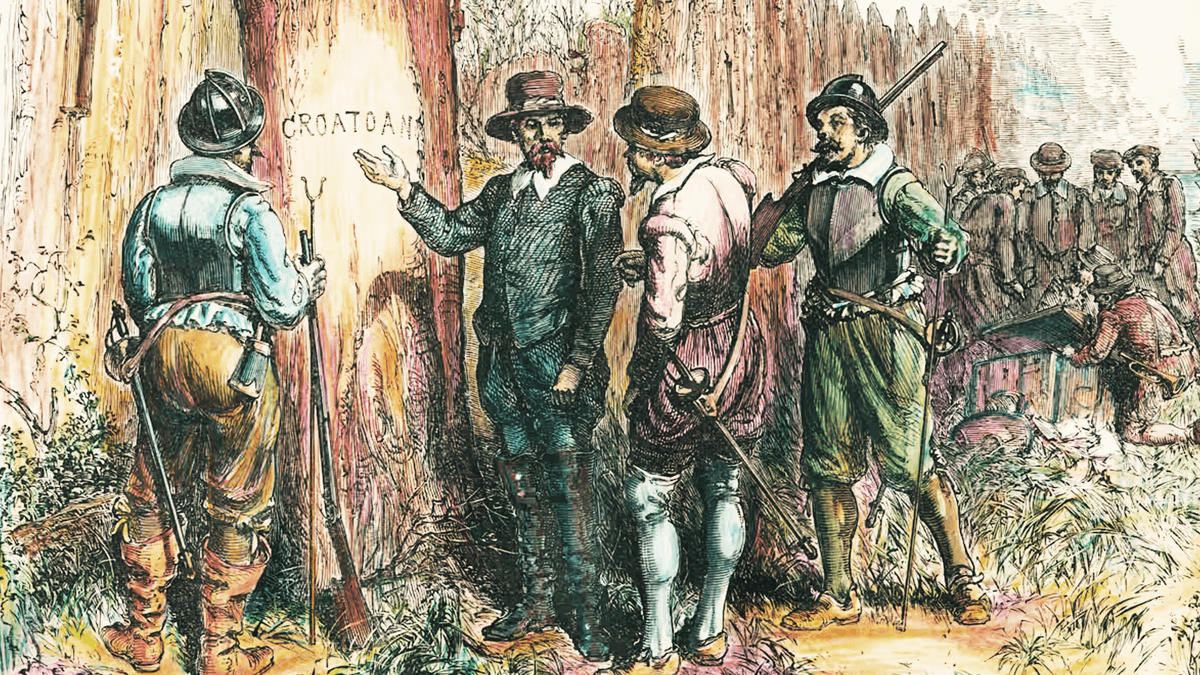
English Colonization: Roanoke, Jamestown, and Early Settlements
From vanished colonies and tobacco empires to pirates and indigenous resistance, the story of England’s first attempts at colonization in North America is anything but boring.
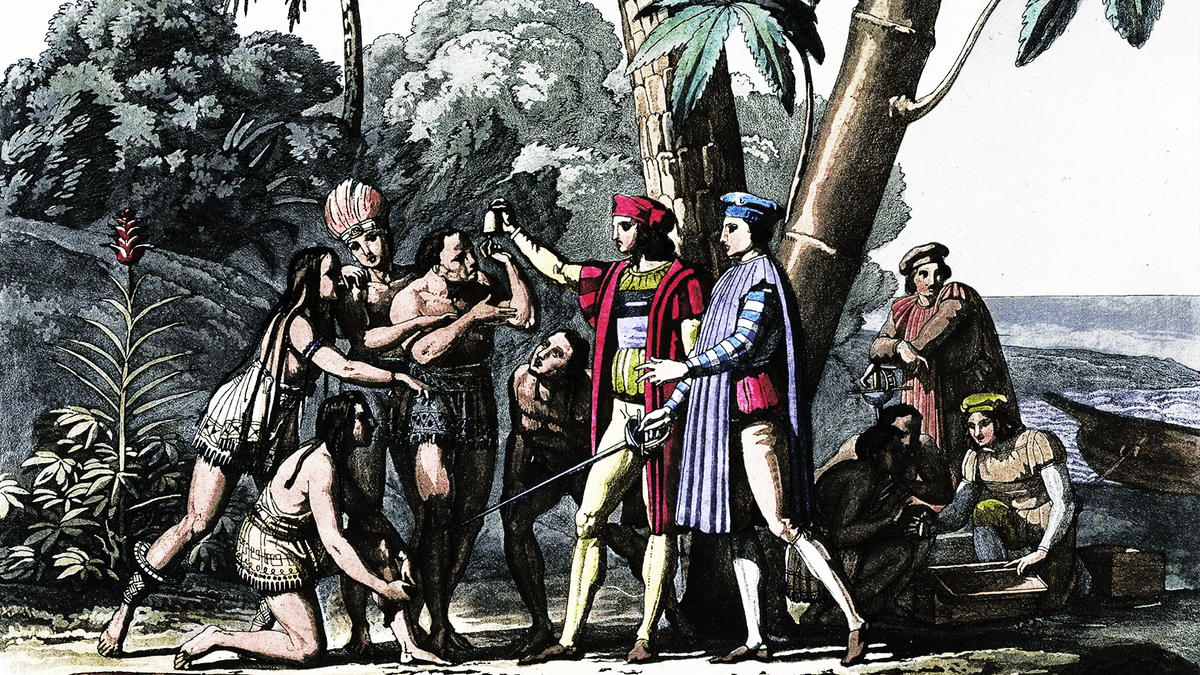
The Columbian Exchange: When Worlds Collided
When two previously isolated worlds collided in 1492, the resulting biological, cultural, and economic transformation reshaped every corner of the globe. The Columbian Exchange was not just a swap—it was a world-changing, world-breaking chain reaction.
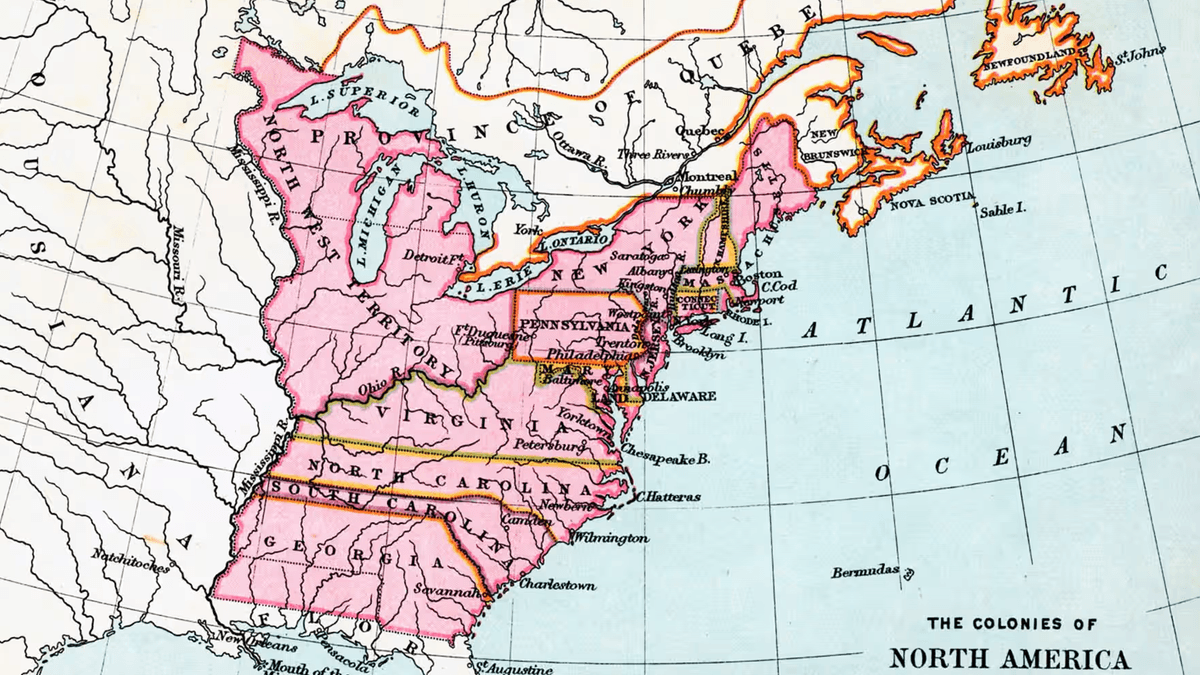
The 13 Colonies: Seeds of a New Nation
How did thirteen scattered colonies along the Atlantic coast grow into the foundation of a new nation?
Further Reading
Stay curious!