

Bay of Pigs Invasion Begins: CIA-Backed Coup Attempt Fails in Cuba
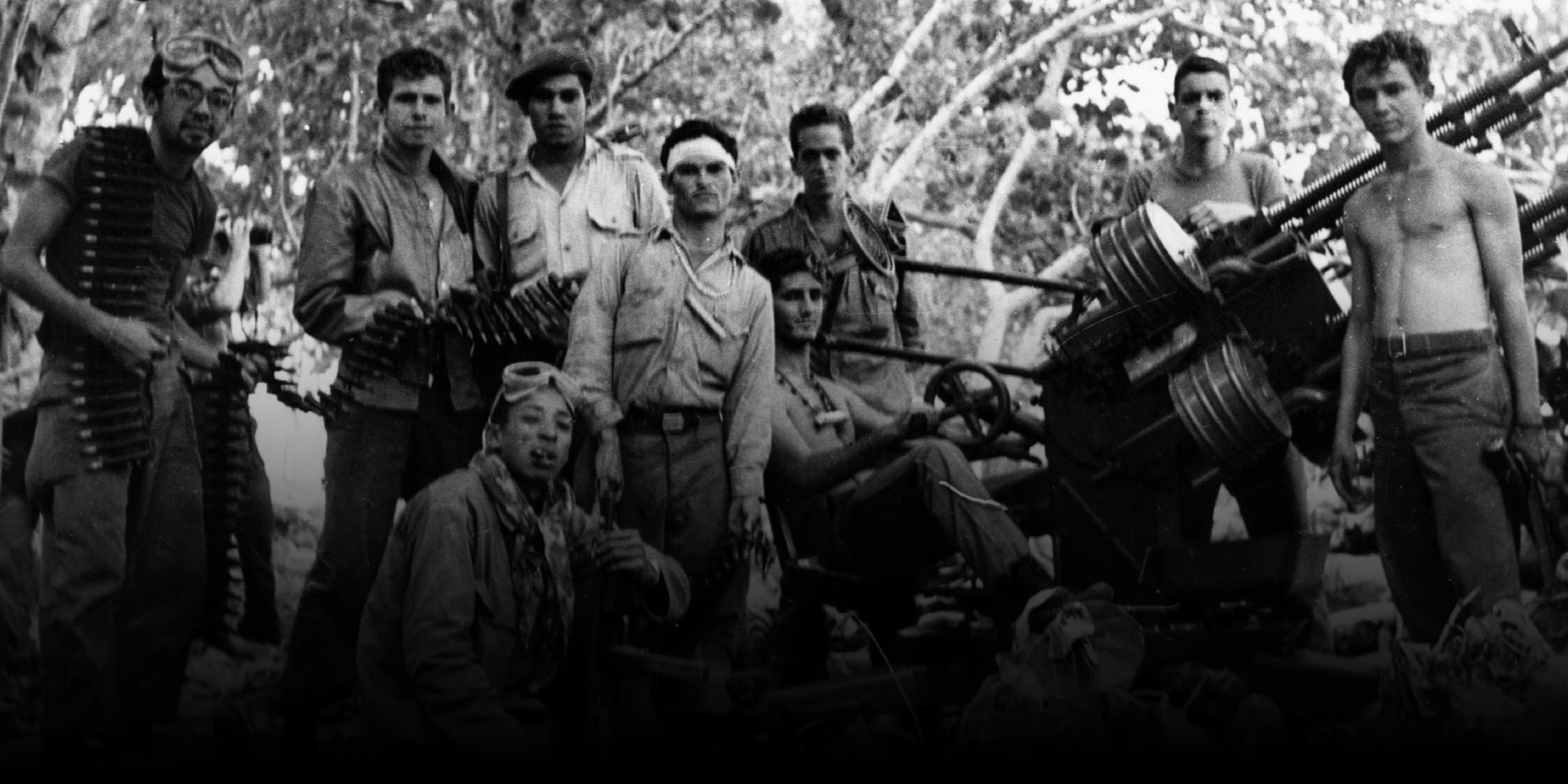
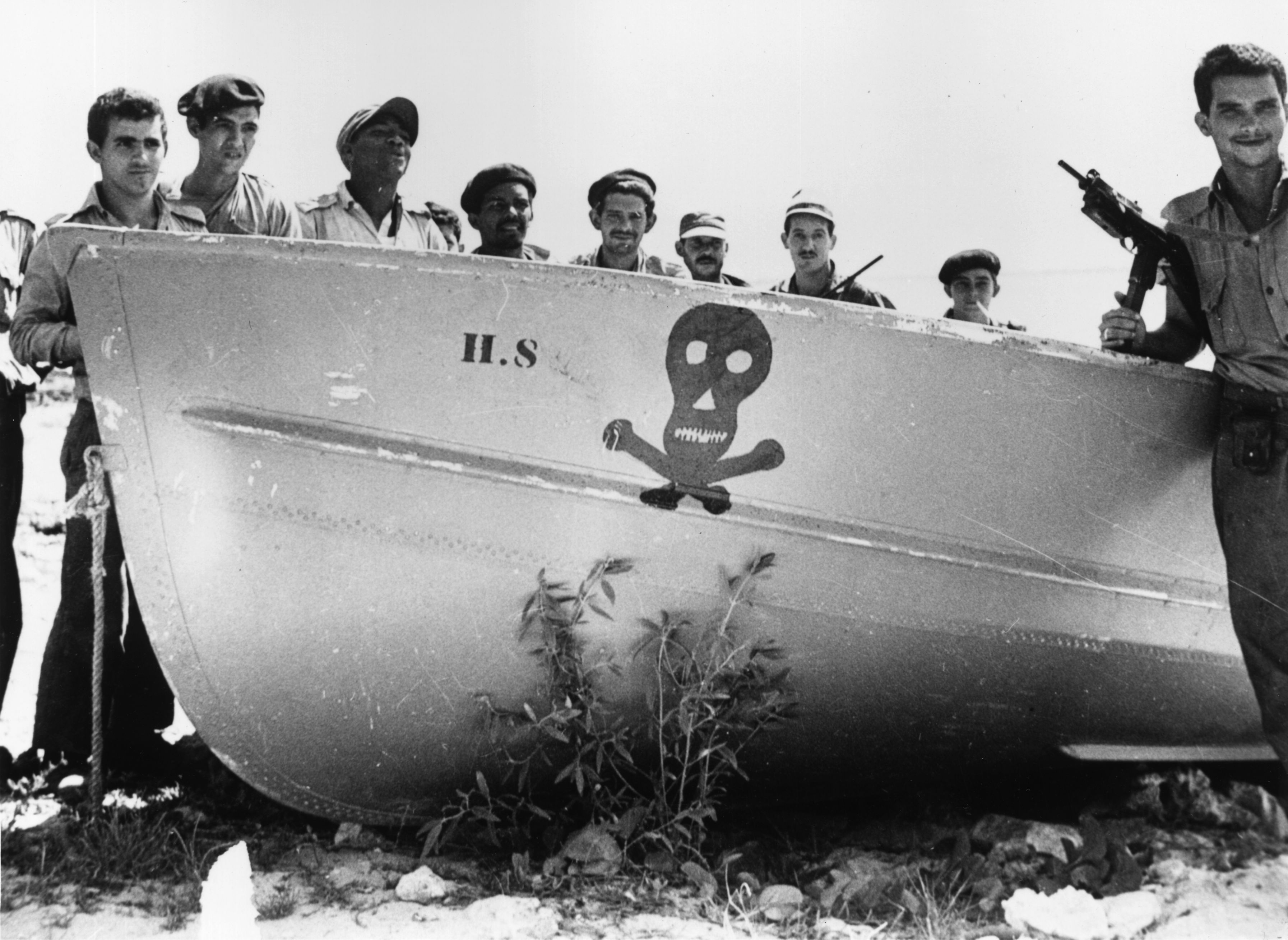
CIA-trained Cuban exiles landing on a beach during the failed Bay of Pigs invasion
What Happened?
The Bay of Pigs invasion was born out of Cold War fears. After Fidel Castro's 1959 revolution and increasing hostility toward the U.S., President Eisenhower authorized the CIA to plan his removal. John F. Kennedy inherited the plot when he took office in 1961 and reluctantly approved the mission despite internal doubts.
The plan relied on a small army of Cuban exiles trained by the CIA to land, rally anti-Castro support, and overthrow the government. But nearly everything went wrong. Castro knew about the plot in advance. U.S. airstrikes failed to destroy Cuba’s air force. The exiles' boats hit coral reefs. Supply ships were sunk. A surprise radio station on the beach broadcast the invasion in real time.
Kennedy, fearing global backlash, canceled follow-up airstrikes at the last moment. Without U.S. air cover, the exiles were left vulnerable. After three days of fighting, over 100 were killed and 1,100 captured. There was no local uprising—Cuban civilians didn’t join the cause.
The embarrassment was global. Kennedy accepted full responsibility, but the damage was done. The operation pushed Castro closer to the Soviet Union and helped spark the Cuban Missile Crisis a year later. In Latin America, the U.S. was condemned for its imperialist overreach.
What started as a covert operation ended as a defining lesson in Cold War hubris. The Bay of Pigs reminded the world—and U.S. leaders—that not every revolution could be reversed with guns and propaganda.
Why It Matters
The Bay of Pigs wasn’t just a failed invasion—it was a masterclass in miscalculation. It showed how secrecy, arrogance, and flawed intelligence can backfire on the global stage. It damaged U.S. credibility, radicalized the Cuban government, and brought the world closer to nuclear war. Understanding this history isn’t about pointing fingers—it's about recognizing the consequences of imperial ambition and learning from failed attempts to control another nation's future.
?
Why did the U.S. fear Fidel Castro so intensely after his revolution in Cuba?
How did the failure of the Bay of Pigs invasion impact JFK’s presidency and his decisions in the Cold War?
What role did Cuban civilians play during the invasion—and why didn’t they rise up as the CIA expected?
How did the Bay of Pigs set the stage for the Cuban Missile Crisis?
What lessons can we learn today about foreign intervention and regime change from the Bay of Pigs?
Dig Deeper
This documentary breaks down the CIA’s failed operation to remove Fidel Castro, with first-hand accounts, declassified details, and expert commentary.
Related
World War II & the Home Front (1941–1945)
A global war that reshaped American society—expanding opportunity, exposing injustice, and redefining the meaning of freedom at home.
The Second Amendment: Rights, Regulation, and Modern Debate
The Second Amendment has sparked centuries of debate: Is it about militias, individual rights, or both? From its 18th-century origins to modern Supreme Court rulings, this question remains central to America’s most heated constitutional argument.
The American Civil War – A Nation Torn Apart
From Fort Sumter to Appomattox, the Civil War was the deadliest conflict in U.S. history, fought over the nation's most profound moral and political divisions.
Further Reading
Stay curious!